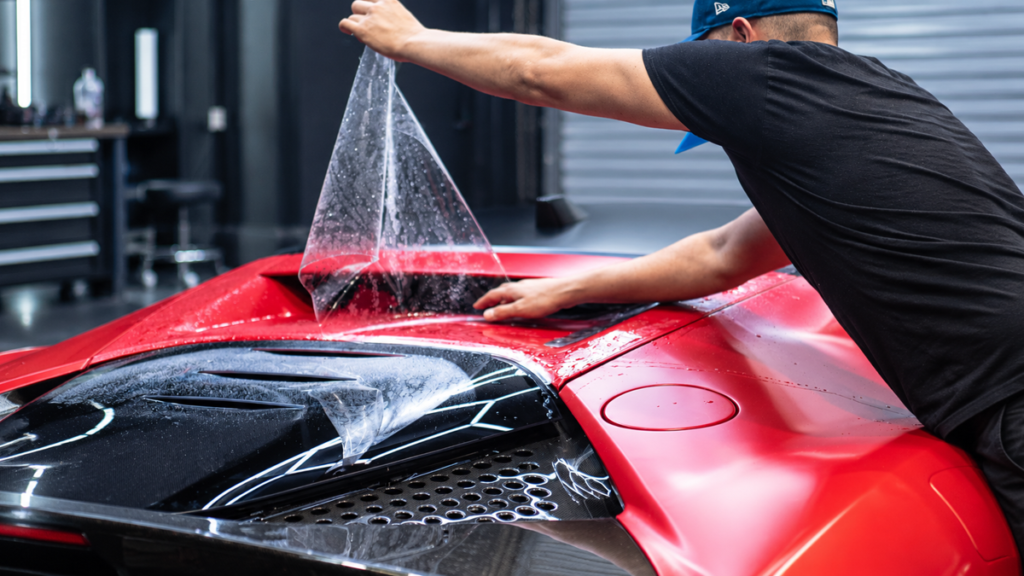
There’s a special kind of heartbreak that comes with hearing a rock smack the front of your freshly detailed car. You know the sound. It’s usually followed by a word you wouldn’t use in front of your grandmother, unless she’s a car enthusiast. Then she might beat you to it. Often, the repair can be thousands of dollars.
In other cases, sun damage, rain damage, and road rash can cause additional damage. Now, for those who shrug off such damage, they are not the target audience for PPF. On the other hand, if you prize your ride’s paint, it might be right for you.
Paint protection film, or PPF, promises to help prevent that particular misery. Once associated with clear protective coverings on the noses of expensive cars, it’s now used on everything from individual panels to entire vehicles. Some versions can even change the appearance of your paint, or you can get the protection added to your wrap. In case you opt to wrap your car in a new color altogether.
Related: Infiniti Is Down to Three Vehicles. Is Its Comeback Finally Taking Shape?
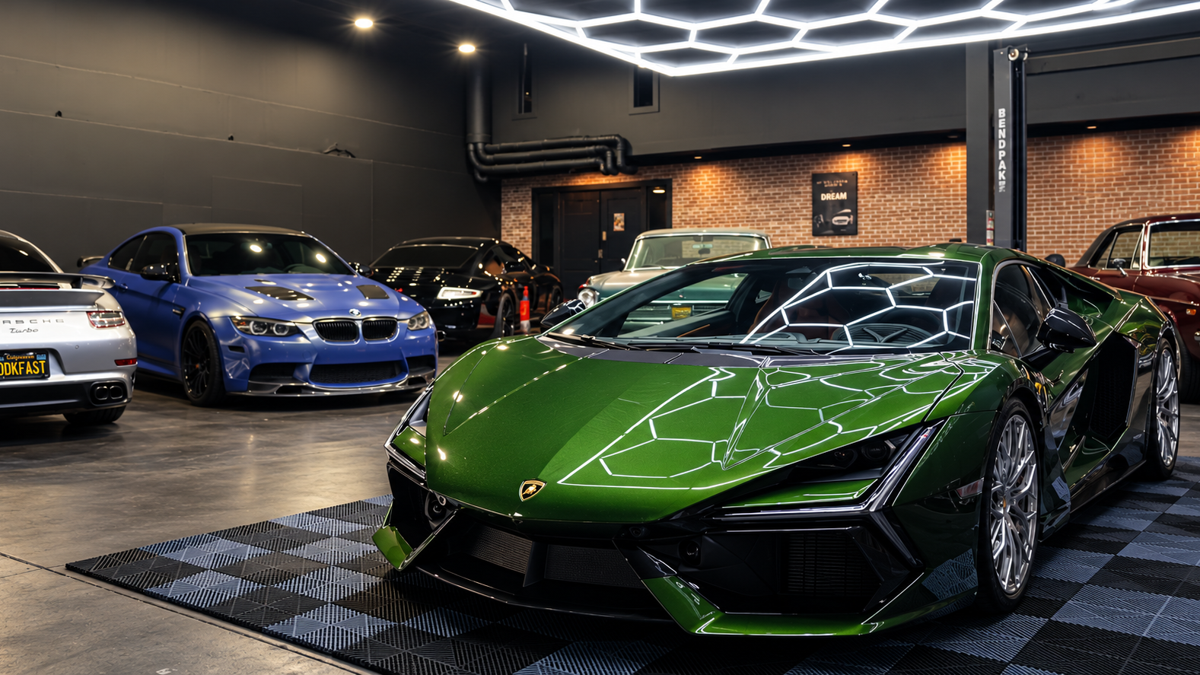
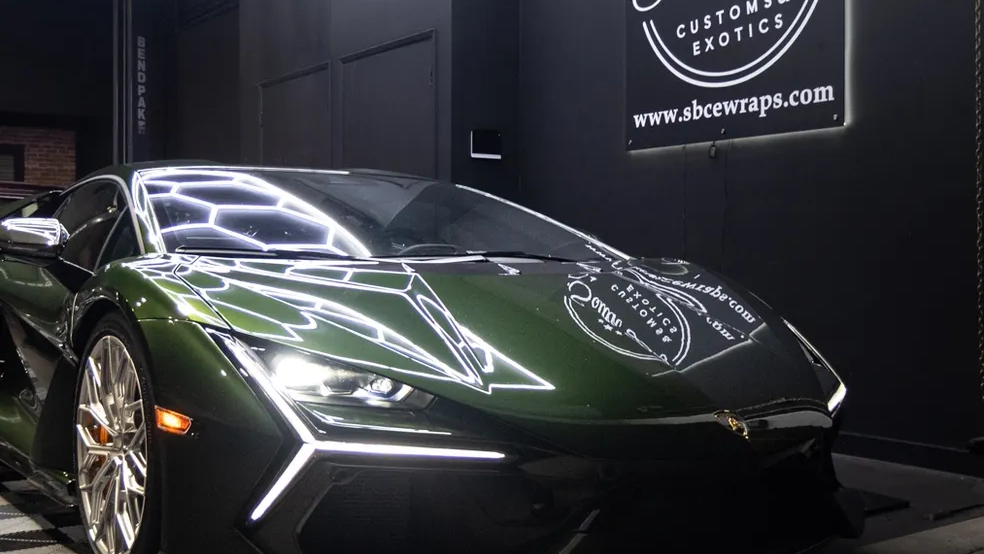
But is it worth the money? To get an installer’s perspective, I spoke with Francisco Franco of South Bay Customs and Exotics, which installs XPEL film. Francisco has worked in the industry for a few years and says his installers bring more than a decade of experience.
We edited our conversation for length and clarity.
What is PPF, and what does it actually protect?
Nathan: Let’s start with the basics. What is PPF?
Francisco: PPF stands for paint protection film. It’s a film that goes mainly on vehicles, and, as the name suggests, it’s meant to protect the paint.
Nathan: Years ago, you mostly saw protective film on the front of a car. Now people are covering the majority of the vehicle. Is that becoming more common?
Francisco: That’s correct, especially with high-end sports cars. Given that those cars are more expensive than something like a Camry, you see owners investing in protection film to help prevent rock chips from driving on the street. That’s one of its main purposes.
Nathan: Does it also help protect against sun damage?
Francisco: Many paint protection films offer some form of UV protection, which can help protect the paint from fading.
The specific product matters here. Buyers should ask what a film’s manufacturer actually promises regarding UV exposure, discoloration and warranty coverage. “It protects your paint” is a useful starting point, but it shouldn’t be the entire sales presentation.
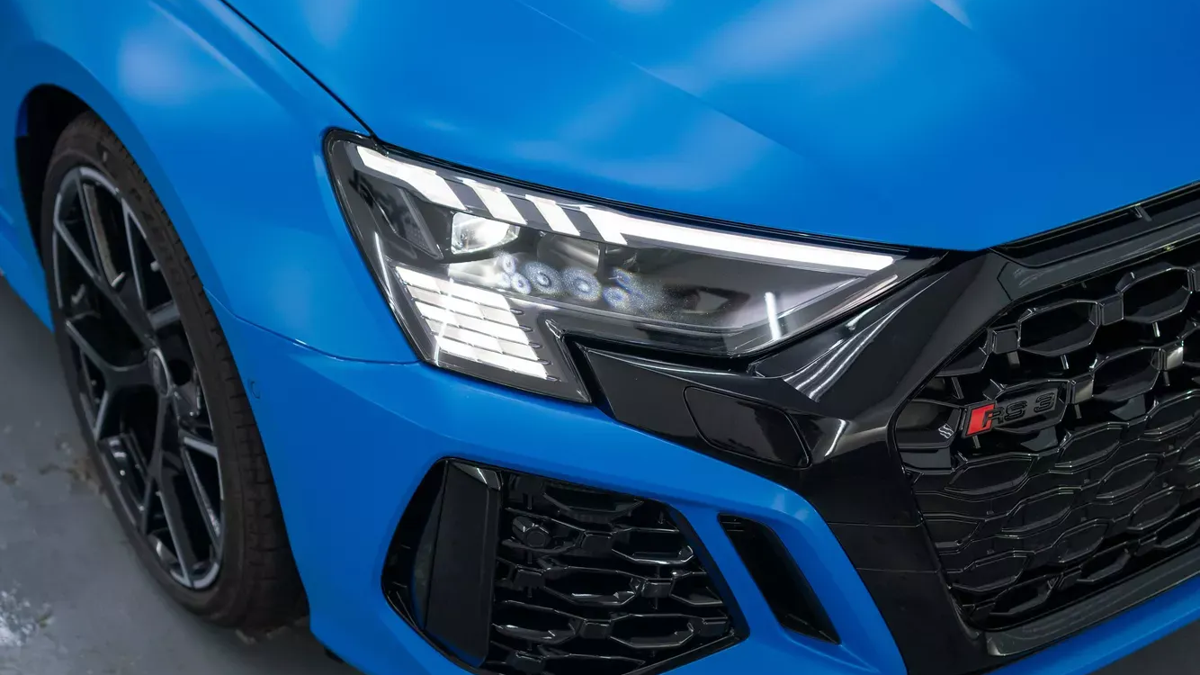
Can you see it once it’s installed?
Nathan: On a properly finished vehicle, it can be difficult to tell there’s film on it. Is that the goal?
Francisco: That’s correct. If it’s installed properly, you can make it look like there’s no film on the car. It can look seamless and factory-original. That depends on the installer.
Nathan: What about people who deliberately want to change the finish? Can PPF make glossy paint look matte?
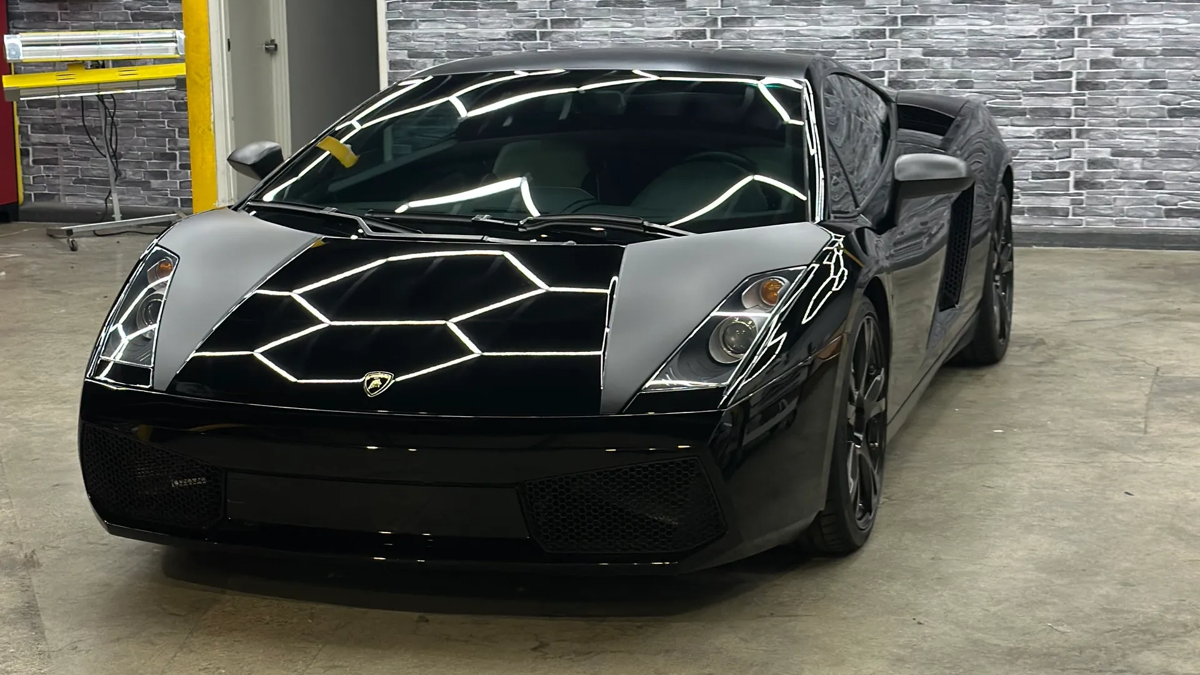
Francisco: Yes. Some companies call it matte PPF, and others call it stealth PPF. If you have a gloss finish and want a matte appearance, that type of film can change the look.
In other words, protection doesn’t necessarily mean preserving the exact appearance you started with. You can give your car a different wardrobe while adding a protective layer. Whether matte suits it is between you, your taste and whoever shares your garage.
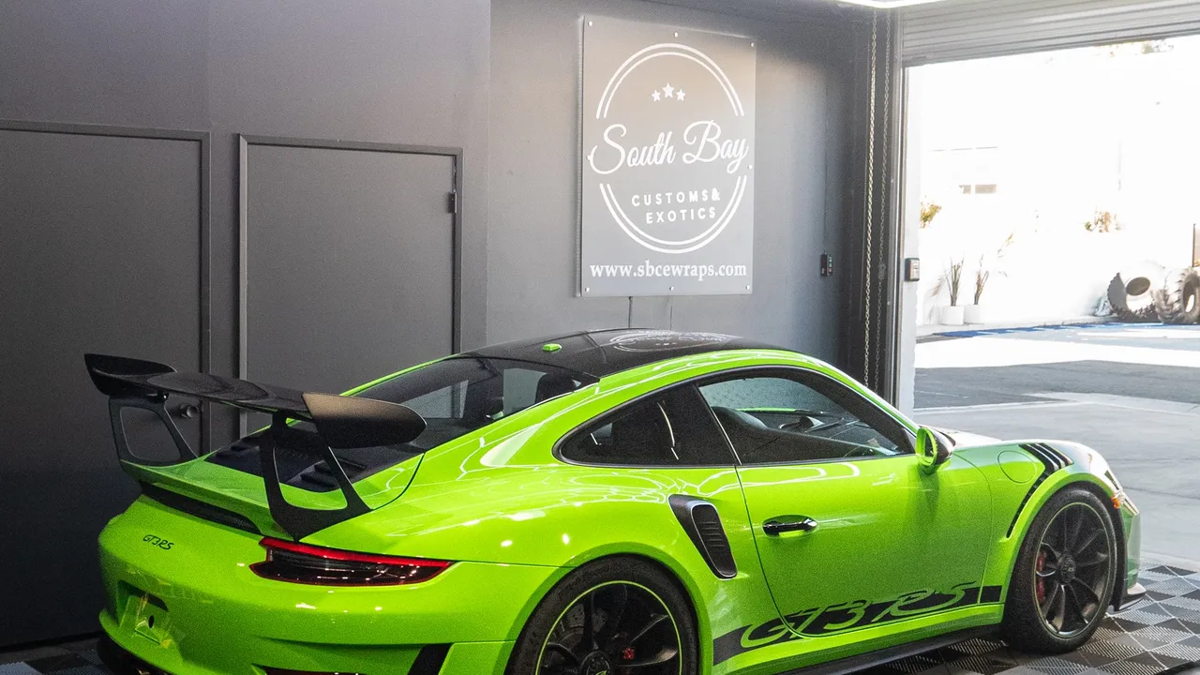
How long does installation take, and what does it cost?
Nathan: How long should someone expect to leave a vehicle with you for a full installation?
Francisco: Depending on the size of the car, roughly a week. That includes the roof, bumpers and all the body panels.
Nathan: And what should someone budget for that level of coverage?
Francisco: It depends on the vehicle, but full installations generally start around $7,000 and go up from there.
That figure reflects the full-vehicle work Francisco described at his shop, rather than a universal price for PPF. A quote needs to spell out the coverage, film and preparation involved. Otherwise, you could be comparing two very different jobs and wondering why one costs considerably more.
Seven grand is serious money. On a valuable exotic with an expensive finish, the argument is easier to understand. On an everyday commuter, I’d need to sit down, examine the numbers, and possibly hold my wallet for emotional support.
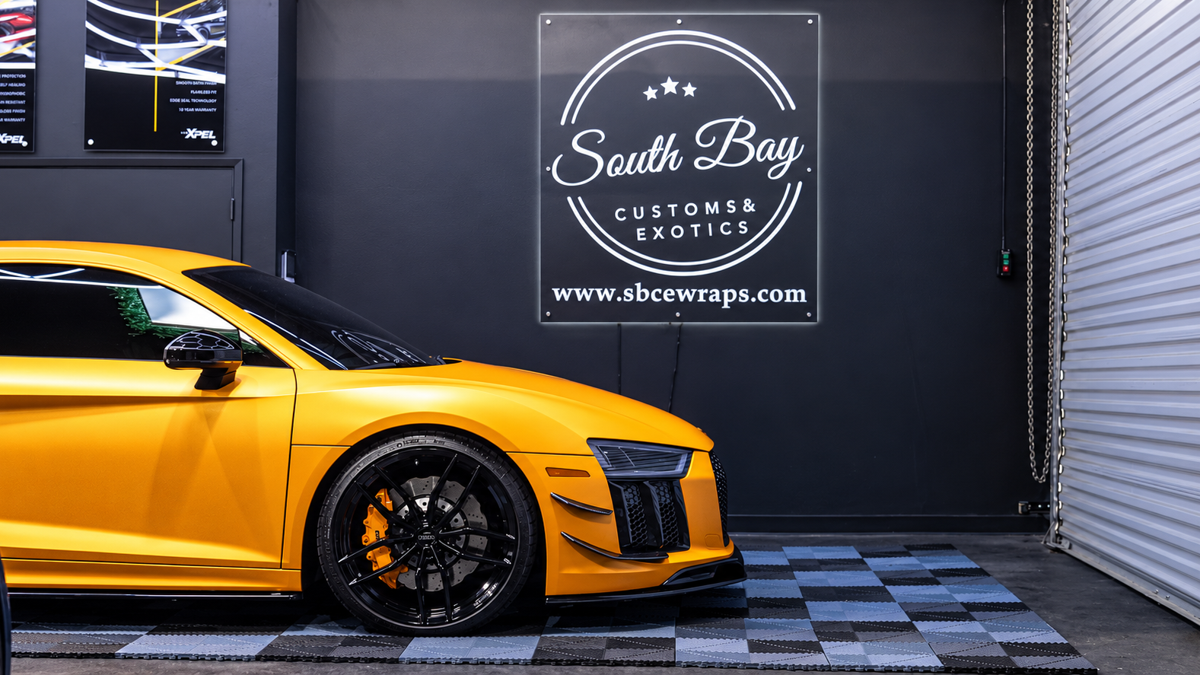
What about wraps and color-changing film?
Nathan: If a vehicle already has a color-change wrap, can you put PPF over it?
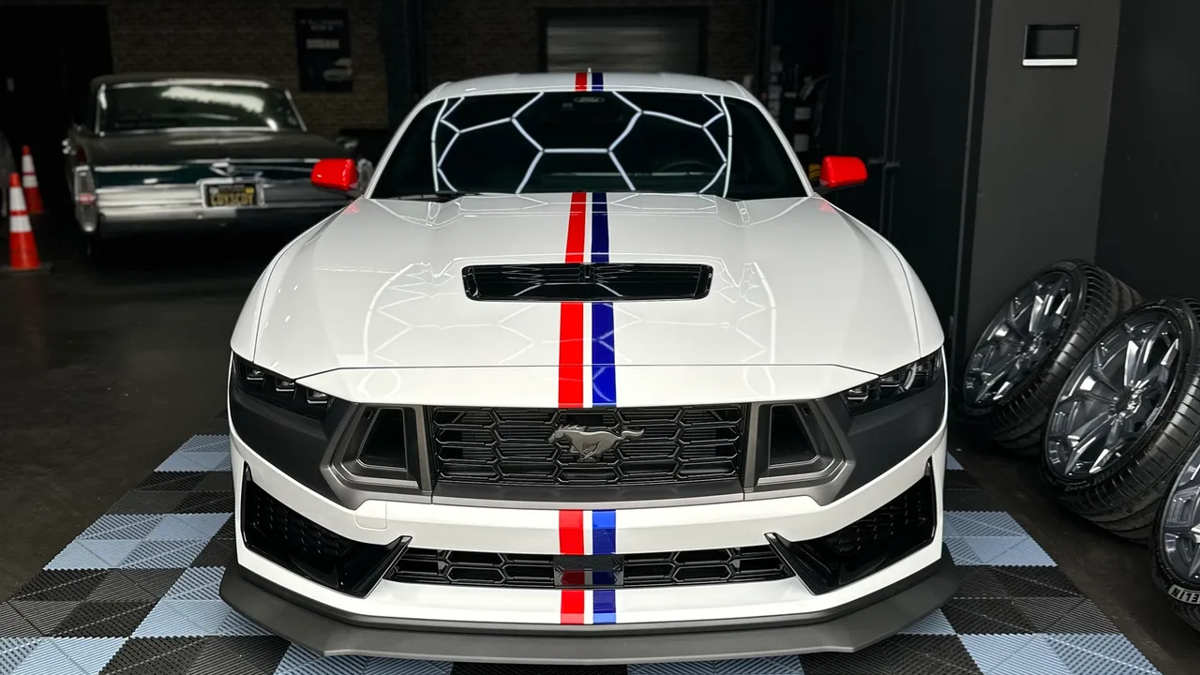
Francisco: Yes, that’s something we can do. There are also colored paint protection films now, so you can change the color and get protection in one product.
Nathan: So the appeal is a different appearance, with protection against things like stone chips?
Francisco: Correct. It can also cost less than repainting the entire vehicle.
Final thoughts
PPF makes the most sense when the cost of protecting a finish lines up with the value you place on preserving it. That might mean an exotic, a cherished weekend car, or simply something you intend to keep looking good for years. It doesn’t mean every vehicle needs a $7,000 transparent raincoat.
I’d start by deciding what you want protected, then ask an installer for clearly defined coverage options. Look closely at completed work, understand the warranty, and get the care instructions before handing over the keys. Francisco’s most important point was that the installer matters. Expensive film deserves more than an enthusiastic person with a squeegee.
For the right owner, PPF could spare considerable frustration. Just remember that you’re buying paint protection, not an invisible force field.
I’m still waiting for that.
Related: Aston Martin Vantage S Roadster vs. Mercedes-Maybach SL 680: Posh, Potent and Worlds Apart