Right on Schedule?
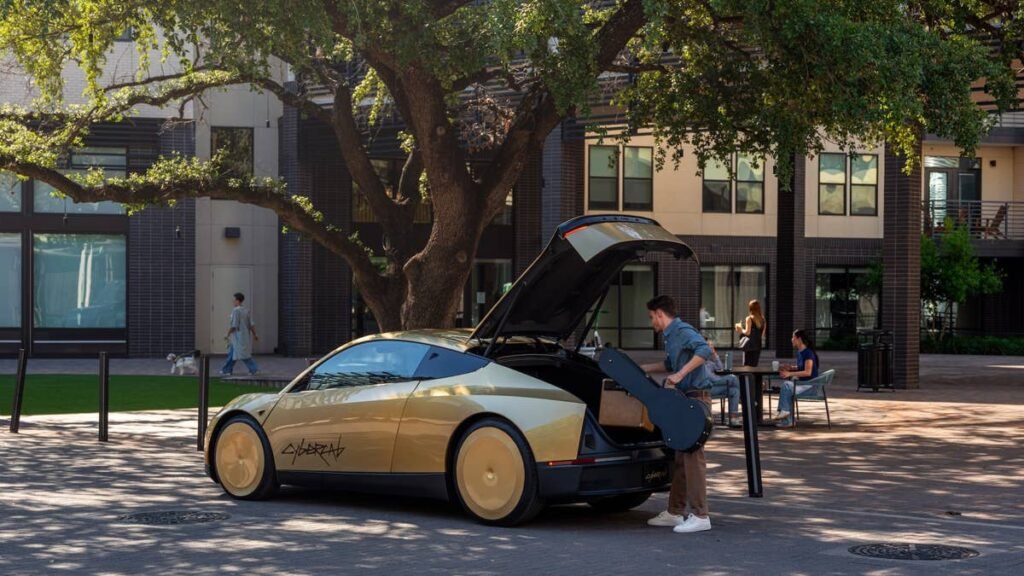
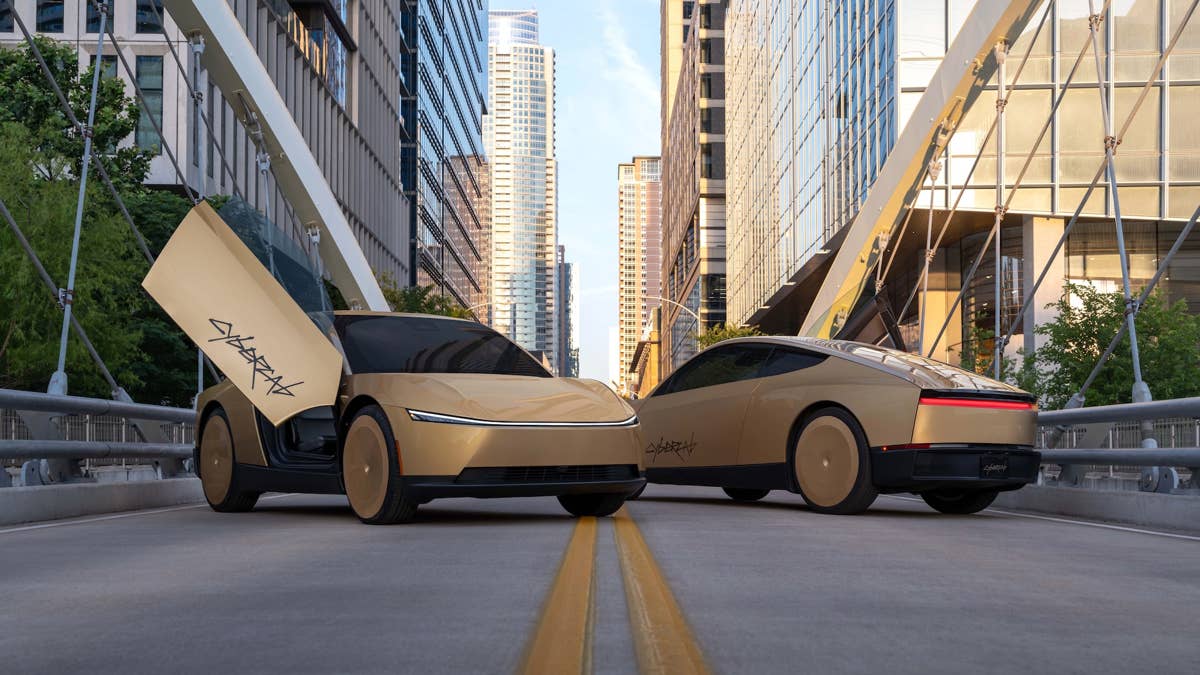
Tesla is known for ambitious timelines it doesn’t meet, including the next-gen Roadster, whose original concept debuted in 2017 but whose redesigned version only debuted this month. The Cybercab, however, appears to be on track after Lars Moravy, Tesla’s vice president of vehicle engineering, said during a Q3 2026 earnings call that the company is trying to deliver the two-seater EV to customers later this year.
That would meet the original timeline announced when the Cybercab was unveiled at the “We, Robot” event in California in 2024. The key word there is “trying,” so it’s not a guarantee yet. Still, the outlook appears promising for the company, especially as it shifts its focus from selling personal EVs toward autonomous ride-hailing and AI-driven products, with production of the Model S and Model X even ending earlier this year. However, challenges remain.

Tesla
A Green Light Still Pending
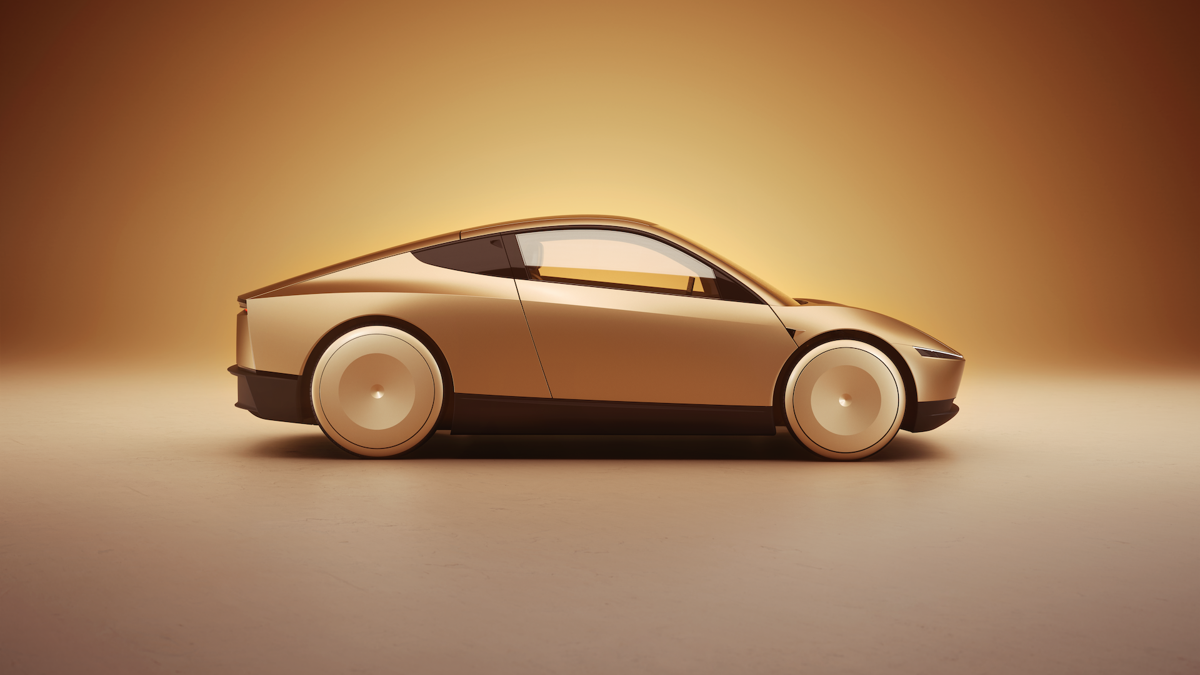
One of these is regulatory compliance, particularly because the Cybercab operates without a steering wheel, pedals, or side mirrors. Tesla removed these components because the Cybercab is primarily intended for robotaxi operations. Doing so could also help the company lower production costs and streamline manufacturing.
Zoox showed that a regulatory pathway is possible after receiving an exemption from NHTSA for its carriage-style robotaxi, allowing the Amazon-owned company to commercially deploy up to 2,500 robotaxis annually over the next two years. Meanwhile, the safety agency is investigating Tesla’s certification of the Cybercab’s compliance with federal safety standards. A negative regulatory outcome could jeopardize Tesla’s planned expansion and complicate customer deliveries.
Tesla also said that unsupervised Full Self-Driving isn’t expected to become available to some existing customer-owned vehicles until the second quarter of 2027. This raises questions about where privately owned Cybercabs could operate if deliveries begin before the end of the year.
Tesla
The Next Chapter Has No Driver
Another detail Tesla needs to confirm is the price. During the 2024 launch event, Tesla said the Cybercab would cost less than $30,000. Meeting that target would be welcome news after the company faced scrutiny over the Cybertruck’s pricing, which was originally advertised at under $40,000 in 2019 but launched with a starting price of around $61,000 in 2023.
As Tesla expands its Cybercab operations, it will play catch-up with established competitors like Waymo, which primarily uses Jaguar I-Pace EVs equipped with Level 4 autonomous driving technology. Tesla plans to retain ownership of most Cybercabs and operate them as a transportation service, while selling a smaller number to customers. Production is already underway at Gigafactory Texas.
Tesla