Beauty Comes at a Price
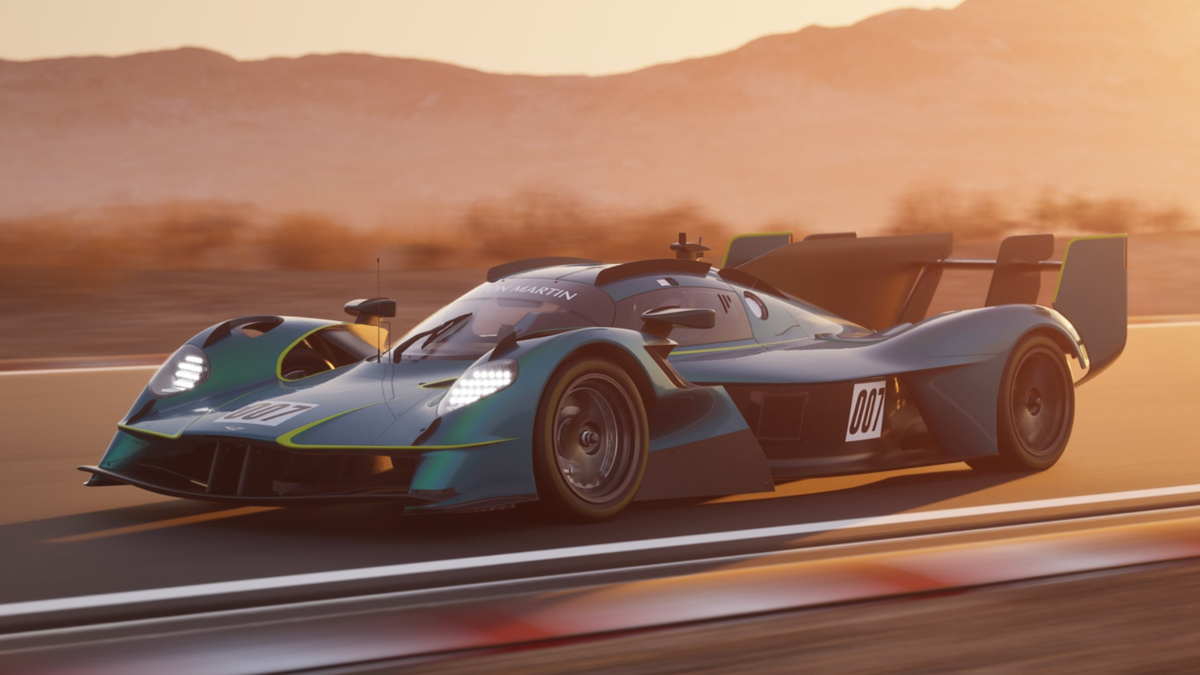
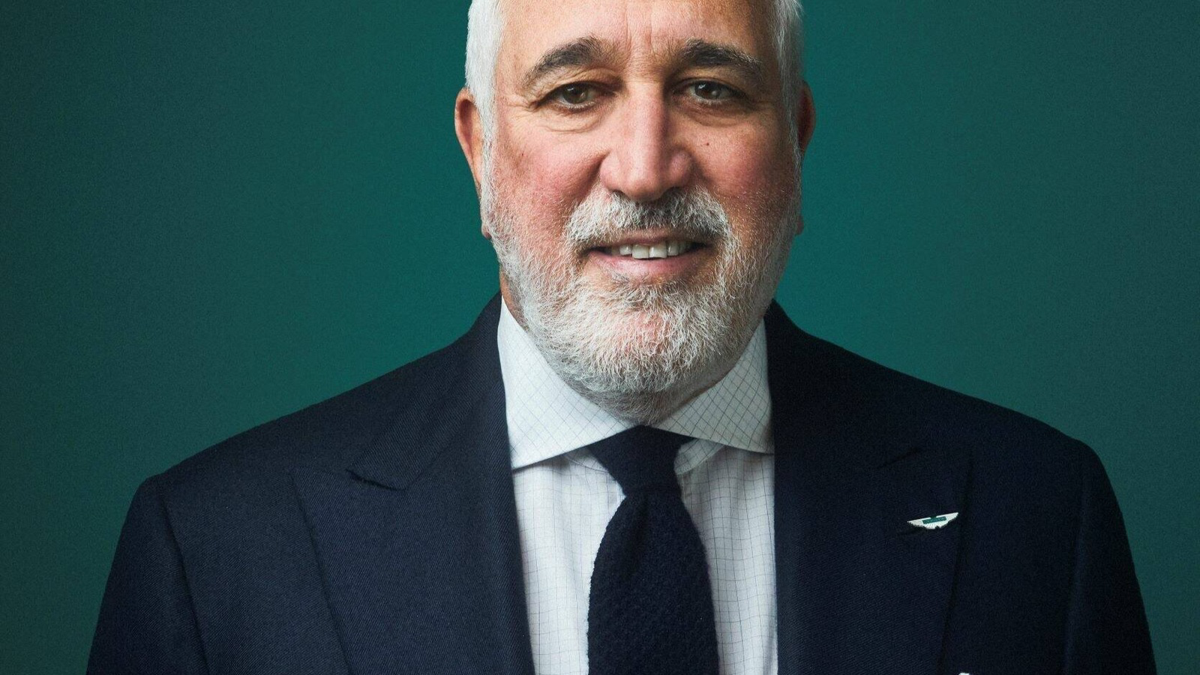
Despite its financial struggles, Aston Martin continues to produce some remarkable cars, including the Valkyrie, which features a naturally aspirated V12 in an era of engine downsizing, and more recently, the open-top Valhalla, capable of matching the coupe’s 217-mph top speed. However, these engineering achievements haven’t translated into significant financial success, as the British automaker continues to struggle six years after Canadian billionaire Lawrence Stroll led a rescue investment in 2020.
According to Bloomberg, citing Aston Martin’s Q3 2026 financial results, the automaker reported a pretax loss of £77 million ($102 million), narrowing from £111.9 million ($148 million) a year earlier. Its net loss also fell from £131.8 million ($175 million) to £78.8 million ($104 million). Despite the improvement, the company’s net debt reached £1.57 billion ($2.1 billion), while cumulative after-tax losses since Stroll’s takeover have reached £2.3 billion ($3.1 billion).
Aston Martin
Making Every Sale Count
Interestingly, Aston Martin’s wholesale deliveries remained virtually unchanged at 1,431 vehicles in Q3 2026, compared with 1,430 a year earlier. Still, revenue increased 36% to £389 million ($515 million), while gross profit jumped 76%. This improvement reflects a richer sales mix.
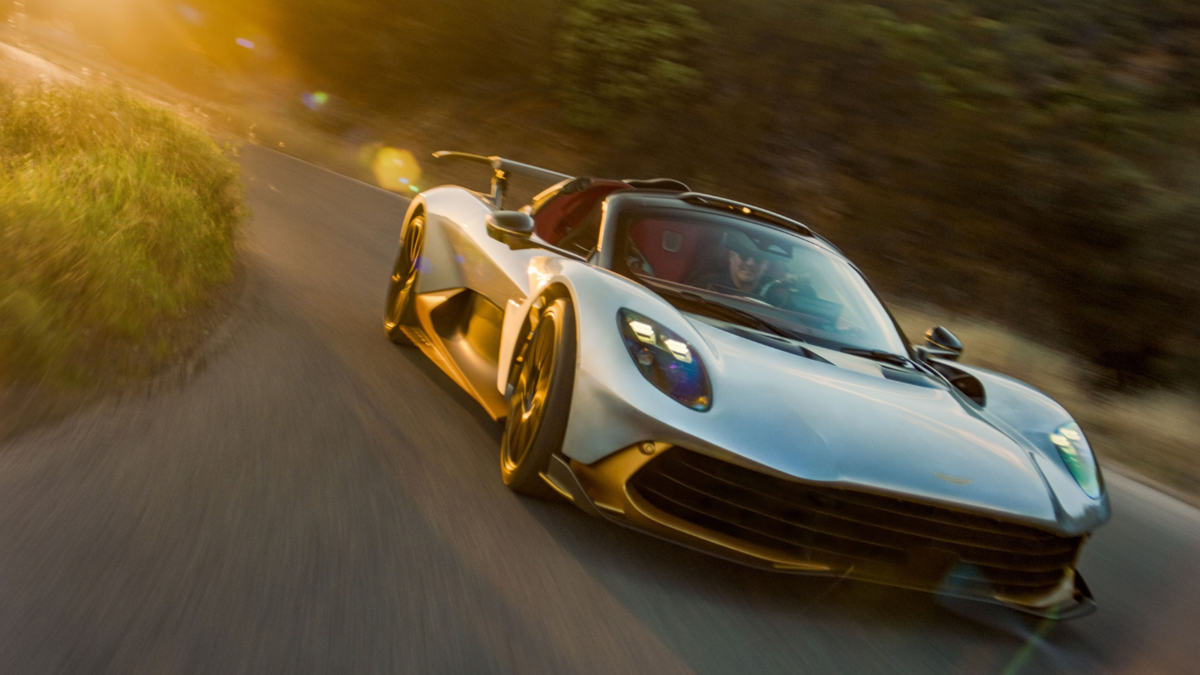
The improvements are partly driven by the Valhalla, the brand’s first PHEV supercar, rivaling the likes of the Ferrari 849 Testarossa and Lamborghini Revuelto. The Valhalla was initially capped at 999 examples, although combined coupe and Spider production is now expected to slightly exceed that figure. Such exclusive, high-priced models could help improve profitability, a strategy that has also worked for luxury brands like Rolls-Royce.
The new Valhalla Spider is expected to cost about 20% more than the coupe, which could further help profitability. There’s also the Valen, another limited-series model touted as the world’s most powerful front-engined production car. Arriving in Q2 2027, the Valen comes with a 5.2-liter twin-turbocharged V12 producing 838 horsepower, about 19 hp more than the Ferrari 12Cilindri, though the Ferrari supercar retains a naturally aspirated setup.
No Victory Lap Just Yet
It remains to be seen how Aston Martin’s upcoming models and improving financial performance will help the automaker overcome its mounting debt and return to profitability. The company continues to face challenges, including weaker demand in China, U.S. tariffs, and more recently, legal challenges from bondholders such as Arini Capital over its financing arrangements.
Beyond production cars, Stroll has also been investing heavily in Formula 1, where the Aston Martin team, which operates separately from the road-car company, serves as a global marketing platform for the luxury brand. The team has also partnered with Honda as its exclusive power unit supplier since the start of the 2026 season, a collaboration that could eventually lead to a jointly developed road car.