In today’s art world, provocation and controversy are part and parcel of the market. Think recent pieces like Maurizio Cattelan’s “Comedian,” a.k.a. the duct-taped banana, or Damien Hirst’s diamond- and platinum-coated 18th-century human skull titled “For the Love of God.” And while art has never been immune to controversy, it hasn’t always been, let’s say, expected.
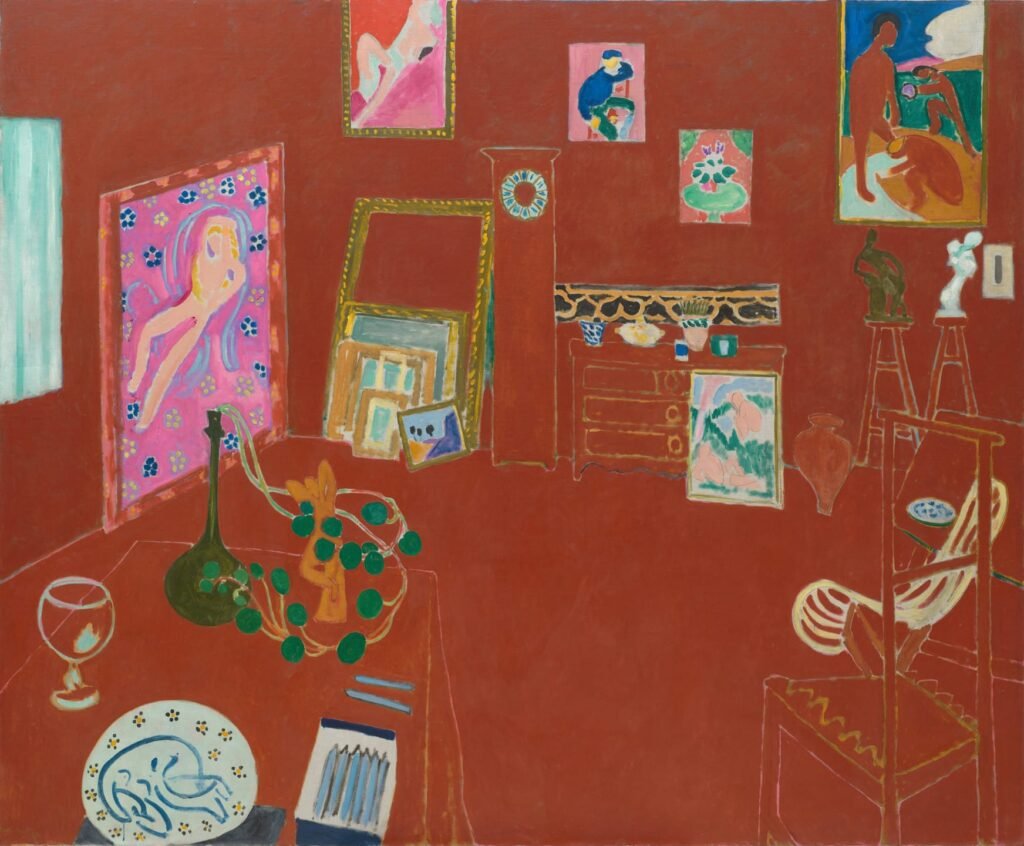
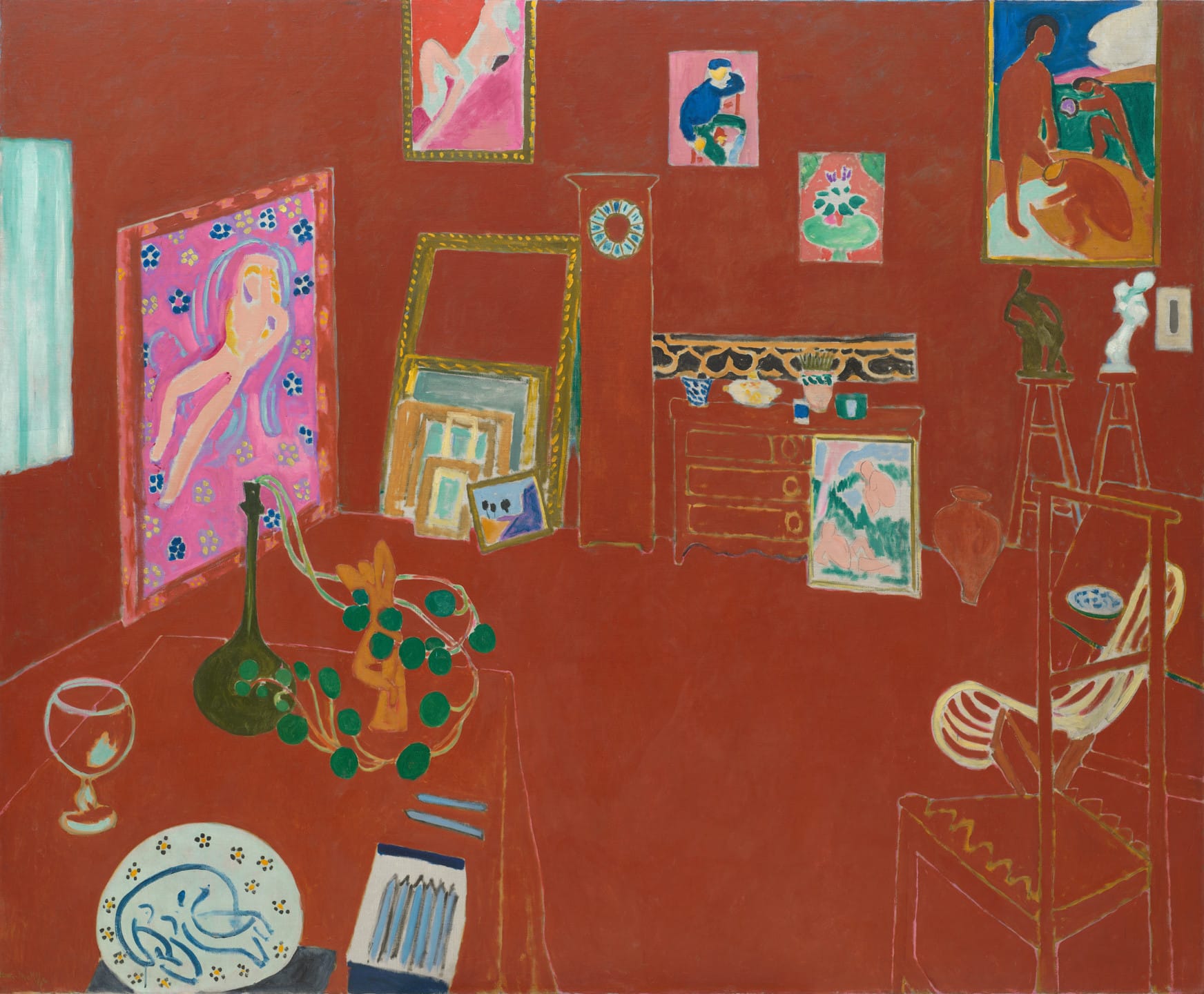
At the turn of the 20th century, art—especially the “high” mediums of painting and sculpture—were viewed and taught through the lens of deeply ingrained conventions about what made art good. Chief among these was representation: people look like people, landscapes look like landscapes, and rooms look like rooms. That is, until Henri Matisse created “The Red Studio.”
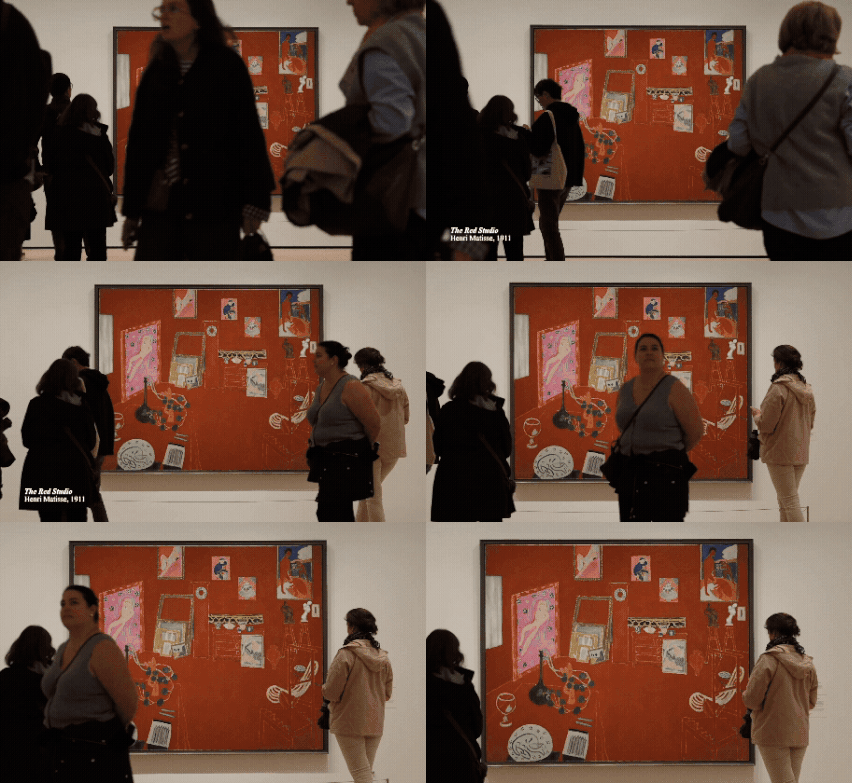
A prized painting in MoMA’s collection in New York, “The Red Studio,” or “L’Atelier rouge,” was so unexpected that, according to a wonderful new video from Great Art Explained, Matisse may not have really been able to grasp what he’d done either, at least not right away. The documentary short by art historian James Payne traces the history of this paradigm-shifting painting, from the artist’s personal influences to the societal and technological shifts experienced by the art-viewing public. “The painting seemed to break almost every established rule of Western painting,” Payne says.
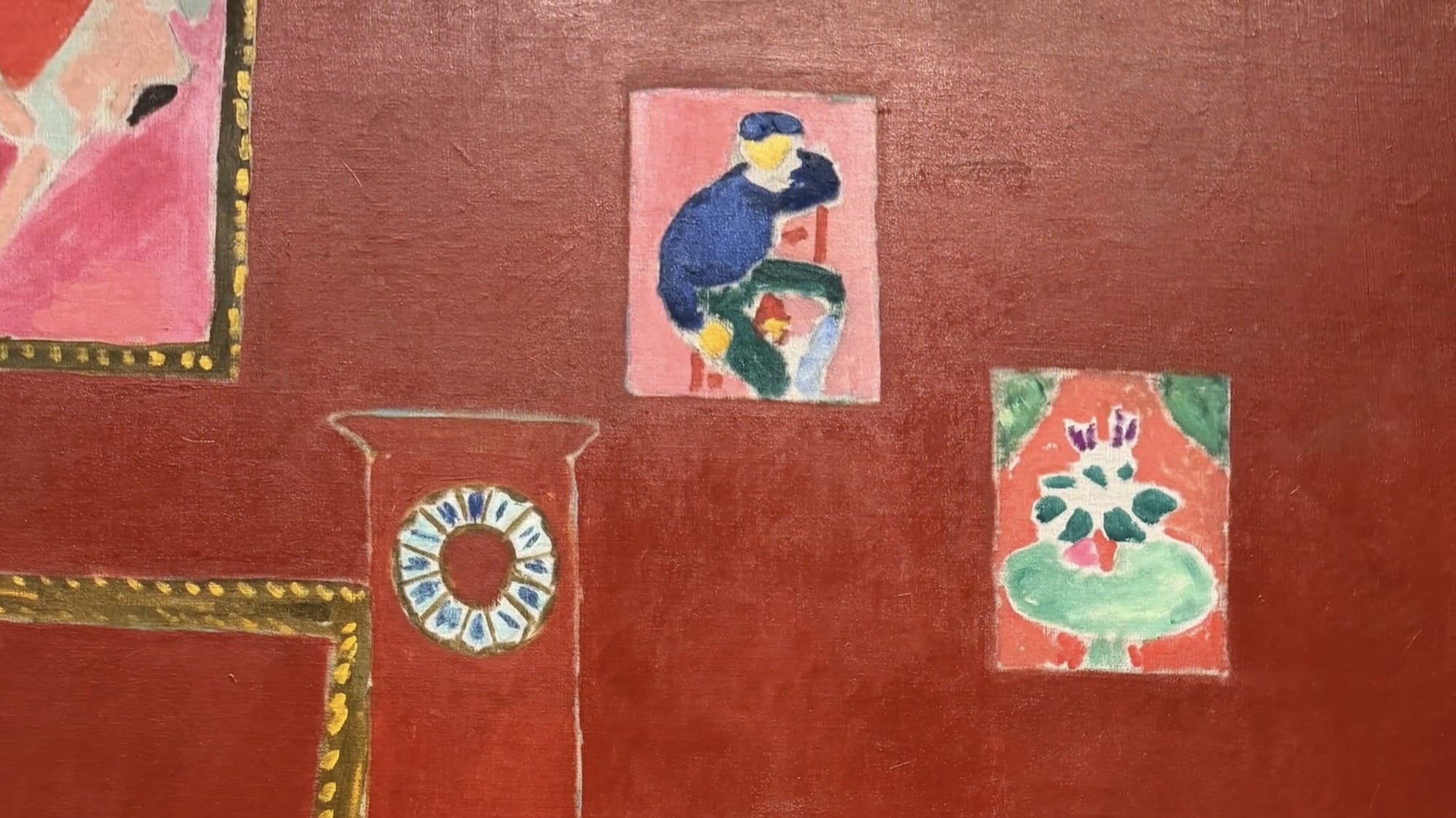
No one else knew what to make of the work either, which stretches more than seven feet wide. Matisse flattened the picture plane, removing the usual cues about perspective and depth with a quickly applied swath of Venetian red. (Payne delves into an interesting story about that, too.) Here, color itself defines the composition in place of line and contrast, drawing on friend, mentor, and Symbolist painter Gustave Moreau’s advice that color, as Payne describes, “should be thought, dreamed, and imagined.”
“When Matisse painted ‘The Red Studio’ in 1911, it was one of the strangest pictures anyone had ever seen—a room almost completely consumed by red—furniture reduced to outlines, paintings hanging on walls that barely seem to exist, and a grandfather clock with 12 numbers but no hands,” Payne says. “Even Matisse wasn’t entirely sure what he had created, and nobody wanted to buy it.”
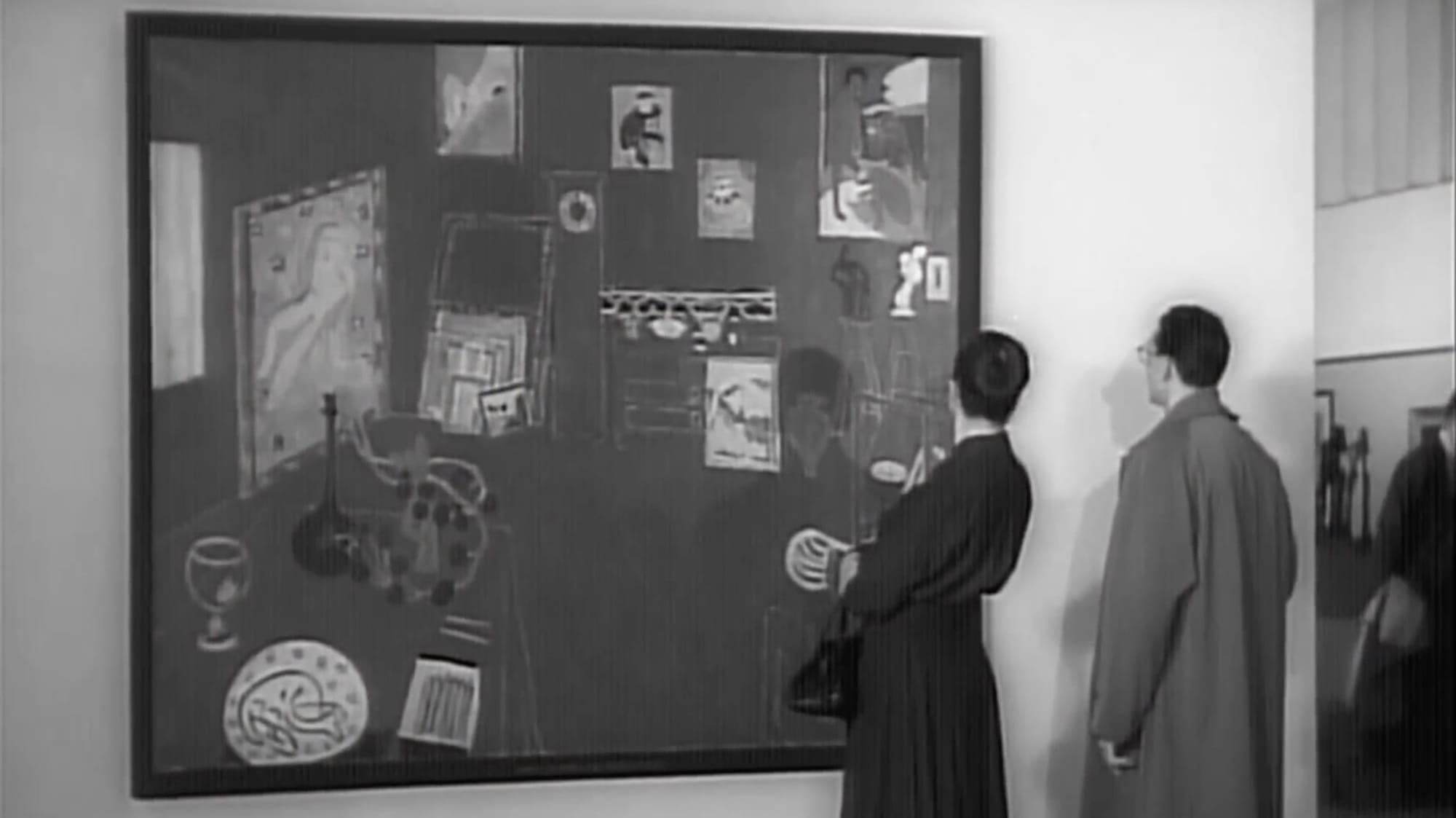
“The Red Studio” didn’t sell even at the famous International Exhibition of Modern Art, better known as the Armory Show of 1913, where it was in the company of experimental styles like Fauvism and Cubism, not to mention Marcel Duchamp’s proto-Dadaist “Nude Descending a Staircase (No. 2).” Although “The Red Studio” traveled to numerous exhibitions, it was broadly panned by critics. Matisse hid it away for about a decade before the piece experienced an unlikely stint at a London nightclub. It took decades for the unorthodox work to be recognized not as repulsive but revolutionary.
Do stories and artists like this matter to you? Become a Colossal Member today and support independent arts publishing for as little as $7 per month. The article Great Art Explained Traces the Incredible Story of Henri Matisse’s ‘The Red Studio’ appeared first on Colossal.