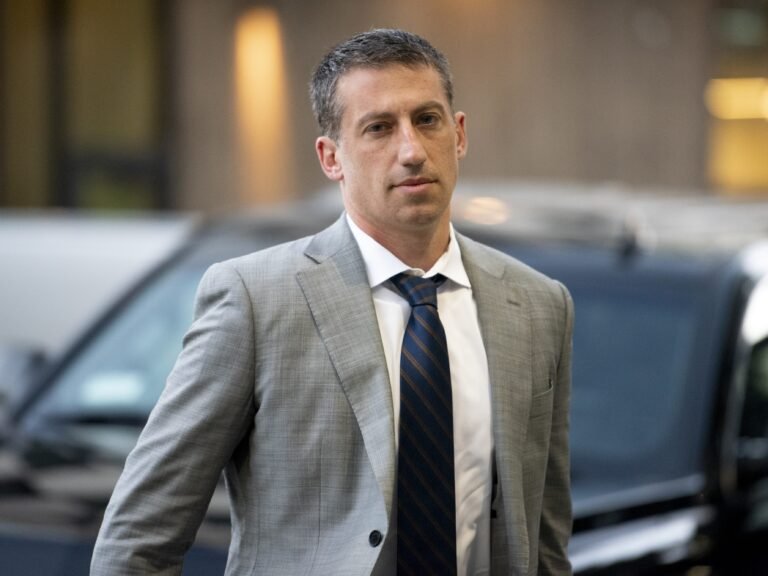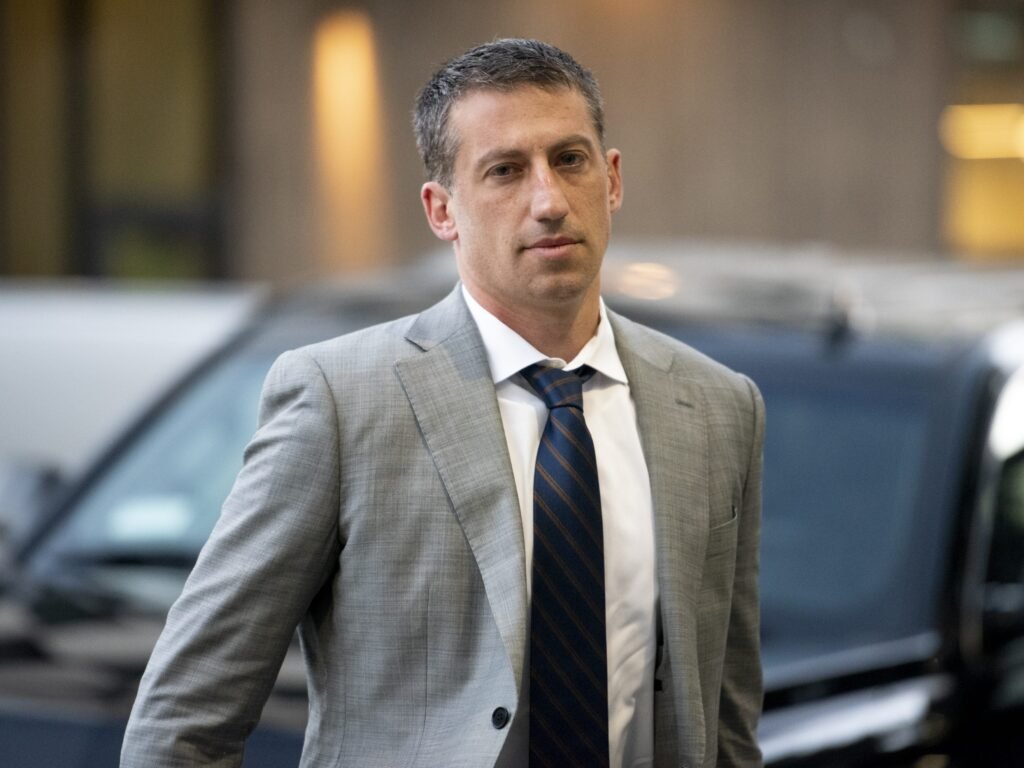
Marlena Sloss/Bloomberg via Getty Images
- Famed attorney Alex Spiro said AI could cut the “fat in the middle” from the legal industry.
- AI tools could make it easier for lawyers to decide whether a case is worth trying, he said.
- Spiro has represented high-profile clients including Elon Musk, Alec Baldwin, and Jay-Z.
High-profile attorney Alex Spiro said artificial intelligence could strip much of the “fat in the middle” out of the legal industry, pushing more cases toward either quicker settlements or all-out trials.
Spiro, a partner at Quinn Emanuel Urquhart & Sullivan’s New York office and Elon Musk’s go-to attorney, said during a Thursday appearance on the tech talk show TBPN that AI tools could help make it easier for lawyers to decide whether a case is worth taking to trial.
“I think AI will eliminate a layer of a lot of things, including my day job. And by eliminating that layer, it allows you to get to the truth and synthesize it faster,” Spiro said. “If you can do that, then I think you can make quicker decisions on, this is something to resolve or this is something to go all the way on.”
Spiro, who has represented actor Alec Baldwin, rapper Jay-Z, New England Patriots owner Robert Kraft, and ex-New York City Mayor Eric Adams, said this could mean fewer cases languishing in costly, drawn-out litigation.
“Maybe the way it’ll work is a lot of the fat in the middle is going to be cut out,” Spiro said. “Cases will settle quickly or go to trial, and there won’t be as much in-between litigation that is pointless and sort of ebbing between the two.”
Ultimately, the use of the technology could lead to more trials by helping attorneys analyze cases more quickly and identify which cases are worth fighting.
“Maybe there are more trials, frankly, because people just say, ‘Okay we just did an analysis of these 10 cases. These nine should settle. This one shouldn’t. We’re going all the way,'” Spiro said. “And then people don’t get that nervousness that they get where some companies they’ll think in their mind, ‘Okay, these three are going to have to be tried,’ but then they end up caving because they’re too risk averse.”
Still, Spiro said AI would not change his strategy.
“I haven’t changed my approach to trying cases or how to present in front of a jury in 20 years,” said Spiro, adding, “There are argumentative techniques that work and some that don’t.”
Jurors, he said, “are not changing based on AI.”
“So I’m going to talk to them exactly the same way,” Spiro said. “It just may be that the people that get me the information that I distill into my arguments, there needs to be fewer of them, or they have a simpler, more linear path in getting me that information because they have technological tools that make it faster, sleeker.”
Asked whether AI could make clients overly confident in their own legal judgment, Spiro quipped that he was already familiar with that dynamic.
“I represent almost exclusively clients that think that they know more about the law,” said Spiro. “It’s my specialty.”