Paying to Play
While homegrown brands like Ford and General Motors maintain a strong presence in the U.S., Toyota continues to challenge their dominance, so much so that the Japanese automaker has invested over $50 billion in the country. But one of the biggest headwinds in the American car market, especially for foreign automakers, is tariffs, with Toyota expected to incur nearly $7 billion in tariff costs for the fiscal year ending March 31, 2027.
German luxury brand Audi recently showed that there could be a tariff workaround after announcing plans to build its first U.S. plant in Georgia, with the Trump administration reportedly offering tariff relief in return. Toyota, meanwhile, operates 11 manufacturing plants in the U.S. and plans a $3.6 billion expansion of its existing plant in Texas. Given its massive U.S. manufacturing network, Toyota is now looking to receive a similar concession.
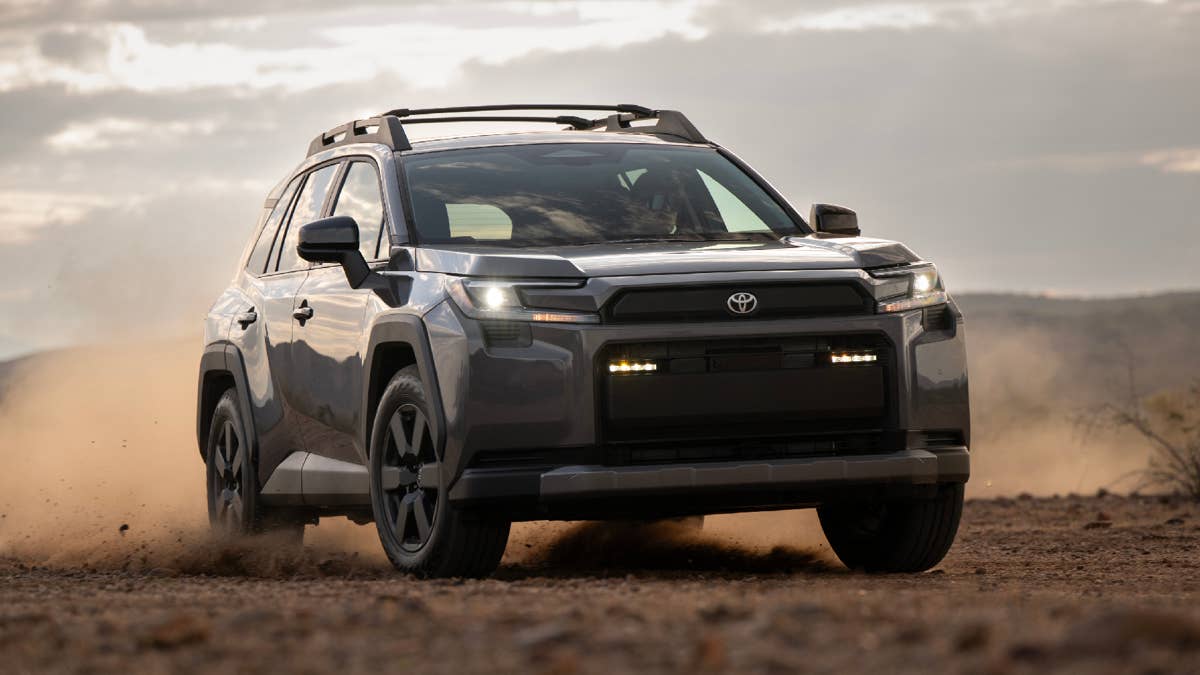
Toyota Makes Its Case
Automotive News reported that Toyota may be in an ideal position to secure tariff relief. Tim Ingle, group vice president for enterprise strategy and CFO at Toyota Motor North America, said, “We’ll always push for that level playing field and continue to make a case for the decades of investments we’ve made.”
The final tariff agreement for Audi isn’t set yet. Reports say the Ingolstadt-based automaker is pushing for a 7.5% tariff, while the Trump administration is expected to offer around 10%. The Georgia plant is expected to create 4,500 jobs and produce SUVs, reportedly including the Q7, Q8, and the brand’s latest flagship, the Q9.
Before 2025, Toyota paid a 2.5% tariff on vehicles imported from Japan, while USMCA-compliant vehicles built in Canada and Mexico entered the U.S. duty-free. However, the current administration’s trade policies raised tariffs on Japanese vehicles to 15%, while imposing 25% tariffs on most goods imported from Canada and Mexico.
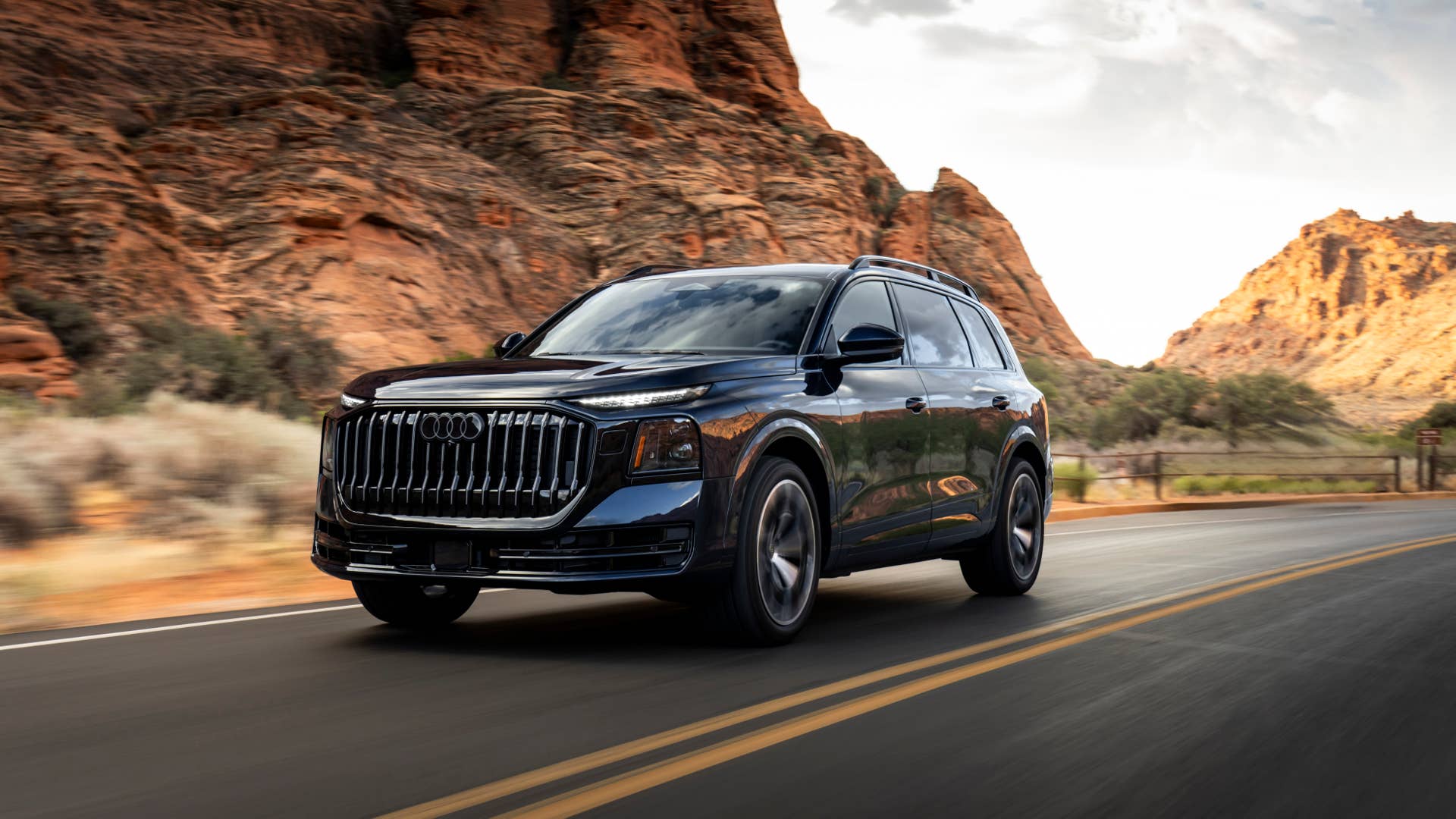
Audi
Damage Control
As of this writing, Toyota imports several models into the U.S., including the 4Runner, bZ, Tacoma, and certain RAV4 variants. Tariffs also affect imported parts and components used in U.S.-built vehicles, adding to the automaker’s overall costs. To offset some of these expenses, the company is pursuing government refunds, negotiating with suppliers, increasing domestic sourcing, and implementing other cost-cutting measures. It expects these efforts to reduce its projected tariff costs by approximately $1.3 billion this fiscal year.
Ingle also cautioned that the current USMCA trade conditions could make North America less competitive against China, whose automakers remain largely absent from the U.S. market but are gaining significant ground elsewhere in the world.
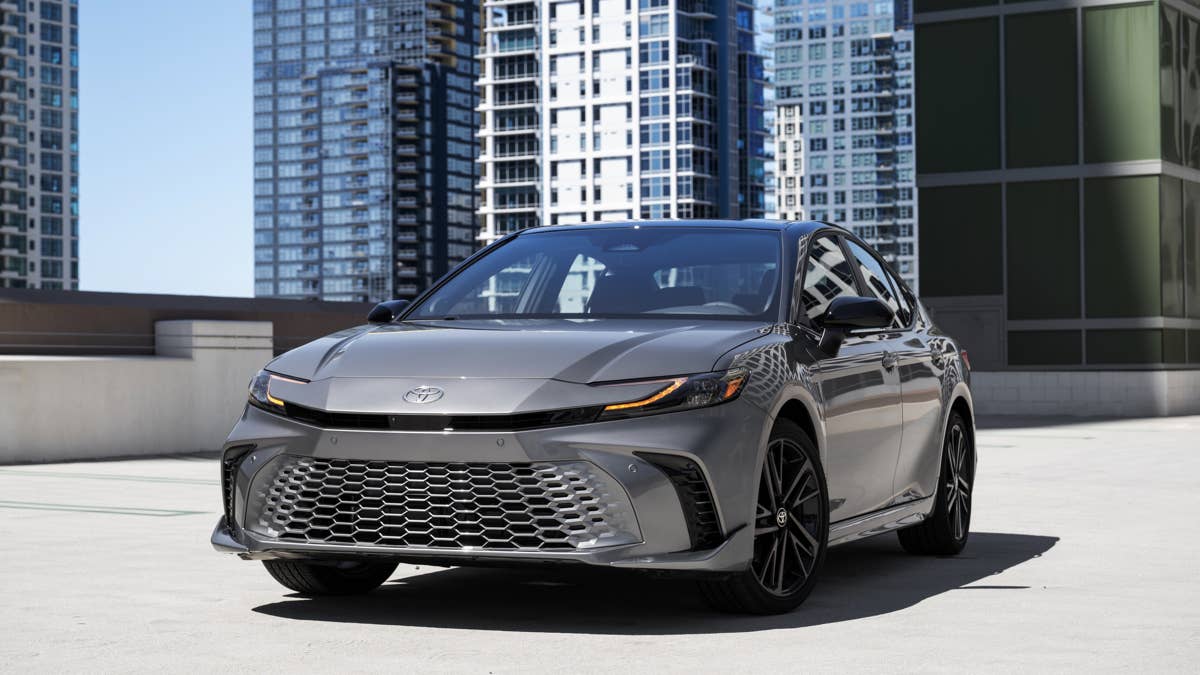
Toyota