Tesla Says the Cybertruck Isn’t Going Away Because of Profitability
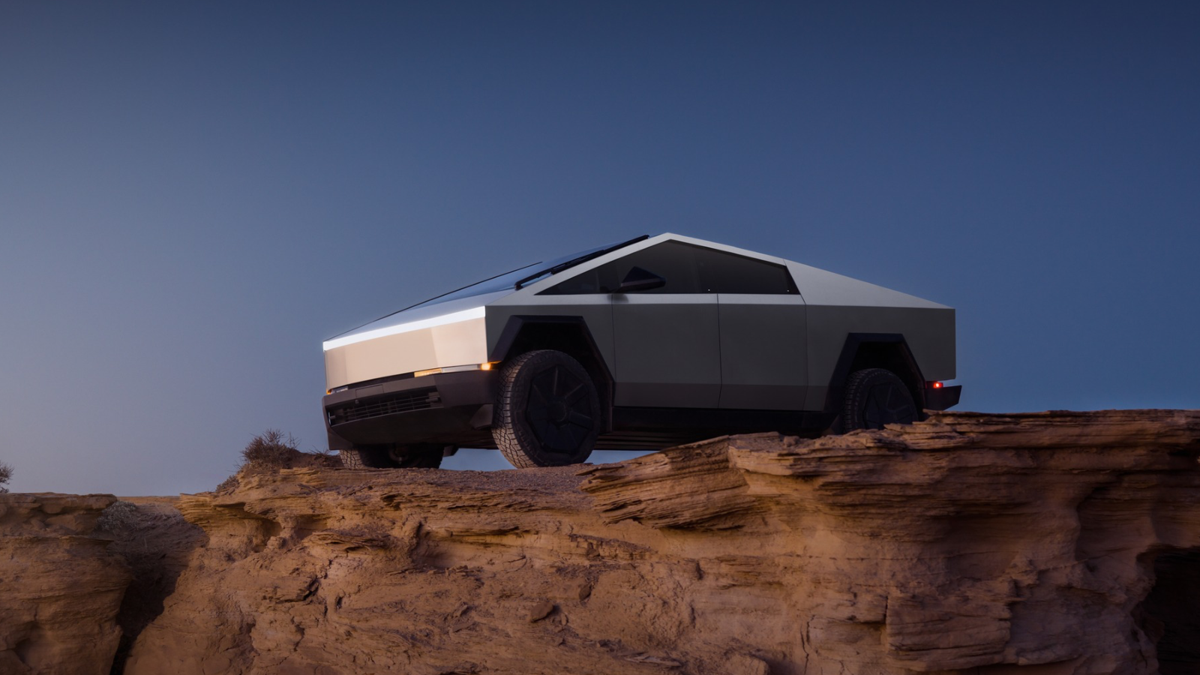
After just a few years on the production line, Elon Musk has effectively called time on the Cybertruck. The stainless steel electric pickup is expected to meet its maker around the middle of 2027, with Tesla planning to wind down production at Gigafactory Texas to make room for its upcoming Cybercab.
Reports said that the Cybertruck’s swan song is due to sales numbers that never quite left the launch pad. Despite Musk’s sky-high targets, the pickup’s oddball looks haven’t exactly won over the masses.
However, Musk claims there’s another reason behind the move. In a recent post on X, the Tesla CEO said the Cybertruck’s order rate actually exceeds the company’s production rate. He also pushed back against reports suggesting that the pickup is being discontinued because it isn’t profitable.
According to Musk, the real issue is the opportunity cost of continuing to manufacture the complicated electric pickup when those same resources could be used to produce more Cybercabs.
In other words, Tesla believes it has something more important to build.
The Cybertruck order rate far exceeds our production rate. We will try to make as many as possible before shutting down the line in about 8 months, but will have to return deposits for a lot of people.
This is not a case of Cybertruck being unprofitable, as has been misreported… https://t.co/rGmNKV3ILs
— Elon Musk (@elonmusk) November 9, 2026
Tesla Will Still Try to Fulfill Orders, But Refunds Are Coming
Interestingly, Tesla isn’t immediately pulling the plug on Cybertruck production. Musk previously announced that the company would add another production shift at Gigafactory Texas to help clear its existing order backlog before the assembly line is dismantled.
But even with the extra shift, it might not be enough. Musk admits Tesla will crank out as many Cybertrucks as it can over the next eight months, but plenty of hopeful buyers will end up with nothing but a refunded deposit.
This means some reservation holders who have been waiting for their electric pickups may never get the chance to take delivery.
The development is a little unusual considering that Musk claims demand exceeds production capacity. However, it also highlights the limitations of Tesla’s current manufacturing setup and its decision to prioritize a different vehicle.
The Cybertruck’s time on the assembly line has been short and not-so-sweet. Despite the early hype, US sales limped to just 20,237 units in 2025, a 48% nosedive from the year before, per Kelley Blue Book. For reference, Musk once dreamed of 250,000 Cybertrucks rolling out each year. Right now, that’s about as likely as seeing one parked on the moon.
Tesla
Cybercab Is Becoming Tesla’s Bigger Priority
Tesla’s move starts to make sense when you look at Musk’s big-picture dreams. He’s been banging the drum for a future where Tesla is less about selling EVs and more about unleashing robotaxis on the world, with the sci-fi-inspired Roadster the only Tesla in the future with manual controls.
Enter the Cybercab: an EV built for robotaxi duty, ditching old-school stuff like steering wheels and pedals. Tesla wants to get these on the road by the end of 2026, though the red tape is still thick. Tesla’s also planning to run a big chunk of its Cybercab fleet as a ride service, not just sell them off to private owners. That could mean a whole new cash cow for the company.
Musk’s spin doesn’t wipe away the Cybertruck’s commercial bellyflop. Sales have missed the mark by a mile, and building the thing has been a headache from day one. Still, Tesla’s pivot to robotaxis shows the company is betting on a very different future.
Maybe the Cybertruck isn’t losing money, just losing its spot in the lineup. Whether the Cybercab can actually live up to Tesla’s robotaxi hype is anyone’s guess. For now, the Cybertruck is the latest casualty of Tesla’s changing ambitions.
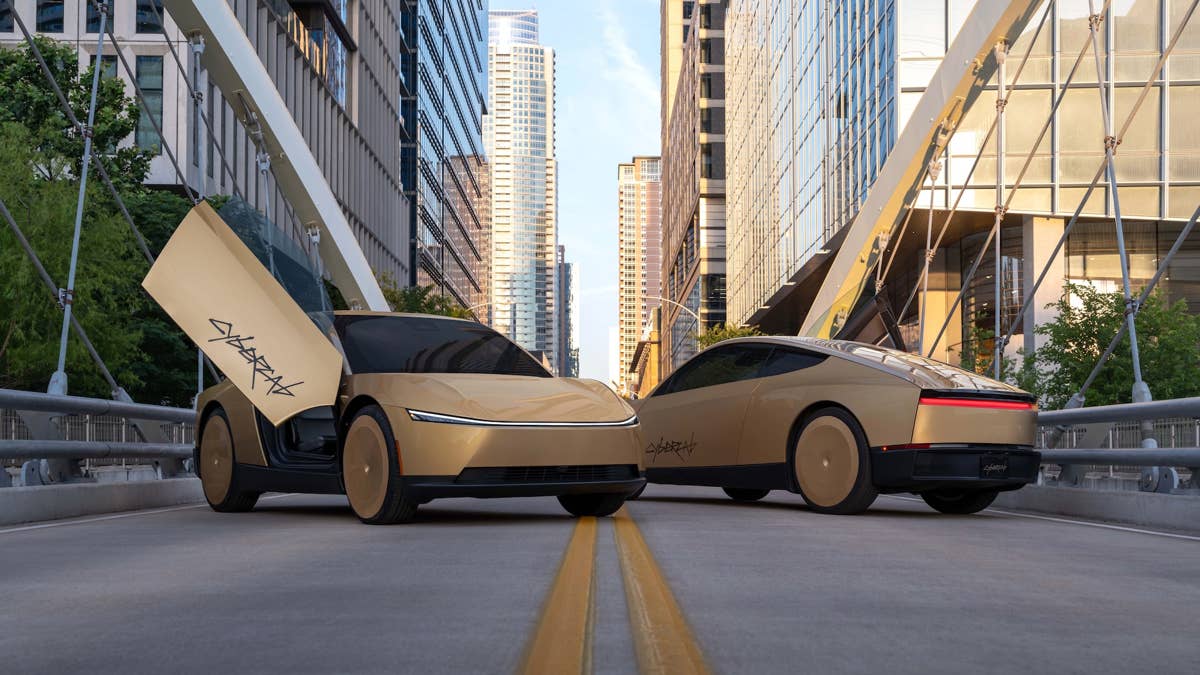
Tesla