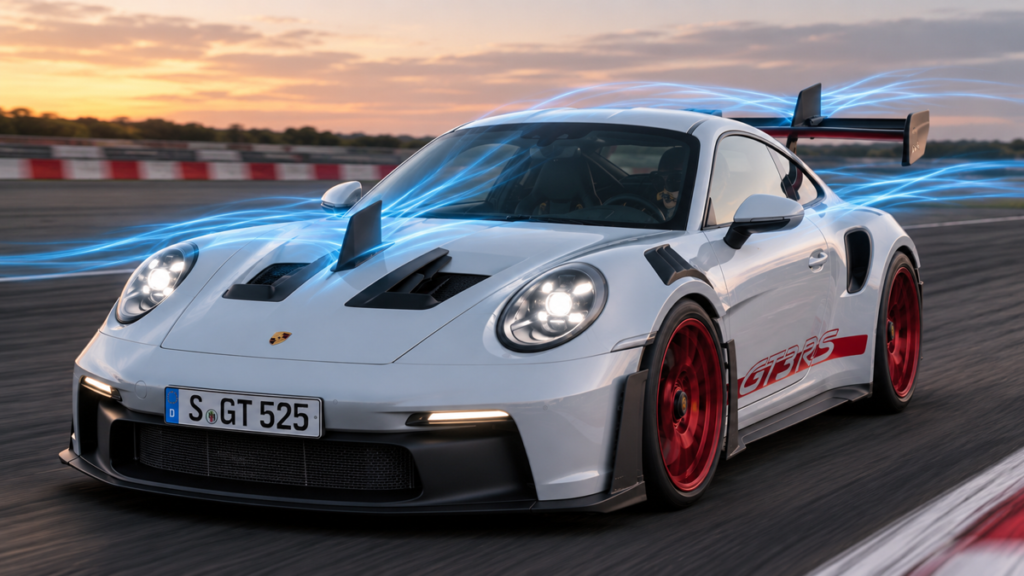
Porsche is exploring an unusual way to improve cornering performance, and it involves borrowing an idea from boats and aircraft. A new patent describes two movable aerodynamic surfaces, one at the front and another at the rear, designed to generate sideways force and improve stability through corners. Whereas traditional aerodynamics like spoilers, wings, canards, and splitters push the car harder into the road, Porsche wants to use the airflow around it to help influence its direction.
Porsche’s New Rudders Could Change How Its Cars Corner
Porsche
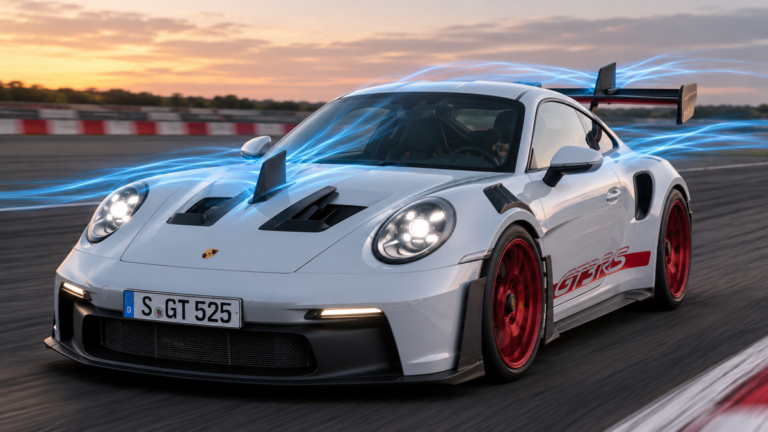
A rudder is essentially a flat, movable blade, almost like a fin, used to control direction. You’ll typically find one at the rear of a boat or aircraft. As explained by CarMoses, Porsche wants to apply a similar principle to its cars, using vertically mounted surfaces that can rotate to change how they interact with the airflow. At low speeds, the rudders would likely be pointless, but when travelling at high speeds, even the smallest details can have drastic effects. After all, the current 992-generation GT3 RS already generates 1,895 lbs of downforce at 177 mph.
The proposed system would allow the front and rear rudders to move independently, generating different amounts of lateral force depending on the car’s handling needs. This could help reduce understeer or improve rear-end stability, while their coordinated movement could also help counteract body roll.
Not Your Average Downforce Trick
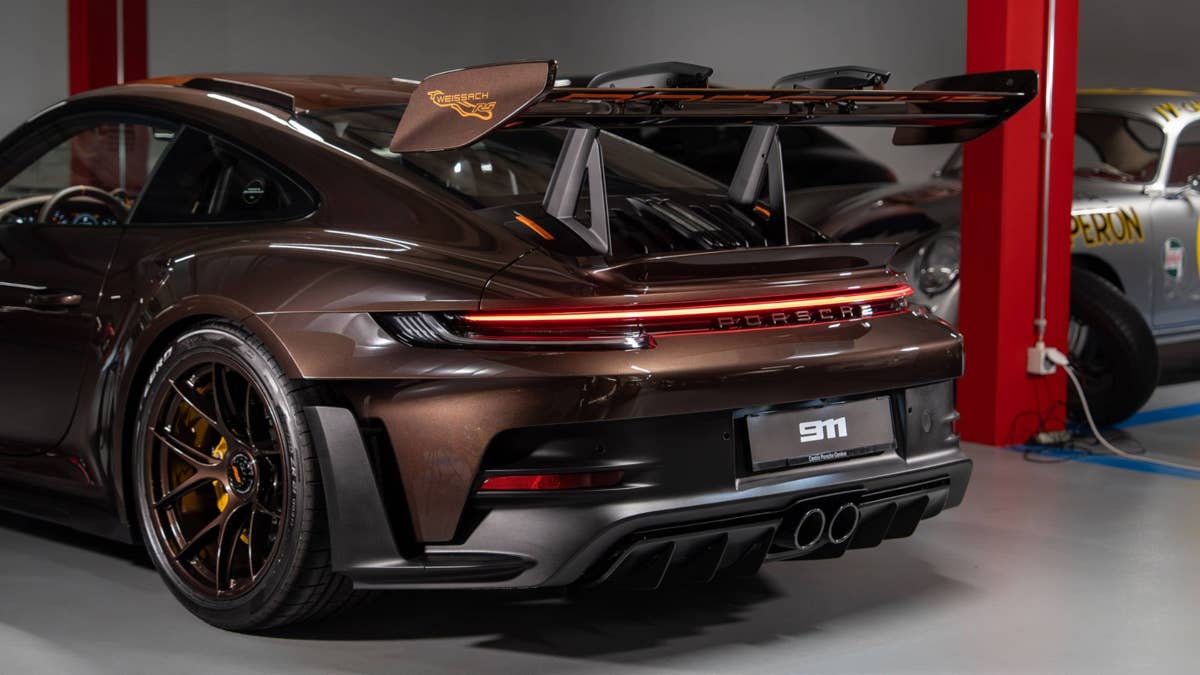
We’ve seen some innovative active aerodynamics on cars like the Pagani Huayra, which had four independent active aerodynamic flaps, and the Zenvo TSR-S, which had a gargantuan centripetal wing that pivoted. Even Ferrari is experimenting with rear wings that bend.
That said, whereas the Huayra’s movable flaps adjust aerodynamic balance and the TSR-S shifts downforce across its rear axle, Porsche’s proposed rudders are designed to generate lateral force directly. The distinction matters because adding more downforce eventually reaches a point of diminishing returns, as the tires approach their limits.
Porsche Could Put Rudders Underneath Its Cars, Too
Manthey Racing
The patent describes a rudder mounted near each axle, although Porsche’s proposal is not limited to this arrangement. The company also describes the possibility of installing additional rudders, including underneath the vehicle, with multiple units assigned to either axle.
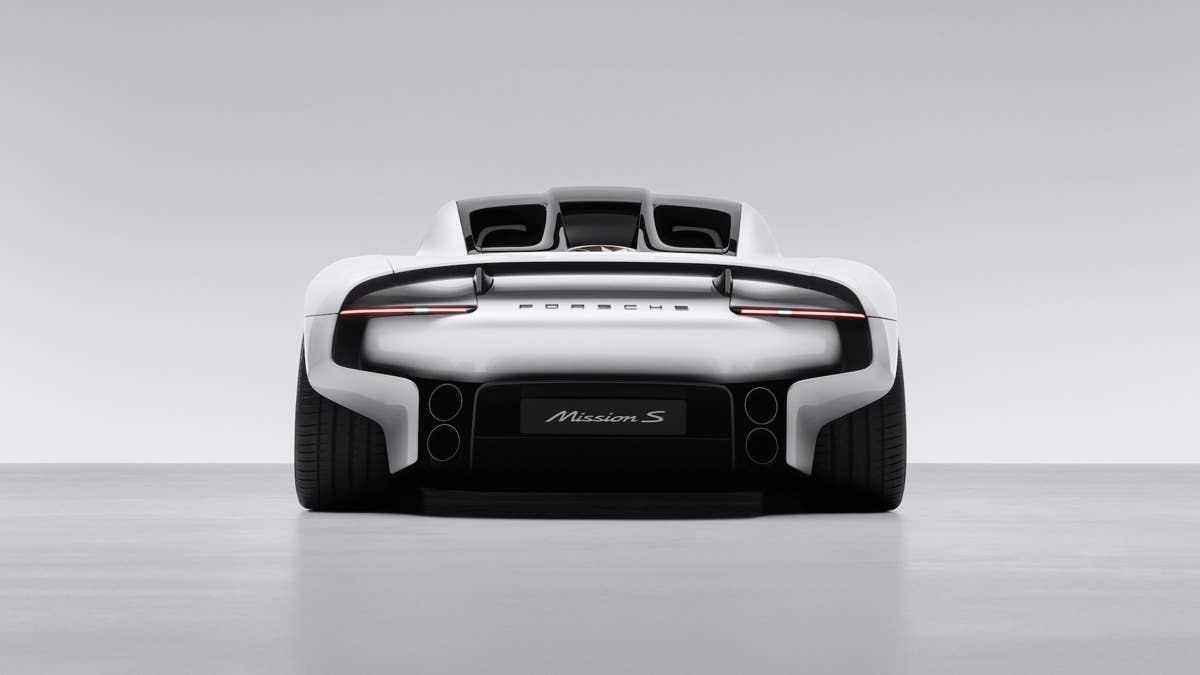
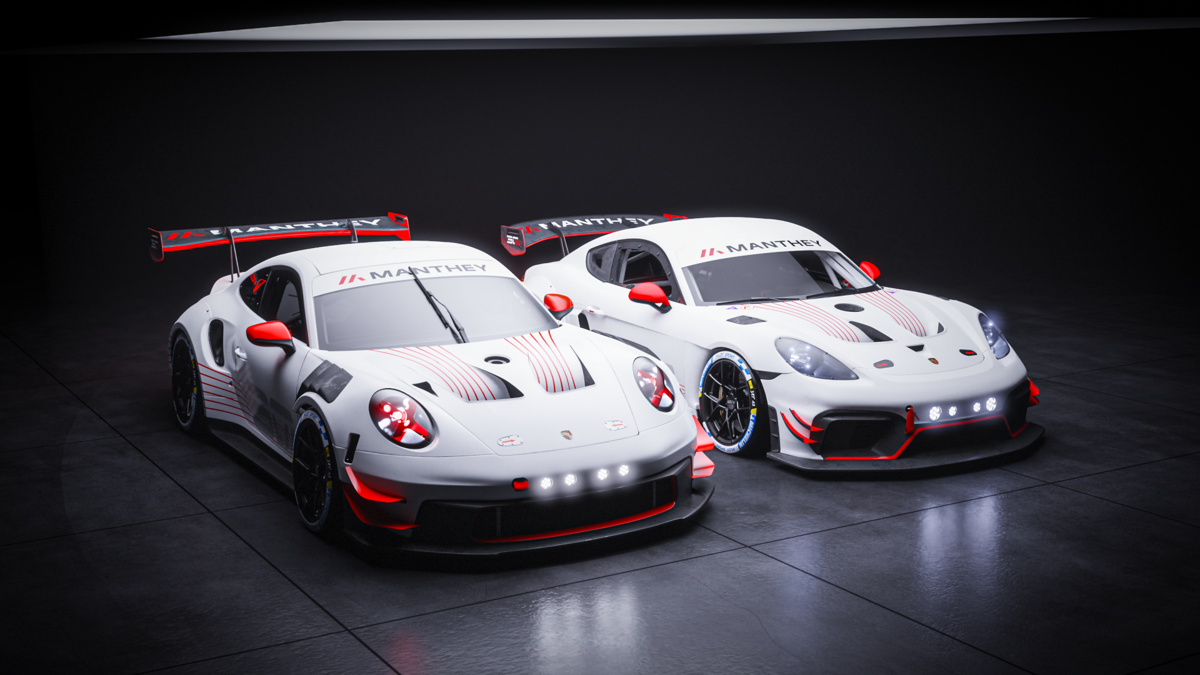
The patent doesn’t identify a specific model, but it’s difficult to imagine this technology appearing on a Macan, Cayenne, or even Cayman. A performance-focused 911, potentially a future GT3 RS or a full-blown racing version, seems like a more natural home for such an unusual aerodynamic setup. Porsche’s recently revealed Mission S also offers an interesting glimpse into the brand’s future sports-car ambitions, though no confirmed connection links the concept and this patent. Whether the rudders ever reach production remains to be seen, but Porsche clearly isn’t finished exploring innovative ways to make its performance cars corner faster.