Tightening the Belt
Mercedes-Benz isn’t in trouble per se, as it’s still in the black, but sharp drops in earnings have raised alarms that have been getting louder and louder each day. Its situation in China greatly contributed to the troubles, as the market share of legacy automakers there continues to slide. Its strategy of lower volume and higher profit didn’t pan out in the way it wanted to, and its early EV models had failed critically and commercially. Tariff penalties have eaten considerably into earnings as well.
The company simply can’t sit on its hands for longer, and it needs to turn the ship around quickly to avoid further crises. With that come the cost-saving measures as part of the overall plan to stop the profit drops. One of the plans was to implement labor cost cuts, but recently, talks fell through, putting the brand in a tight spot.
Mercedes-Benz
Failed Union Talks
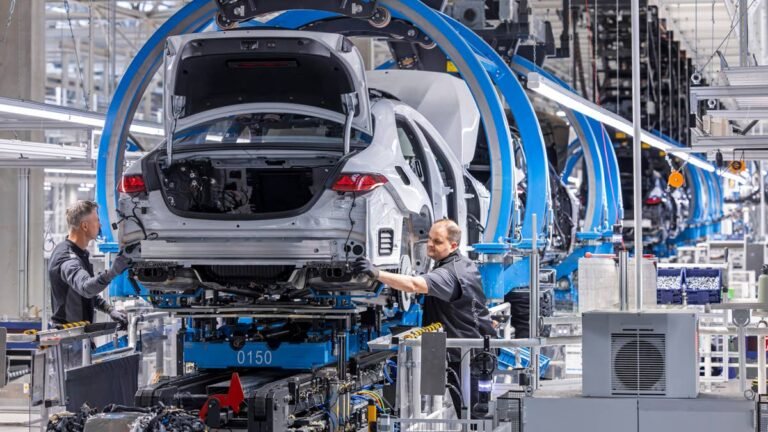
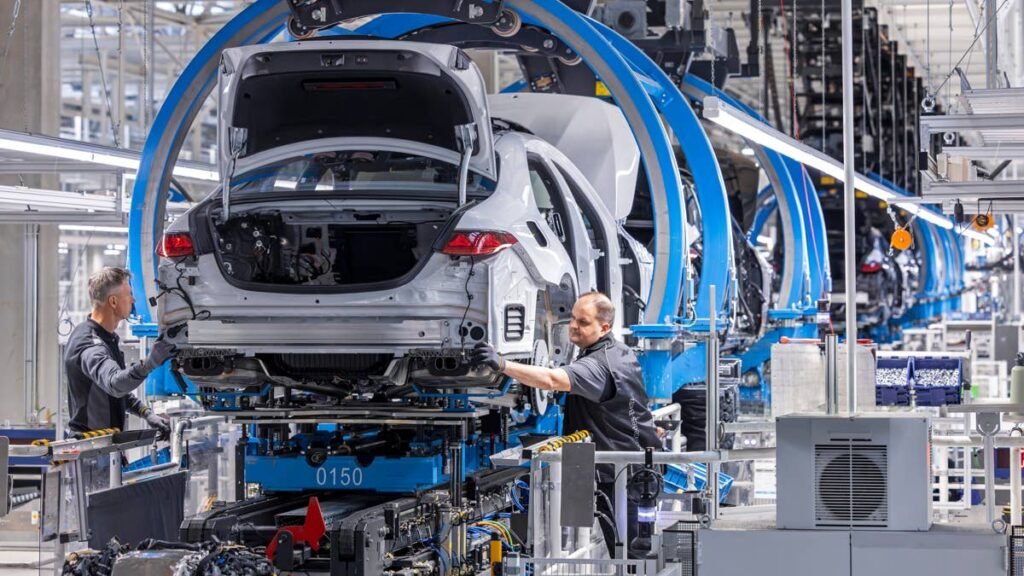
It’s no secret that labor costs in Germany are higher than building, say, in the U.S. or Mexico. But as much as Mercedes wants to keep building more cars in its fatherland, it’s becoming increasingly more difficult and costly to do so. To keep its Made in Germany tag, the company made negotiations with its workers’ council to find a middle ground.
In a previous story, it was said that Mercedes may be forced to close one or two plants if no progress is made. It rubbed the union the wrong way, with one representative saying, “Threatening plant closures is no way to shape the future. Anyone who resorts to such threats must expect our determined resistance. If the management board believes it can pressure employees with the ultimatum of ‘concessions or plant closures,’ our answer is a clear ‘not on our watch’.”
Now, those talks have fallen through, per a report from Reuters. With that, the possibility of plant closures, the one the workers’ council wanted to avoid, now looms closer in the company’s rear-view mirror.
Mercedes-Benz
Extreme Measures
So, what’s the company going to do about it? Mercedes-Benz chief of production Michael Schiebe reportedly said in a memo that management has “jointly decided to halt all further investments in our German locations.” In other words, its facilities in the home market won’t be seeing many upgrades until such time as its financial situation improves.
As for the plant closures, “We all want to avoid plant closures at all costs. Unfortunately, however, we must now explore this option in more detail,” said labor director Britta Seeger. Prior to that, Schiebe said it will close two lines in Germany if push comes to shove. The facilities in danger have yet to be named.
Mercedes-Benz
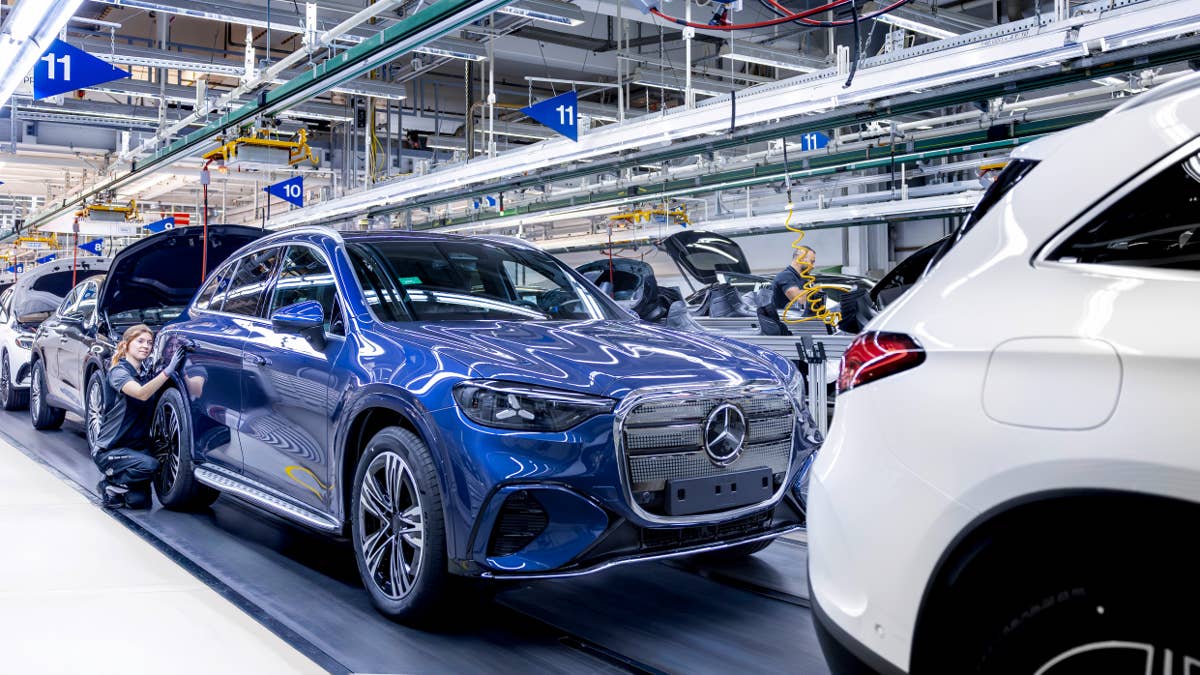
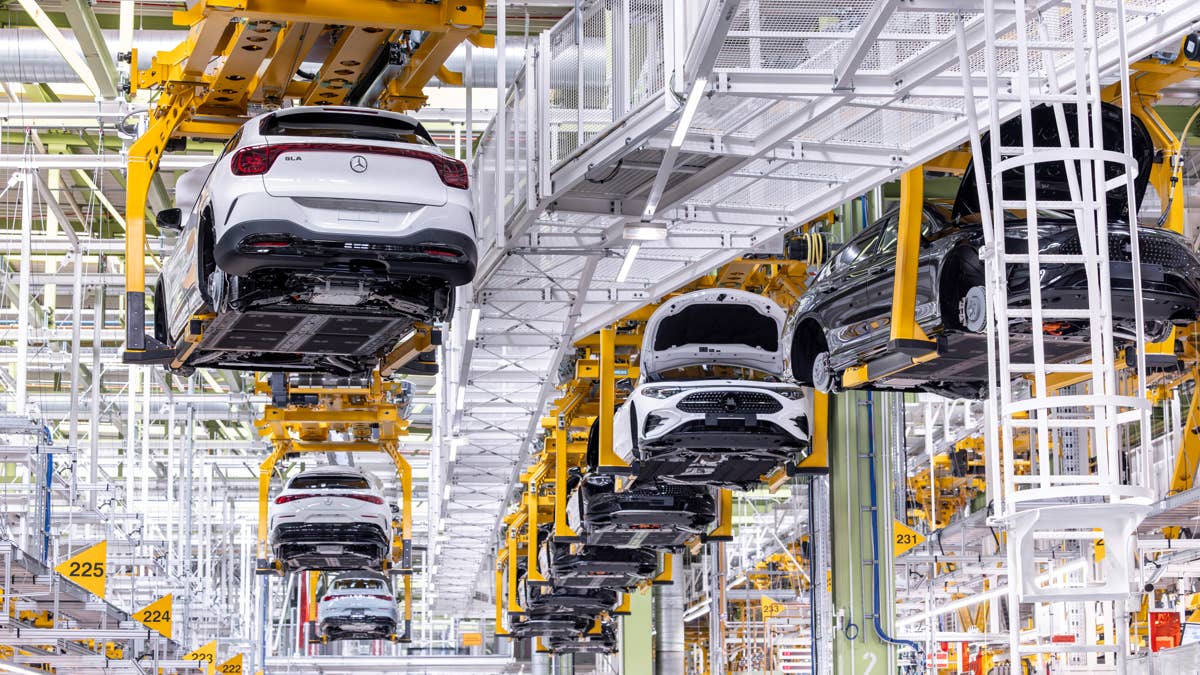
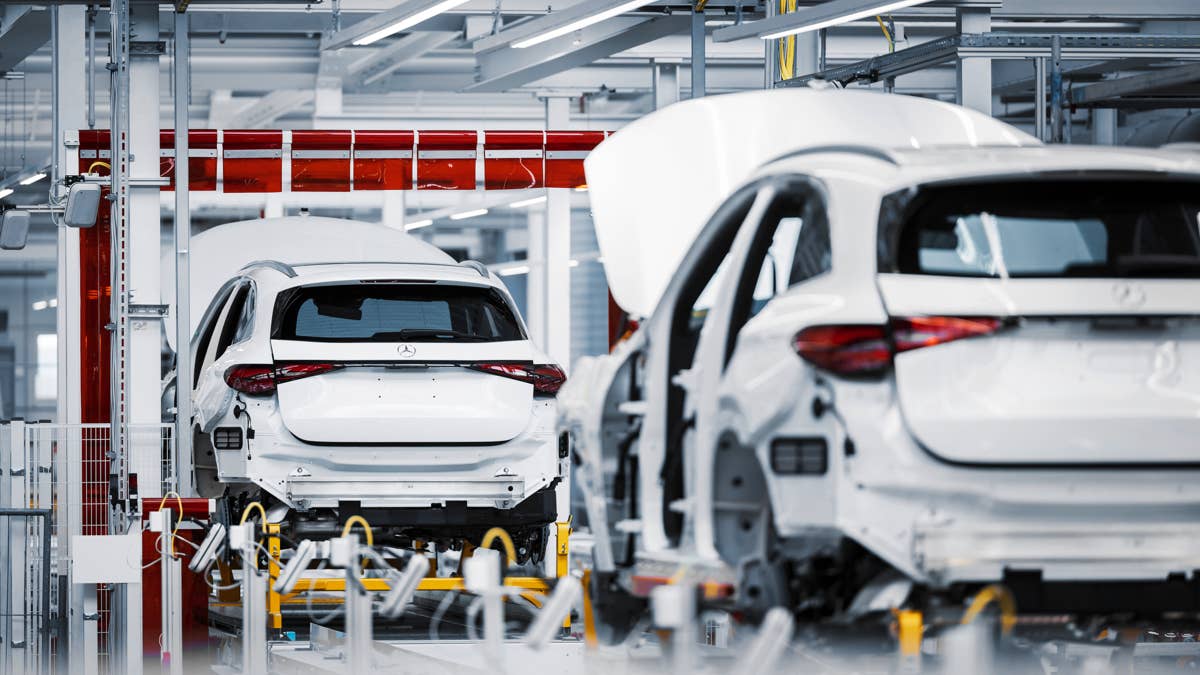
Mercedes-Benz has three vehicle assembly lines and seven powertrain facilities in Germany. The company said it might have to close one main vehicle assembly plant and one powertrain line if it doesn’t reach its cost cutting and productivity targets. For reference, the Sindelfingen plant is for mid-size to higher-end models, Bremen for compact, and Rastatt for entry-level.
Mercedes has a monumental challenge ahead of it. Not only does it have to shave off costs, it also has to keep its workers happy, keep morale up, and continue vehicle development and launches with all of this happening in the background. It won’t be easy, but painful decisions will have to be made for the future’s sake.
Mercedes-Benz