Pity the parent trying to pull the plug on YouTube, Netflix, or Disney Plus mid-video. The tears! The world-ending wails!
Hank Green, host of popular YouTube channels Crash Course and SciShow, has been that parent. A longtime science educator and the co-creator of VidCon, Green has fought his fair share of “turn it off” battles with his son.
“These systems are designed to keep kids watching,” he says of advertising-based platforms like YouTube and TikTok. “They don’t have any incentives to even consider designing a ‘stop’ experience.”
But parents, on the other hand, are highly incentivized to seek out an alternative to the endless scroll of sometimes questionable content that streams to family devices. Green hopes they will give his new venture, ClockwiseTV, a chance.
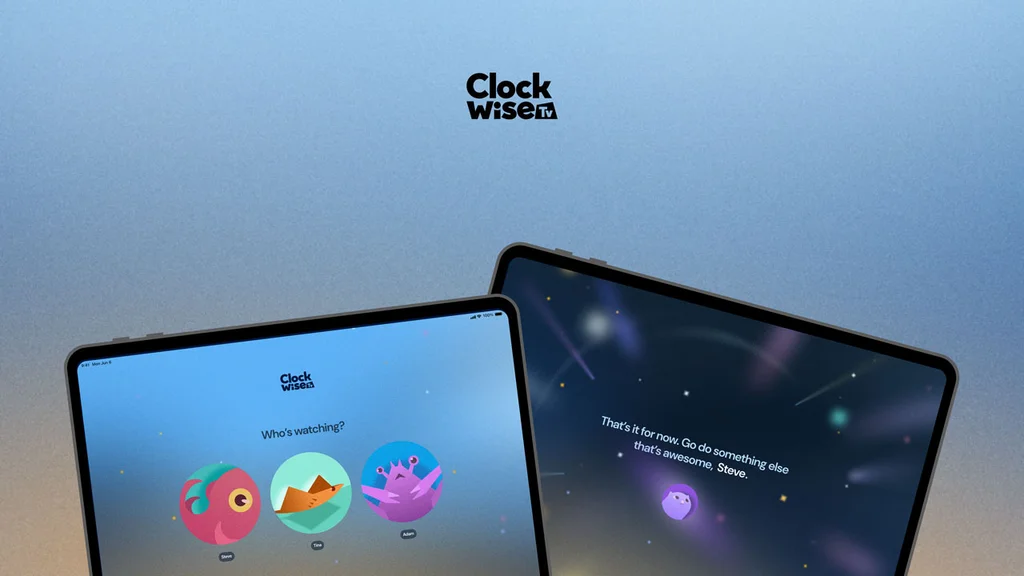
Launching publicly today, ClockwiseTV is a subscription-based app featuring curated creator videos for kids ages 8-12. Parents establish a session length when opening the app; once kids start watching, ClockwiseTV helps them pick a video sequence that concludes when their session concludes.
The app’s constrained choice philosophy extends to the video selection experience. Instead of infinite options, ClockwiseTV presents kids with a menu of just a dozen videos at a time, based on their interests (animals, space, history, etc). Each video has been vetted by a human and scrubbed of any inappropriate language. Creators in the initial library include Animal Wonders Montana, NerdForge, Crash Course Kids, and MinuteEarth.
At launch, a subscription costs $6.99 a month or $69.99 a year. There are no ads, and the app is compliant with the Children’s Online Privacy Protection Act, or COPPA.
No autoplay, no rabbit holes
ClockwiseTV joins a growing array of products designed to keep kids entertained without algorithms or ads. For screen-free audio content, there are Yoto players and Tonie boxes. For kids who want to gab with their besties, there is the Tin Can phone, which mimics the experience of a landline for an approved set of friends and family. There are even sticker printers that use AI to turn kids’ ideas into black-and-white stickers they can color and decorate.

Green says he’s been working on ClockwiseTV for about a year. The decision to focus on tweens stems from his own experience as a parent. “My son is this age, so that’s part of it,” he says. “There’s a kind of no-man’s-land of content where it’s like, you’re done with Mr. Rogers, here’s all of YouTube. I think that’s probably not the right way to do it.”
Over time, he adds, ClockwiseTV may pursue “other slices of the pie” and expand its target audience.

More than half of children own a smartphone by age 11, according to Common Sense Media’s 2026 census. The average tween spends five hours a day watching entertainment on a screen, the census found.
Leslie Morgan, who has worked in digital media with creators for more than a decade, joined ClockwiseTV as CEO in January. Like Green, she hopes to help parents avoid the internet’s darker corners. “There are no rabbit holes, there’s no autoplay,” Morgan says of the app.
Incentivizing kid-friendly creators
ClockwiseTV is paying creators to license their content. “A lot of these creators would love to get in front of a younger audience, and it’s not financially viable,” says Morgan, explaining that labeling content as “made for kids” on YouTube typically lowers creators’ AdSense revenue. “For them, it doesn’t make economic sense.” With ClockwiseTV, she argues, creators can access new audiences and supplement their income from other platforms.
When I watch YouTube with my kids, it’s often a stressful experience. Typically they’ve requested to revisit a favorite video that, in their view, is very specific (“the tap dancing man in the hat!”). It’s up to me to weed through a confounding list of thumbnails and keyword-optimized titles, searching for an elusive winner, while they squirm impatiently.
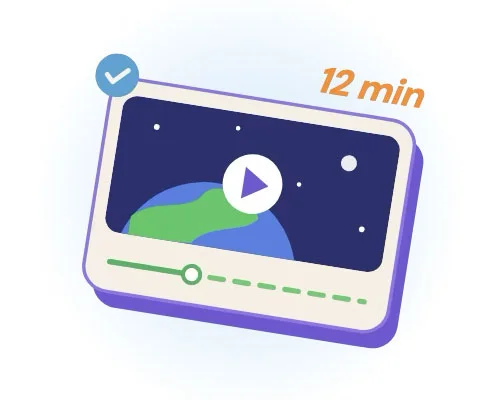
ClockwiseTV, in contrast, is built to reward parental trust. I told the app that my son was interested in history videos, and had just 15 minutes to watch. The app suggested a short video about fossils and a slightly longer video about hunting for 50 million-year-old shark teeth. Both were educational and engaging.
“That’s it for now,” the app announced when the allotted time was up. “Go do something else that’s awesome!”
I found myself wishing that Instagram would tell me the same thing.