Over the past decade, waking up on Christmas morning with kids involved a cacophony of beeping robots, singing plush toys, and gadgets flashing every color of the rainbow. (Until somebody quietly “lost” the batteries.)
For years, toy makers have packed their products with tech designed to keep kids engaged. Tablets autoplayed the next episode, and apps were engineered to keep kids hooked. But parents have had enough, especially after a growing pile of research has linked heavy screen use to all kinds of problems in children. Families are now hunting for ways to help their kids slow down and regulate their nervous systems.
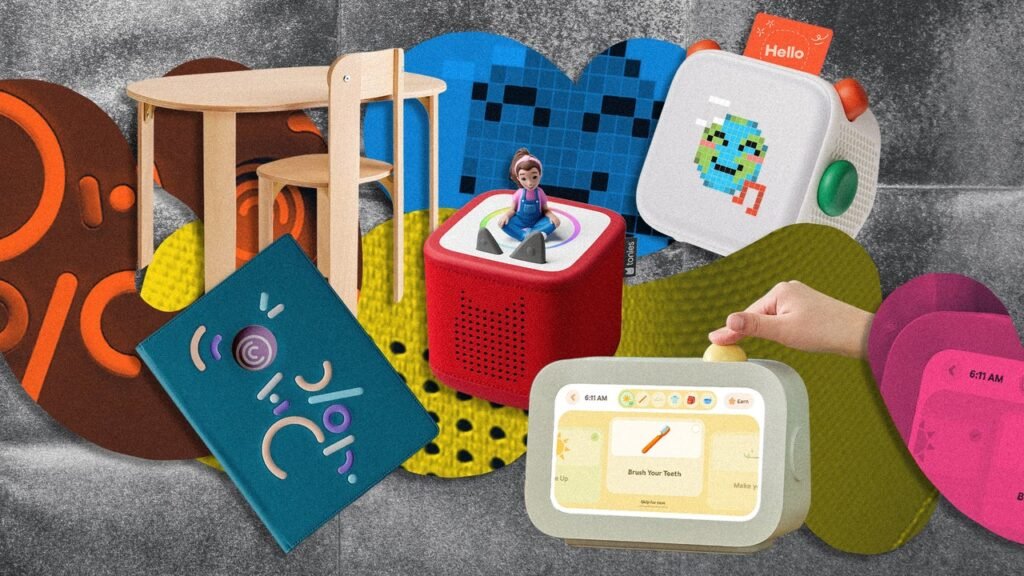
But there’s a growing consensus among scientists and developmental psychologists that the problem isn’t technology itself; it’s that companies are engineering these devices to addict kids. And a new generation of toy designers is flipping the script. They’re incorporating technology to calm kids down, rather than rev them up, swapping out feeds and autoplays for calming music and stories. This new “quiet tech” movement has produced some of the most innovative products on the market.
For this year’s guide, I rounded up my favorite examples of gifts that soothe instead of overstimulate. Most are completely screen-free. I’ve arranged them to follow the arc of a kid’s day, from the first yawn to lights out. Your own nervous system may thank you, too.
Getting Out the Door Without a Meltdown
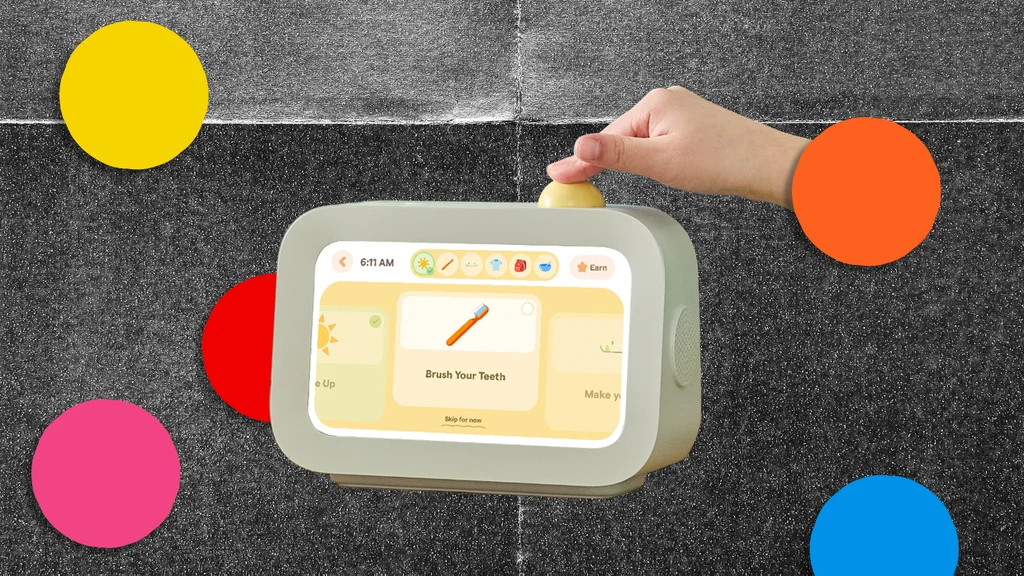
Skylight, Skylight Buddy, $139.99 (plus $39 per year for Buddy Plus after the first free month)
In many homes, mornings are incredibly stressful, as parents struggle to get kids to do the most basic tasks to get out the door on time. Skylight Buddy was created to solve this problem.
It’s a small bedside device featuring a friendly character that walks kids through their morning, after-school, and bedtime routines. Buddy is also an alarm clock, a night-light, and a white noise machine that shuts off on its own in the morning. Its OK-to-wake light changes color so a kid knows they can get out of the room and wake the rest of the family up. The optional Buddy Plus plan adds star rewards, a visual timer, and messages from parents that Buddy reads aloud. It’s designed for ages 4 to 10.
The Calm of Knowing What Happens Next
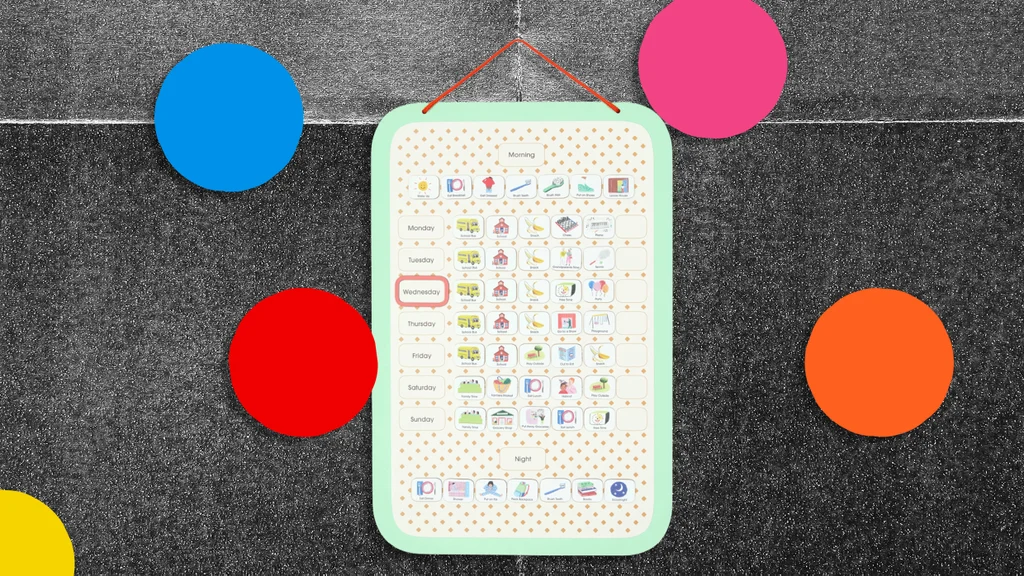
Charmspring, SpringboardGo Large, $95
Research shows that kids feel calmer when they know what’s coming next in their day. Charmspring’s SpringboardGo is a magnetic board that maps out a child’s day and week, with 194 magnetic tiles that show different tasks and activities, like “brush teeth” and “school.” Kids can help create the schedule, which helps them feel empowered. It’s a lighter, more compact version of the brand’s original Springboard, so it fits in smaller spaces. It also arrives in gift-ready packaging, which is one less thing to wrap.
Say Bonjour
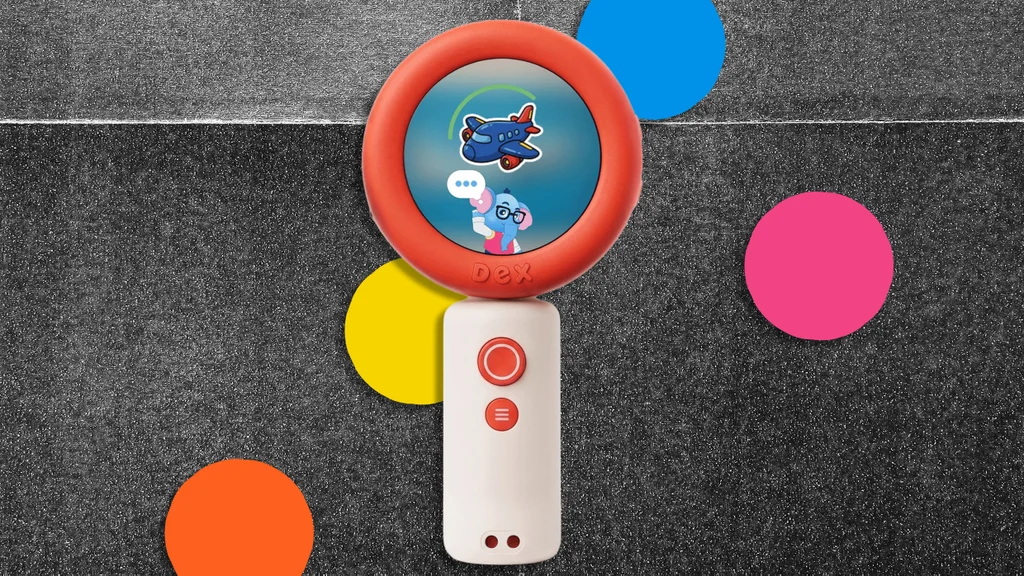
Dex, Dex Language-Learning Camera, $249
Dex is a kids’ camera that doubles as a language tutor. Kids point it at everyday objects (an apple, a passing fire truck), and Dex will translate the word into the language they’re learning. If they snap a picture of the object, it adds more details like color, shape, and what the thing does. Dex covers 16 languages and more than 30 dialects, from Spanish and Mandarin to Hindi and Arabic, with levels from beginner to advanced. It has a small touchscreen, but the whole point is to get kids looking up at the world. It’s designed for ages 3 to 8.
No Opening Until Wheels Up
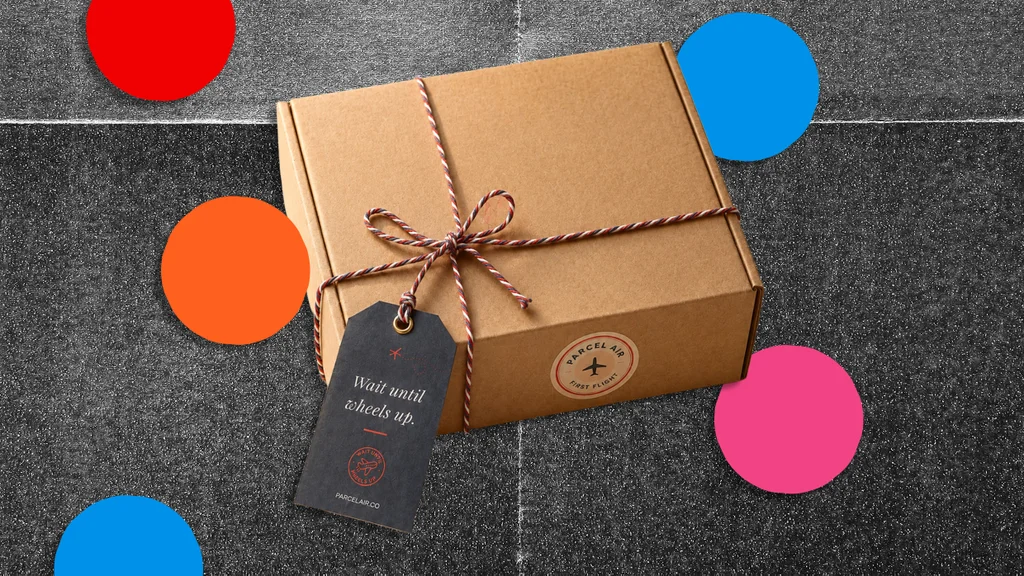
Parcel Air, Airplane Box, $68
Flying with kids can be a nightmare. Most parents resort to handing them a tablet and declaring unlimited screen time. But Parcel Air’s boxes are designed to create hours of screen-free entertainment for short and long-haul flights.
Each box holds four hand-numbered parcels wrapped in kraft paper and twine. Kids open them one at a time, and only once the plane is in the air. The boxes come in four age ranges, from 2 and under up to 8. The Navigator, for ages 6 to 8, includes a gear-building machine, an explorer’s book, group trivia, and a rocket to build on the descent. Younger kids get magnetic blocks, crafts, and finger puppets.
(Road-tripping instead? The Carpool box, from $38, is filled with toys that won’t scatter across the back seat.)
A beautiful spot to do activities
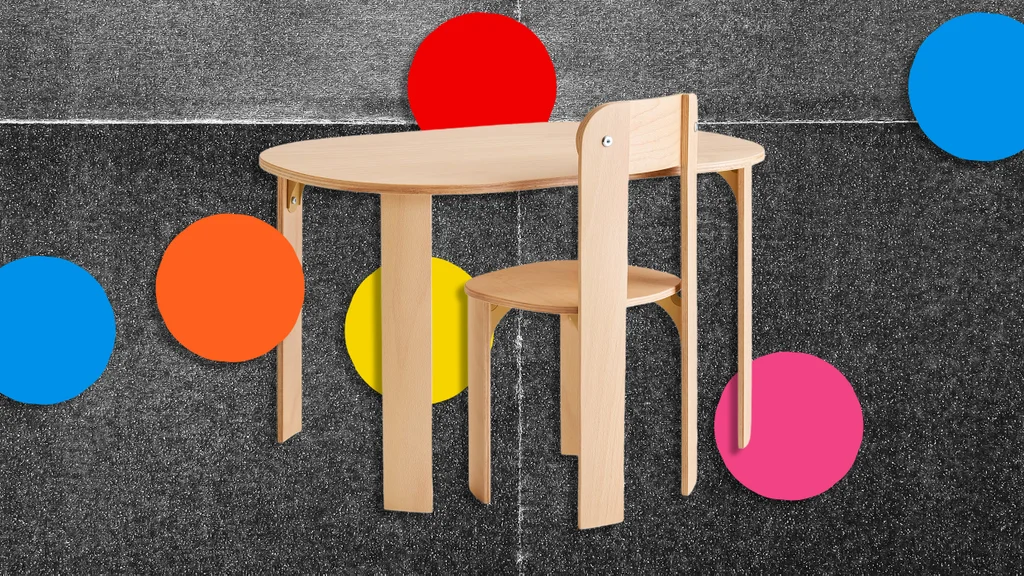
Piccalio, Arcc Kids Table & Chair Set, from $469
Calm kids need a quiet space in the home to come back to. Piccalio’s new Arcc set, designed by the celebrated furniture designer Hanne Willmann, aims to give little ones their own spot for drawing, puzzles, and snack time.
While many play tables are painted in primary colors and emblazoned in cartoon characters, this set takes its cues from 1970s Scandinavian modernism. It’s made of bent beech plywood with soft arches and rounded edges, and it comes in beech, walnut, tomato, or powder blue.
It’s also Montessori inspired, which means the furniture is scaled to a child’s body so they can climb in and get to work on their own. It’s a splurge, from $469 for a table and one chair up to $999 for four chairs. But it’s handsome enough that you won’t mind it in the living room or kitchen. It’s available for preorder. It’s designed for ages 3 to 6.
Small Beads, Big Calm
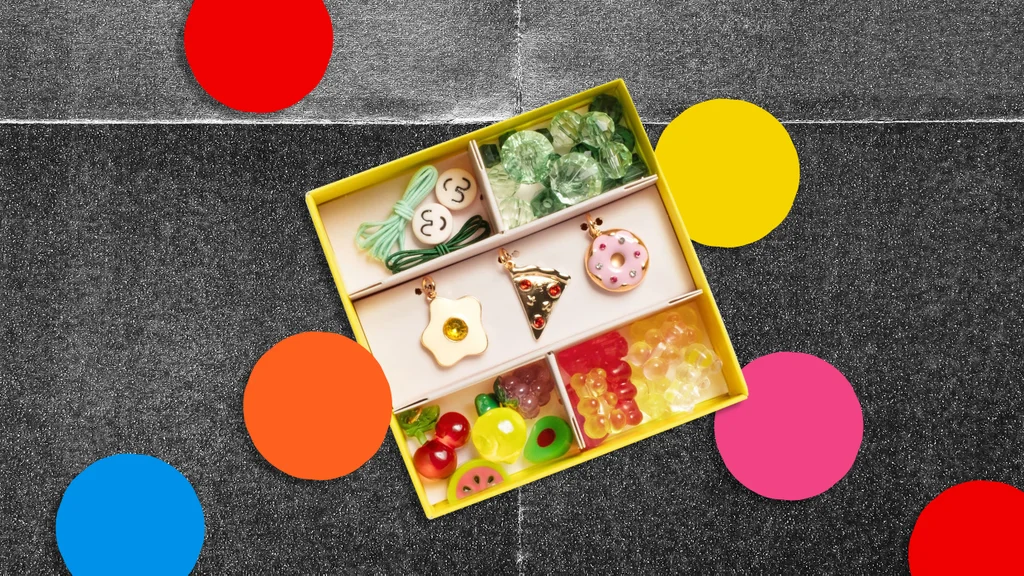
Super Smalls, Make It Yummy Mini Bead Kit, $22
There’s something very soothing about threading beads onto a string, one at a time. Super Smalls, founded by the former fashion magazine editor Maria Dueñas Jacobs, makes some of the most charming bead kits around. My favorite is the Make It Yummy mini kit that comes in a palm-sized box with food-related beads and three charms (an egg, a slice of pizza, and a donut), plus enough stretchy cord for a necklace and a bracelet, or three bracelets. It’s a perfect stocking stuffer.
If food isn’t your thing, it comes in plenty of other themes, including fruit, rainbows, ocean, outer space, and a Make It Mazel version with Jewish charms like a chai and a hamsa. Kids who catch the bug can graduate to the Super Entrepreneur Bead Kit ($75), which has more than 630 beads, 25-plus charms, and jewelry cards and stands so they can set up their own shop. Designed for ages 3 and up.
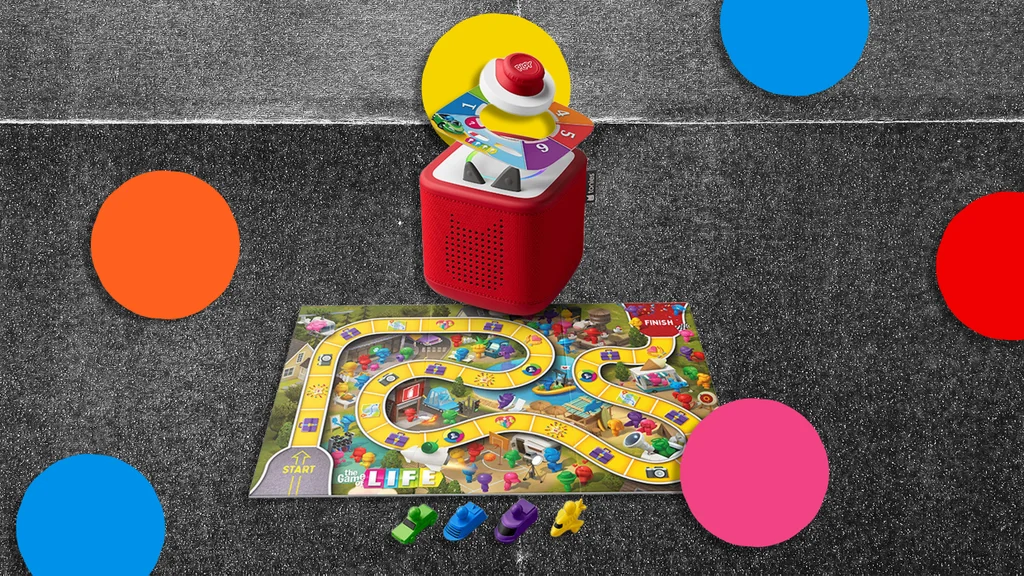
Screen Free Gaming
Tonies, Tonieplay Games, $24.99 each; Tonieplay Controller, $14.99 (requires Toniebox 2, from $139.99)
The Toniebox, the beloved cube that plays stories when kids set a figurine on top, has a new trick. The latest version of the device allows kids to play screen-free games. Thanks to clever design, the games operate on audio commands and a small dial-shaped controller that allows kids to make choices or select answers.
This year, Tonies teamed up with Hasbro to create audio versions of three classics: The Game of Life, Guess Who? and Monopoly. Kids can play by themselves or with others.
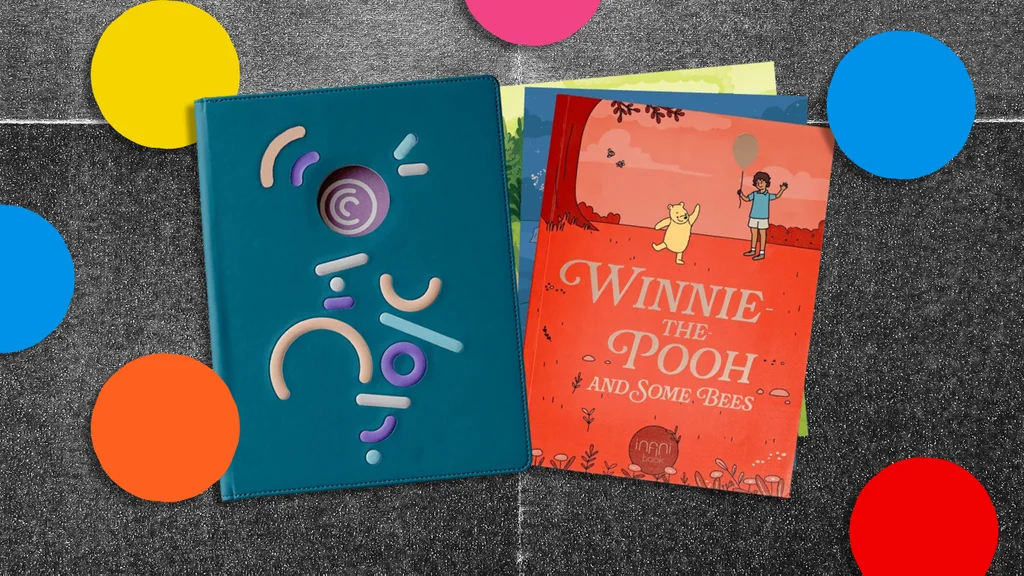
The Book That Reads Along
Cali, Cali Reader + 3 Stories, $99
Cali Reader looks and feels like a real book but, like magic, it reads stories aloud to kids. The child begins by snapping a 32-page paper storybook (like The Three Little Pigs or Winnie-the-Pooh) into the reader and pressing the pages to hear the story read aloud as they follow along. Each book comes with three games and word-recognition activities designed by educators, so it can help children build reading skills. In a small pilot study, first graders who used it made bigger gains in phonics, fluency, and vocabulary than a control group. Designed for ages 3 to 6.
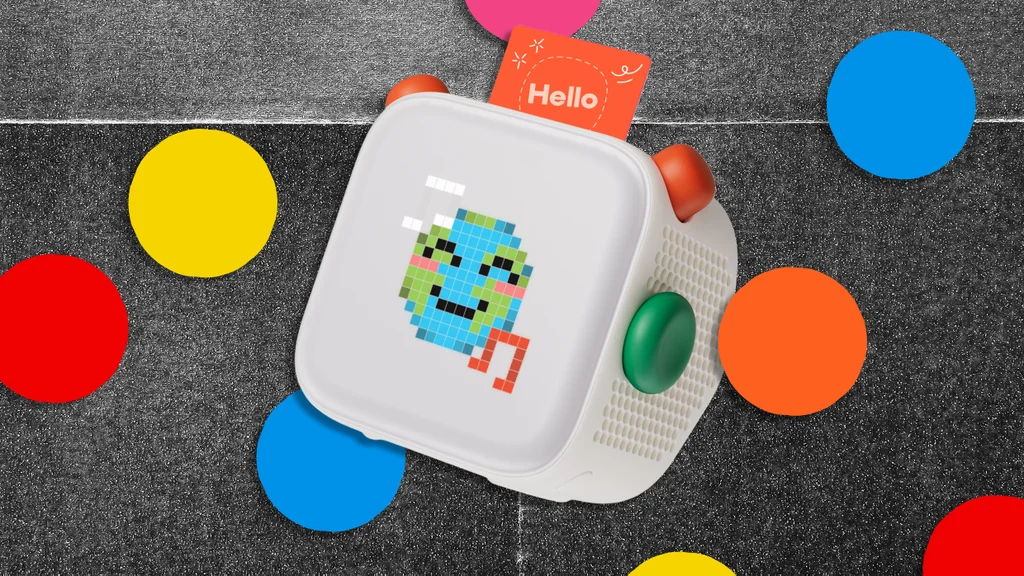
Lights Out, Story On
Yoto, Yoto Player 4th Gen, $149.99
The Yoto has become a fixture of the screen-free bedroom, and this fall the company released a major upgrade. Kids still pop in cards to play audiobooks, music, and podcasts. But a new Green Button lets them operate a custom playlist, like a morning music mix or a bedtime wind-down, without having to plug in a particular card. There’s also a new full-panel night light that glows in seven colors and doubles as an OK-to-wake light. The player holds more than 1,000 hours of audio for offline listening. For kids on the go, the smaller Yoto Mini 4th Gen ($109.99) is now splash- and dust-resistant. Designed for ages 3 and up.