Mulitple Solutions
When it comes to keeping modern ICE engines alive, two brands believe there’s still a way forward with this technology. Toyota and Mazda have taken realistic, pragmatic approaches to EVs compared to the rest of the industry; instead of going all-in on the BEV craze, both brands have developed and worked on other carbon-reducing solutions. Funnily enough, the testing of these solutions has taken place on the racetrack, which will soon change.
Mazda’s path to reducing carbon emissions is unique but also simple; it doesn’t propose using a new type of fuel, but instead wants to address the carbon emissions released by the engine.
Mazda
Carbon Capture
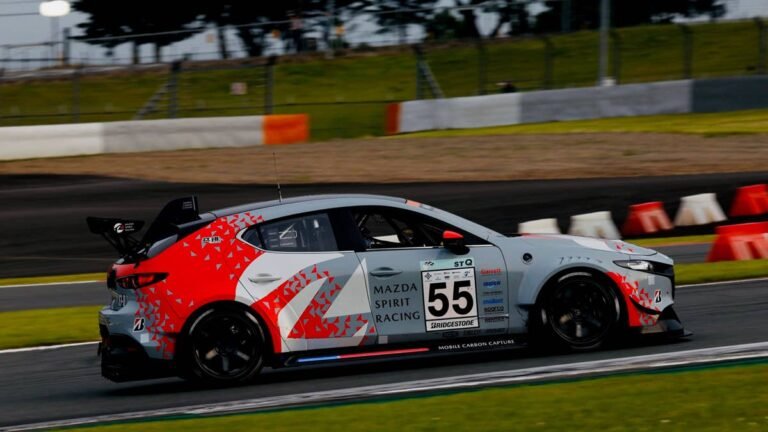
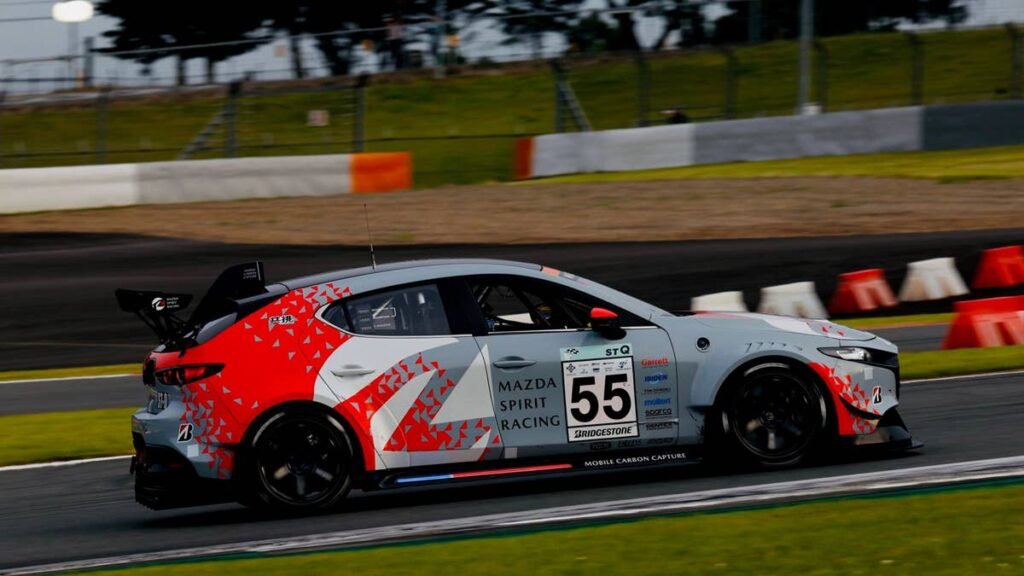
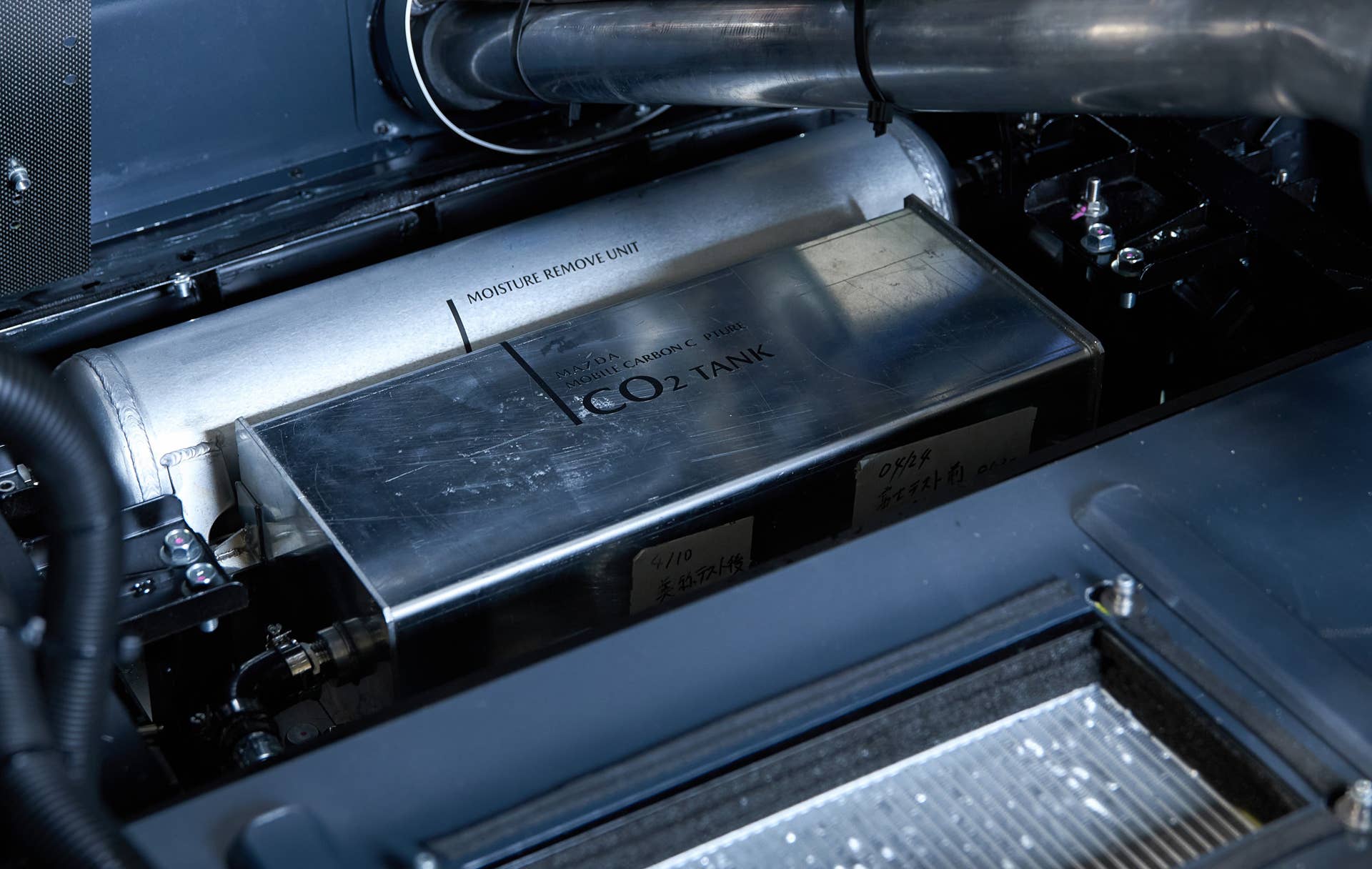
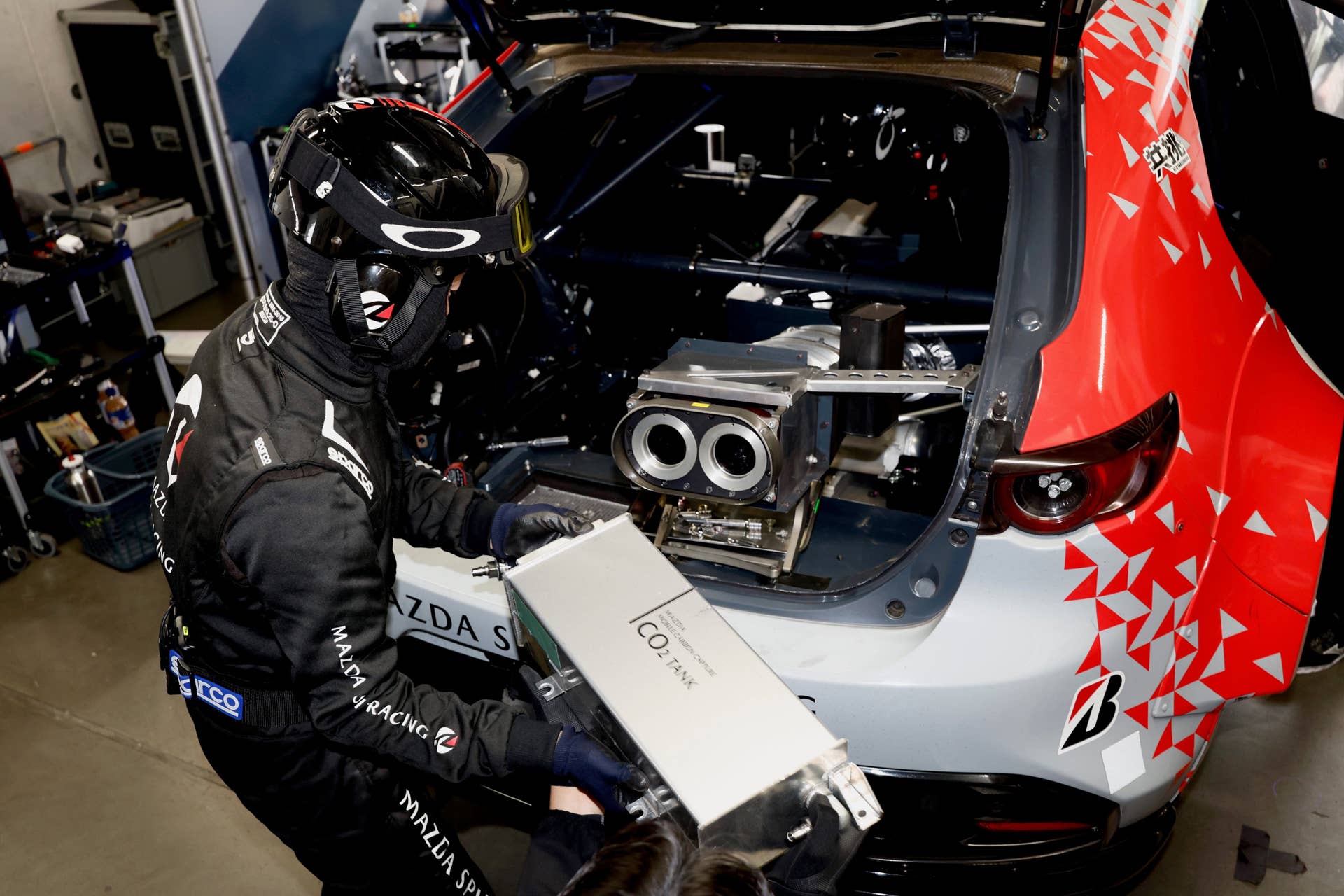
Earlier this year, Mazda debuted a Mazda 3 racecar for the Japanese Super Taikyu series that also served as a test bed for the automaker’s carbon capture technology. The carbon capture device cools the car’s exhaust gases and uses a microporous material called Zeolite to absorb carbon dioxide. The cooled CO2 is then transferred to a storage tank, which can be swapped out in 5 minutes during race pit stops.
Even the fuel used in the race and test car is different; Mazda uses hydrotreated vegetable oil (HVO), a form of biodiesel made from used cooking oil. According to the report by Nikkei Asia, this type of biodiesel emits 90% less carbon dioxide than normal diesel. Using carbon capture technology, Mazda believes it will reduce CO2 emissions the more the vehicle runs, with a target to recover between 20% and 40% of carbon.
Mazda
2028 Public Road Testing
During the final race of the season, Mazda also announced plans to test this technology on public roads by 2028, with the aim of turning it into a viable, production-ready technology by 2035.
Testing on public roads is an essential part of the development process; this will help the brand identify challenges that arise under normal driving conditions and further refine the technology. In the end, the plan is to install the carbon capture technology in commercial vehicles, but Mazda also admits there are issues with economic feasibility and cost.
Mazda