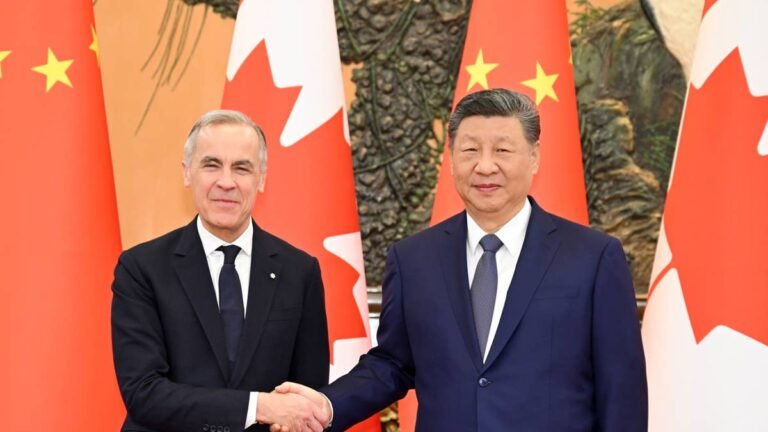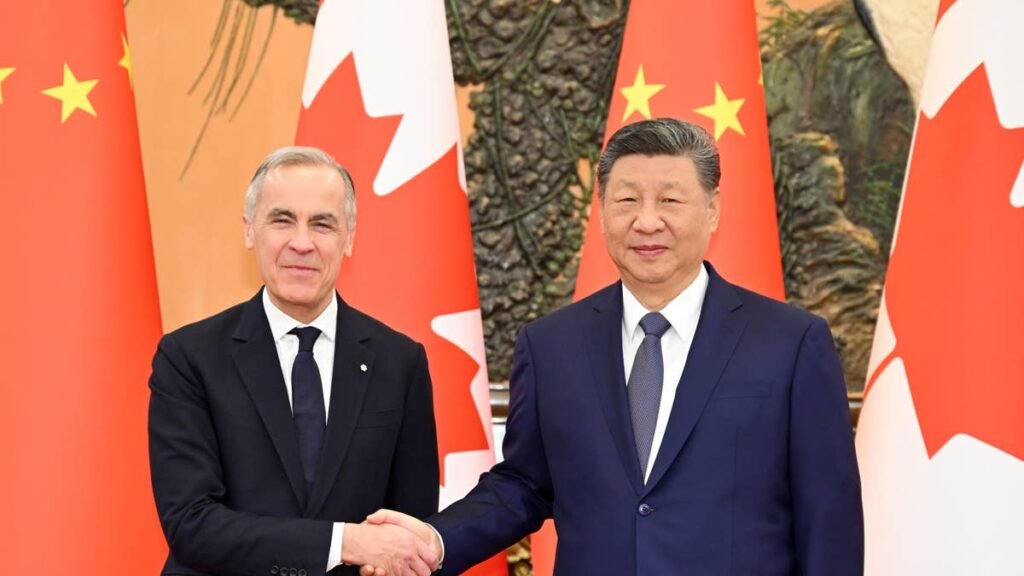
Canada’s Prime Minister Mark Carney is raising the possibility of turning to Chinese automakers if ongoing trade negotiations with U.S. President Donald Trump fail to secure a future for Canada’s automotive industry.
Speaking to reporters in Cambodia on November 16, Carney suggested that Chinese, European, and Japanese manufacturers could offer alternative investment opportunities if U.S. trade policies continue to undermine the integrated North American auto industry.
Carney Says Canada Won’t Wait For Washington
White House
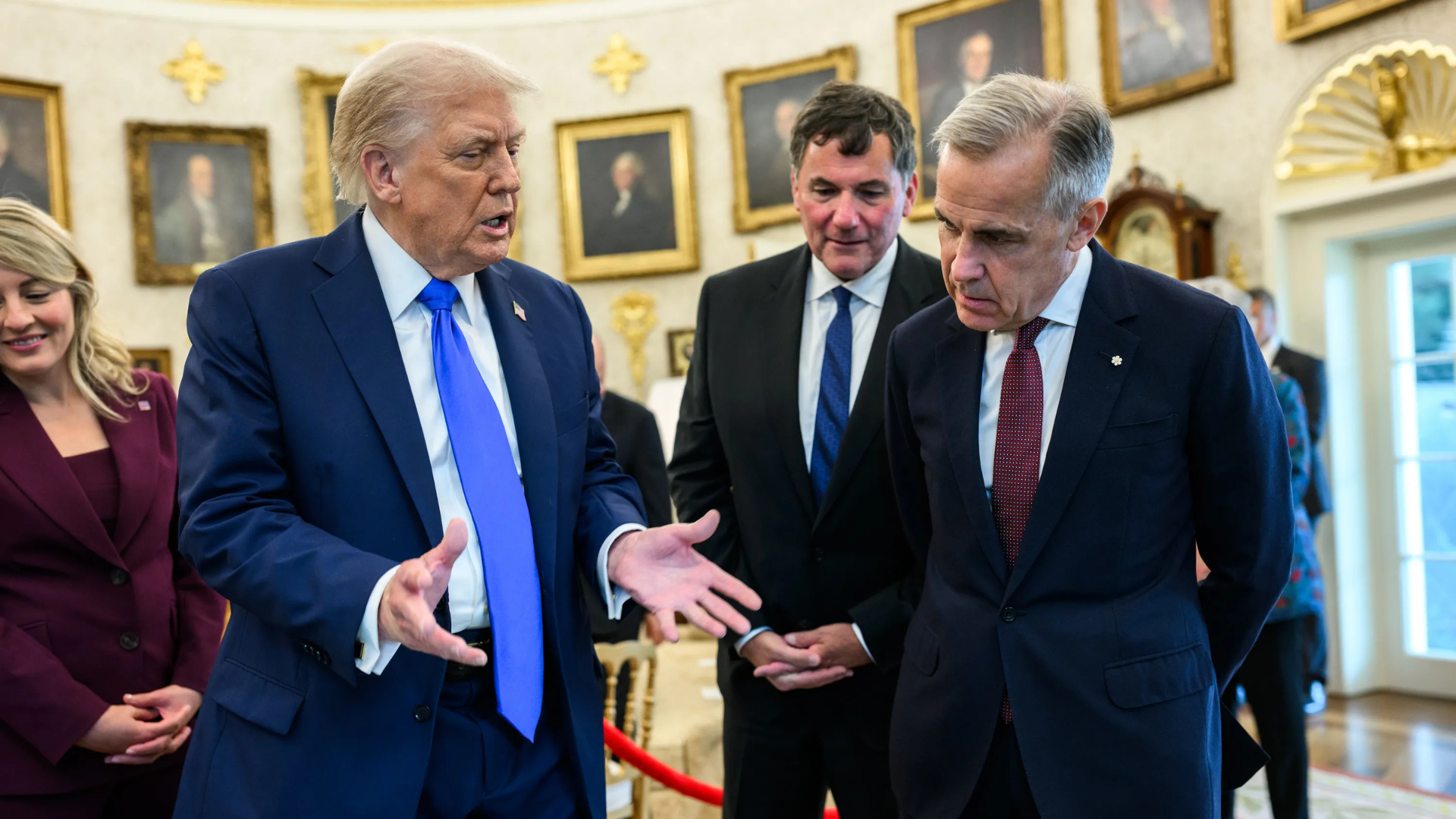
The comments come amid growing tensions between Washington and Ottawa over automotive tariffs and manufacturing jobs, and just ahead of Carney’s planned meeting with Chinese President Xi Jinping.
While Canada’s PM insists that reaching an agreement with the United States remains his priority, his willingness to consider Chinese investment represents a potentially significant shift for an industry that has been closely tied to American automakers for decades.
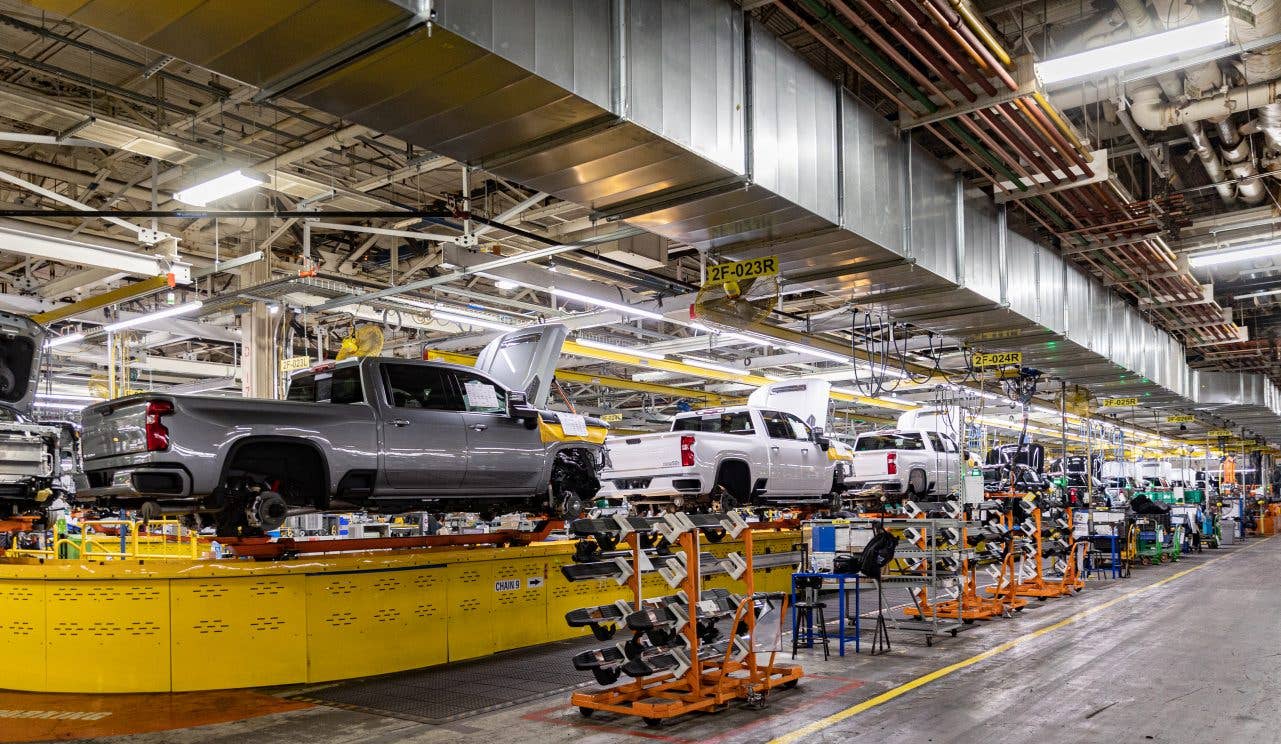
Carney argued that U.S. trade actions have weakened the North American automotive market, making it increasingly difficult for Canadian factories and workers to operate at full capacity. Ford, General Motors, and Stellantis all have manufacturing operations in Canada, with components frequently crossing the U.S.-Canadian border multiple times before vehicles are completed.
President Trump has repeatedly pushed automakers to shift production from Canada to the United States, while threatening to increase tariffs on Canadian vehicles and parts. The proposed tariff increase, from 25% to 50%, could take effect on January 1, adding further uncertainty to an already strained relationship.
Carney’s Threat Is Not a Negotiating Tactic
General Motors
Asked whether the possibility of Chinese investment was intended as leverage in negotiations with Washington, Carney responded according to AP News, “It’s not leverage. But action, reaction.” He added that Canada would pursue other opportunities if its automotive workforce and manufacturing facilities could not be fully utilized within the North American market.
However, Carney stressed that any Chinese investment would need to involve substantial manufacturing operations in Canada, including domestic suppliers, Canadian workers, and local critical minerals. “It’s not just about kit cars. There has to be a manufacturing aspect involved.”
Canada already took a significant step toward opening its automotive market to China in January 2026, when it reduced tariffs on Chinese electric vehicles from 100% to 6.1%. The agreement initially allows up to 49,000 Chinese EVs into the country annually, with the quota expected to increase over time. In return, Beijing agreed to reduce tariffs on several Canadian agricultural exports, including canola.
Chinese EVs Could Find A Bigger Role In Canada
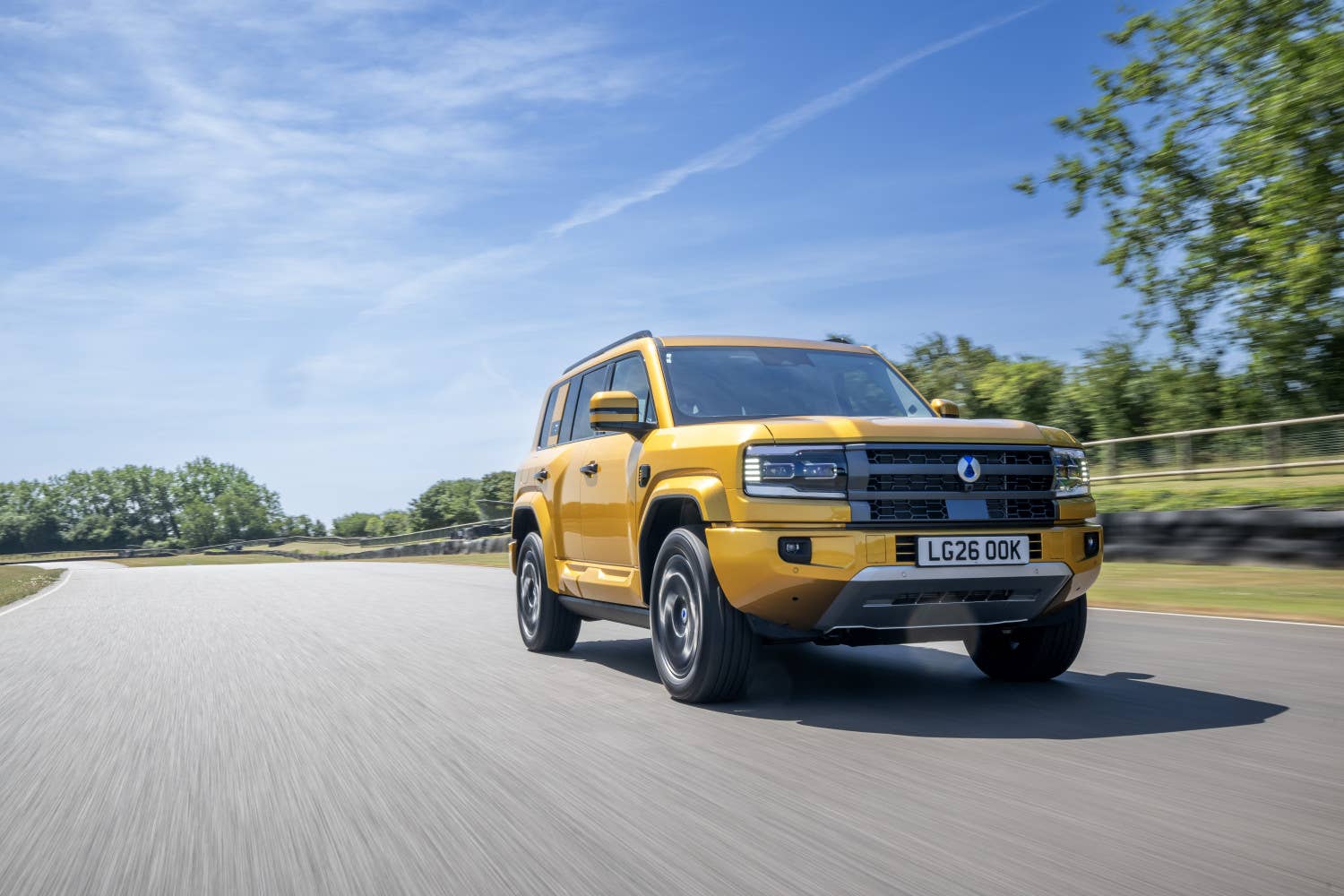
BYD
The agreement has attracted criticism from Ontario Premier Doug Ford, who warned that cheaper Chinese vehicles could threaten domestic manufacturing jobs and jeopardize Canada’s access to the U.S. market.
Interestingly, despite the reduced tariffs, Chinese automakers have yet to announce major manufacturing investments in Canada. Carney’s upcoming discussions with Xi could provide further clarity on whether that situation changes.
For now, Canada appears to be keeping its options open. But if negotiations with Trump fail, the U.S. will become North America’s only market where Chinese cars are not allowed, a position that might become untenable in the long run.