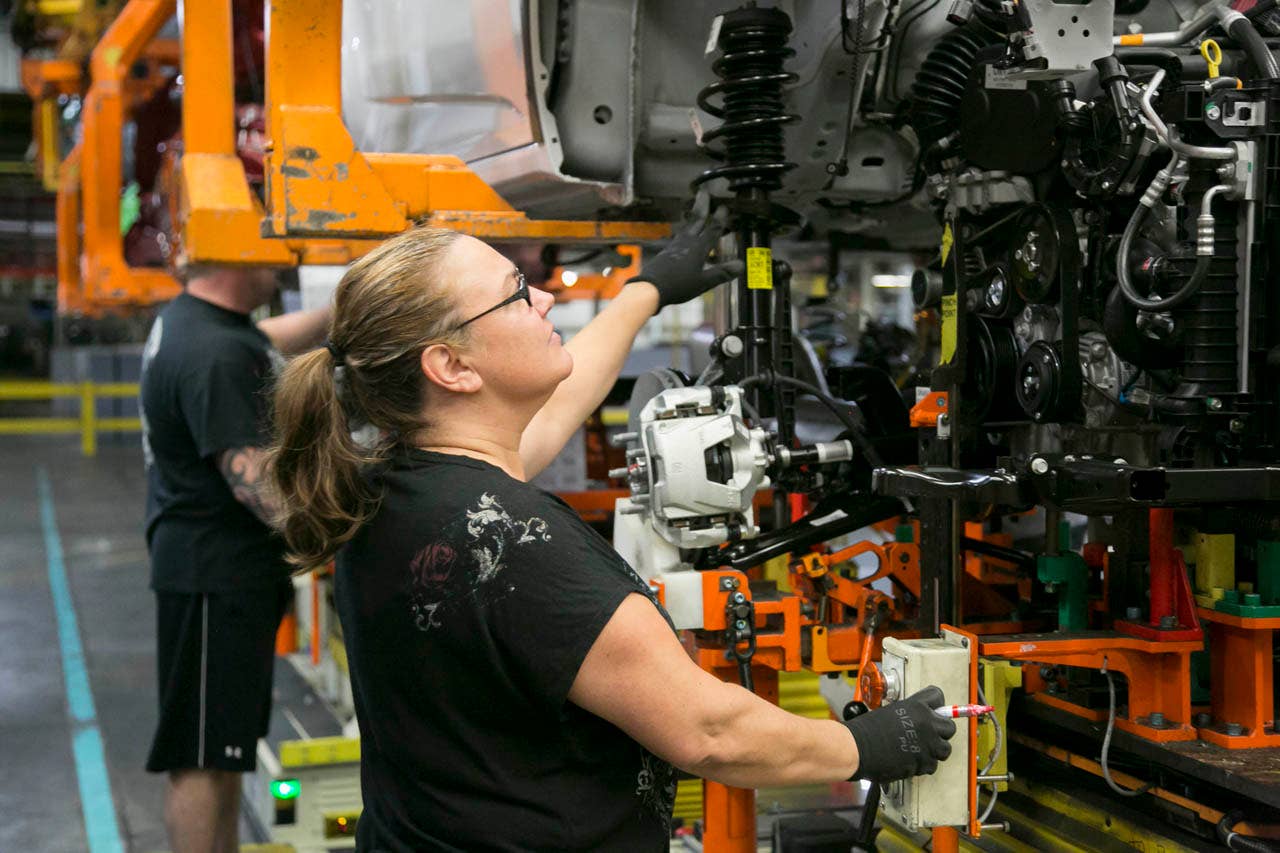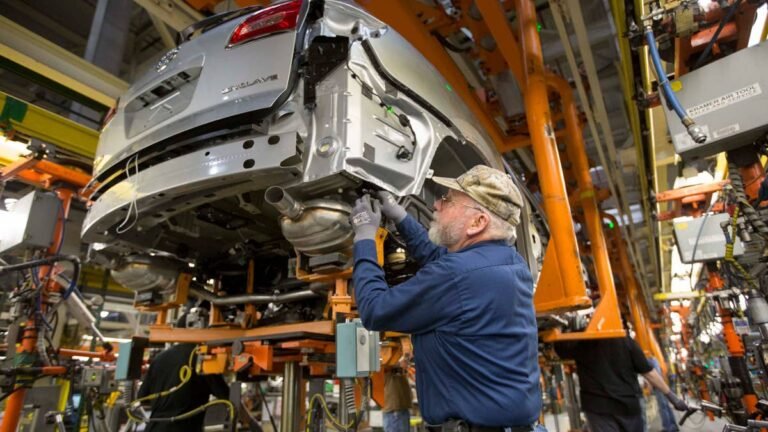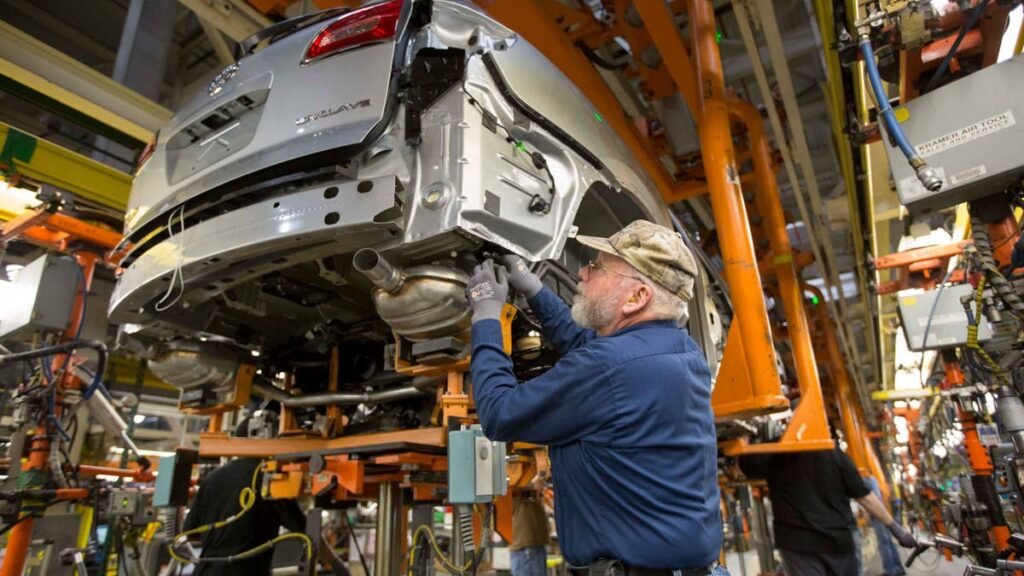
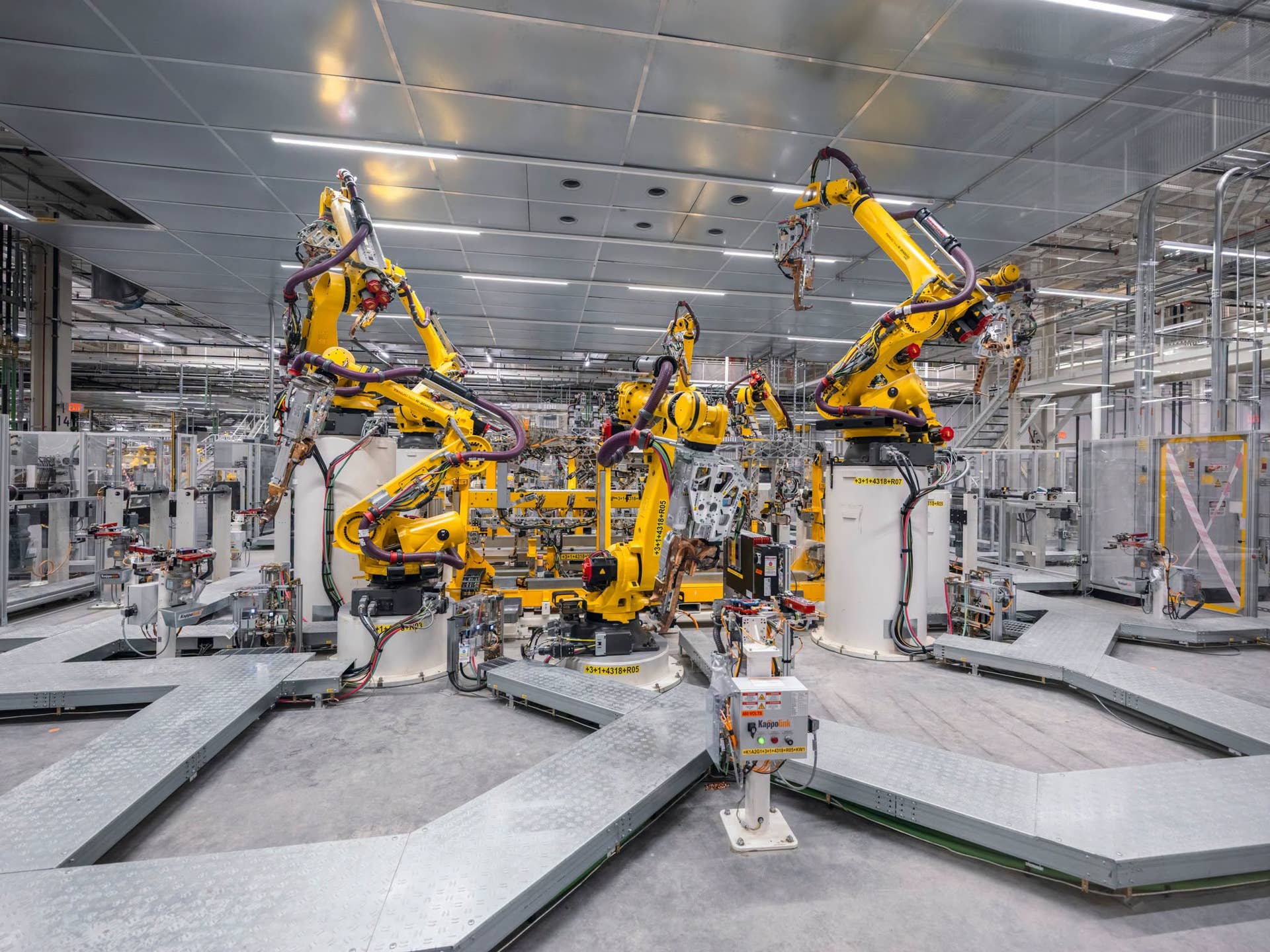
General Motors is aggressively accelerating its push into factory robotics to combat rising manufacturing expenses. The Detroit automaker plans to increase automation across its North American plants by roughly 20 percent by 2028. Rather than relying solely on external vendors, GM is actively developing and assembling its own proprietary robotics hardware at its facility in Kokomo, Indiana, supported by an internal team of over 100 robotics, AI, and hardware specialists.
According to a Reuters, GM’s primary focus is deploying autonomous mobile robots capable of hauling parts and materials across the factory floor without human intervention. GM is also forcing its entire supply chain to follow suit. Parts suppliers bidding for new contracts must now submit formal automation roadmaps, which GM grades using a strict scoring system to determine who wins future business. It mirrors recent moves where GM cut workers at its EV facilities before introducing automated machinery.
Scout Motors
Mounting Expenses Spark Union Backlash
The massive push toward robotics is a direct financial reaction to escalating production costs. Following the historic 2023 United Auto Workers contract, GM estimated that elevated wages would add roughly $575 in labor costs to every single vehicle it builds. Combined with higher raw material expenses and the massive capital required to reshore supply chains, corporate executives are desperate to protect profit margins similar to how BMW deployed humanoids to slash EV assembly costs and Toyota invested billions into its own massive robotic workforce.
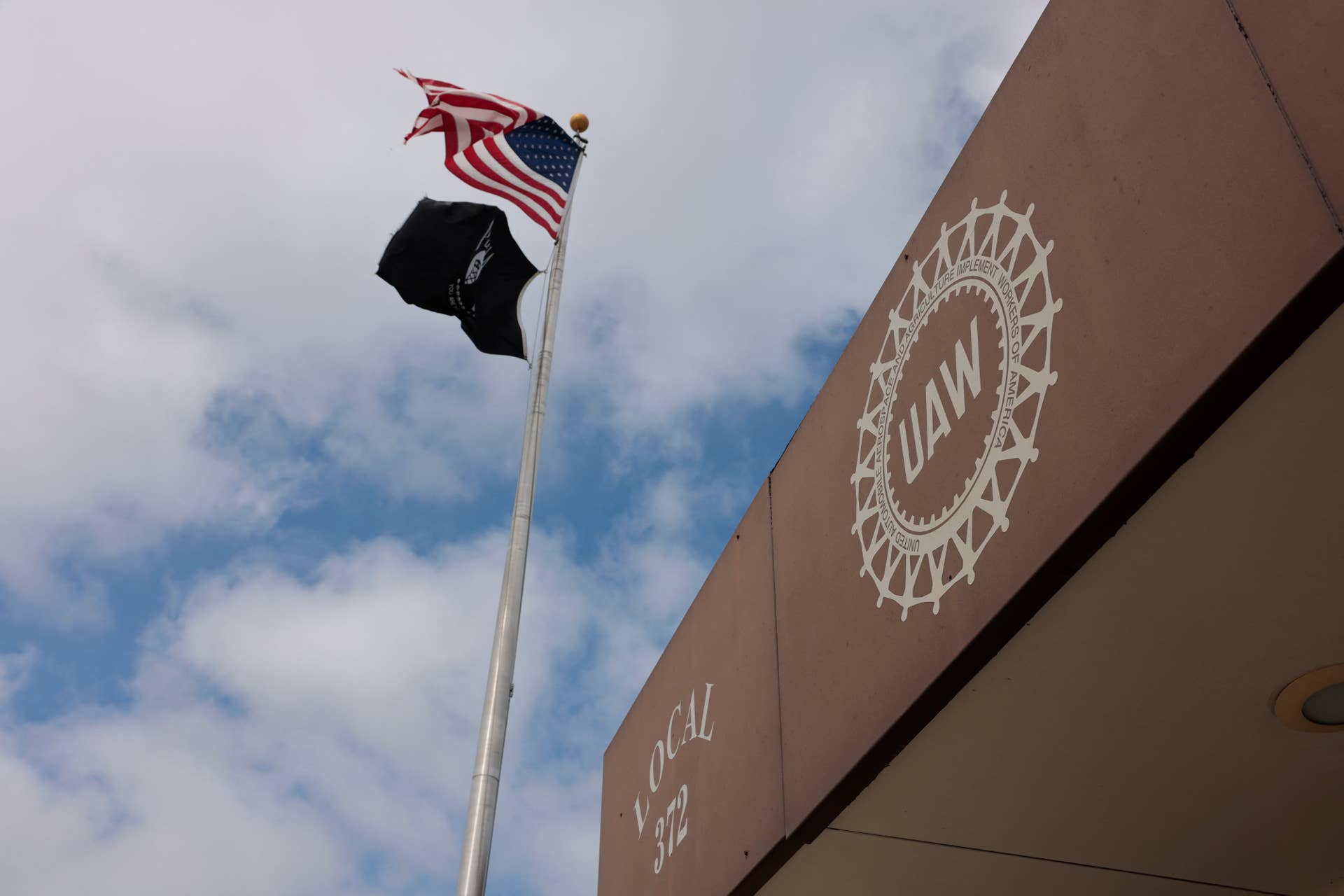
The 2028 target, which conveniently aligns with the expiration of the current UAW contract, has ignited immediate pushback from union leadership. UAW Vice President Ryan Hiestand slammed the strategy as a blatant effort to eliminate American jobs while funding corporate payouts, pointing directly to the $20 billion share buyback program GM’s board approved back in October. Meanwhile, GM maintains its standard corporate line that robotics simply improve workplace safety, build quality, and overall efficiency.
The High Cost Of Replacing Humans
GM’s strategy is entirely predictable. When labor costs jump by nearly $600 per car, and tariff pressures force expensive domestic reshoring, executives will inevitably turn to machines that do not require healthcare, pensions, or overtime pay. Building these autonomous transport robots in-house at Kokomo also gives GM tremendous control over its own manufacturing destiny while squeezing extra efficiency out of its parts suppliers.
However, over-relying on automation carries massive operational risks if the human element is neglected. As Ford recently learned, algorithms and machines cannot entirely replace seasoned human expertise on the factory floor. If GM pushes this 20 percent automation mandate too aggressively ahead of the 2028 contract negotiations, it risks triggering a devastating labor war with the UAW that could cost far more than any fleet of robots will ever save.