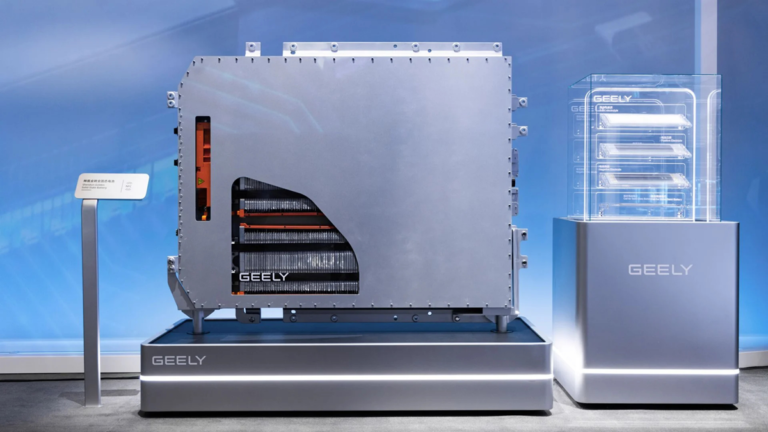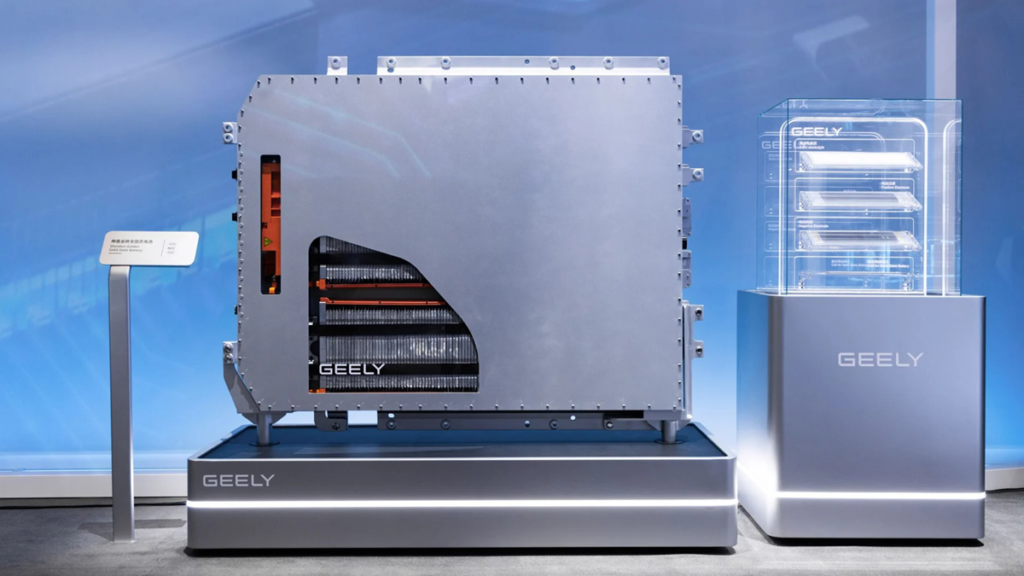
Geely chairman Eric Li thinks automakers need to rethink how they build and sell electric car batteries. Rather than treating the entire pack as a sealed component that must be replaced when something goes wrong, he wants batteries to become easier to service and potentially operate as a separate service. It’s an idea that could save EV owners thousands. Replacing an entire battery pack can cost around $15,000, even when only a handful of cells are responsible for the problem. For secondhand buyers, that kind of bill can exceed what an older electric car is worth.
Reuters
Why One Bad Cell Can Cost $15,000
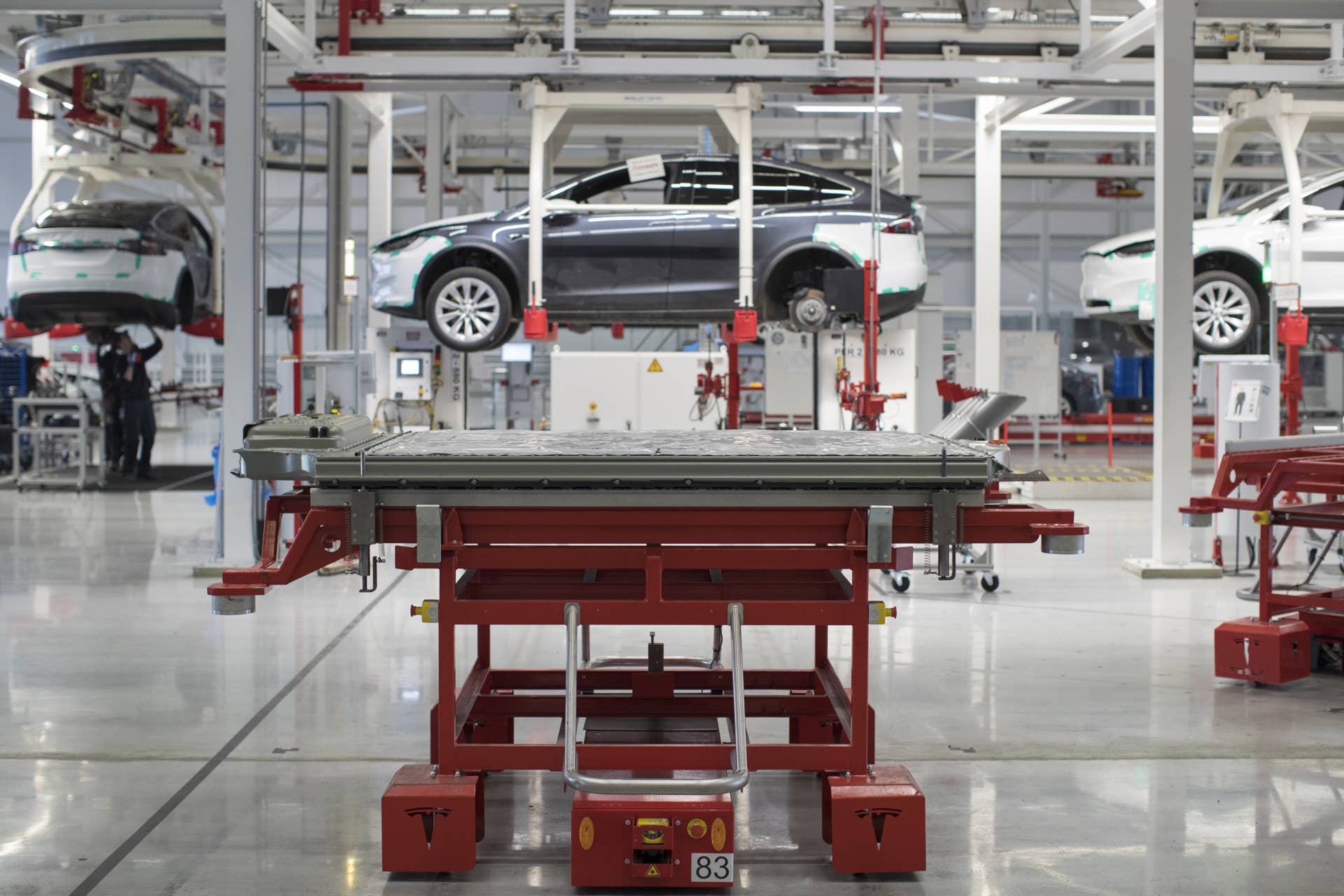
The problem starts with battery design. Many modern packs are sealed shut and packed with adhesive, making them difficult to open and repair. It’s a bit like trying to unscramble an egg. When something goes wrong, replacing the entire pack can become the default solution, even when a much smaller repair might do the job. A workshop repair involving faulty cells can cost roughly $1,500, about a tenth of the replacement price.
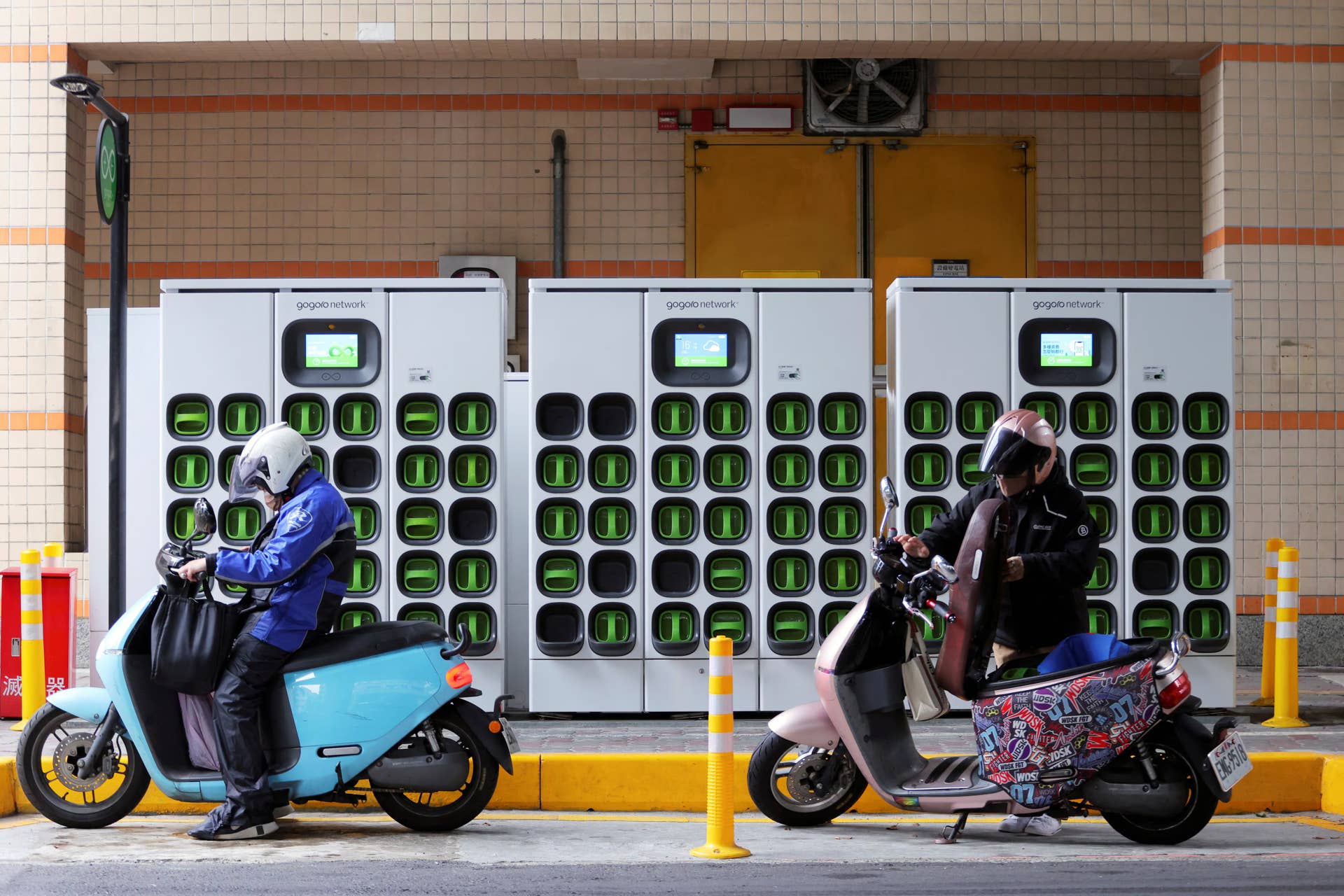
Li is also exploring another way to tackle the problem through Geely’s investment in Nio’s battery-swapping network, per a report from CarNewsChina. With more than 4,000 stations, the network allows drivers to exchange depleted packs in minutes. It doesn’t make batteries easier to repair, but it offers another way to separate the car’s useful life from the battery’s ageing. You hold the car, someone else holds the degradation risk, and the cost gets spread across thousands of drivers instead of landing on one unlucky wallet.
EV Batteries Last Longer Than You Think
Before anyone panics, the data is reassuring. Ford checked 36,000 of its first-generation electric cars, and after five years the average battery still held 92 percent of its capacity. China now requires packs to keep at least 70 percent, and nickel-based NMC chemistry is holding up too, not just LFP. Batteries are outlasting what sceptics and experts predicted.
EV batteries don’t need to last forever. They just need to be repairable when something goes wrong. If automakers want secondhand buyers to trust electric cars, making a single failed cell a manageable workshop bill rather than a $15,000 replacement could be a good place to start.