Think about the last time you watched a video, asked AI a question or saved a photo to the cloud. It felt like magic, right? But it wasn’t. Somewhere, a huge building full of computers was working hard to make it happen.
These buildings are called data centres. And right now, in parts of India, people are asking a simple question: if a data centre comes to our area, will we still have enough water and electricity?
WHAT IS A DATA CENTRE?
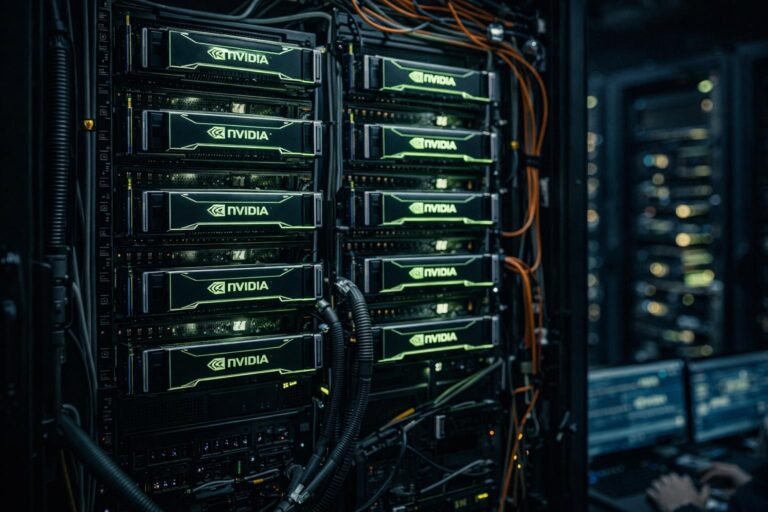
A data centre is like a giant storage house for the internet. It houses thousands of computers called servers, that run apps, websites, banking services and AI tools.
These computers operate all day and all night, generating heat as they work. Just like a laptop that heats up on your lap, but thousands of times bigger. To stop the servers from overheating, data centres need cooling. And cooling takes a lot of electricity, and often a lot of water.
WHY IS INDIA BUILDING SO MANY?
India is going digital fast. More people are using UPI, online shopping, streaming services and AI every day. All this data and information has to be stored and processed somewhere.
State governments want to attract data-centre projects as well. They compete to attract companies by offering benefits such as cheaper land, lower electricity costs, tax incentives and quick approvals.
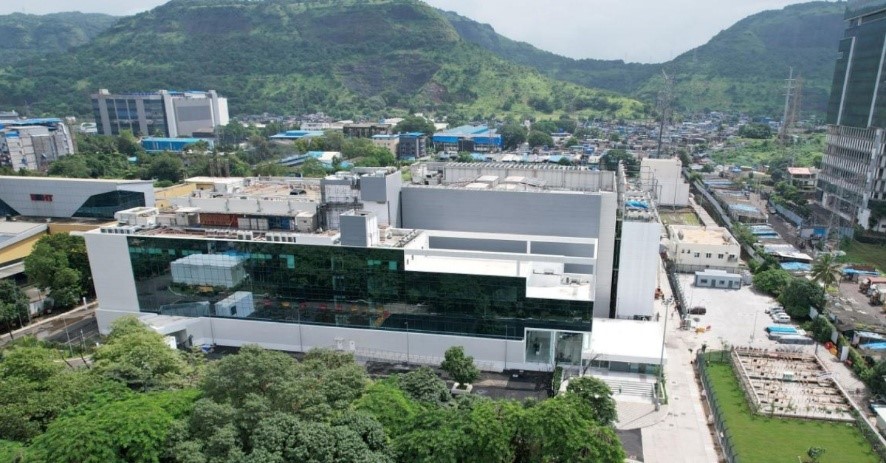
Two major projects have recently garnered a lot of attention. Google is building a huge AI data centre hub in Andhra Pradesh, while Amazon is building a major facility in Thane, Maharashtra.
WHAT IS HAPPENING IN THANE, MAHARASHTRA?
In July 2026, hundreds of residents in Thane formed a human chain to protest against the proposed Amazon data centre. They were worried about water, the environment, and lack of public discussion surrounding the project.
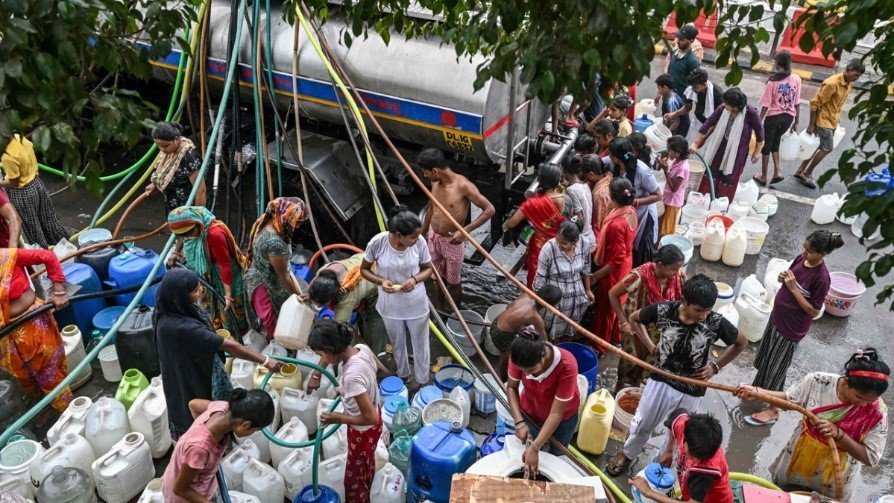
Their concerns are understandable. Around the same time, some Thane residents were already complaining about muddy and low-pressure water at home. Thus, when people found out that a data centre that would consume a lot of water was about to be built, they naturally asked: “Will there be even less for us?”
WHAT IS HAPPENING IN ANDHRA PRADESH?
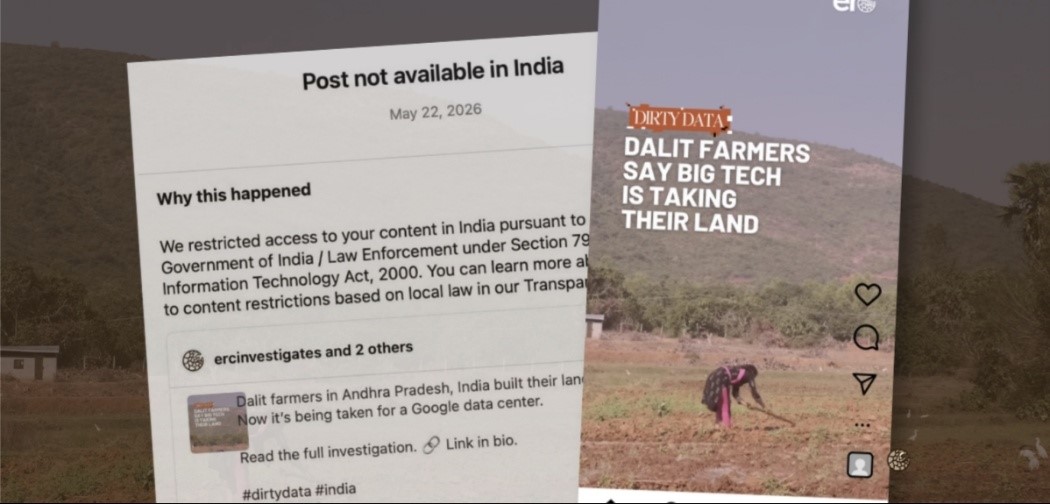
In Visakhapatnam, people have marched with a very powerful slogan: “We cannot drink DATA.”
The matter has even reached the High Court. A water-focused group called Jai Biradari has raised concerns that the project could affect water availability from a nearby reservoir, and the court asked the state to respond to these allegations. There are also worries about the project’s proximity to the Kambalakonda Wildlife Sanctuary, which is only about 860 metres from the site.
The government has rejected these allegations. It stated that water meant for villages and homes would not be used for the data centre, and that the nearby reservoir would not supply it. It also highlighted job creation, with one report mentioning a projection of up to 1,88,000 jobs.
SO, WHO IS RIGHT?
Honestly, both sides have a point. Let’s look at them fairly.
Why supporters favour data centres:
- They support India’s digital growth.
- They bring large investments into a state.
- They can create jobs, especially during construction.
- Keeping data within India can improve speed and security.
Why locals are worried:
- Water and electricity are essential resources shared by everyone, so people want a say.
- Data centres need very few workers once operational, so some residents questioned whether the employment benefits justified the resources required.
- When decisions feel rushed or lack transparency, trust breaks down.
- Forests and wildlife nearby can be affected.
Notice something important here. Most protesters are NOT against technology. They are asking for fairness and honesty.
WHY DOES WATER MATTER SO MUCH?
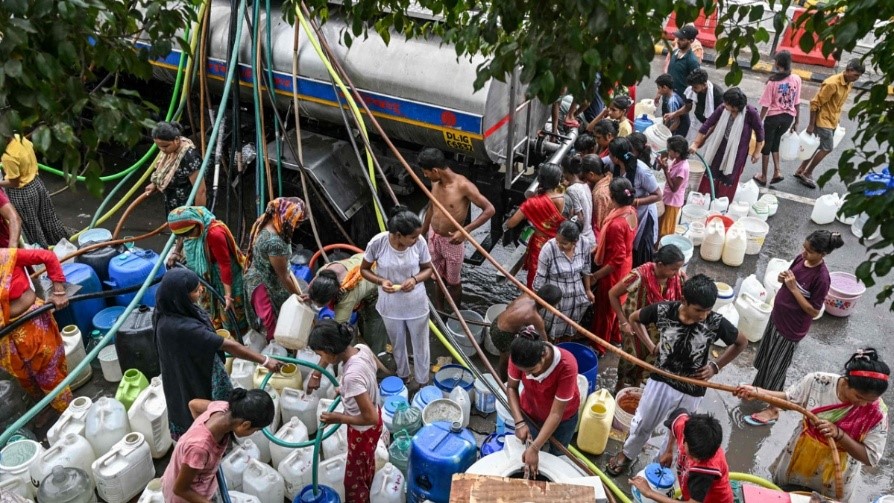
Many parts of India already struggle with water shortages, especially during summer. Farmers, families and industries all depend on the same limited water supply.
Cooling a data centre creates a tricky choice. Using more water for cooling saves electricity. Using less water means using more electricity. Either way, an essential local resource is affected.
The problem becomes more complicated when many data centres are concentrated in the same region. One report found that about 75% of India’s 278 data centres are located in just 5 states: Maharashtra, Tamil Nadu, Karnataka, Telangana and Uttar Pradesh. More buildings in the same area means more pressure on the same limited supply of water.
IS THIS ONLY HAPPENING IN INDIA?
No. People in other countries have raised the same concerns. In the United States, lawmakers in many states have introduced hundreds of data centre bills in early 2026, with a growing focus on making companies report water use and get proper permits. The world is learning that digital growth needs rules.
WHAT COULD BE A FAIR SOLUTION?
Here are some simple ideas that experts and citizens have suggested:
- Be transparent: Companies should publicly disclose how much water and power their facilities use.
- Use recycled water: Treated wastewater can be used to cool servers instead of drinking water.
- Choose locations carefully: Avoid places that already face water shortages or are close to forests.
- Ask local communities: Hold public meetings before approvals, not after work begins.
- Use clean energy: Power data centres with renewable energy such as solar or wind so that the local supply isn’t strained.
THE BIG LESSON.
We often think of the internet as something floating in the air. It isn’t. It lives in real buildings that use real land, real electricity and real water.
India can enjoy the benefits of technology and still protect its people and its resources. But that works best when communities are treated as partners, not as people standing in the way.
The Visakhapatnam protestors’ slogan says it best: data is valuable, but you can’t drink it. Real progress means making sure the tap keeps running while the servers keep humming.
Writer: Shriya Soni
Editor: Vania Jain
REFERENCES
Data centre projects face opposition in Maharashtra. (2026, July 22). Drishti IAS. https://www.drishtiias.com/state-pcs-current-affairs/data-centre-projects-face-opposition-in-maharashtra
Google’s $15 billion Andhra Pradesh data centre project faces water, wildlife concerns amid legal challenges. (2026, August 6). Free Press Journal. https://www.freepressjournal.in/amp/india/googles-15-billion-andhra-pradesh-data-centre-project-faces-water-wildlife-concerns-amid-legal-challenges
Google’s $15 billion India data centre project battles water, wildlife concerns. (2026, August 9). Taipei Times. https://www.taipeitimes.com/News/biz/archives/2026/08/09/2003862162
Google’s India data centre and the Texas playbook: Is community pushback becoming the standard cost of AI infrastructure? (2026, August 7). Capacity. https://capacityglobal.com/news/googles-india-data-centre/
India’s new age industries are colliding with water crisis. (n.d.). Outlook Business. https://www.outlookbusiness.com/amp/story/magazine/indias-new-age-industries-are-colliding-with-water-crisis
India’s new age industries are colliding with water crisis. (n.d.). Outlook Business. https://www.outlookbusiness.com/magazine/indias-new-age-industries-are-colliding-with-water-crisis
Mega data centres and the sustainability challenge. (2026, July 30). Drishti IAS. https://www.drishtiias.com/daily-updates/daily-news-analysis/mega-data-centres-and-the-sustainability-challenge/print_manually
Thane locals protest against proposed Amazon data centre due to environmental concerns. (n.d.). The Wire. https://m.thewire.in/article/rights/thane-locals-protest-against-proposed-amazon-data-centre-due-to-environmental-concerns
Water backlash is hitting India’s data centre boom. Learn from paper mills and the Dutch. (n.d.). ThePrint. https://theprint.in/opinion/data-centre-protests-in-india/3033294/
“We cannot drink DATA”: Google’s $15 billion India data centre project faces water, wildlife concerns. (2026, August 6). Techeconomy. https://techeconomy.ng/google-15-billion-india-data-centre-project-water-wildlife-concerns
<p>The post India’s Data Centre Boom Raises Water and Power Concerns: Google and Amazon Projects Face Local Protests first appeared on The Economic Transcript.</p>