Range Battle
One of the major criticisms of EVs is the true range, or the lack thereof, of enough juice in the battery to satisfy an owner’s traveling needs. Ever since the EV segment became mainstream, it’s been a never-ending battle to improve battery technology to add more range, just to quell the range-anxiety argument.
While most of the EV makers are hustling to make cars with bigger batteries, Slate is at the other end of the argument, claiming that they know what distance is enough for the EV buyer.
Slate Auto
205 Miles is Enough
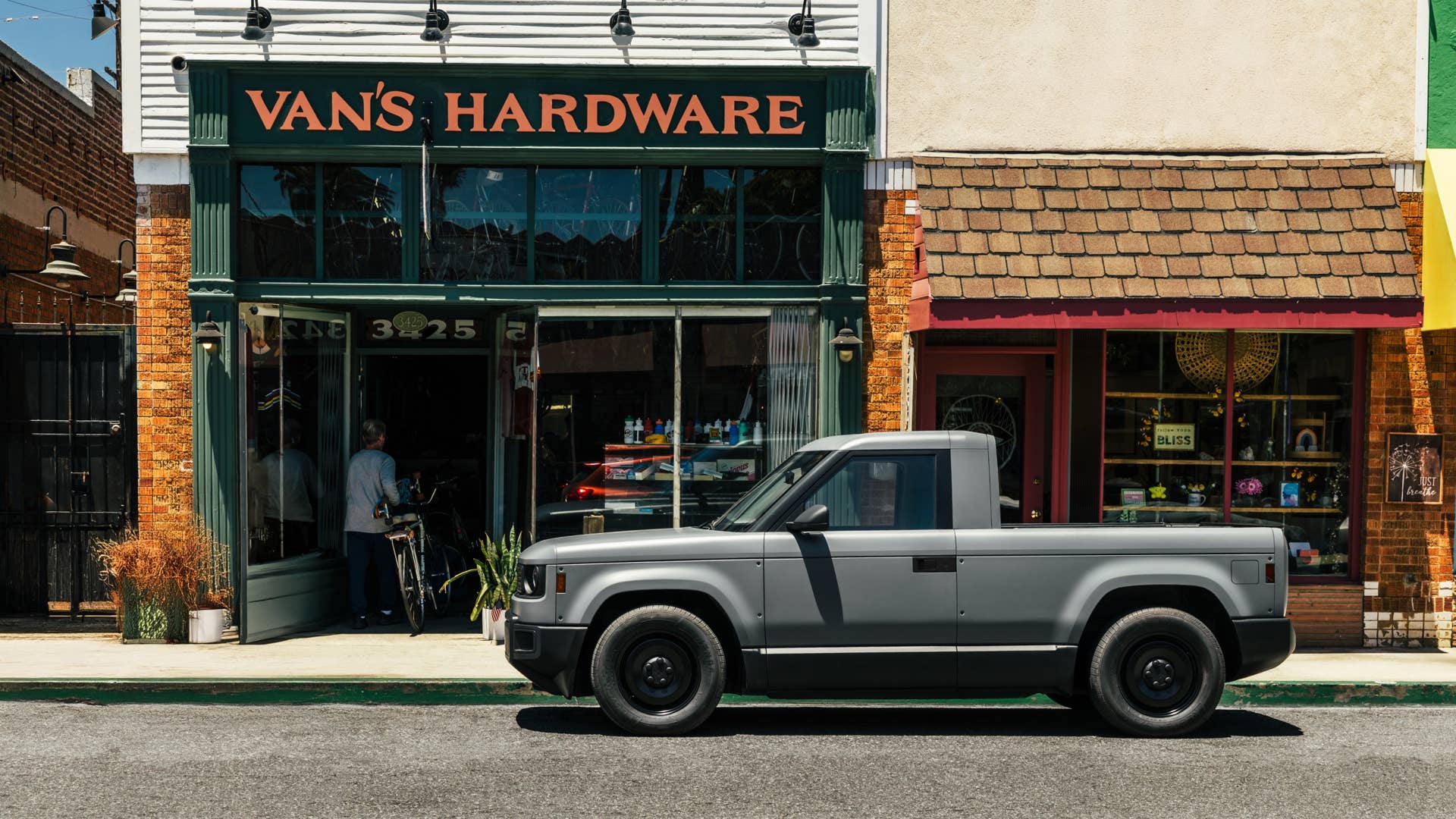
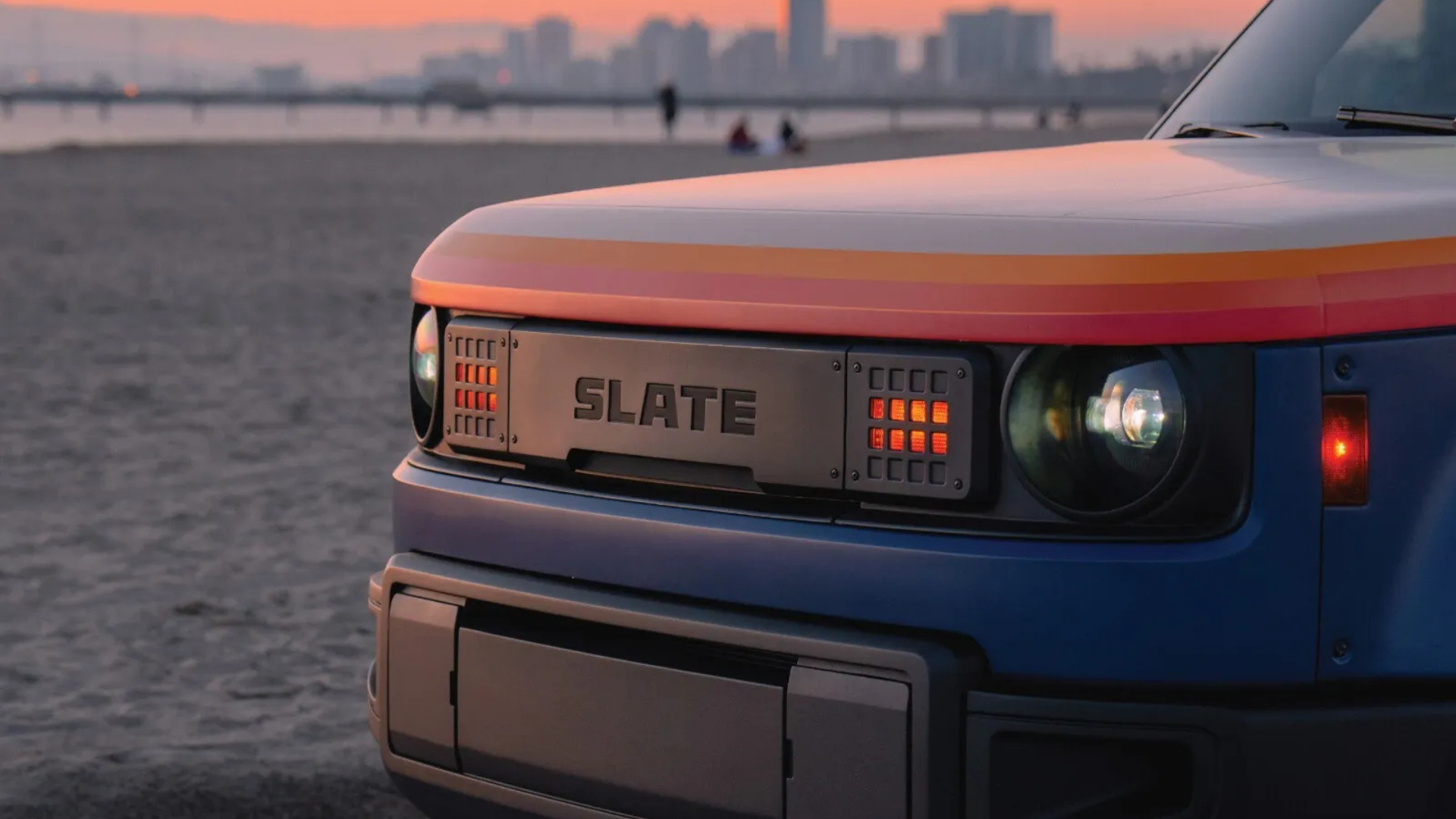
Slate is one of the newest car makers in the industry, but what has everyone buzzing about it is that it’s offering the no-frills approach to mobility. Some people have argued that EVs are too expensive; Slate is proving them wrong by providing a blank er… slate to build yourself a basic EV pickup, SUV, or van with just the essentials, with a starting price of just $26,400.
We know that one of the highest costs of making an EV is the battery, so given that Slate is a budget-conscious brand at heart, it’s no surprise that they think they’ve nailed down the happy medium for a budget-friendly EV when it comes to range. A fully charged Slate vehicle will have a total driving distance of just 205 miles, which the brand thinks is more than enough for an average EV buyer.
However, according to a report by Automotive News, some industry analysts think that the number is too low, with some surveys and studies putting the preferred minimum range at least 300 miles.
Ivan Drury, director of insights at Edmunds, says that offering around 200 miles from the start is a huge hindrance to the brand. Understandably, Drury also mentioned that range is one of the first and biggest numbers EV buyers look at, given the temperamental nature of real-world battery performance, which is affected by extremely cold weather.
Slate
Standing Firm
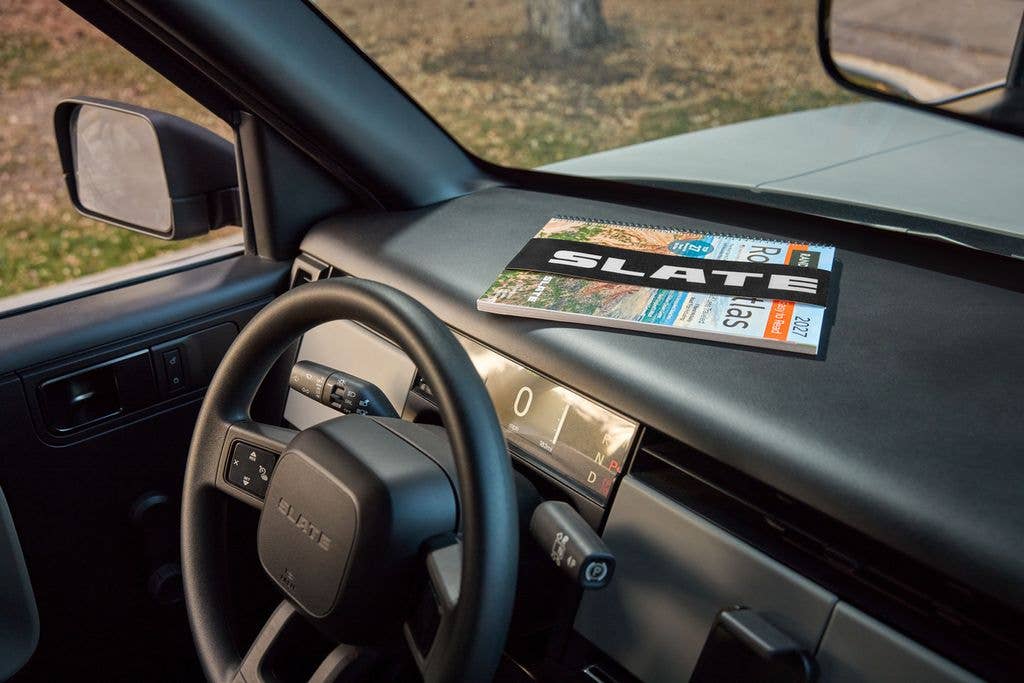
Slate is standing its ground, saying that 205 miles is enough given the product that it’s offering. The Slate EV is the most affordable pickup truck on sale in the nation regardless of fuel type, but it’s also the smallest. Slate said in an email back in November that “Sure, 205 miles isn’t the longest range in the game.
But, for many people, it’s more than they need each day.” They back this up further: according to U.S. government data compiled by Kelley Blue Book, most Americans drive only 33 miles a day, meaning they’d only need to recharge 1-2 times a week.
Slate