
For many younger travellers, travel usually comes down not to desire but to money and a visa. Some digital nomads have remote jobs that include teaching languages online, work in tech or something similar. There are others who don’t work remotely or online and prefer physical work in their chosen destination.
A lot of young travellers and digital nomads support their travel with seasonal work in a kitchen, hotel or on a farm. The wages will fund your trip and legal status is arranged for a specific season. Here are some roles you can consider in the food industry, hospitality and tourism open borders and where to find vetted job openings.
Prepare for your season away early
Unlike remote jobs, the seasonal job market is chaotic. Farms, resorts and hotels post openings wherever they can, making it difficult and time consuming to find. That is why it makes more sense to start your search with an aggregator like Jooble, where seasonal roles with visa sponsorship are gathered on a single page alongside regular listings from most sources.
This works to the traveller’s advantage since Jooble works in 66 countries, has 9 million job postings, and adds 300,000 job postings every day. Apart from that, searches are free, while the site filters out any spam and phishing attempts, which can be crucial if one needs a visa. In addition, Job Alerts notify you about new vacancies by e-mail, while Smart Tags show the key terms of every vacancy prior to reading the job description.
From Strawberry Fields to Seafood Lines
The food industry is one of the most accessible entry points into seasonal work abroad. Since Brexit, it has been increasingly difficult for farms in the UK to find workers as the visa rules for EU residents have changed. In the UK, the Seasonal Worker visa serves this purpose for horticulture, meaning picking fruit, vegetables, and flowers, as well as for poultry production.
For 2026, 41,000 spots were allocated for horticulture and 1,900 for poultry. In horticulture, the visa grants up to six months of work, whereas the poultry season runs from October 2 to December 31. The pay benchmark is the National Living Wage, which stands at £12.71 per hour as of April 2026.
Keep in mind that you are only allowed to work in the specific role listed on your certificate of sponsorship. The visa itself costs £340.
In the US, the food sector also runs on seasons. The H-2B program fills temporary non-agricultural roles and seafood processing is one of the industries that relies on it most heavily.
Hotels, Resorts and the American Summer Rush

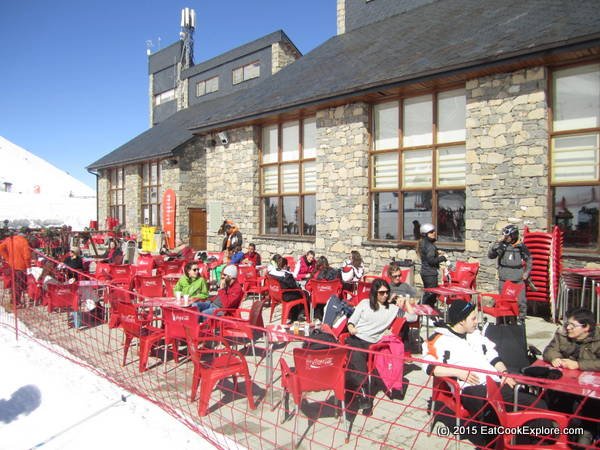
Hospitality and tourism are seasonality in its purest form: coastal towns rule the summer, while ski resorts take over in winter. There are also opportunities with the European Youth Portal which is funder by the European Union. They host the European Solidarity Corps (ESC) for young people (typically ages 18–30). Approved placements cover travel, accommodation, food, insurance and a small monthly allowance.
American hotels and resorts in remote destinations rely on that same H-2B programme. The base annual cap is 66,000 visas, though for fiscal year 2026 authorities added another 64,716, with 46,226 of those reserved for returning workers who held an H-2B visa within the past three years.
On Mackinac Island in Michigan, for example, roughly a quarter of the seasonal workforce typically arrives on H-2B visas.
Students have a separate pathway: J-1 Summer Work Travel allows up to four months of work at hotels, restaurants, resorts, and amusement parks during summer break, with no option to extend.
Working Holiday Visas for Brits
For those who want to live in another country rather than just work a single season, a working holiday is a better fit and you don’t need a sponsor. You apply for the visa first and look for a job once you arrive. Just know that there are quotas for these visas in each country, so apply early.
These are the most popular countries where UK citizens can get working holiday visas (but this only applies for a certain age group, mostly 18 -35):
- Australia
- New Zealand
- Canada
- South Korea
- Taiwan
- Hong Kong
- Singapore
- Uruguay
NB: Ireland lets UK citizens work without a visa.
For British citizens, since July 1, 2024, they no longer need to complete specified work in regional areas to qualify for a second or third Australian visa.
| Route | Who can apply | Maximum stay | Main costs |
|---|---|---|---|
| Australia Working Holiday (subclass 417) | UK passport holders aged 18–35 | Up to 3 years across three visas | AU$840 first visa; AU$1,000 second or third |
| Canada International Experience Canada | UK citizens aged 18–35 | Up to 24 months, then up to 12 more | Application fees plus mandatory IEC insurance |
| New Zealand Working Holiday | UK citizens aged 18–35 | 12, 23 or 36 months | From NZ$770 |
| UK Youth Mobility Scheme (inbound) | Eligible nationals aged 18–30 or 18–35 | 24 months, plus 1 year for Australians, Canadians and New Zealanders | £340 fee, £776 health surcharge per year, £2,530 in savings |
New Zealand, meanwhile, caps British applicants at a quota of 15,000 visas per year. The Youth Mobility Scheme, on the other hand, opens the UK to citizens of participating countries and permits almost any kind of work, including restaurant and hotel jobs.
Working in European Ski and Beach Resorts
It used to be easy for Brits to spend a season in a ski resort working as chalet hosts or holidays reps. After Brexit, it is now not that simple. You can still get those jobs working with a ski company but there are a few extra steps.
You have to be over 18 and you first need to get a job offer from a European employer. Then, you will need to apply for a short term work permit or a temporary work visa, depending on which country you are looking to work in. The work permit will be applied for and sponsored by the employer. All this takes a lot more paperwork and a bit more time.
Don’t fall for Digital Nomad Job Scams
Visa-sponsored jobs are a favourite bait for scammers, especially when a listing promises a turnkey relocation. Before applying, run through a quick checklist:
- Verify the sponsor: J-1 participants can only be placed by organisations on the official list at j1visa.state.gov
- Never pay for a guaranteed job: being asked for money just to secure an opening is a major red flag
- Start early: the H-2B cap often fills up fast, so it is best to turn on Job Alerts several months before the season
- Compare pay rates: the Salary Information section on Jooble shows market-level wages.
Preparing your application
Tailor your CV to each role, for example one version for kitchen work and another for front-of-house. Free CV builders such as the one on Jooble offer ATS-friendly layouts and mobile apps let you job hunt on the move.
It is also worth preparing your resume ahead of time. The free Resume Builder lets you put together as many versions as you need with an ATS-friendly design and AI prompts, for instance, one for the kitchen and another for the front desk. Incidentally, the Jooble mobile app for iPhone, iPad, and Android lets you job hunt right on the go, while Recommendations suggests related roles tailored to your skills.
Seasonal jobs in the food, hospitality, and tourism industries and working holidays allow you to live like a local while supporting your travel. The trick here is to find the appropriate visa for your travel plans and to look for vacancies that have been screened properly.