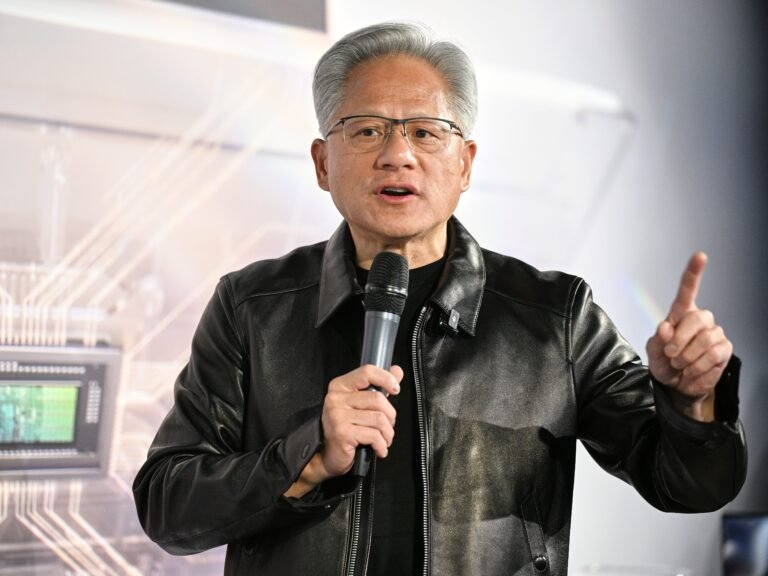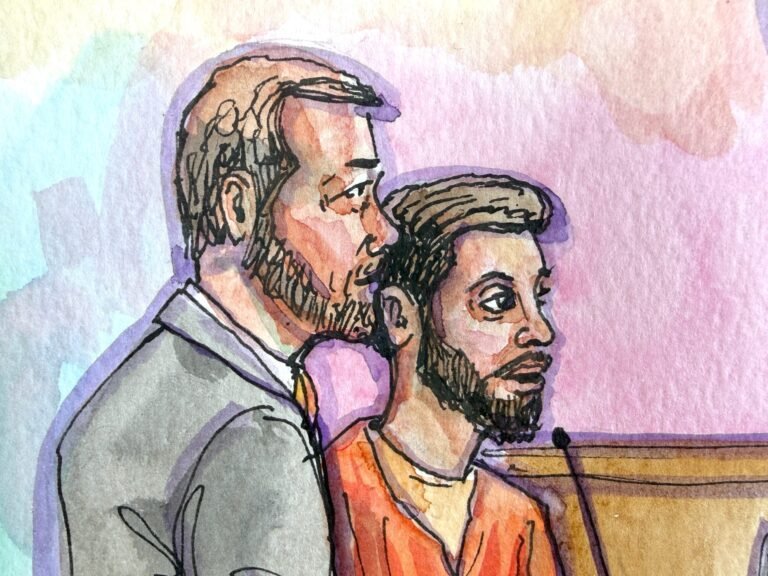
Less than a week after Nvidia’s board said it would not reinstate Jensen Huang, it renamed him President and CEO. President Trump had intervened with public support for Huang and reportedly even called into a board meeting, urging directors to reconsider their position.
While Huang is a visionary leader who has delivered extraordinary results, putting him back at the helm despite an open independent investigation of his conduct may put the company at even greater risk. How will managers hold their teams accountable if the CEO is perceived to be able to violate the company’s code of conduct and lie about it to the board and employees?
As an executive and team coach, I’ve seen this situation time and again (albeit not to this extreme), and it creates a near-impossible situation for the rank and file. Leaders must now hold their teams accountable when employees have reason to question that the minimum standards are discretionary.
Why people defend problematic high performers
Compensation was the most submitted question that then-Interim CEO Colette Kress received during last week’s company-wide meeting. And it makes sense – the stock price dropped sharply when Huang announced his resignation.
Yet it’s not just money that likely motivated over 1,600 comments on an internal post, most supporting Huang’s return. There is also a sense of pride in being part of a winning team, one that was synonymous with Huang. In many ways, defending him may feel like defending what they’ve helped build.
Moreover, with approximately 60 direct reports, there is no apparent successor – heightening the business risk of replacing him. That, coupled with external political and investor pressure from heavyweights such as Trump, Elon Musk, and Bill Ackman, likely fueled the sentiment that Huang should be reinstated.
What happens when exceptions become precedents
Employees may trust Huang’s business judgment but question how Nvidia handles misconduct. The implications of the board’s reversal will likely take time to fully materialize. For example, what happens when a less indispensable leader violates company policy or new allegations emerge against Huang or another executive? Will employees become less willing to raise concerns if consequences depend on someone’s perceived value to the company?
Huang’s personal missteps may also erode trust and credibility with employees, after reports that he misled company leaders about his affair with Alice Huang have shown he is willing to deceive people in his personal and professional life. Employees may think, what else is he capable of? This may affect employees’ willingness to stake their own reputations behind him.
Managers may also struggle to hold people to expectations when employees believe exceptions can be made. One client of mine, whom I’ll call Eliza, is a Chief Revenue Officer with an underperforming VP of Sales who has a long-standing friendship with the CEO. Although the VP of Sales did not perform the basic functions of his role, Eliza couldn’t hold him accountable because the CEO would not back her up. She was responsible for the company’s revenue goal without the authority to deliver it. Ultimately, Eliza gave the CEO an ultimatum – it was either her or her VP. Thankfully theCEO moved him to another department, but the company nearly lost her.
Managing a double standard
When Jensen returned to the office, an employee shouted, “We love you, Jensen!”
And while his return may be welcome to many, it will create a disparity in expectations that managers will have to address. I once worked with a senior executive in a similar situation. Hs team’s frustration with the CEO’s decisions became all-consuming – and he agreed with them. He spent his nights and weekends agonizing, and he found himself adding to their list of grievances in team meetings.
He felt awful, and so did his team. I told him he had a decision to make. He could continue with the status quo, or he could acknowledge the reality of the situation and decide whether he wanted to stay or leave the company.
He ultimately decided to look for a new job, but in the interim, he focused his team on what they could influence. While he didn’t disclose to his team that he was looking, he did tell them that while they worked for this company, they were responsible for having productive conversations that moved the business forward. If anyone felt they couldn’t do that, he would support them if they decided to leave. This alleviated the burden he felt he was carrying by trying to “protect” his team.
Managers who are in the thankless position of serving under a divisive leader are stuck between a rock and a hard place. They are caught between a leader they can’t remove and their employees. Their best bet is to be clear about where their authority begins and ends, and make it clear that their team, including themselves, will be held to a high standard. But the internal cost of doing this when the company’s leader is not held to the same standard is high, and this creates a ripe breeding ground for talented managers and employees to leave.
While it is rare for a company to be ensnared in a scandal of this magnitude, leaders often face pressure to overlook the behavior of someone who delivers exceptional results. Overlooking this behavior may seem like the easiest path for continuing to deliver exceptional results–but it comes with a cost: the well-being of the rest of the team. This is why adequate succession planning is so critical, so no one becomes “too big to fail.”