A Safer Road Ahead
While automakers are aiming to eliminate traffic fatalities through more advanced safety equipment in their cars, the National Highway Traffic Safety Administration (NHTSA) is also putting in the work to make sure American drivers get home safely. In its latest report for the first half of 2026, the federal safety agency said that road fatalities dropped despite drivers traveling more miles.
NHTSA estimated 16,750 traffic deaths in H1 2026, down 2.5% year over year. The fatality rate dropped from 1.05 to 1.02 deaths per 100 million vehicle miles traveled, making it the second-lowest first-half fatality rate in U.S. history, while vehicle miles traveled increased by 0.8%. The agency highlighted its Pathways to Safer Streets action plan, which addresses leading causes of traffic deaths, including reckless driving and impaired driving.
Looking at the Stats
However, some states are bucking the trend, including Delaware (+28.3%), North Dakota (+25%), and Kentucky (+18.2%). D.C. recorded a 128.6% increase in traffic fatalities, but to be fair, the U.S. capital had the lowest estimated fatality count at just 16, compared to Texas’ nationwide high of 1,851, down 0.3% year over year.
California had the second-highest fatality count at 1,825 (+1.8%), followed by Florida at 1,439 (-2.4%), North Carolina at 746 (+7.2%), and Georgia at 658 (+10%).
Although NHTSA did not specifically attribute the decline to more advanced in-car safety features, a 2025 research summary from the Insurance Institute for Highway Safety (IIHS) showed how certain advanced driver assistance system (ADAS) functions can reduce crashes. Automatic emergency braking reduced front-to-rear crashes involving injuries by 56%, while rear automatic braking reduced backing crashes by 78% when combined with a rearview camera and parking sensors.
Interestingly, however, NHTSA has recently proposed delaying stricter automatic emergency braking requirements for major automakers by two years to 2031, citing technical challenges involving high-speed collision avoidance and low-light performance.
Honda
The Road to Zero
The Pathways to Safer Streets action plan will continue to pursue safer roads through eight core pathways: strengthening traffic enforcement, curbing excessive speeding, preventing impaired driving, supporting state highway safety offices, expanding prehospital blood transfusion programs, building nationwide safety partnerships, promoting seat belt and child restraint use, and reducing distracted driving.
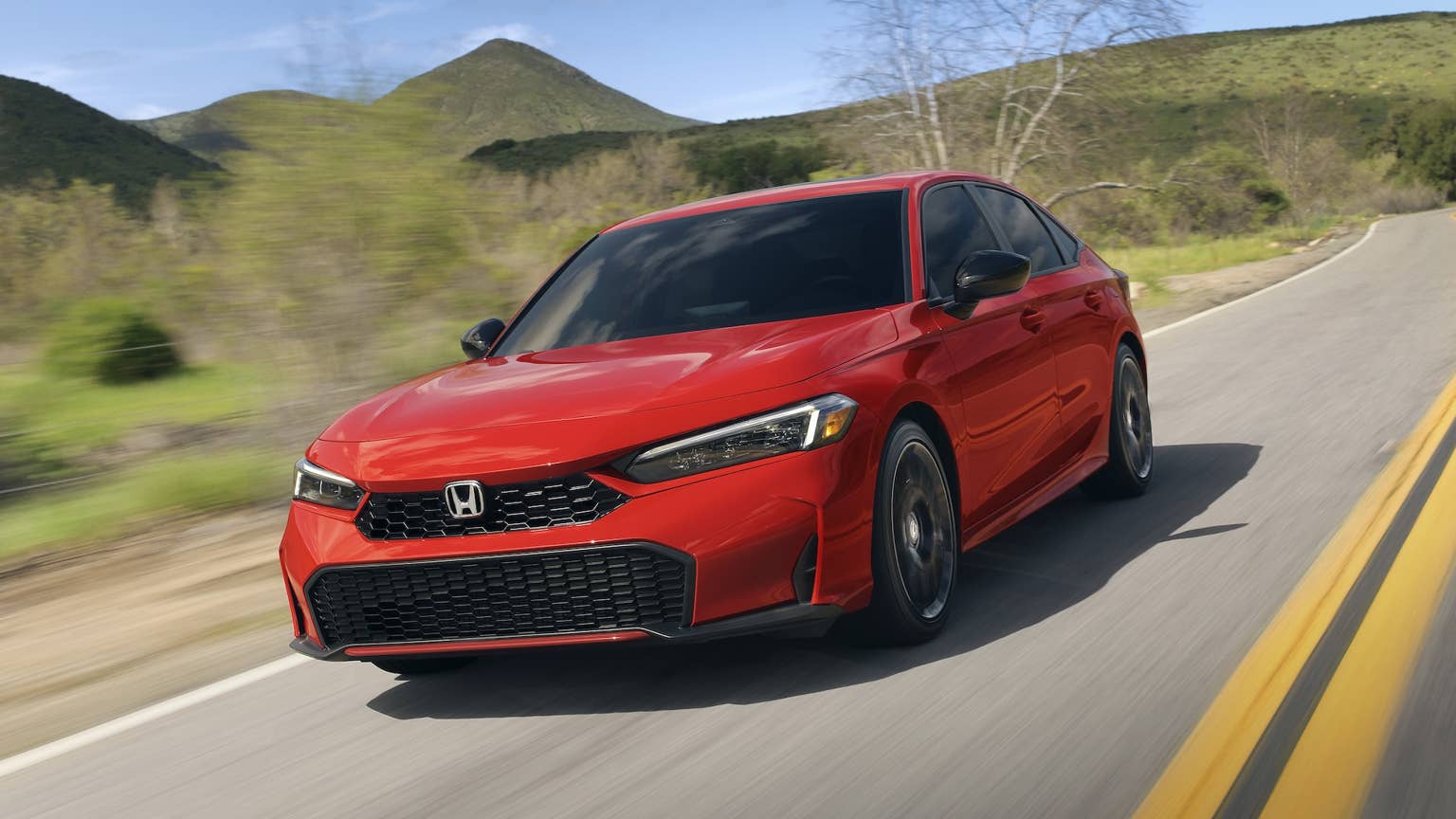
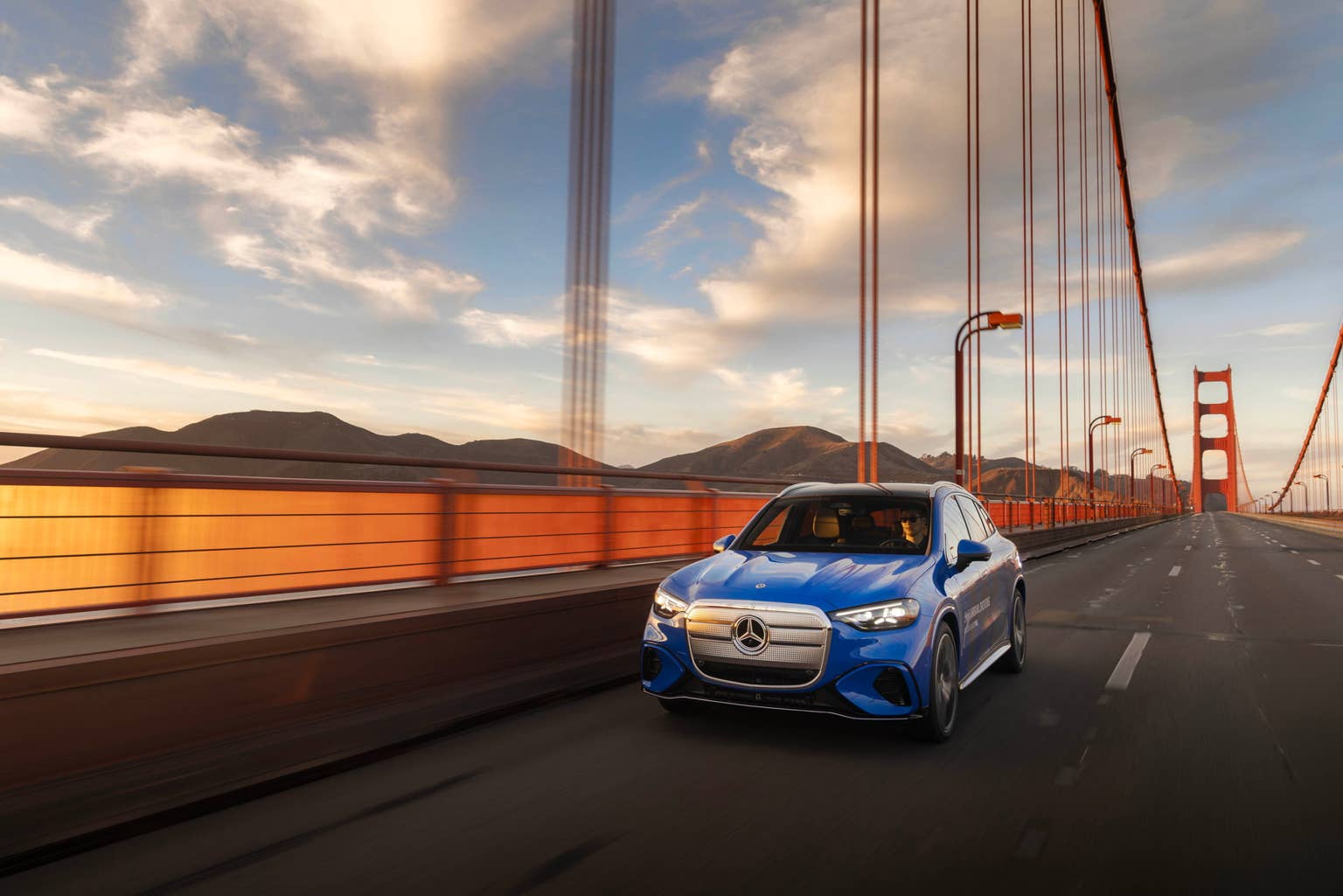
For their part, some automakers will continue developing their safety features with the goal of completely eliminating road fatalities involving their vehicles. By 2050, Honda aims to eliminate fatalities involving its cars and motorcycles worldwide, while Mercedes-Benz is going even further by pursuing accident-free driving altogether.
Mercedes-Benz