Humanoid Automation
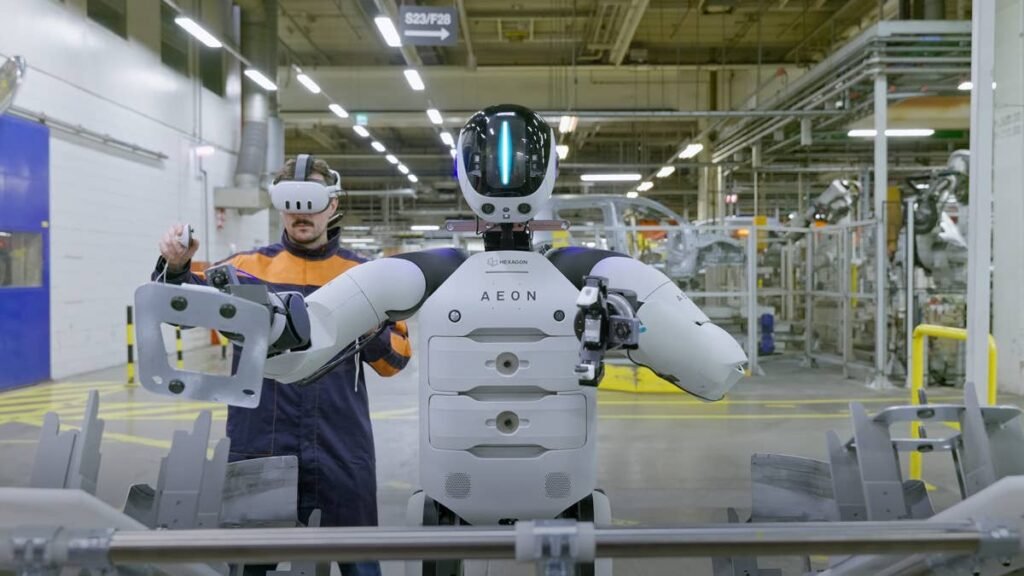
Most factories in the world have adopted automation for vehicle production lines, but until now, these facilities have used robots and fixed lines for repetitive work. These arms have handled painting, welding, and other precise tasks for years, but they can’t do the finer work that only line workers and human hands can.
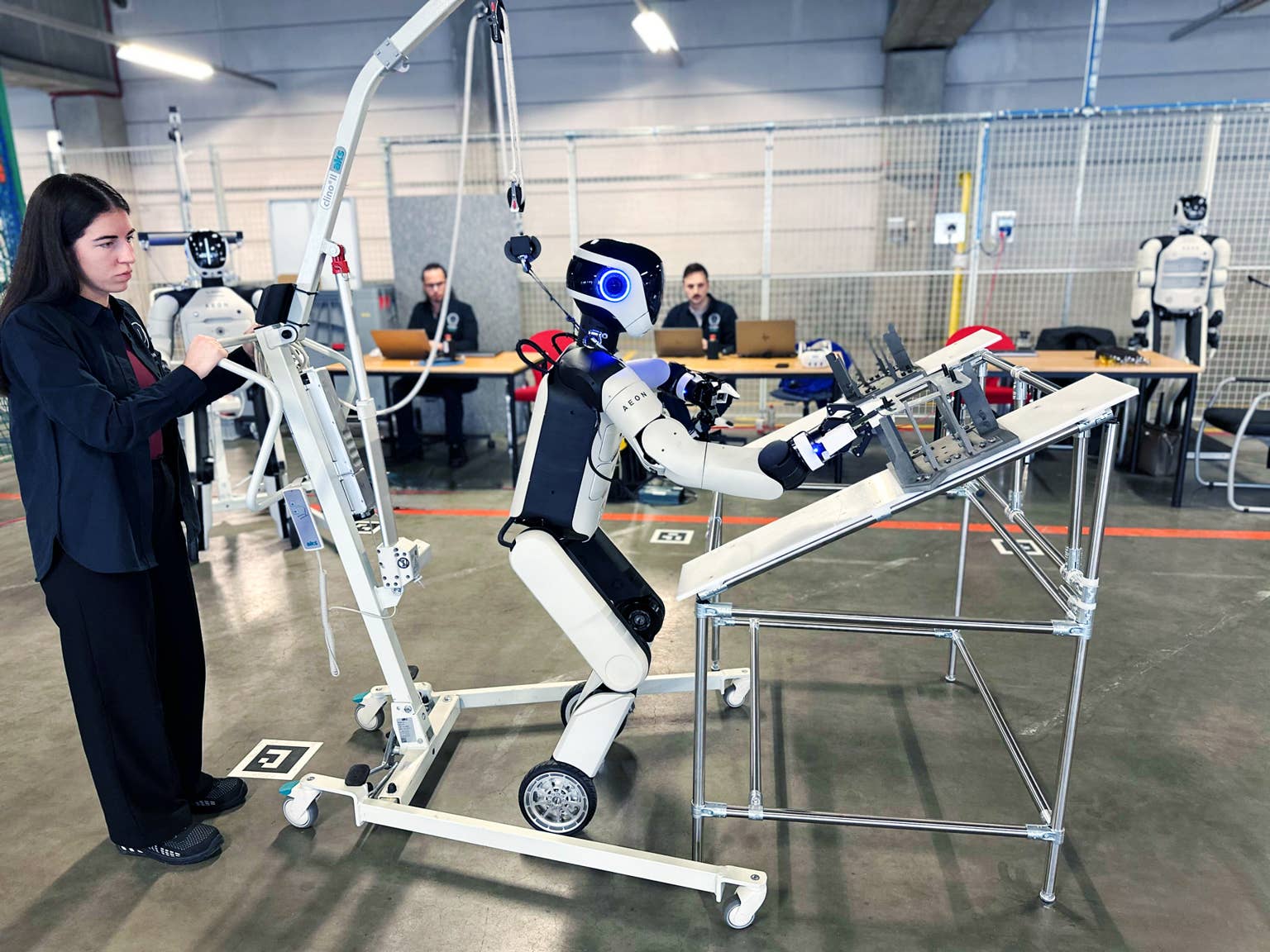
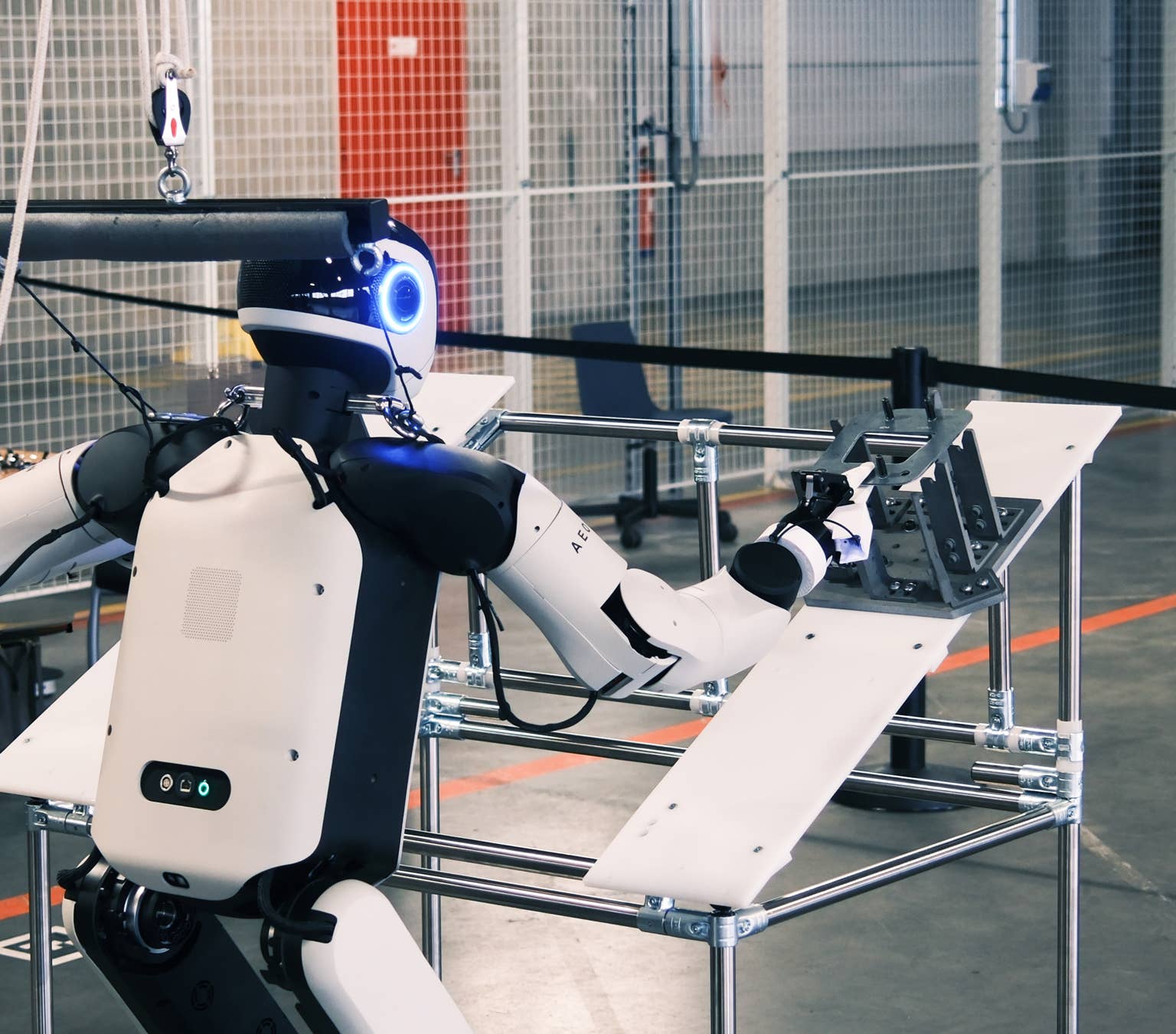
Now, Volvo is trying to change that and is training humanoid Aeon robots from Hexagon in order to work alongside existing line workers. The automaker will install these robots in its Ghent plant in Belgium, and the first task will be to place components into two fixtures.
Volvo
Imitation Learning
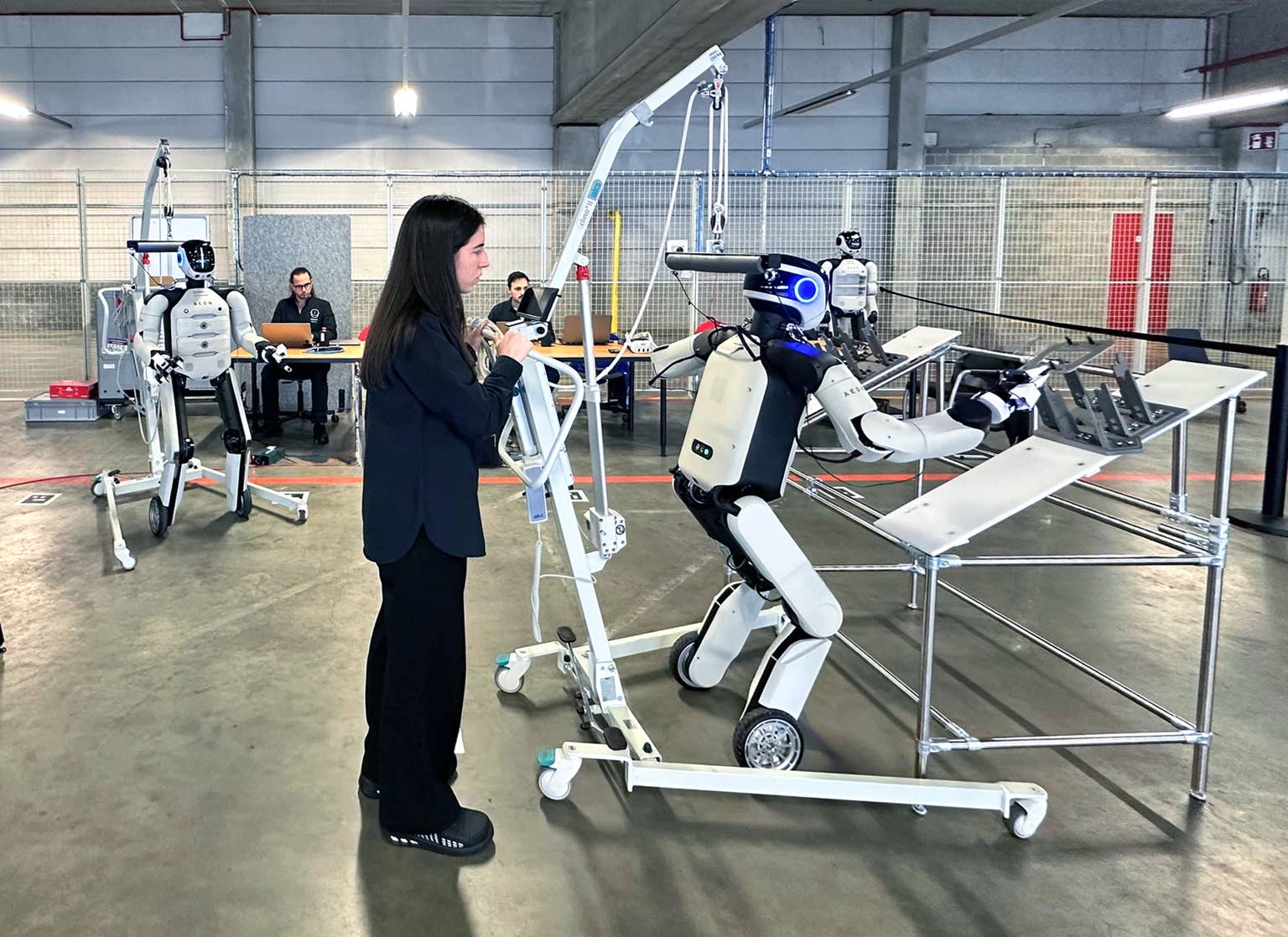
Coming in at 5 feet and 5 inches tall and weighing 132 pounds, these robots are designed to slot alongside other humans in the production line and are designed to complete physically demanding jobs. In most factories, there are still line workers to affix dashboards, interior trim, features, and other smaller tasks, but these Aeon units aim to fill in the gaps that the bigger robot arms couldn’t fit into.
The Hexagon Aeon units use imitation learning in order to get trained. A human reference is still needed because the robot is designed and programmed to copy a task after watching a human perform it. Volvo plans to train the robots to learn alongside its employees first, then deploy them in two fixtures on the production line. It’s there that the inspectors will check the work done and make tweaks until the tasks are up to snuff.
After the first fixture task is sorted, the automaker plans to install these robots in other parts of the manufacturing process, which would include handling multiple parts, moving around the production area, and even interacting with other robots.
Volvo
Better than Humans?
Aside from their human proportions, height, and weight, the robots can travel at about 5 miles per hour thanks to their wheels. These units can also handle loads of up to 22 pounds while going that speed. For context, 5 miles per hour is about the speed of a casual jog.
Volvo plans to bring more Aeon robots into its Ghent plant for a wider range of tasks by the first half of 2027. Following the first half of next year, the automaker plans to target real production use without supervision. Right now, these robots are undergoing training.
Apart from fixtures, Volvo plans to train these Aeon units to handle multiple parts at a time, navigate the factory floor, and also “talk” with the plant’s other robots on the production line. It looks like the ultimate goal is full automation, and Volvo might be one of the first car manufacturers to earn that accolade.
Volvo