A new study from the University of Michigan found that driving an electrified vehicle will reduce greenhouse gas emissions compared to those produced by a gasoline car, regardless of where you live, so long as you live within the contiguous United States.
EVs Are Cleaner Than Gasoline Cars
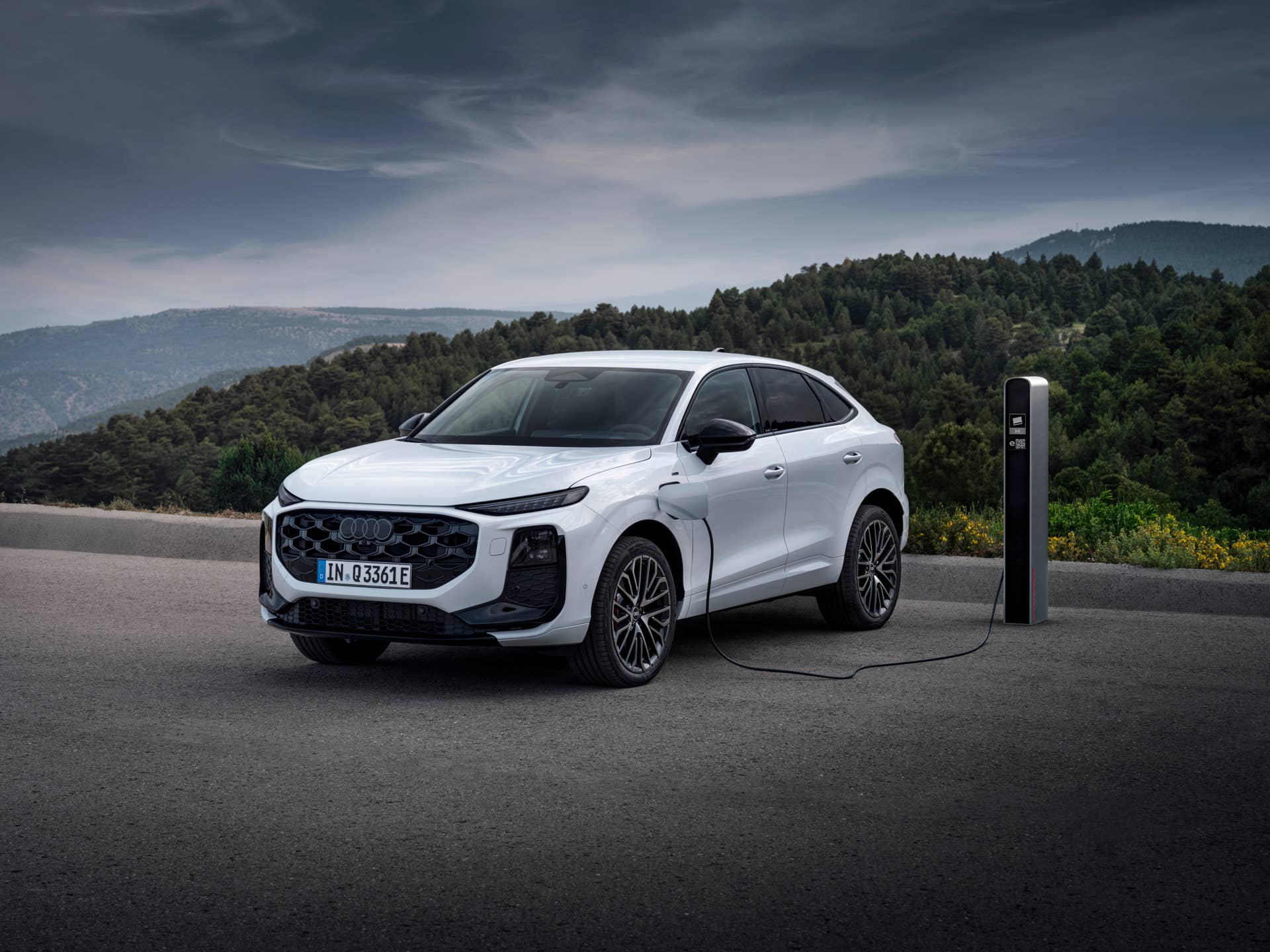
The authors of the study say it is the “most comprehensive to date. ” An online calculator will allow drivers to estimate greenhouse gas emissions based on what they drive, how they drive, and where they live, so you can see for yourself what your own emissions look like.
“Vehicle electrification is a key strategy for climate action. Transportation accounts for 28% of greenhouse gas emissions and we need to reduce those to limit future climate impacts such as flooding, wildfires and drought events, which are increasing in intensity and frequency,” said Greg Keoleian, senior author of the study and professor at the University’s School for Environment and Sustainability (SEAS).
Electrified Cars Are Cleaner From “Cradle-to-Grave”
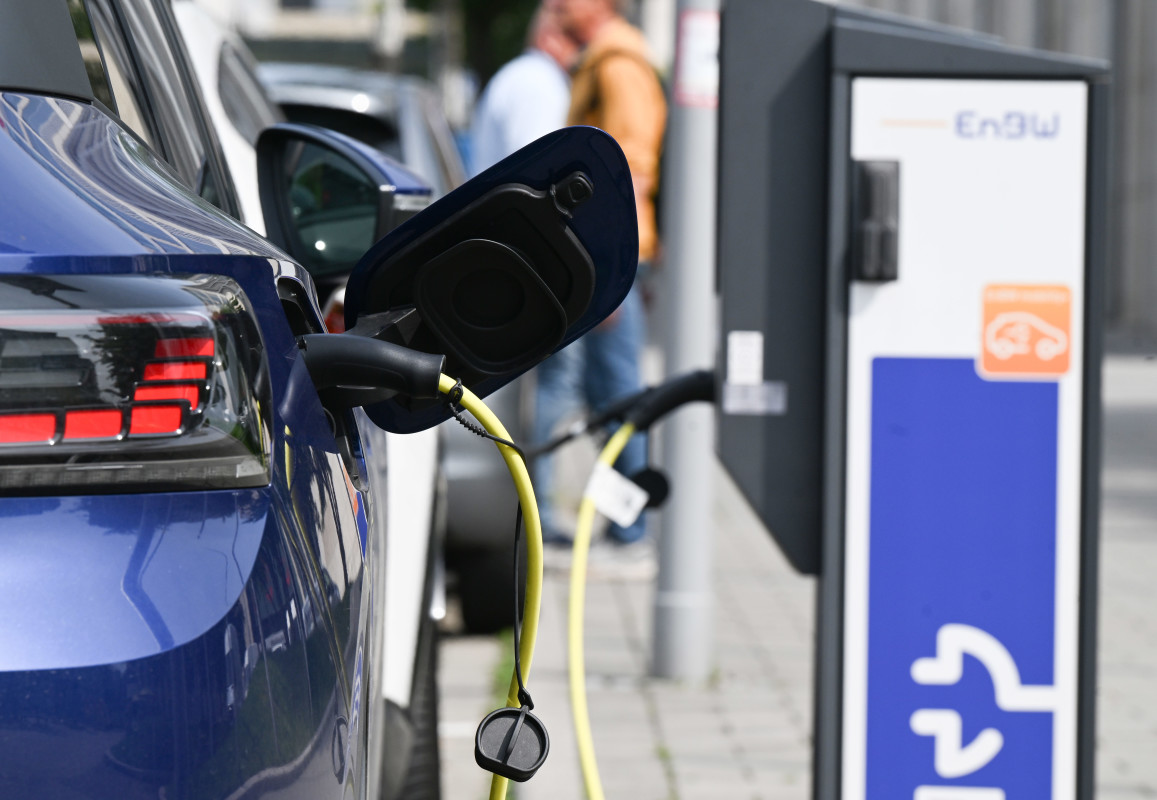
Getty Images
Critically, Keoleian and his colleagues studied each vehicle type’s environmental impact across the vehicle’s lifetime, not just within a given mileage or timeframe, as some studies have done. Other factors, like vehicle class, driving behavior, and location, were also considered. Powertrains included internal combustion engines, hybrid electric, plug-in hybrids, and fully electric. For hybrids, the U-M researchers also considered how often drivers of PHEVs were driving on battery power or gasoline.
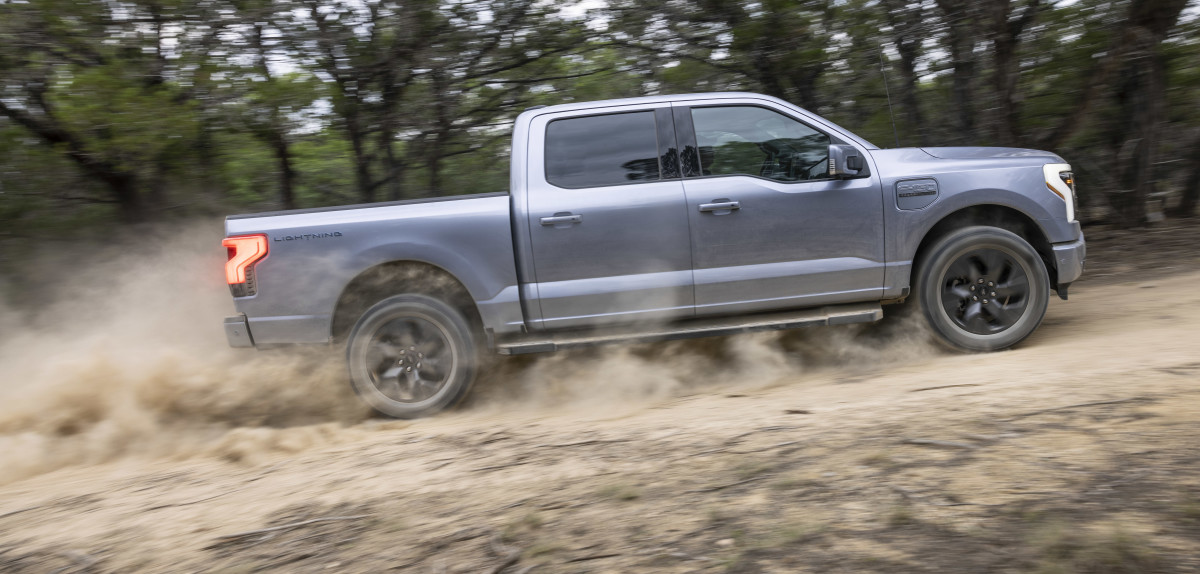
The study found that EVs have lower emissions “over their lifetime than any other vehicle type in every county in the contiguous U.S.” Predictably, combustion-powered pickups, one of the most popular segments in the US today, pollute the most. This is true to such an extreme that the study shows an electric pickup truck could carry 2,500 pounds of cargo and still emit 30% less than an unburdened ICE truck. Small, compact, electric sedans pollute the least, owing largely to their low per-mile emissions and smaller batteries.
Ford
In fact, larger batteries and the greater range they typically carry can harm the efficiency of electric vehicles. Instead, the study’s lowest emissions vehicle was a compact sedan with around 200 miles of range.
Study Shows American Car Culture Is Off Base
Rivian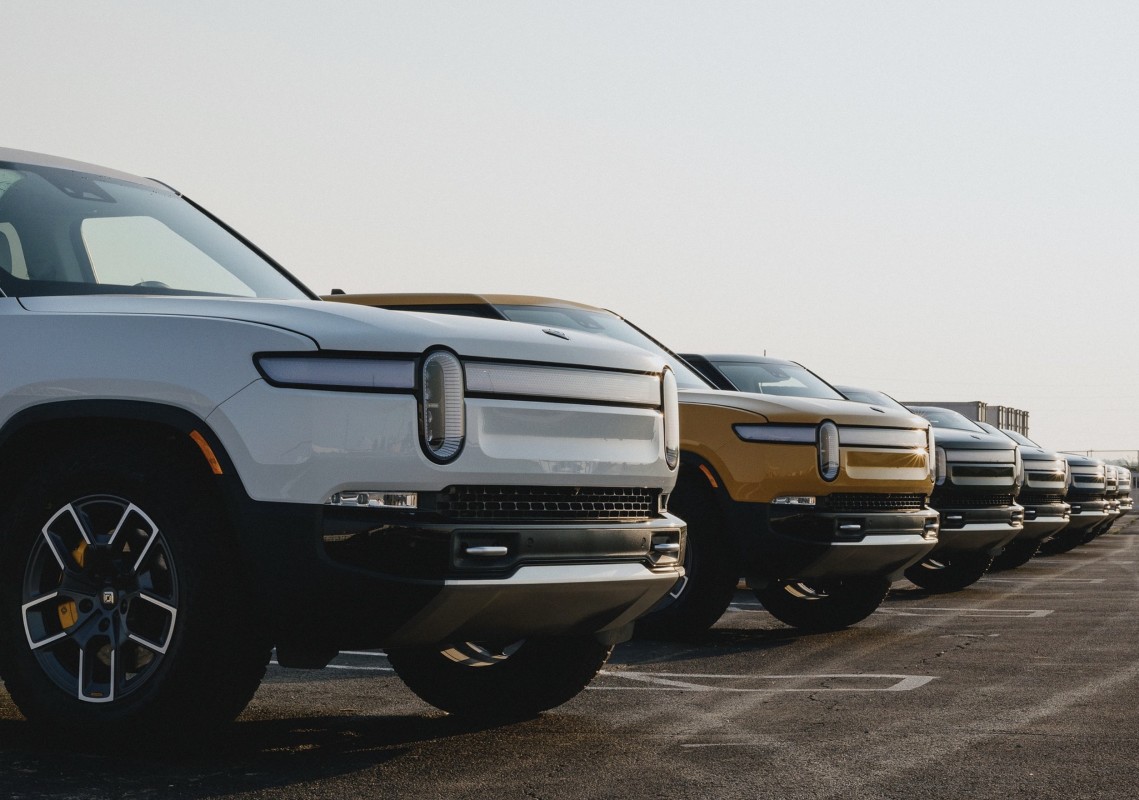
The study points out some glaring issues with the car culture in the US. Buyers often end up in EVs doing significantly more than they need, and with more range than they need. To be able to effectively reduce one’s carbon emissions, Keoleian says you need to be doing the opposite: “The thing is really matching your vehicle with your needs,” Keoleian said. “Obviously, if you’re in the trades, you may need a pickup truck. But you can get a battery electric pickup truck. If you’re just commuting to work by yourself, I’d recommend a sedan BEV instead.”