Toyota is shifting gears in the U.S. by moving future EV SUV production to its Georgetown, Kentucky facility. The announcement underscores both Toyota’s cautious but deliberate approach to electrification and its response to mounting tariff pressures on imported vehicles.
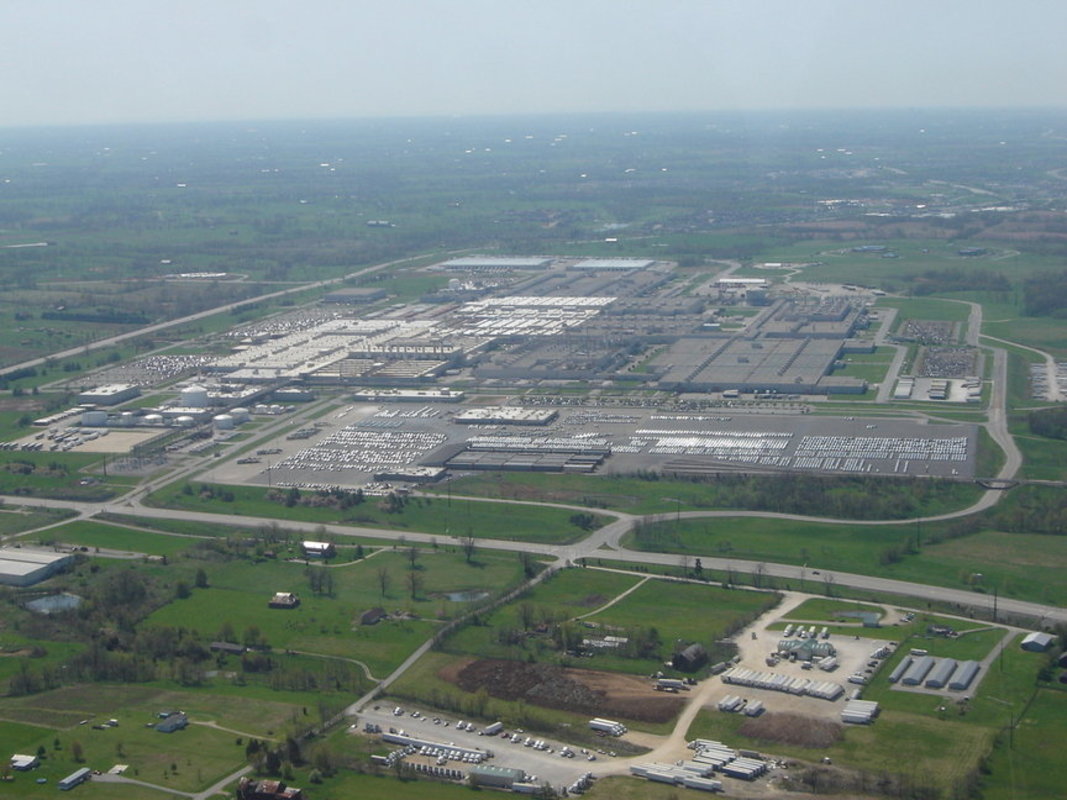
What’s Changing in Kentucky
The Georgetown plant, Toyota’s largest in the world, will take over assembly of two three-row electric SUVs—one expected to slot near the RAV4, the other tied more closely to the Land Cruiser. The decision means the plant will end production of the Lexus ES sedan and ES Hybrid by late 2025, with that line moving back to Japan. In its place, Toyota will invest about $1.3 billion to modernize the facility for EVs and battery pack assembly.
The move highlights Toyota’s balancing act. On one hand, it’s preserving hybrids such as the Camry and RAV4, which will continue in Kentucky. On the other, it’s clearing the decks for its first large-scale EV SUVs aimed squarely at the U.S. market.
Toyota
Why Toyota Is Doing This
Trade tensions and tariffs are driving part of the decision. Building EVs in the U.S. shields Toyota from costly import fees while positioning it to take advantage of federal incentives. At the same time, Toyota has made it clear that it doesn’t view EVs as the only solution. As executives have said, gasoline engines and diverse powertrains still have a future.
Still, the timing is critical. Toyota recently confirmed plans to support enthusiasts with heritage projects like the AE86, with TGR reproducing key 4A-GE engine components. But for its mass-market business, electrification has to scale—and Kentucky is where that starts.
Toyota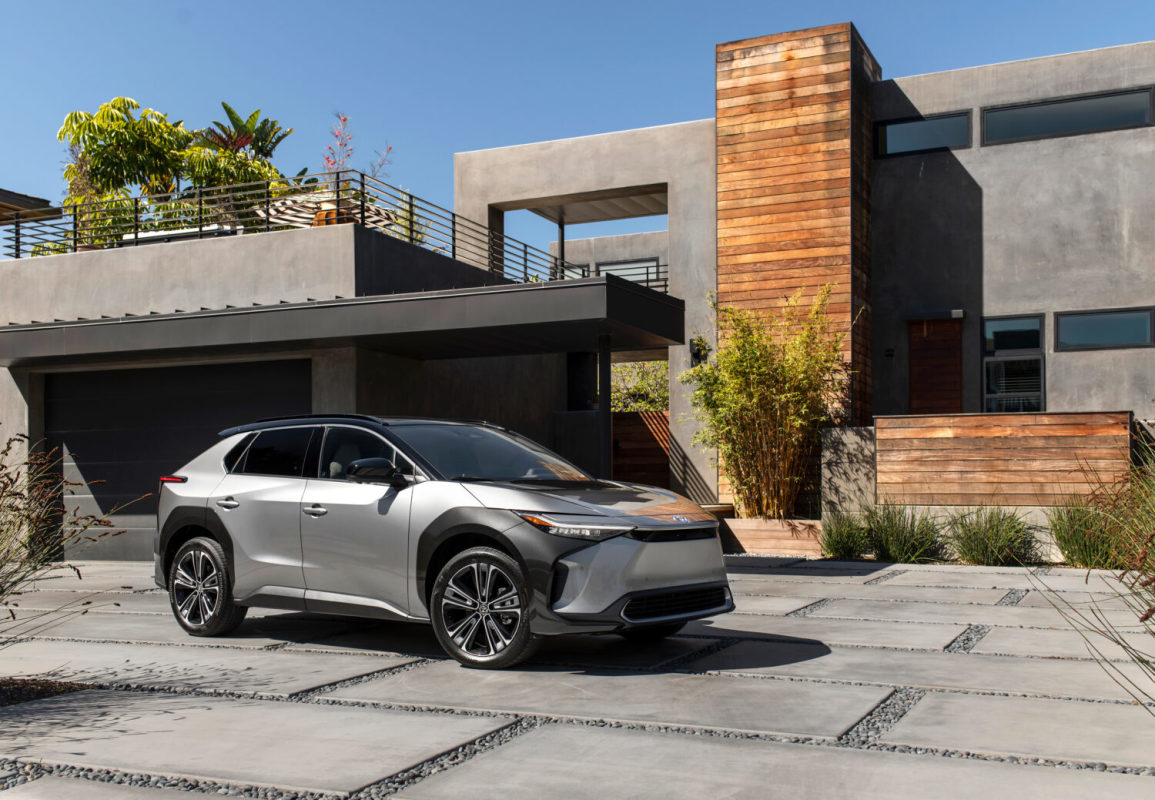
The Market Context
Toyota’s EV pivot arrives just as its SUV strategy gets more crowded. Adding new three-row EVs to a lineup already flush with Highlanders and Grand Highlanders shows Toyota is betting customers will sort themselves out if the pricing and incentives are right.
Meanwhile, tariff realities are reshaping the luxury side of the business. Toyota recently confirmed plans to slim down U.S. Lexus production in order to prioritize hybrids and EVs where demand is strongest.
My Final Word
The Kentucky announcement is about Toyota retooling itself for a U.S. market that’s both electrifying and fragmenting at the same time. From heritage projects that keep the AE86 alive to billion-dollar bets on new factories, Toyota is spreading its chips widely.
The question is whether customers will embrace its slow-but-steady EV rollout, or if rivals already deeper into electrification will lap it before production even begins.