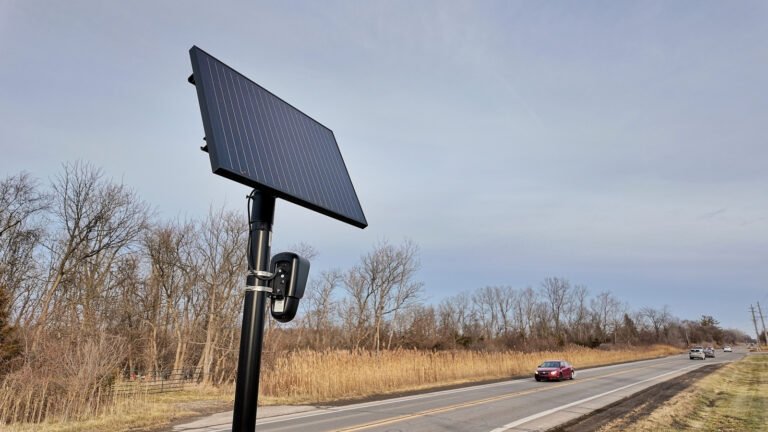
Electric vehicle sales grew by 25% worldwide through August 2025, marking one of the strongest adoption years yet. According to the IEA, more than 17 million EVs were sold globally in 2024, and BloombergNEF expects that number to rise to 22 million this year. China and Europe continue to fuel this momentum thanks to affordable EV options, strong government incentives, and tougher emissions regulations.
But the North American picture tells a different story. Year-to-date growth in the U.S., Canada, and Mexico has been just 6%, a fraction of the global pace. Expiring tax credits have created temporary sales spikes, but with affordability still a major barrier, it’s clear the region risks falling behind.
Ford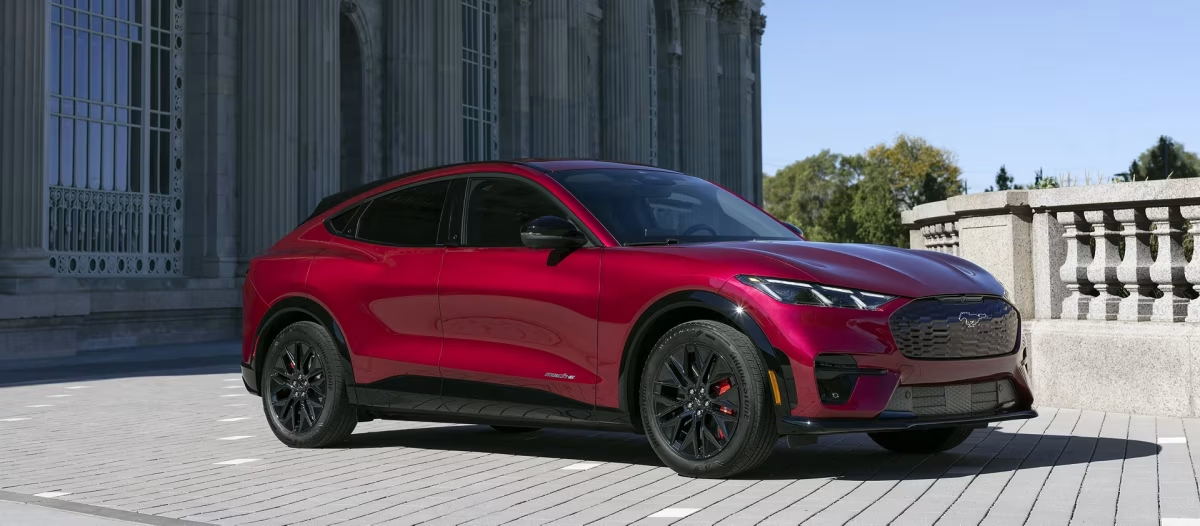
U.S. Sales Surge Mask Deeper Problems
On the surface, August looked like a turning point for American EV sales. Ford, for instance, posted its best month ever for the Mustang Mach-E, with the SUV leading the brand’s EV surge. Similarly, Hyundai logged a 12% jump in August sales, with EVs doing the heavy lifting for its growth.
Still, those gains are being overshadowed by the wider slowdown in the market. Incentives may be driving sales in the short term, but many dealers are already preparing for softer months ahead once the credits disappear, and that makes EV adoption in the U.S. feel more fragile than ever.
GM and Ford Close the Gap on Tesla
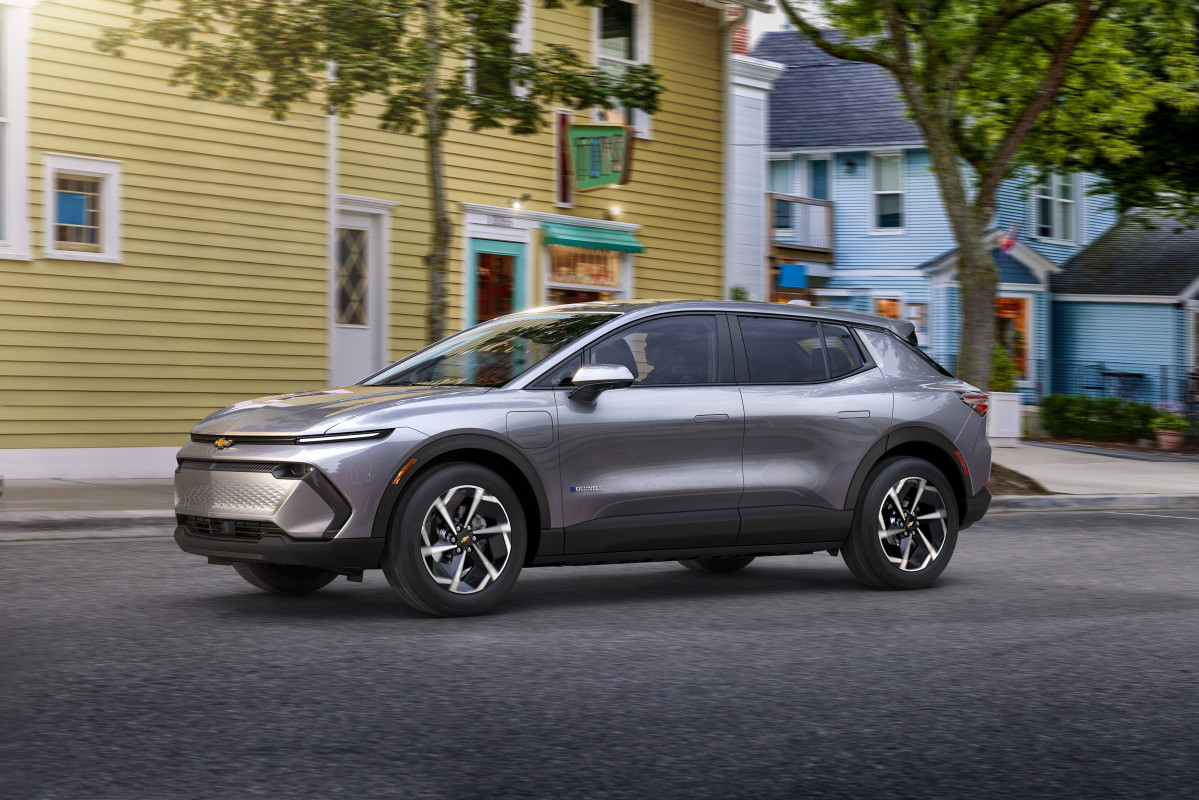
Tesla still leads the U.S. EV market, but General Motors has emerged as its strongest challenger, climbing to the number two spot nationwide. Analysts point to GM’s growing Ultium-based lineup, aggressive lease offers, and strong Chevrolet Equinox EV demand as factors driving its rise.
Meanwhile, Ford is counting on its broader EV lineup to keep the pace going after the Mach-E. At the same time, Tesla is feeling pressure from several directions as rivals step up their game, even while the overall market shows signs of slowing.
Hyundai
What Slower Growth Means for North America
The global EV market is proving that adoption accelerates when policy, affordability, and infrastructure align. North America’s modest 6% growth underscores what happens when those factors lag. Without new incentives or lower-priced EVs, the U.S. risks ceding leadership in the global EV transition.
For automakers like Ford, GM, and Hyundai, the next year will be critical. They have proven they can capture buyers when the market conditions line up in their favor, but the real challenge will be figuring out how to keep that momentum going once the tax credits fade away.