You’re at a busy crossing. Three electric cars roll in quietly. You hear a polite electronic hum, maybe a soft beep. Your ears say “car nearby,” but your eyes don’t know where to look. That brief pause is the risk. Today’s warning sounds make EVs audible at low speed; they don’t always help you find the car in a crowd.
The real problem isn’t hearing — it’s finding
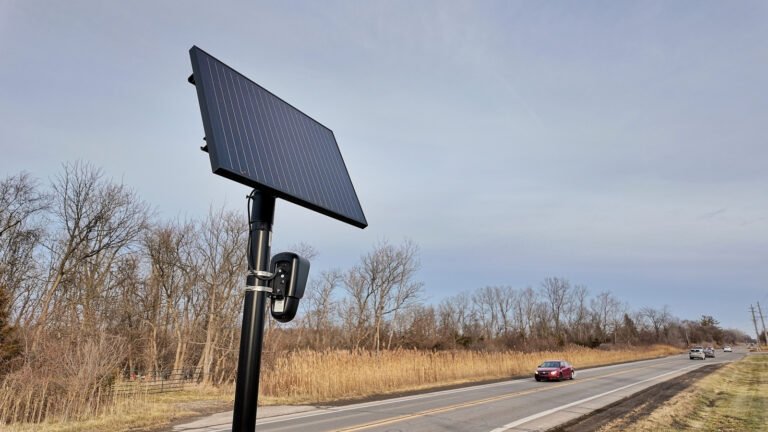
Electric cars use Acoustic Vehicle Alerting Systems (AVAS), warning sounds at low speed so people know they’re there. On a quiet street, that works. In a crowd, people hear the alert but struggle to find the car fast enough.
Your ears locate broad, textured sounds better than neat little chimes. Engines and tires throw off a rich mix your brain can point to quickly. Many EV alerts are simple two-note tones, which carry, but don’t help with direction.
What the latest tests actually show
A 2025 lab study recreated street scenes and asked people to point to the “car” using sound alone. With one vehicle, people did fine. With two, mistakes and delays grew. With three, the basic two-tone alert performed worst: more wrong guesses and around four seconds to lock on.
Broader “hiss-style” alerts and richer multi-tone sounds worked better than the simple chime in busy scenes. Even so, a normal petrol car remained easier to place.
Chevy
The rules measure loudness, not direction
The US quiet-vehicle rule (FMVSS 141) sets how loud an EV must be at low speed. It does not test how well people can locate the car, or how long that takes, especially with more than one vehicle nearby. So a car can pass the lab test and still be hard to place on the street.
Recent recalls show the basics matter too: one over alerts not changing volume properly with speed, another over the wrong reversing sound. Small software choices affect what people hear—and how they react.
Recent recalls show how small software choices can confuse people on foot. And equally small changes can solve them.
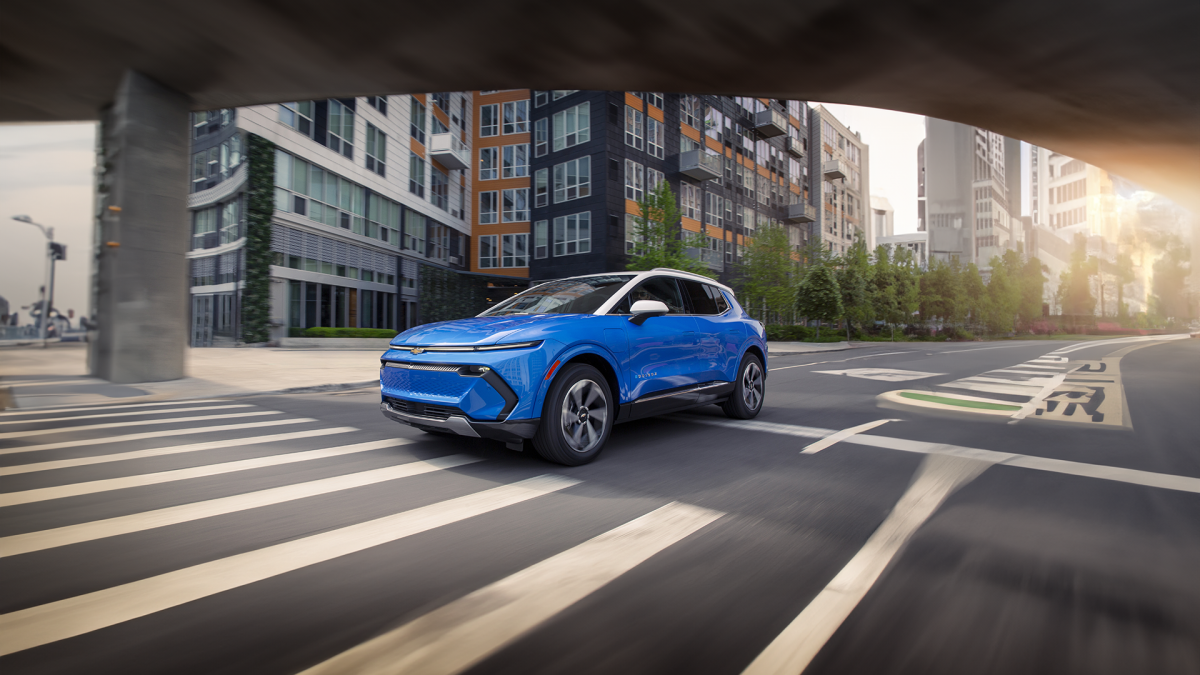
- Chevrolet Equinox EV (NHTSA 24V-925): Incorrect software calibration made the pedestrian alert too quiet and failed the required relative volume change around 12–19 mph, so GM recalled 7,606 2025 units for a free software update and owner notification.
- Mercedes-Benz EQE/EQS (NHTSA 25V-366): AVAS software played the wrong reversing sound (non-compliant with the rule), so MBUSA recalled 94 vehicles for a dealer software update to the sound generator control unit, with owner notices issued.
Will fixing this make towns louder?
No. Above about residential speeds, tire and wind noise dominate and AVAS is usually off. The work is all at low speed—creep, reverse, car-park maneuvers—where a smarter sound beats a louder one. You can keep the overall volume civil and still make it easier to point to the car.
Mercedes-Benz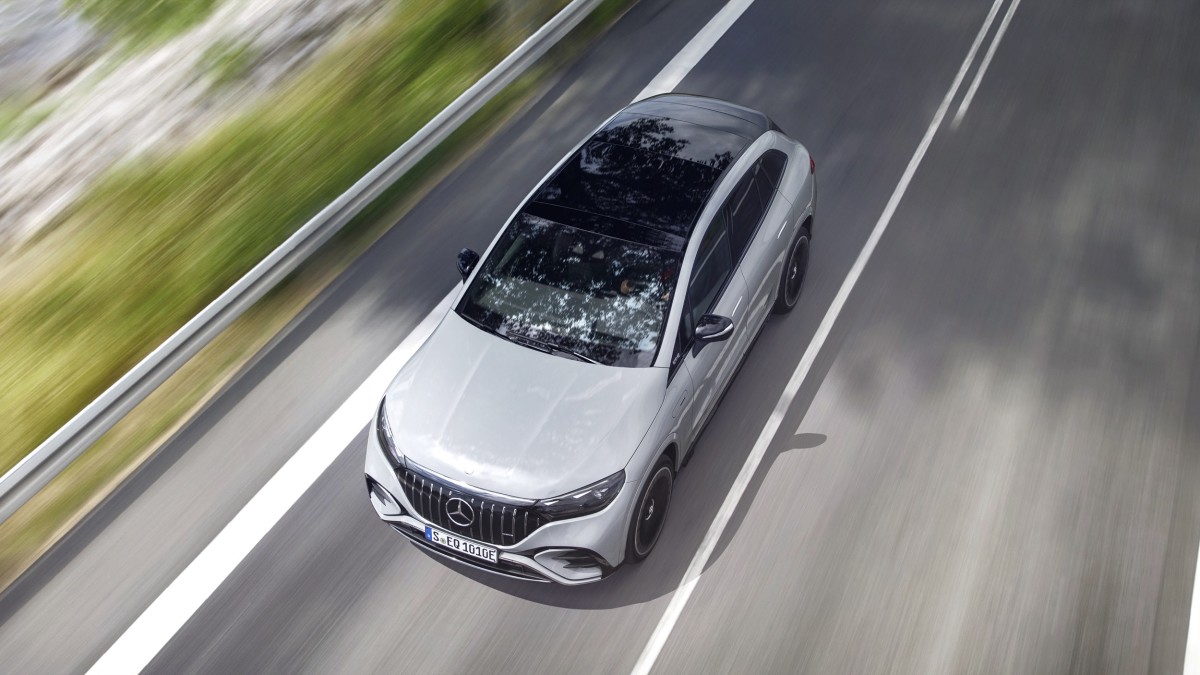
What actually helps (without shouting)
- Use broader, textured alerts. A gentle noise-like wash gives better directional clues than a clean two-note chime.
- Aim the sound. Push a bit more energy forward and to the near sides so the cue lines up with the car’s position.
- Avoid copy-paste sameness. When several EVs are close, small standard differences stop alerts from blending together.
- Test what matters. Measure how accurate people are, how fast they lock on, and how often they fail—using one, two and three vehicles.
Why it matters for people on foot
People wear headphones. People look at phones. The first useful reaction is snapping your eyes in the right direction. If the sound helps that snap, you make safer choices at the kerb, at school pick-up, and in car parks.
What carmakers and regulators can do now
- Carmakers: Keep brand flavor, but start with a localizable base: broadband texture first, identity note on top, mild forward “aim,” validated with one, two and three vehicles.
- Regulators: Keep loudness checks, add short human tests: limits for error (degrees), time-to-localize (seconds), and failures, plus a cap on confusing sameness when EVs cluster.
My Verdict
We taught quiet cars to speak. Now we need them to speak clearly. Broader, better-aimed alerts—and simple tests that check how quickly people find the car—will make crossings feel safer without turning streets into siren zones. Keep the volume polite. Make the cue helpful.