Bentley has joined Porsche in pushing back its deadline for a fully electric future. Speaking recently, new CEO Frank-Steffen Walliser confirmed that the brand will extend the life of its internal combustion engine (ICE) models well into the 2030s, adjusting its Beyond100+ plan as market realities shift.
Related: Porsche EV Disaster: $6 Billion Wipeout Slams Volkswagen
Why Bentley Is Extending the ICE Age
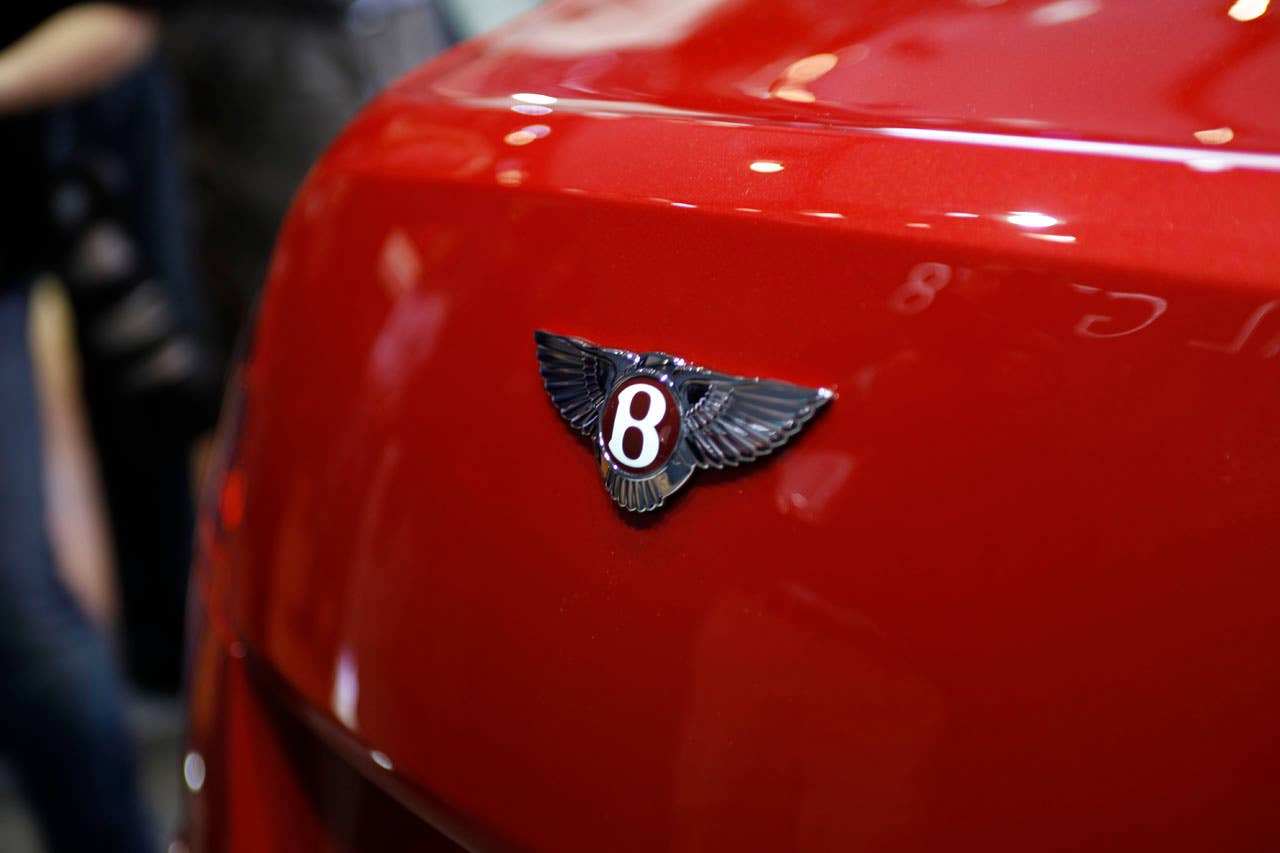
Originally, Bentley pledged to go fully electric by 2030. That target was later delayed to 2035, and now the company has confirmed that Continental GT, Flying Spur, and Bentayga models will remain available with traditional engines and plug-in hybrids for the foreseeable future. Walliser noted that uneven EV demand across markets and the high costs of scaling electrification require a more flexible approach.
This decision mirrors Porsche’s stance of continuing to refine ICE technology while gradually electrifying its lineup. For Bentley, that balance is also a brand necessity, performance and refinement are central to its identity, and loyal buyers aren’t all ready to embrace full electrification.
Bentley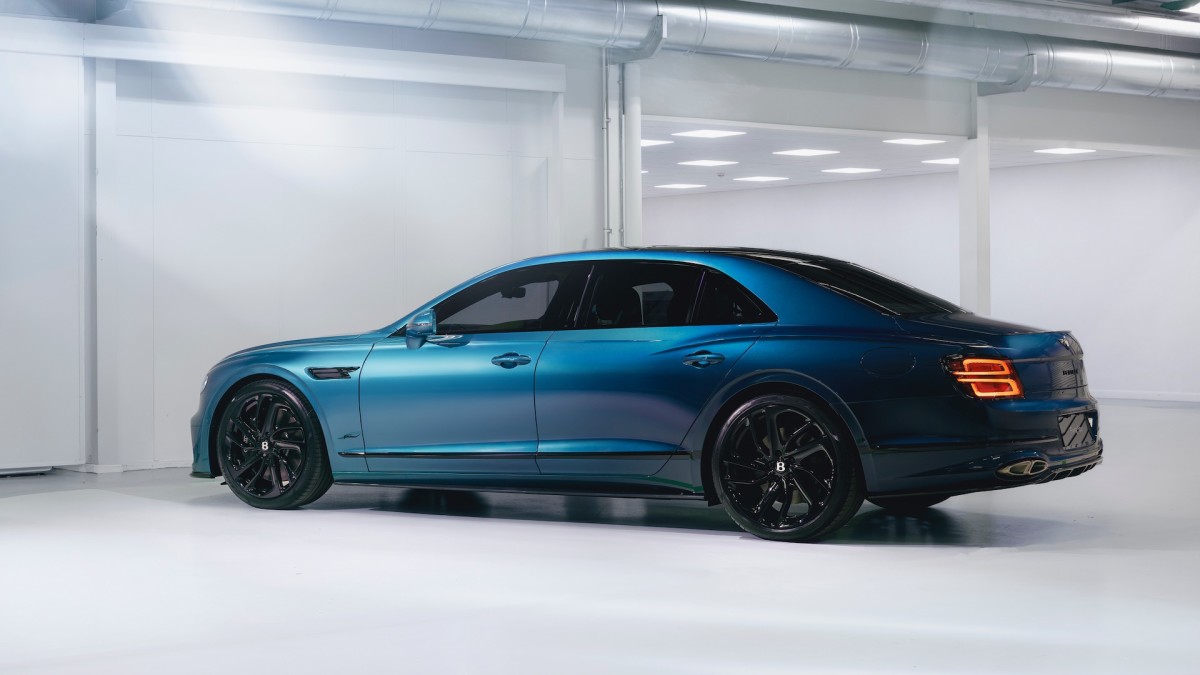
Balancing Tradition and Innovation
Bentley is no stranger to finding ways to preserve tradition while innovating. The company has built a reputation for bold exclusivity, whether through engineering or design. Just this month, Bentley turned heads by offering a stunning $68,000 paint fade, an intricate “Ombré” finish that takes nearly 60 hours to complete.
That willingness to push craftsmanship underscores why extending ICE models makes sense, as many Bentley buyers still want visceral engines paired with bespoke artistry.
Bring a Trailer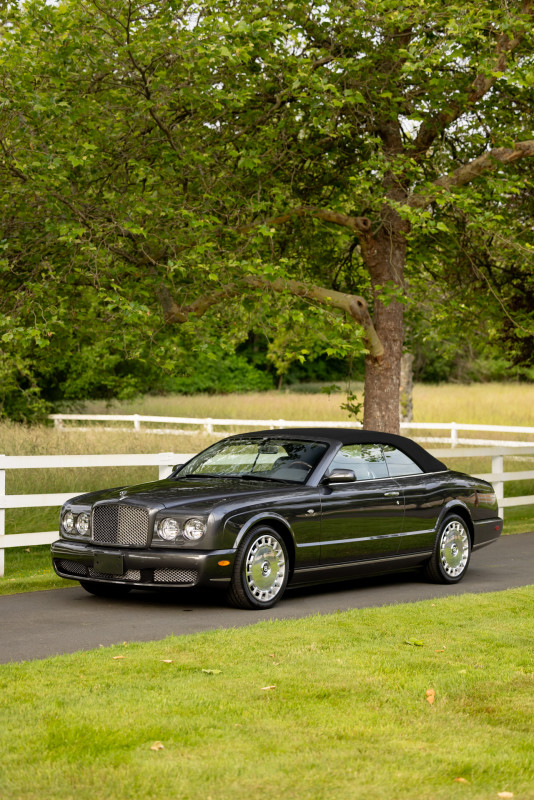
Looking Back to Look Ahead
The move also reflects how Bentley values heritage alongside forward-looking strategy. Collectors recently had a reminder of the brand’s rarified past when an ultra-rare 1992 Bentley Val D’Isere wagon built for the Sultan of Brunei surfaced for auction, one of just 11 examples ever made. While the new ICE roadmap won’t replicate such coachbuilt oddities, it reinforces that Bentley thrives by blending exclusivity, scarcity, and staying power.
Even more mainstream models have become symbols of time-tested luxury. A 2009 Bentley Azure with just 1,800 miles was recently listed for sale, a reminder of how even “modern” Bentleys are cherished for their craftsmanship and performance. Extending ICE life ensures that more of these machines will join future collector lists.
What Comes Next
Walliser emphasized that Bentley isn’t abandoning electrification. The brand still plans to launch its first EV in the coming years, but hybrids and ICE models will continue to play a large role until at least 2035. That gives Bentley time to refine EV tech, manage costs, and match demand in key markets like the U.S., China, and the Middle East.
The broader message is while regulators may push for aggressive EV adoption, Bentley, like Porsche, is betting that luxury buyers want choice. Keeping the ICE alive alongside new EVs lets the brand deliver both tradition and technology, even if it means the road to an all-electric future will take a little longer.