Ford has confirmed it will enter the World Endurance Championship’s Hypercar class in 2027 with a factory program unlike anything the company has attempted in decades. Rather than outsourcing its Le Mans return, Ford will build and run its own Hypercar in-house under the newly rebranded Ford Racing division, the successor to Ford Performance, which the company says will better connect its track and street programs.
“This is not a marketing exercise,” Ford Racing general manager Will Ford recently emphasized, highlighting the seriousness of the program and its role in shaping Ford’s wider performance and electrification strategies. The effort reflects a broader cultural shift at the Blue Oval, aligning with its first global campaign in more than a decade, the “Ready Set Ford” initiative.
Partnerships and Development
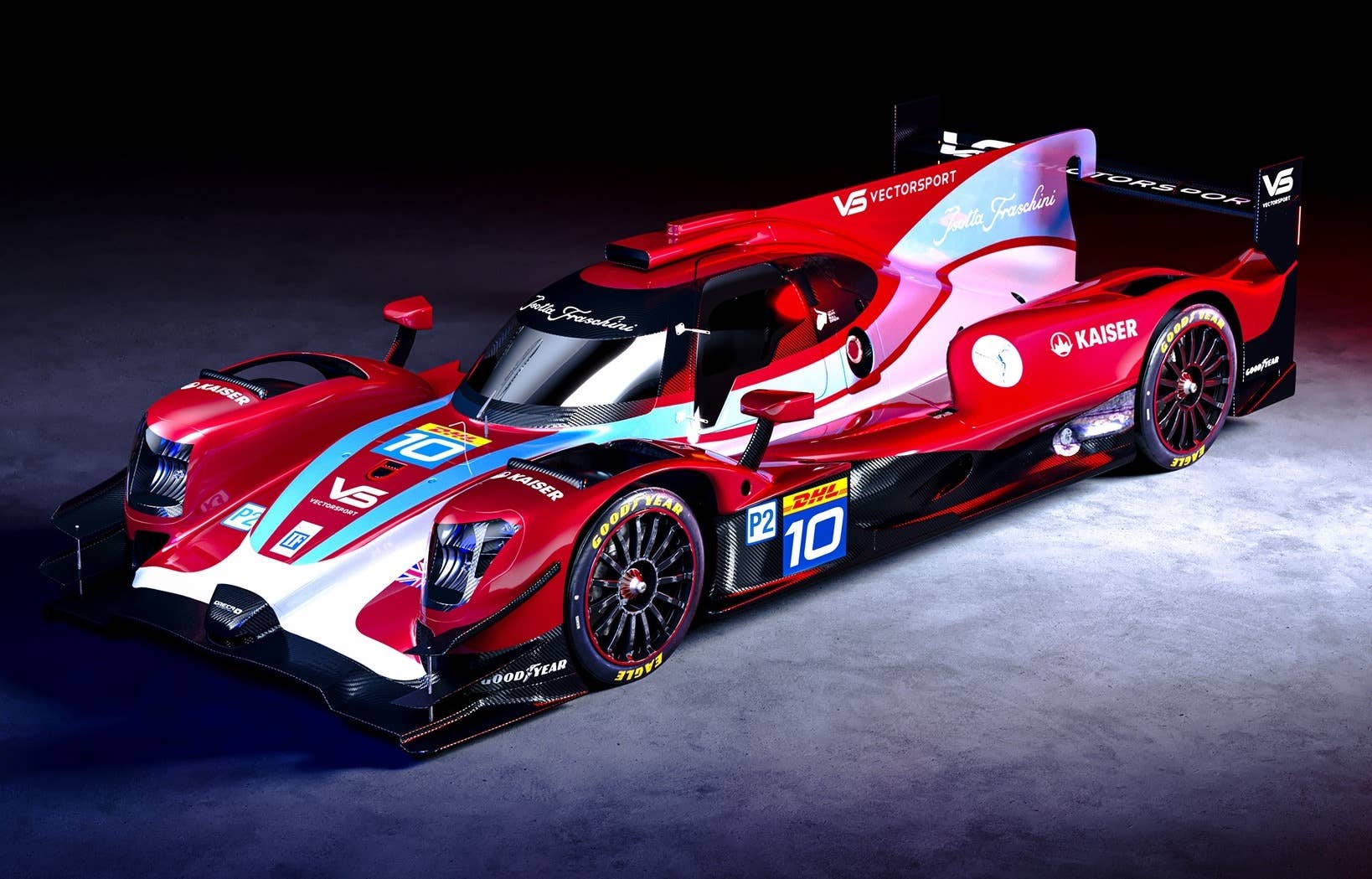
Ford’s Hypercar will be built in collaboration with ORECA, which will supply the chassis, while technical support will also come from Venture Engineering. But Ford insists the leadership, strategy, and day-to-day running of the project will remain firmly internal. Former Red Bull Powertrains executive Dan Sayers has been appointed Program Manager, signaling Ford’s intent to blend fresh motorsport expertise with its long racing heritage.
The automaker has also confirmed the Hypercar will run under LMDh regulations, ensuring it can compete in both the FIA World Endurance Championship and IMSA in North America.
Ford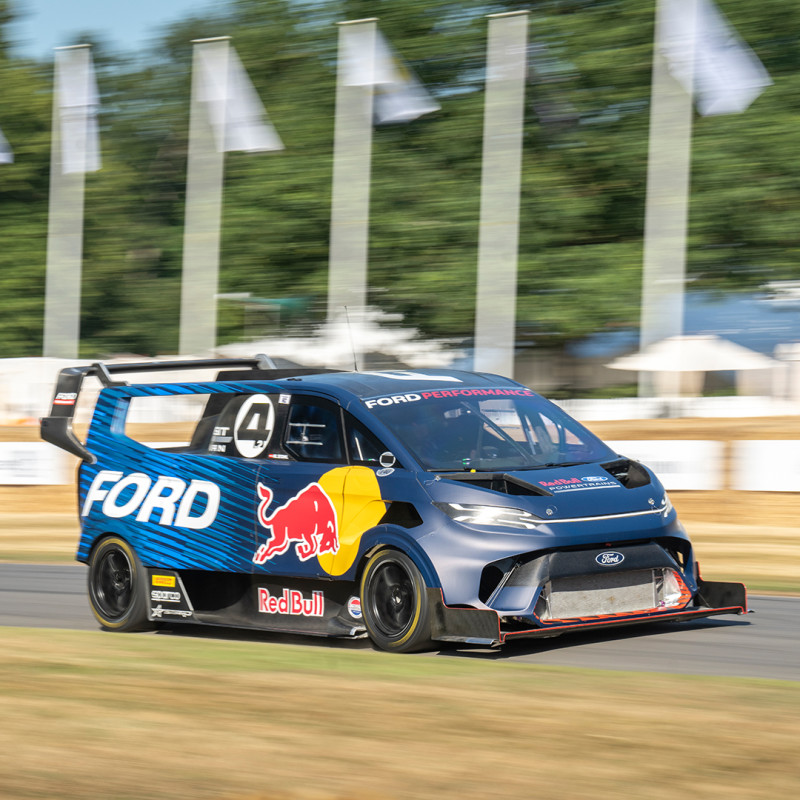
Global Racing Footprint
To execute the program, Ford Racing will tap into resources across Dearborn, Charlotte, and the UK, where a new dedicated base is being established. The aim is to integrate the program tightly into Ford’s engineering culture, ensuring lessons from the racetrack feed back into future road cars.
That philosophy is already evident in Ford Racing’s growing portfolio. Beyond Hypercar, the division has been making headlines with projects like the outrageous Ford Transit SuperVan, which recently embarrassed a Corvette ZR1X at the Nürburgring, showcasing Ford’s engineering muscle in unexpected ways.
Why It Matters
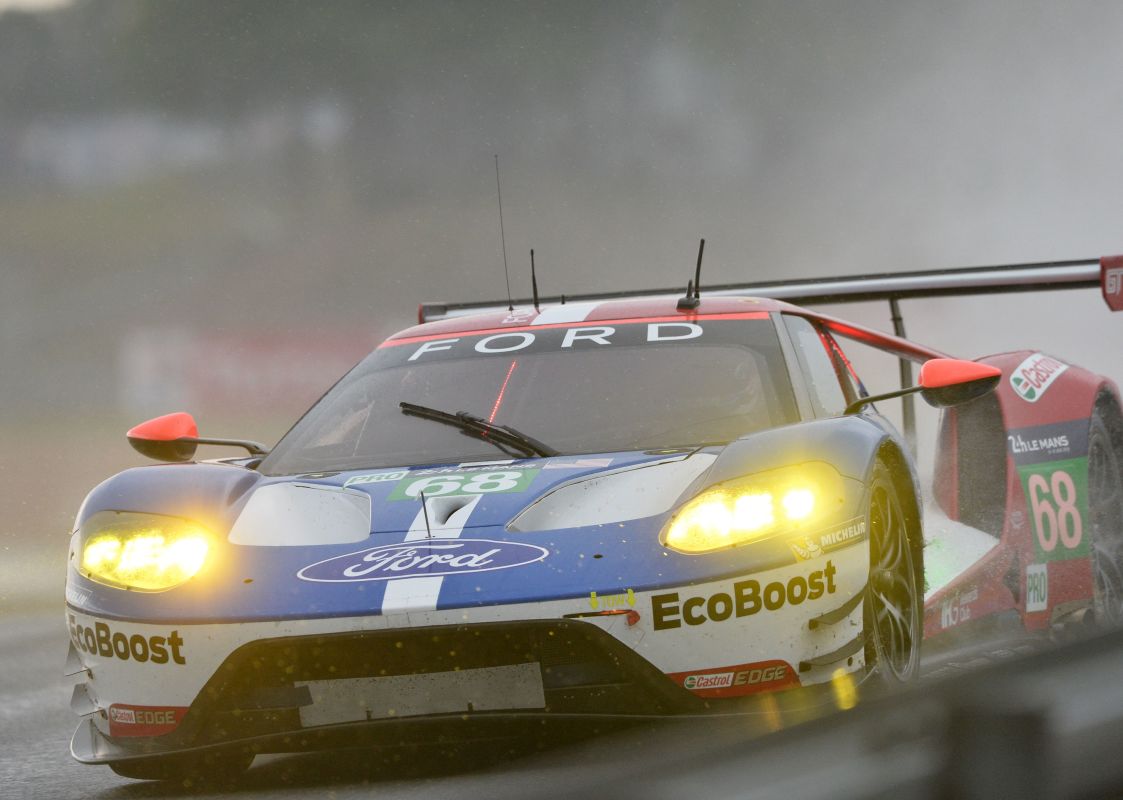
The decision to run Hypercar internally rather than rely on external partners is a bold move. It places Ford directly against endurance racing giants like Ferrari, Porsche, and Toyota, brands that have refined their Le Mans strategies for years. With less than two years until the first green flag in 2027, Ford faces a steep timeline to design, build, and validate a car capable of competing at the top.
Yet the stakes go beyond racing glory. Ford sees this as a chance to elevate its global brand identity, leveraging motorsport as both a technology lab and a storytelling platform. By uniting Ford Racing’s programs under one banner, integrating them with broader marketing pushes, and linking them directly to consumer-facing performance cars, the company hopes to reaffirm its identity as a performance innovator in an increasingly electrified era.