It seemed like a good idea at first
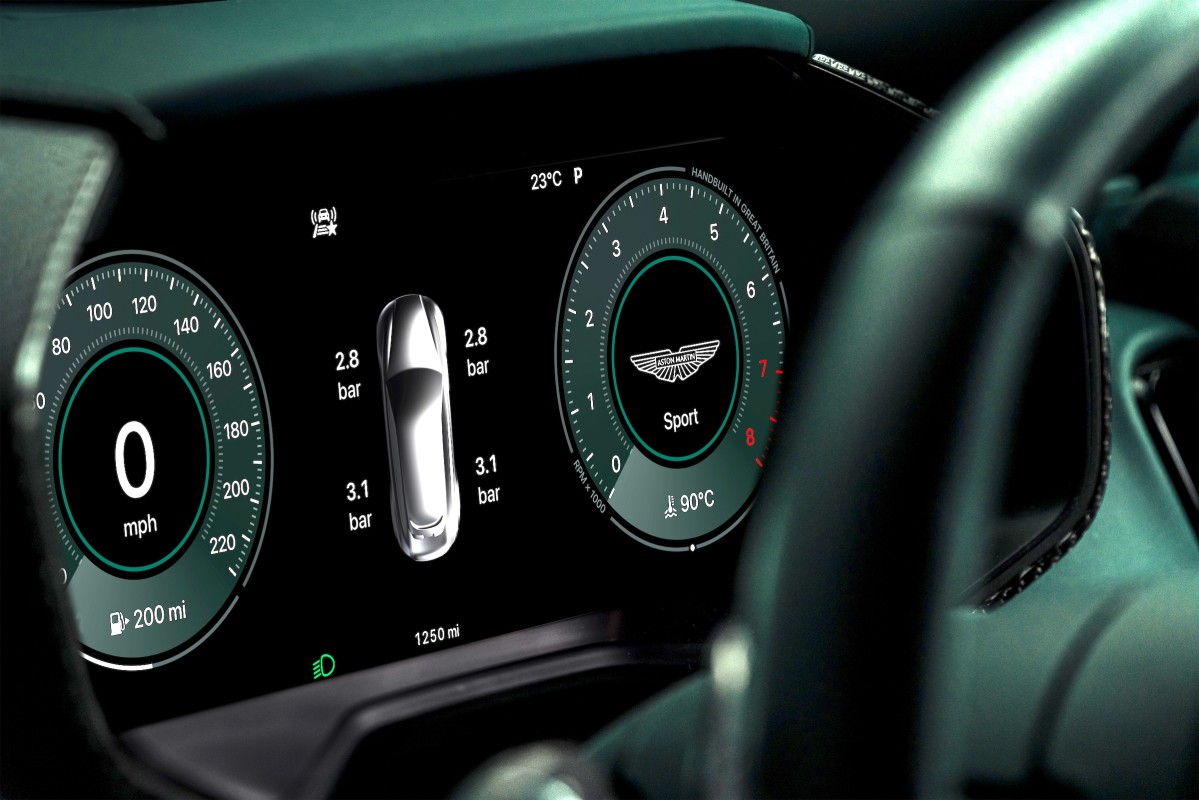
CarPlay and Android Auto have become invaluable in-car infotainment interfaces for drivers. Mimicking the device drivers use (CarPlay for iOS, Android Auto for Android) every day, these interfaces bring continuity to the driving experience. Earlier this year, Apple announced CarPlay Ultra, an interface that integrates with all the screens in your car, including the display behind the steering wheel.
In its original 2022 teaser, Apple showcased CarPlay Ultra’s capabilities, displaying familiar speed, RPM, and other driver-centric information within a distinctly Apple-designed interface. It also appeared we’d be able to customize CarPlay Ultra just as we can the iPhone interface. It seemed like a no-brainer—and then big auto stepped in.
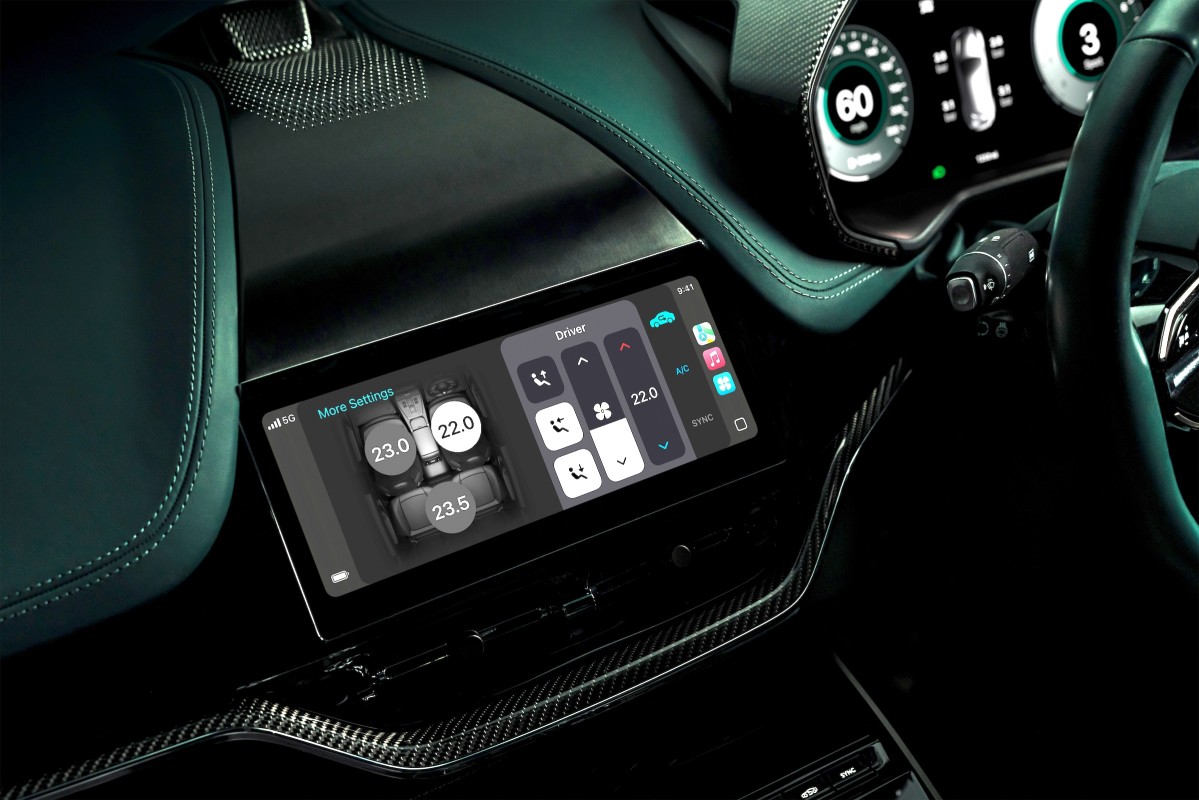
Aston Martin
Automakers think Apple wants to take over
On a recent podcast, Ford CEO Jim Farley said, “We don’t like the execution in round one of Ultra, but we’re very committed to Apple. I’ve talked to Tim [Cook, Apple CEO] many times about this.” Farley went on to note that Ford is still “considering” CarPlay Ultra, and that he doesn’t believe Ford should disrupt people’s digital lives. Ford, says Farley, wants to “make it as easy as possible” for drivers to have the digital experience they want, in and out of the vehicle.
Podcast host Joanna Sterm pressed Farley further, noting that Ford’s current in-car experience is based on Android Auto, which is customizable for automakers. This suggests automakers are intimidated by Apple having more control of the in-car experience, and Farley didn’t disavow that notion.
“Are you going to allow OEMs with the control of the vehicles? Like, how far do you want the Apple brand to go? Do you want the Apple brand to start the car? Do you want the Apple brand to limit the speed? Do you want the Apple brand to limit access? We’re doing that now for our pro customers.”
Aston Martin
Fear factor, auto edition
Farley’s comments echo the same rumblings we’ve heard since 2022, when CarPlay Ultra was first teased. At various points, automakers have stated that they don’t want to provide Apple with insight into driving habits and vehicle information, claiming that their interfaces are superior to CarPlay (pause for laughter), and that they don’t believe things like driving assistance or safety features can be effectively integrated with CarPlay Ultra.
The only brand brave enough to take the CarPlay Ultra plunge so far is Aston Martin, though Apple notes all Hyundai brands (Hyundai, Kia, and Genesis) are working to bring CarPlay Ultra to vehicles. As of July 2025, Apple announced that Acura, Ford, Honda, Infiniti, Jaguar, Land Rover, Lincoln, Nissan, and Porsche were also on board with CarPlay Ultra. No other automaker has announced a timeframe for bringing Apple’s interface to its vehicles.
Bob Borchers, Apple’s vice president of Worldwide Product Marketing, says, “This next generation of CarPlay gives drivers a smarter, safer way to use their iPhone in the car, while deeply integrating with the car’s systems and showcasing the unique look and feel of each automaker.” The term “deeply integrating” may be an issue for automakers, who – like Apple – prefer to operate inside of a walled garden where outsiders glean little from their products or services.
Apple/YouTube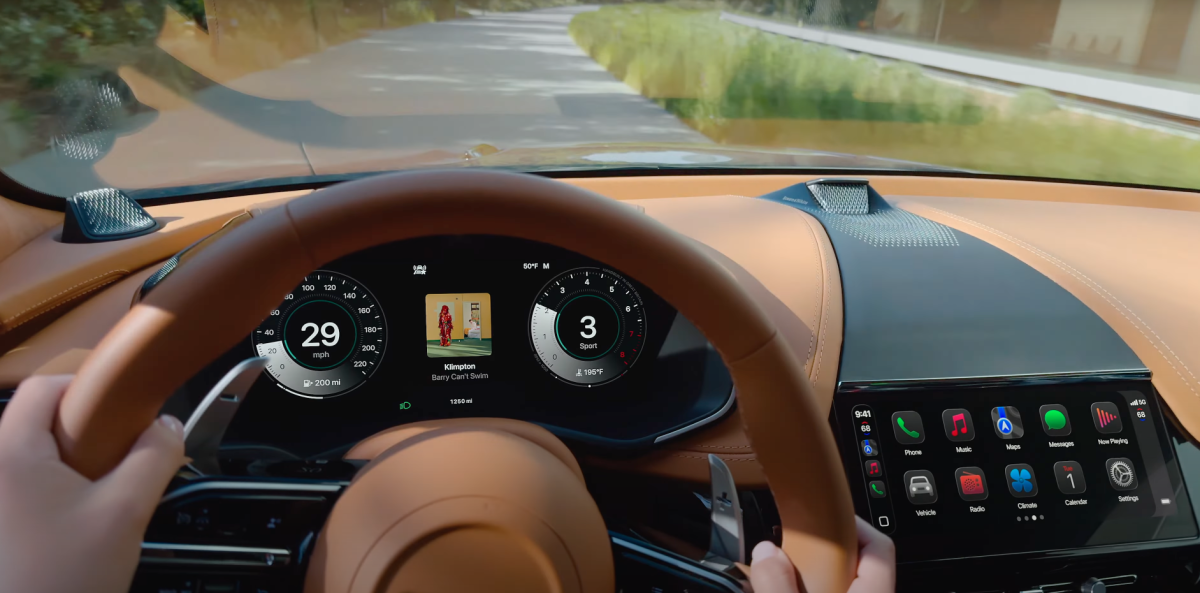
Final thoughts
In use, CarPlay Ultra is good. It features a very iOS-like interface with no apparent impact on vehicle performance. It requires insight into vehicle performance and diagnostics – you can’t really have an information cluster behind the wheel without as much – but ultimately just makes the vehicle feel more like an iPhone. This isn’t a bad thing.
Automakers have been building subpar interfaces for years and remain committed to doing so. CarPlay Ultra is (or will be, at least) bespoke to each automaker’s platforms, Apple suggests, so Farley’s comment about Apple’s “control” of the vehicle is the core concern. The fix is simple: make CarPlay Ultra optional. However, as we all know, automakers often seem remiss in taking the path of least resistance.