Why these three great GM cars were scrapped
For enthusiasts and the average motorist alike, it can often be puzzling when automakers kill off what looks to be a successful or desirable model. But these decisions are never taken lightly, and are often a response to low demand, changing market conditions, brand repositioning, overlapping products, or any combination of these factors.
In a recent podcast shared by Inside EVs, General Motors President Mark Reuss was surprisingly candid when asked about the defunct models in the company’s portfolio he would’ve preferred to keep around. One of these models went out of production over 25 years ago.
Models That Didn’t Deserve to Die: Cadillac Flagship Sedan and Two Chevy EVs
2017 Cadillac CT6 General Motors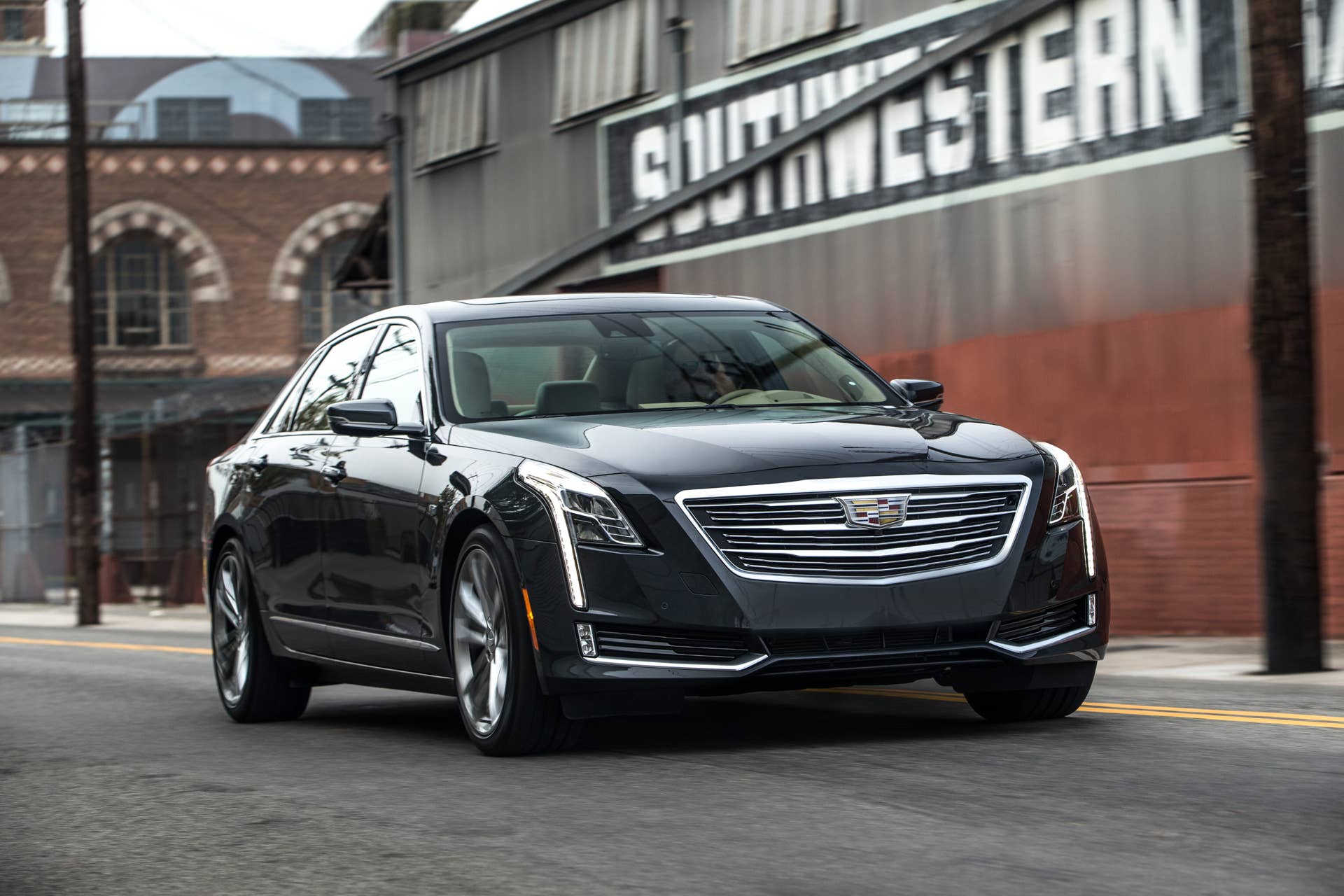
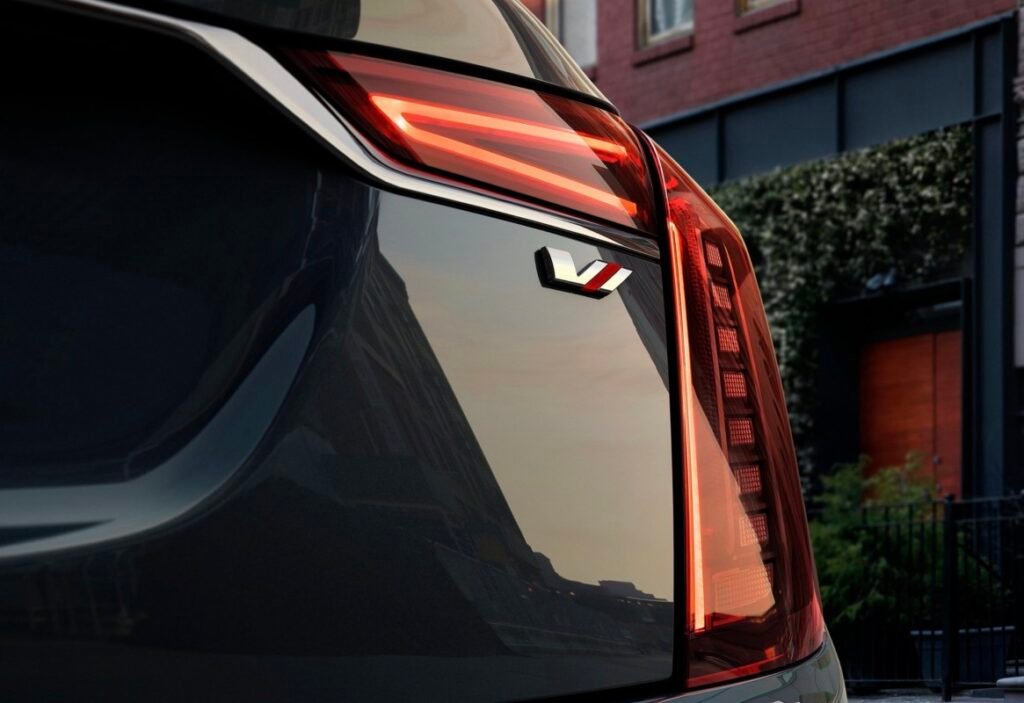
In the interview, Reuss named the Cadillac CT6, Chevy Bolt, and Chevy EV1 as the three models he would’ve preferred to see have a longer production run.
The Bolt EV was the most recent of these three vehicles to be discontinued, with a replacement only revealed in full earlier this month. Production of the small, affordable, and popular EV ended in 2023. GM’s plan was to retool the Orion Township factory where the Bolt was built to accommodate manufacturing of electric trucks like the Chevy Silverado EV and GMC Sierra EV, but it was also likely a series of fires related to the Bolt that caused its premature cancelation.
“I wish we didn’t have to do that,” said Reuss of ending Bolt production. “I wish we didn’t have to stop the CT6 for Cadillac, but we did.”
Unlike the Bolt, there’s no replacement in sight for the CT6—at least, not in the USA—leaving Cadillac without an S-Class rival for the last few years. The EV1 was perhaps the most surprising model to be mentioned by Reuss, though.
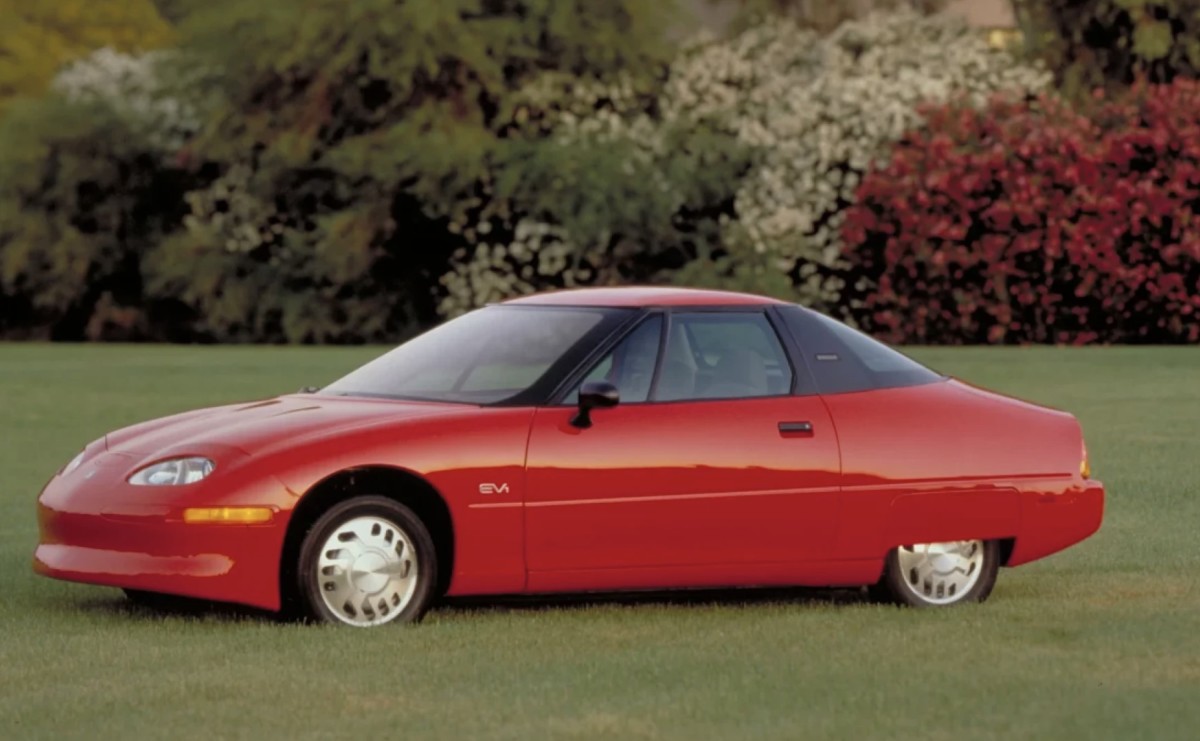
Unprofitable EV1 Was Ahead of its Time
GM
“I wasn’t around for [the EV1],” said Reuss. “I wasn’t in the company [yet], but I think that would’ve been one example of [a car GM shouldn’t have canceled]. That was really quite a car.”
Produced from 1996 to 1999, GM found the EV1 and EVs in general to be unprofitable, so the car was canceled despite a positive reception from customers. Some models only had a range of around 80 miles, which is abysmal by today’s standards, but the car was successful enough that a second iteration was developed for the 1999 model year.
Despite the fact that canceling the EV1 impacted GM’s electrification rollout, the company is still the second-largest EV brand in the United States today, largely driven by the success of the affordable Chevy Equinox EV.
Final Thoughts
Of the three models mentioned by Reuss, the discontinuation of the CT6 likely had the smallest overall impact on GM. Its sales were gradually dwindling as large American luxury sedans fell out of favor. Keeping the EV1 around for longer could have helped GM get a bigger headstart in the EV space, though. While the Bolt is coming back, it’s only returning as a crossover-style EV, not the compact hatchback that was an ideal city car.
As we’ve seen with the destruction of the pint-sized budget car segment, many great cars have been lost through the years as consumer tastes change or as their business cases become difficult to justify.