GWM Challenges China’s EV Momentum
China remains the global epicenter of electrification, with battery-electric and plug-in hybrid vehicles accounting for more than half of all new car sales. Most domestic automakers are aggressively pivoting toward EV-only or heavily electrified lineups built around downsized engines and dedicated platforms.
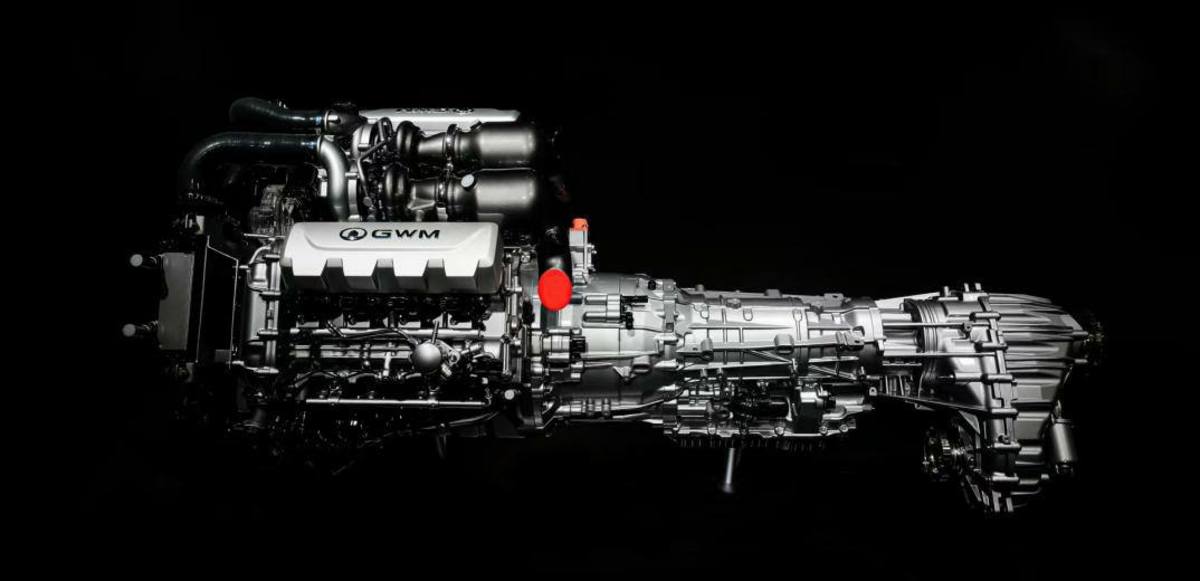
Against that industry-wide current, Great Wall Motor (GWM) made an intentionally disruptive statement at CES 2026 by unveiling a self-developed four-liter twin-turbo V8.
The move is especially telling given GWM’s position in the market. New energy vehicles represented just over 30 percent of its 2025 sales, trailing rivals such as BYD and Geely, which have embraced full electrification.
Rather than chasing EV dominance, GWM is reinforcing its strength in large-displacement internal combustion engines, particularly for premium off-road and performance applications. Displaying the V8 at one of the biggest consumer trade shows in US, long regarded as V8 heartland, signals confidence that there is still global demand for emotionally engaging powertrains, even as electrification accelerates.
A Modern V8 Built for Hybrid Possibilities
Despite its old-school cylinder count, GWM’s V8 is anything but outdated. The four-liter engine employs Miller cycle technology, twin turbochargers, and a front-mounted water-cooled intercooler. An integrated post-boost piping layout and front-end accessory drive, complete with an optional viscous fan, suggest the engine was engineered with durability and thermal stability in mind, particularly for demanding off-road or high-load environments.
Fueling duties are handled by a dual-injection system combining 350-bar direct injection with 5.5-bar port injection, paired with a variable-displacement oil pump. This setup allows the engine to adapt efficiently to different operating conditions while minimizing carbon buildup.
Power is routed through a GWM-developed nine-speed automatic transmission with a torque converter, and crucially, the V8’s architecture includes provisions for integrating a small electric motor and battery. This opens the door to hybridized V8 applications, blending electrified assistance with traditional muscle rather than replacing it outright, similar to that of Toyota’s application.
CHINAPEV.COM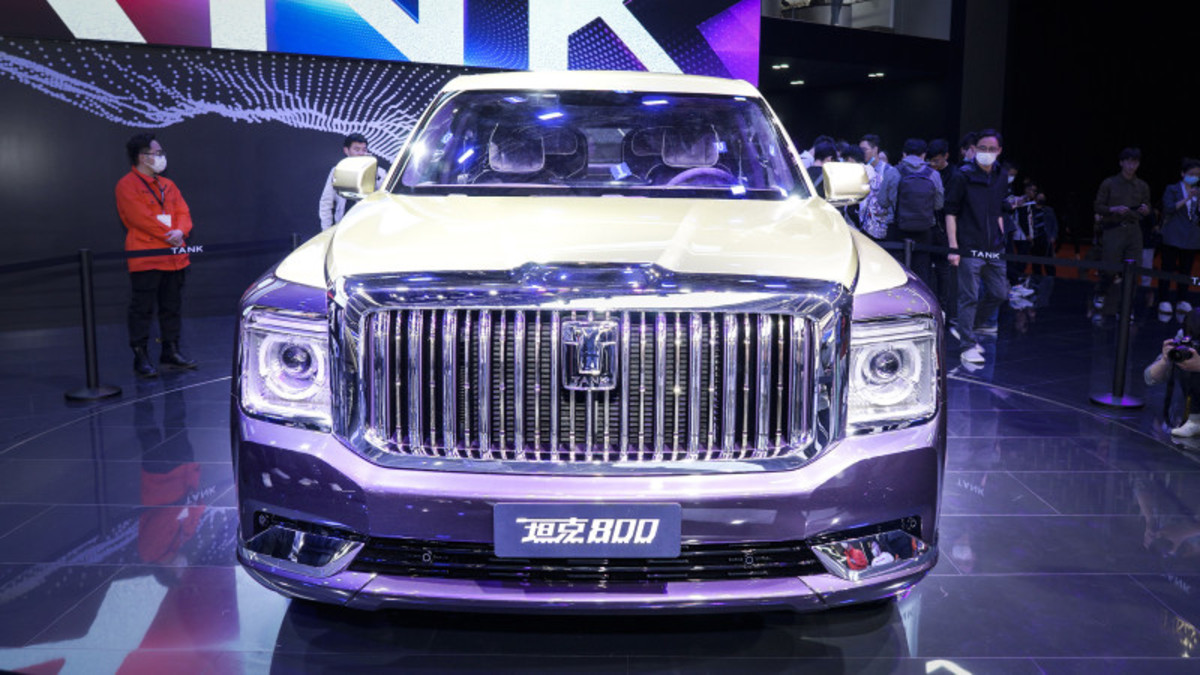
Performance SUVs, Supercars, and the Return of Emotion
Exact output figures remain unconfirmed, though the V8 was previously quoted at around 500 horsepower when it appeared at the Shanghai Auto Show in 2025. GWM chairman Jack Wei, has stated that the engine will underpin the brand’s most performance-focused vehicles. Their upcoming Toyota Land Cruiser 300-sized Tank 800 luxury off-roader is expected to be the first production model to feature the V8, positioning it as a flagship body-on-frame SUV.
More broadly, GWM’s strategy reflects a wider industry sentiment. Even as electrification surges, other manufacturers, including Toyota with its highly anticipated Toyota GR GT supercar and Dodge teasing us with bringing back the Hemi V8 in its Charger, have hinted at keeping or reviving V8s for performance-oriented models. GWM’s V8 debut suggests that for enthusiasts and halo products, raw power and mechanical character still matter, and may continue to coexist with electrification rather than disappear because of it.
GWM