While the national average for a gallon of gasoline has remained relatively steady in recent days, drivers across the West Coast and Alaska are experiencing a very different reality at the pump. According to recent data released by AAA, pump prices are initiating their seasonal climb, and a cluster of five western states is leading the charge with significant week-over-week price hikes.
If you live in Oregon, Washington, California, Nevada, or Alaska, your wallet is already feeling the pinch. Oregon is currently taking the hardest hit with a substantial 11-cent increase in just one week. Washington is right behind with a 10-cent jump, followed closely by California at 9 cents. Nevada drivers are seeing a 7-cent bump, while those in Alaska are paying 6 cents more per gallon.
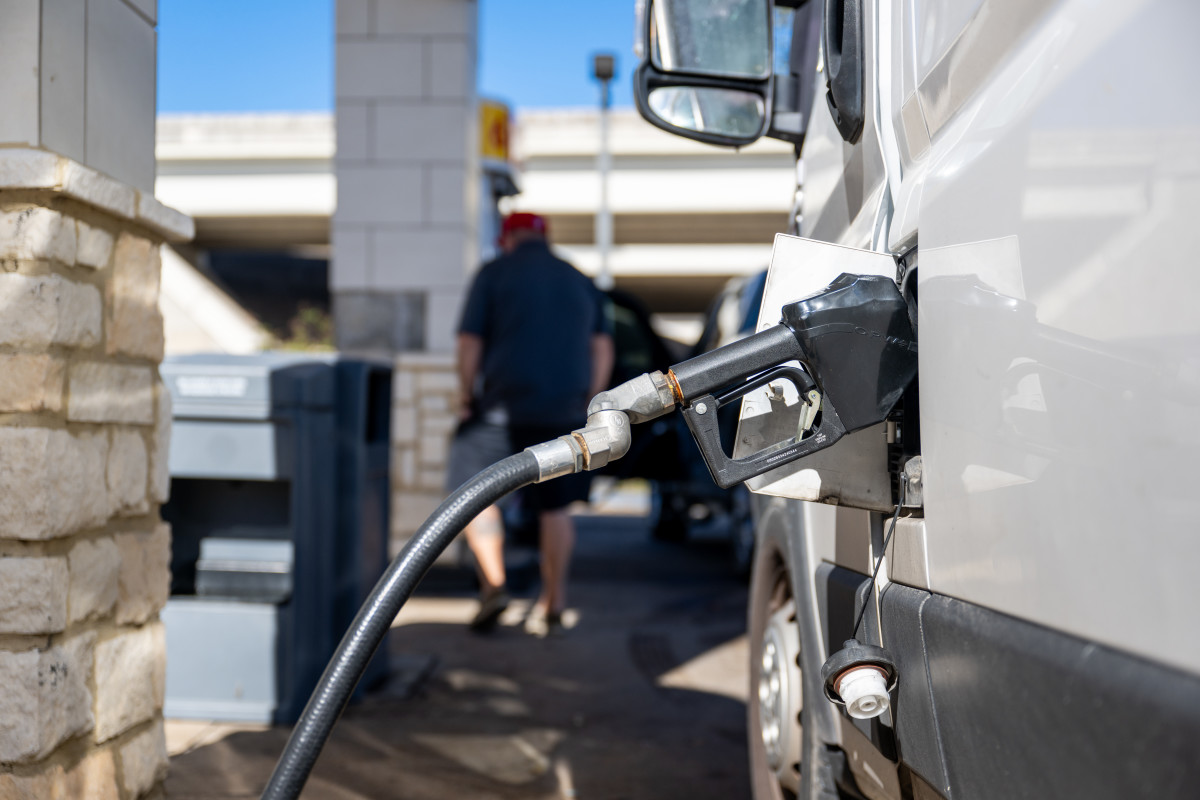
For automotive enthusiasts and daily commuters alike, a sudden jump of a dime per gallon is a noticeable disruption. The culprit behind this localized surge is the annual transition to summer blend gasoline. Federal and state environmental regulations require the use of specific fuel blends during the warmer months to help reduce smog and emissions. The West Coast, particularly states with strict environmental standards like California, traditionally makes this switch earlier in the year than the rest of the country.
Producing summer-grade fuel is a more complex and expensive refining process. Refineries must shut down certain parts of their operations to retool and clean their systems before they can begin churning out the new blend. This planned maintenance temporarily restricts the region’s overall fuel supply. When you combine a constrained supply with the higher production costs of the summer blend, the inevitable result is a sharp price increase for consumers.
The geographic isolation of the West Coast fuel market also plays a major role in these sudden price spikes. The region relies heavily on its own refineries and has limited pipeline connectivity to the massive oil infrastructure on the Gulf Coast or in the Midwest. When Western refineries undergo maintenance or experience unexpected outages during the blend transition, there is very little outside supply available to stabilize prices.
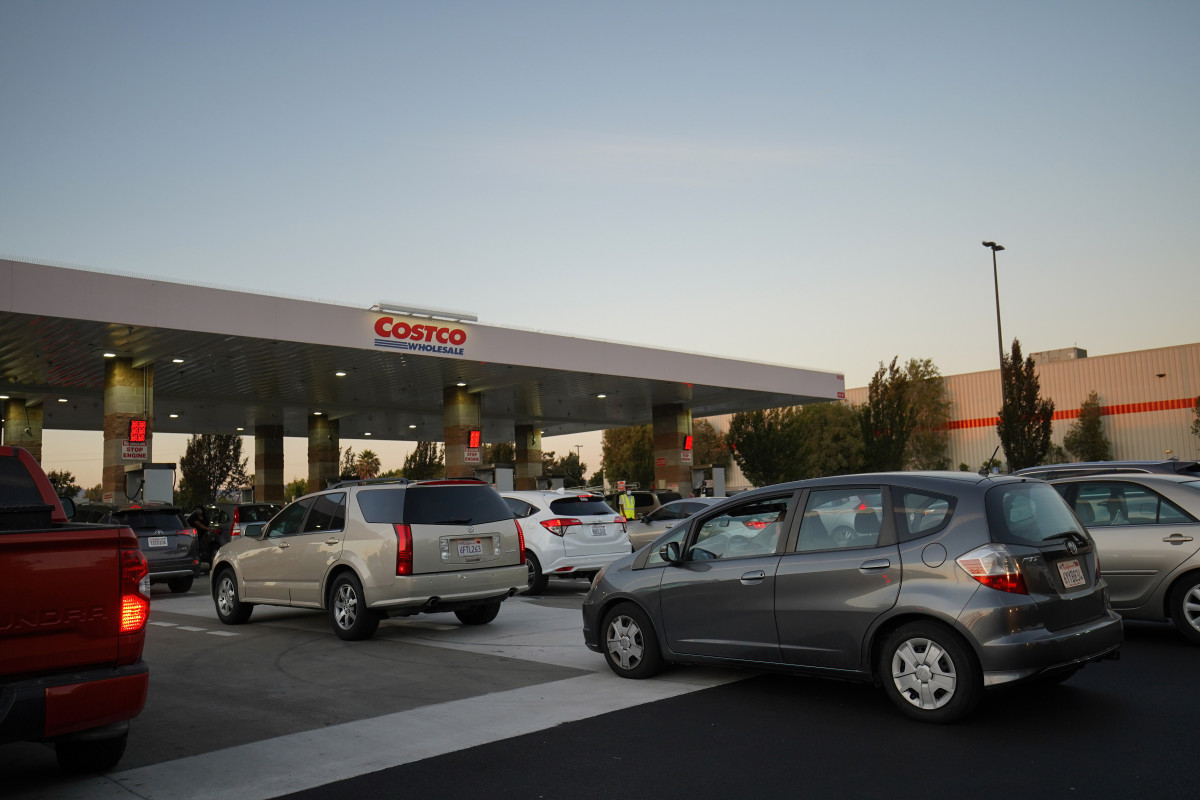
While these five states are currently bearing the brunt of the increase, AAA notes that this is likely just the beginning of a broader national trend. As spring approaches and the weather improves, driving demand naturally increases. More Americans hitting the road for weekend getaways and vacations will put additional upward pressure on prices. Furthermore, the rest of the country will soon undergo its own transition to summer blend fuels, meaning the pain at the pump will eventually spread eastward.
For now, drivers in these affected western states should anticipate elevated prices to linger as the refinery changeovers are completed. If you have a fuel-thirsty performance car or a heavy-duty truck, it might be wise to start budgeting a little extra for your weekly fill-ups.