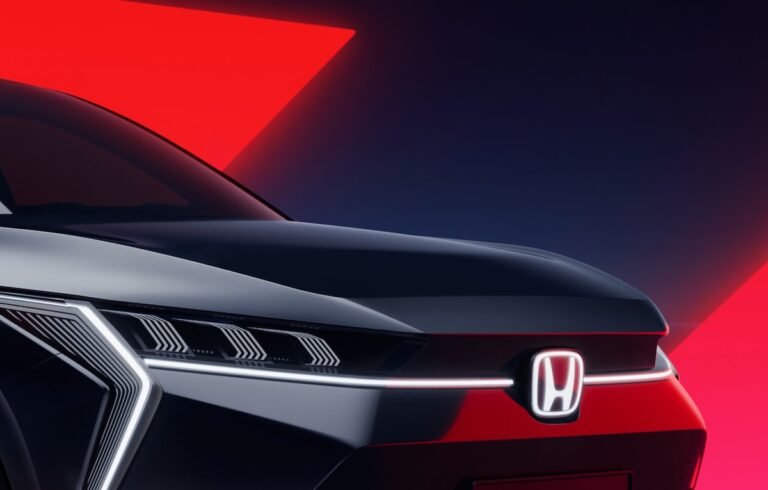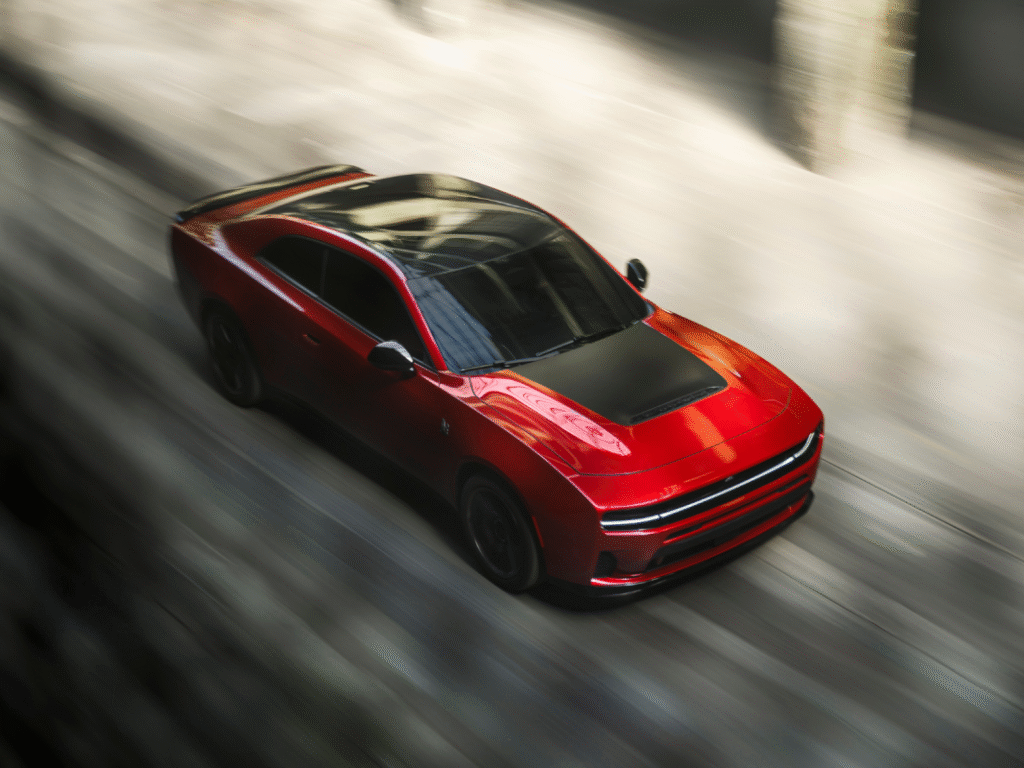
Stellantis took a €22.2 billion ($26.25 billion) write-down last year, tied largely to scaling back electric vehicle programs. But buried inside the numbers is a much bigger message: the company openly acknowledged it moved faster than customers were ready to follow. According to Stellantis and Reuters, the automaker is now rebuilding its strategy around real-world demand rather than aggressive electrification targets.
Demand, or Lack Thereof, Is Driving The Company’s Reset
Stellantis
CEO Antonio Filosa was unusually direct in Stellantis’s announcement, saying the company “over-estimated the pace of the energy transition” and allowed their pre-planned strategy to overpower what buyers actually want. The result was billions written off in canceled EV products, impaired electric platforms, and downsized battery operations. Keep in mind, Stellantis had once aimed for electric vehicles to make up 50% of U.S. sales and all European sales by 2030, despite EV adoption in America sitting at 7%.
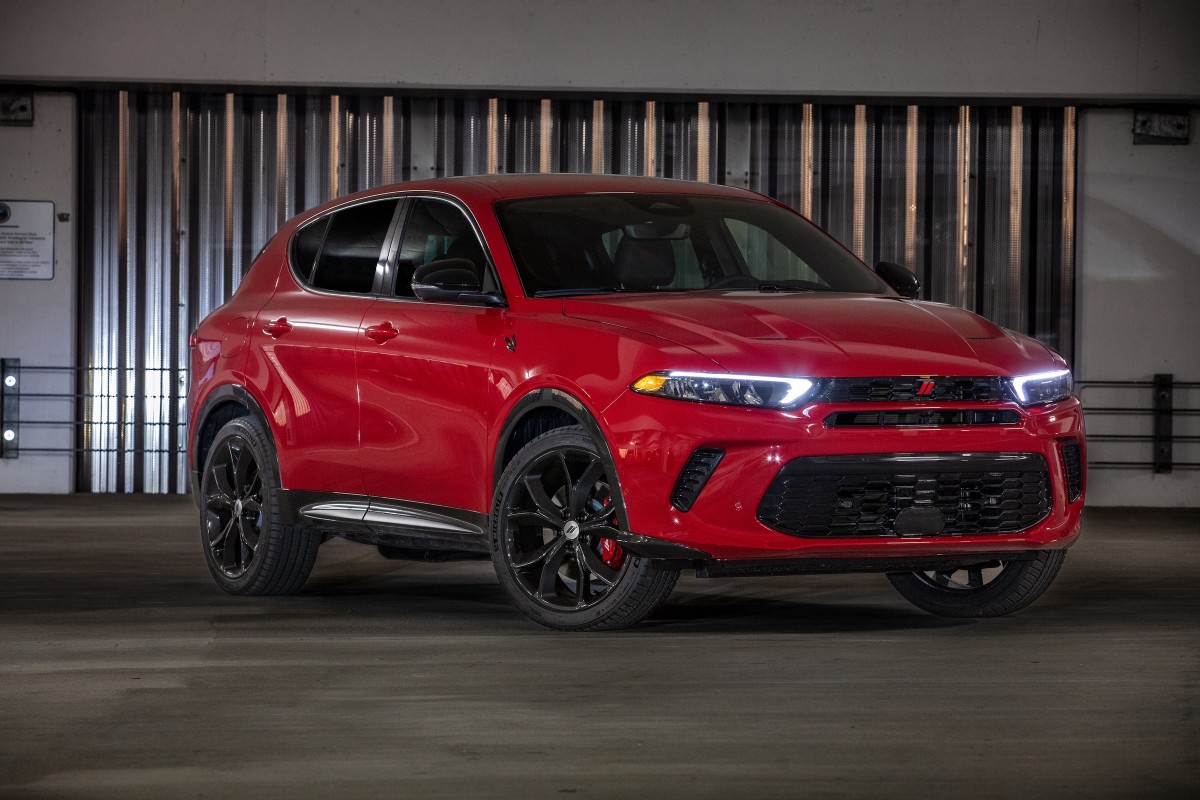
That disconnect is now being corrected, with Stellantis shifting capital back toward hybrids and internal combustion models that align more closely with consumer wants. And it seems other automakers have the same idea in mind, with even Porsche rumored to abandon the all-electric 718. To add fuel to the fire, there are countless players in the EV segment nowadays, with Chinese automakers seeming to lead the pack. Pursuing a profitable full-electric approach has become more difficult than ever before.
Trucks, V8s, and Hybrids Are Back at the Center
Ram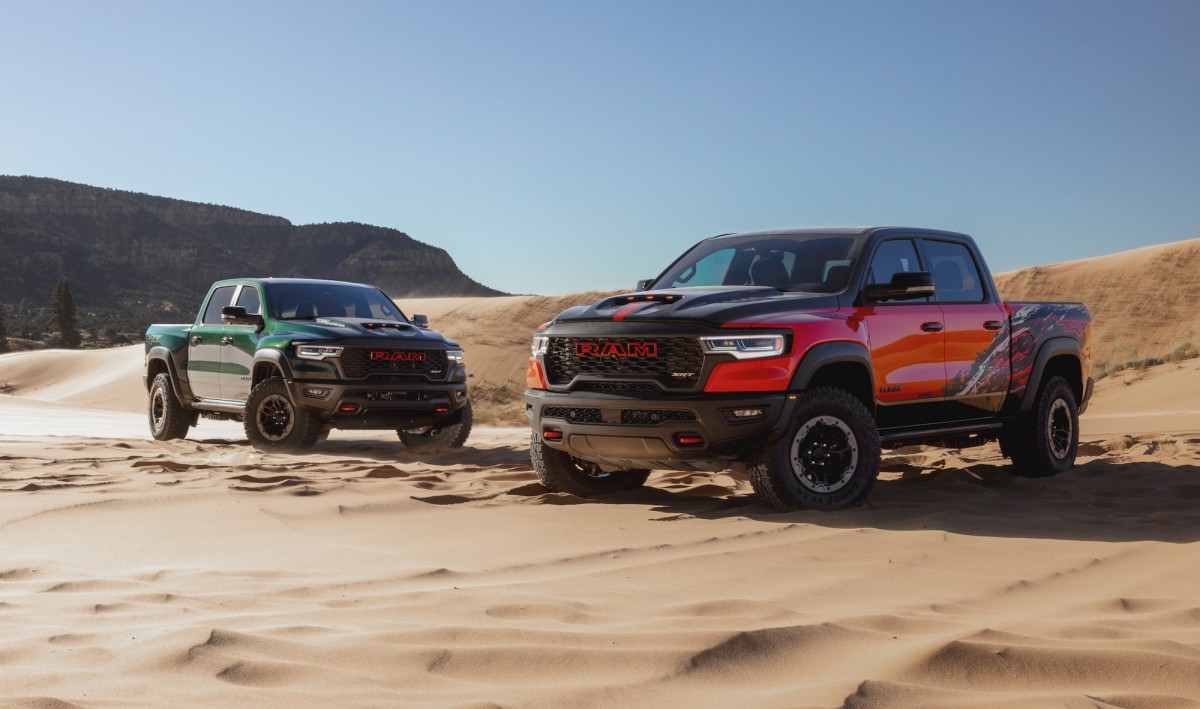
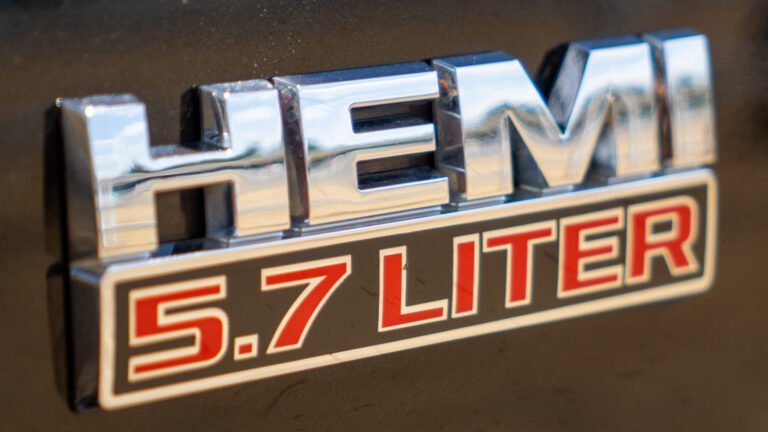
The pivot is the most prevalent in North America. Stellantis is canceling its planned electric Ram 1500 pickup while bringing back the HEMI V8 to the Ram lineup and expanding hybrid options across multiple brands. The company has also rolled out five new vehicles alongside 19 additional product actions aimed squarely at markets where traditional drivetrains still dominate. That doesn’t mean EVs are disappearing. Stellantis says it will continue investing in electrification, just at a pace shaped by what customers are actually buying. Ford is taking a similar demand-first approach, pressing ahead with what they think customers want: an affordable electric truck.
The Auto Industry Is Finally Recalibrating
Jeep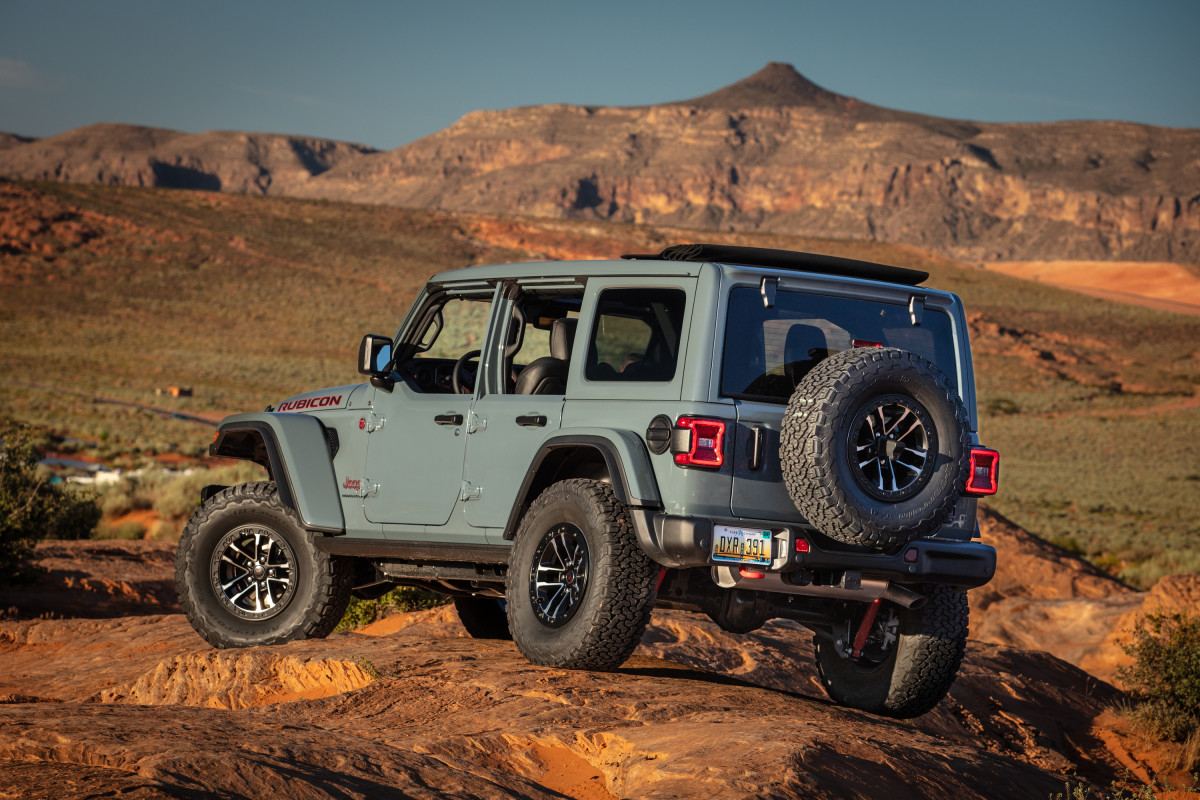
Stellantis isn’t the only automaker to face EV-related write-downs like this. Ford experienced a $19.5 billion write-down, and GM incurred a $6 billion hit in 2025, too. What makes Stellantis different is its bluntness. The company is effectively admitting that the transition was pushed ahead of real consumer readiness, especially in a region like North America, where the ICE-powered F-Series pickup reigns as the best-selling vehicle. If Stellantis’s predictions become true, profitability in the next decade won’t come from forcing buyers into electric vehicles, but from giving them what they want.