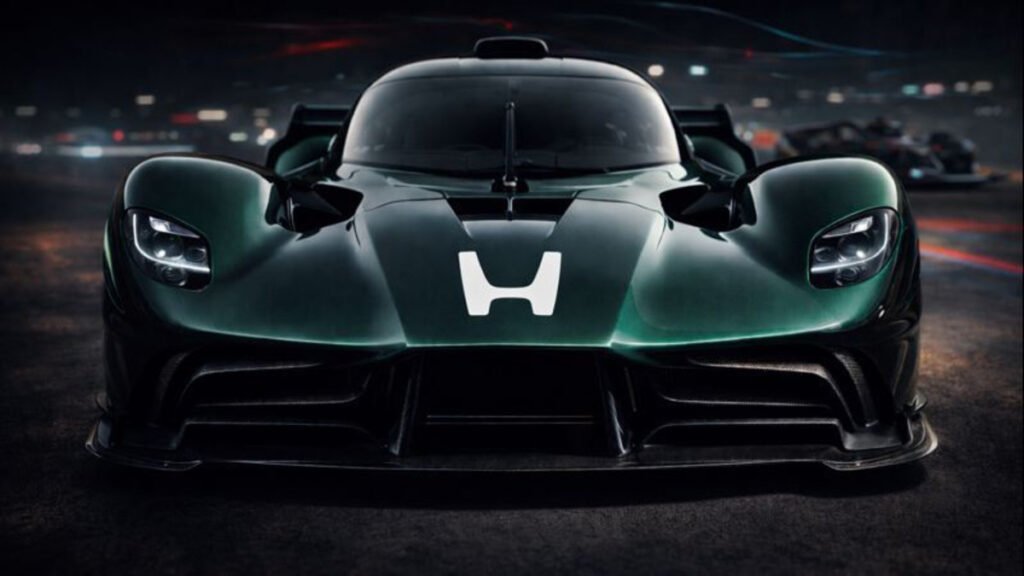
2026 is a massive year for the Formula One world, with brand-new regulations, new participants like Ford, Cadillac, and Audi, and a new World Drivers’ Champion defending his crown in McLaren‘s Lando Norris. It’s also the first year in which Aston Martin will use a power unit crafted by Honda, not Mercedes, and this new tie-up may lead to a jointly-developed road car. According to Road & Track, Aston Martin executive chairman Lawrence Stroll said that while there are currently no plans to collaborate with Honda on a road car, he is “very open” to the idea. Better yet, his sentiments were echoed by Honda president Toshihiro Mibe, who said that such a thing was “entirely possible.”
A Valkyrie Successor or a New NSX? Either Is Plausible
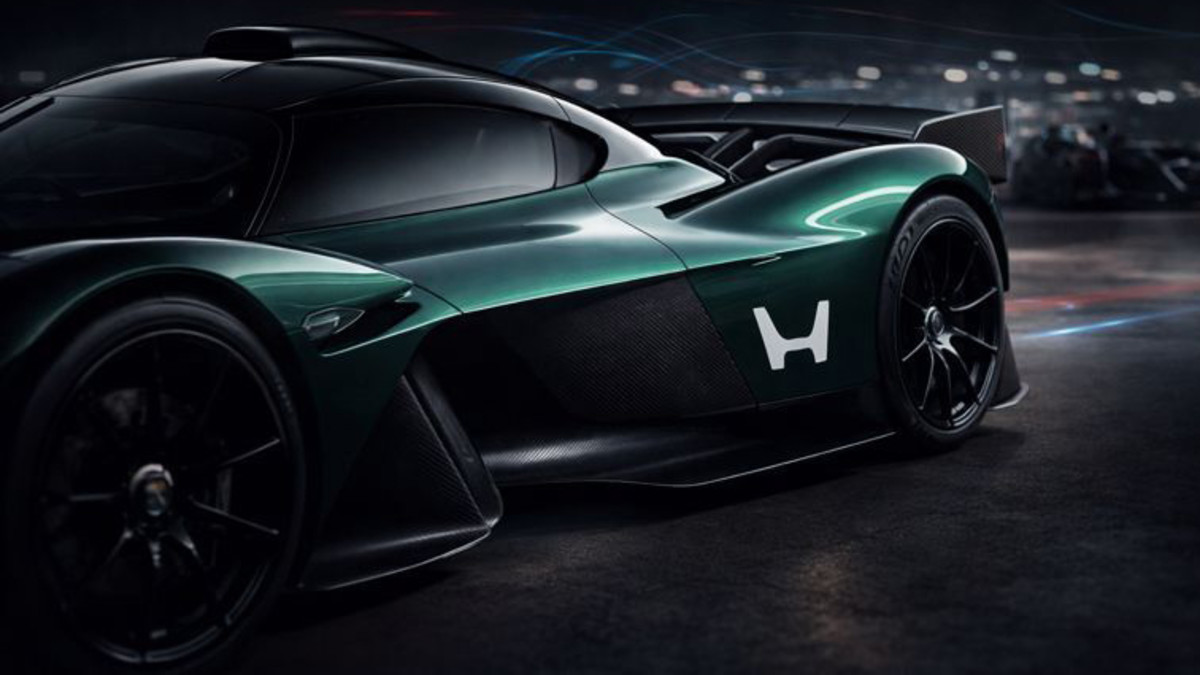
For now and the foreseeable future, Aston Martin and Honda’s focus is purely on finding success in Formula 1, but Mibe said that “there will be value” in applying what the works team learns in a successful F1 project “to production cars.” Aston Martin has showed a willingness to invest in relatively accessible yet otherworldly performance with the creation of the Valkyrie, while Honda would surely be proud to have a new halo to stand behind after the second-gen NSX was axed, and these comments indicate that a jointly-developed hypercar influenced by F1 technology excites Honda. Keeping in mind that the first-gen NSX had input from legendary F1 champion Ayrton Senna, an F1-influenced collaboration seems inspired. Stroll seems enthused by the possibility, too.
Related: Red Bull’s RB17 Hypercar Makes the Aston Martin Valkyrie Look and Sound Tame
“These are two great companies getting together in Aston Martin and Honda,” said Stroll, adding, “It’s safe to say that [our F1 works team project] is the beginning of our relationship. We actually at this point have not discussed a production car or hypercar or a supercar together, [but] there is absolutely no reason why we can’t do so going forward.”
Aston Martin Has Had Japanese DNA Before
Aston Martin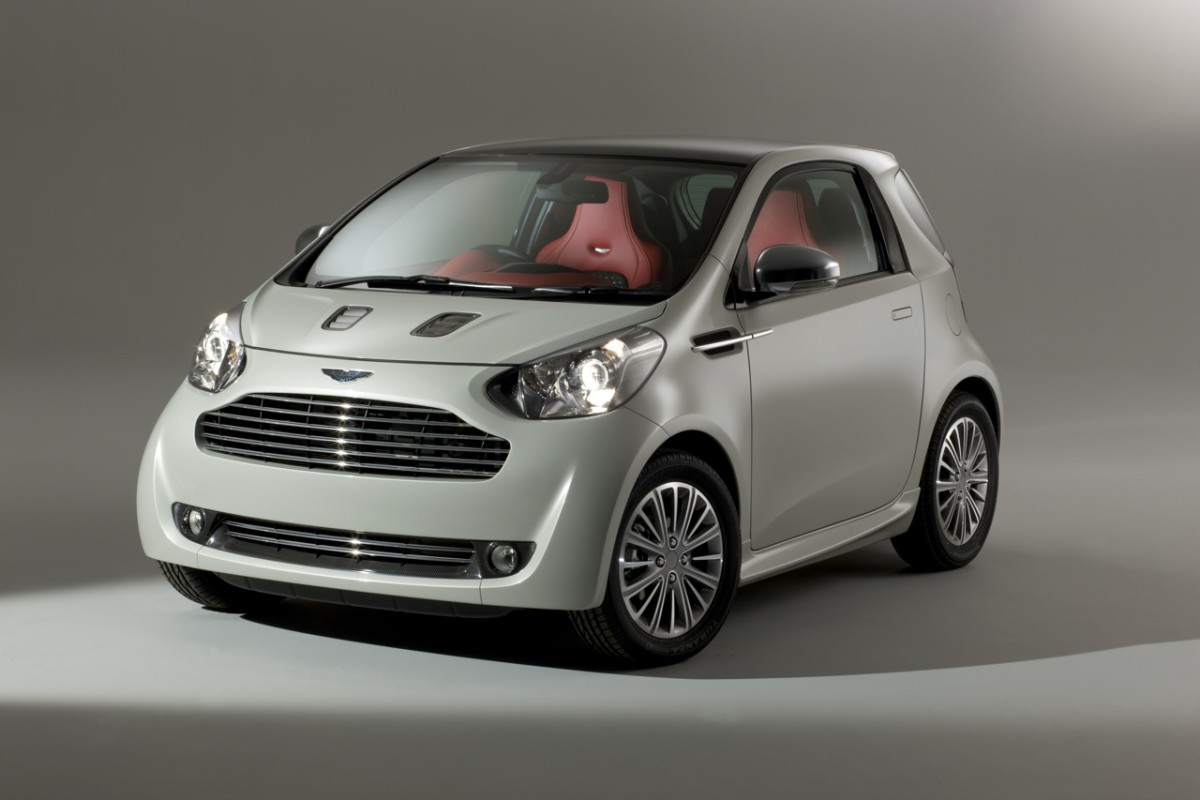
If and when the time comes for the pair to work together on a street-legal vehicle, one can’t help but imagine that a road car with the effortless grace of the British brand combined with the technical knowhow of the Japanese company would be both stylish and innovative, but this isn’t Aston Martin’s first tie-up with a Japanese brand, and its last was neither of those things. In 2011, Aston Martin began selling the Cygnet, a city runabout car based on the diminutive Toyota iQ with an annual sales target of 4,000. Initially only offered to existing Aston Martin owners, the Cygnet cost roughly three times as much as the iQ, despite having identical on-paper performance and possibly even worse real-world acceleration, thanks to the added weight of fancy leather and aluminum trimmings. Low demand (less than 600 were sold across Europe) caused it to cease production after just two years. We doubt Aston Martin would make the same mistake twice, a supercar or hypercar would be far more useful as a marketing tool, and we need to see how fruitful its Honda tie-up is first, but it’s worth pondering. After all, nobody could have predicted an Aston-badged Toyota before it happened, but it did.