What links Indian artist Abanindranath Tagore, Mexican poet Octavio Paz, and Martinican philosopher Frantz Fanon?
Spanning five decades and three continents, these luminaries sought to decolonize Western imperial frameworks through art and literature, within the emergent “Third World.” The catchall term that reeks with prejudice, coined by French anthropologist Alfred Sauvy, initially described African, Latin American, and Asian nations that were not aligned with the capitalist Western bloc during and after the Cold War. It has now been replaced with another useless catchall: the “Global South,” focused on the struggles of developing economies.
In her creative and heavily researched new book Non-Aligned: Art, Decolonization and the Third World Project in India (2025), art historian Atreyee Gupta differentiates the geopolitical Third World from the knowledge-producing Third World. She suggests the latter as a positive term “to distinguish an intellectual consciousness that was analogous to the Third World but preceded its 1950s political incarnation by several decades.” As both a point in time and spirit, the book forefronts the Non-Aligned Movement and its catalyst, the Bandung Conference held in Indonesia in 1955, where post-colonial nations gathered to build solidarity and political and cultural autonomy from the West. Gupta’s title, then, unveils aesthetic, political, and decolonial entanglements in Indian interwar and postwar art through this perspective.
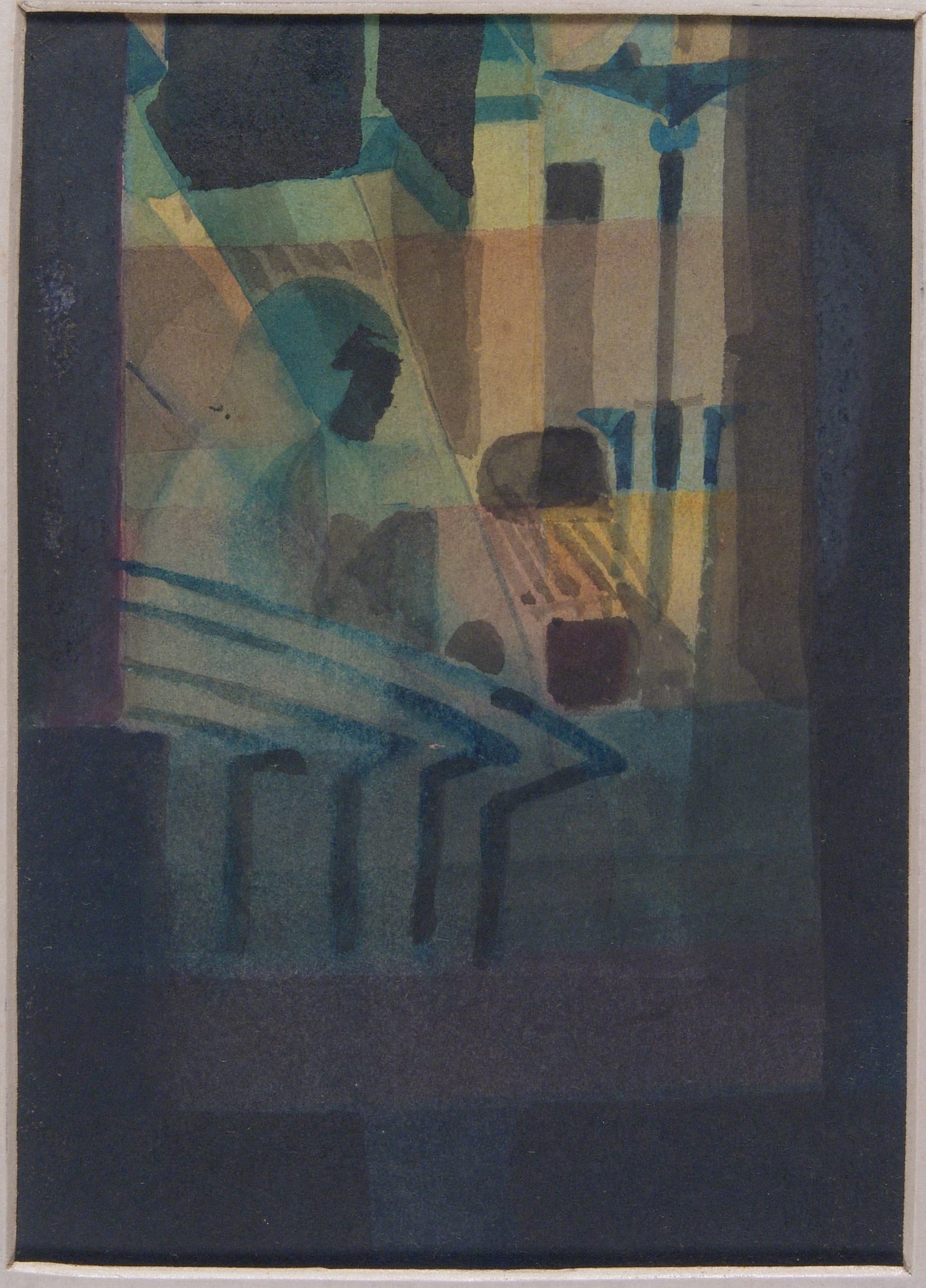
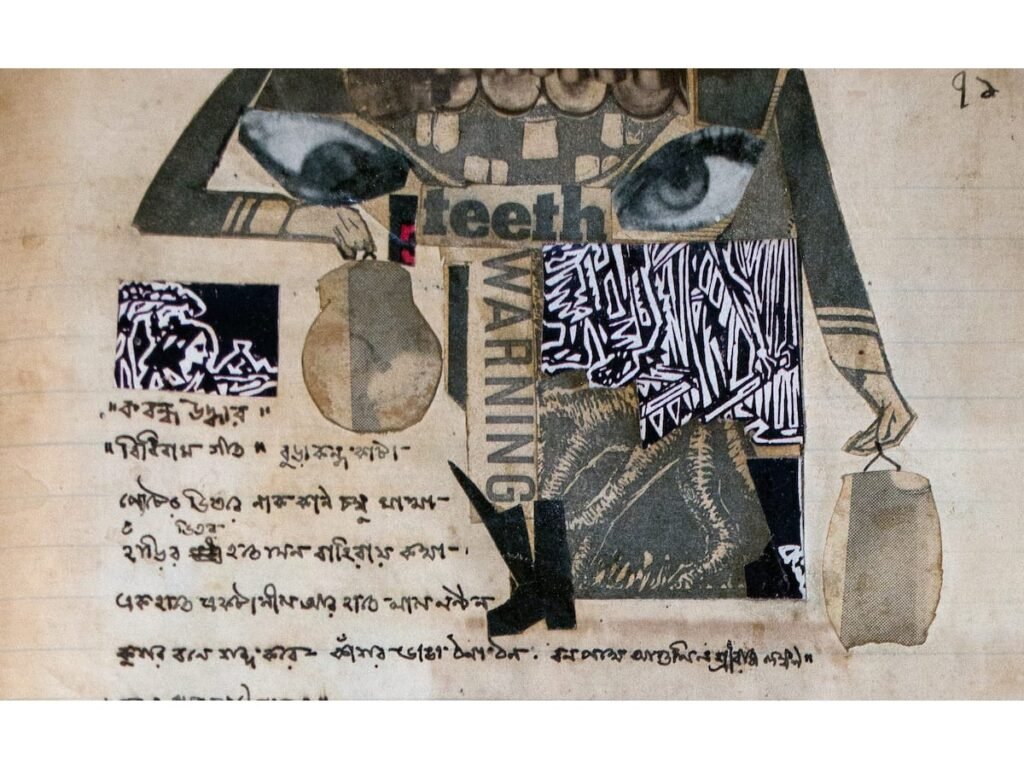
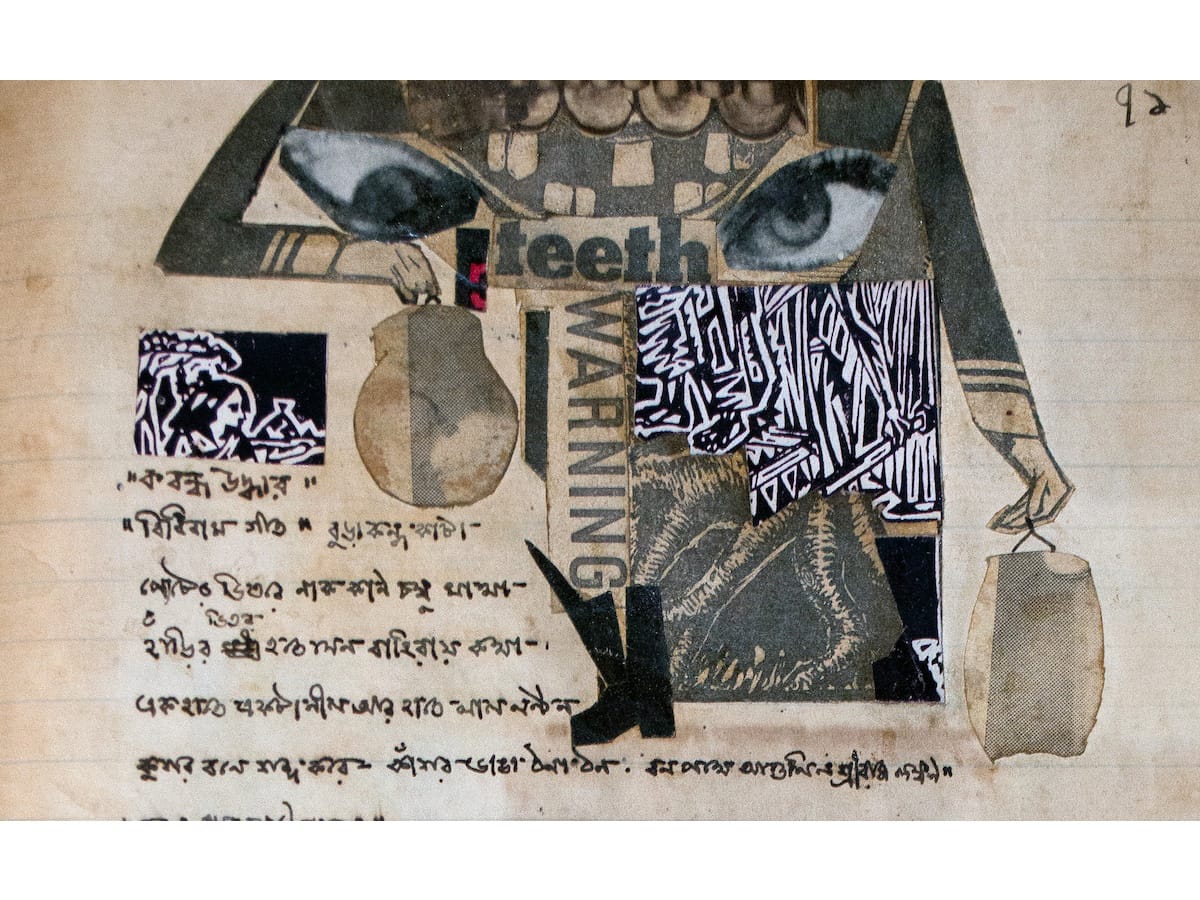
In the book, Gupta offers a “locational approach” for understanding art history through the lens of Global Modernisms — theories and practices that move away from Western and Eurocentric views. The author presents cases of artists like Tagore, sculptor Dhanraj Bhagat, painter F.N. Souza, and Jagdish Swaminathan, who aligned themselves with Latin America’s Indigenismo (Indigenism) movement and the “spirit of Bandung,” including writers such as Fanon and Aimé Césaire. Tagore’s intriguing interwar collage series, the Khuddur Jatra (1935–36), fuses South Asian, African, East Asian, and Russian symbolism, newspaper photographs, and text in Hindi, revealing a sensibility of transnational solidarity that existed well before India’s formal identification with the geopolitical Third World.
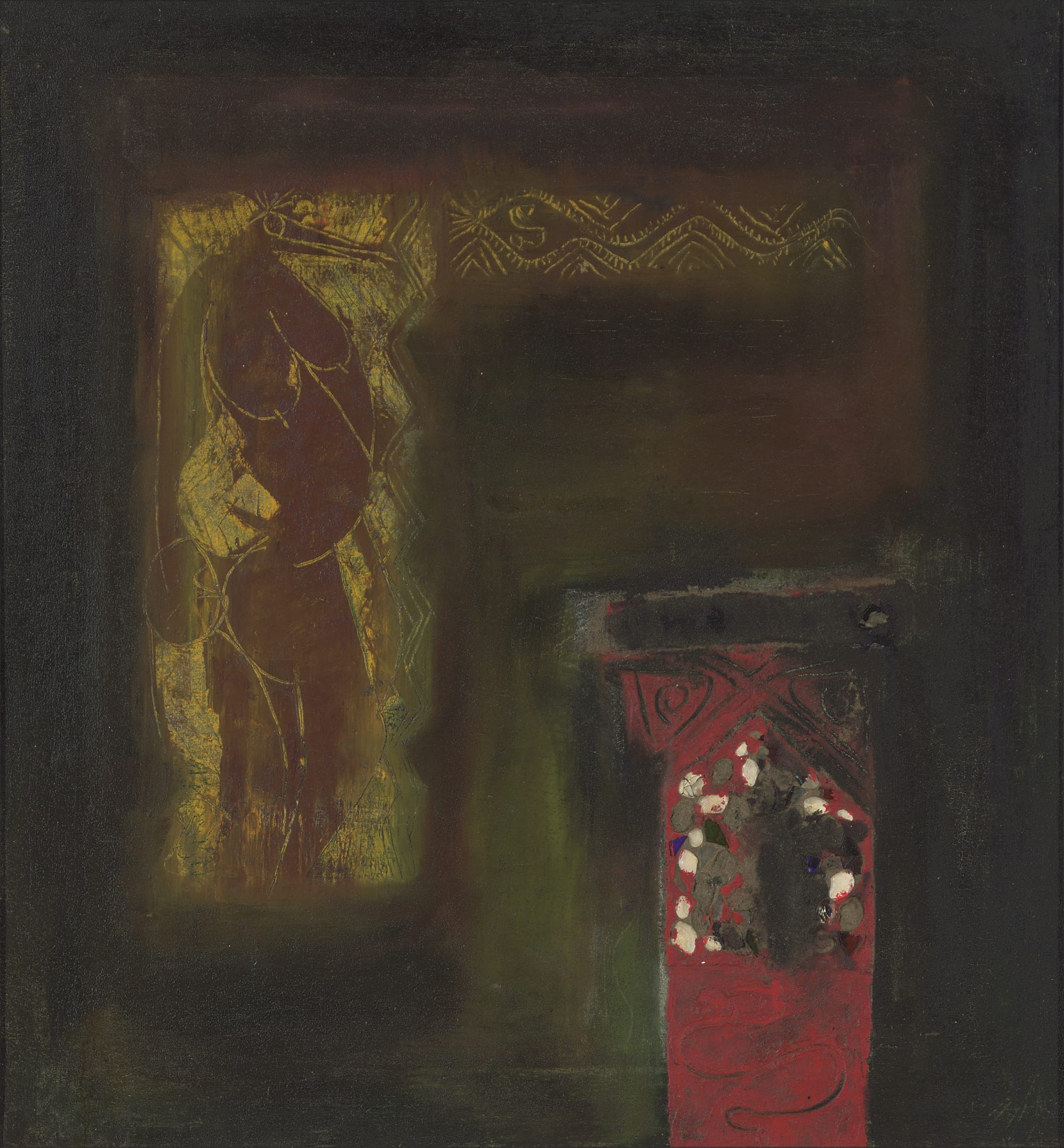
We learn about the friendship between Swaminathan and Paz, both lapsed Marxists, that can be interpreted as a decolonial art practice across continents. Swaminathan’s esoteric paintings evoke and reference the aesthetics of African and Indian Indigenism. For instance, in “The Sign and the Altar” (1964), he juxtaposes sombre silhouettes of a nude female figure, a snake, and a West African Dan peoples’ mask. In 1965, Paz dedicated a poem to Swaminathan that invoked Hindu goddess Kali and Aztec deity Tonantzin, mythological figures separated by centuries and vast distances. Although the artist and the poet were contemporaries and lived far apart, the exchange reveals how the intellectual consciousness predating the term “Third World” shaped their practice.
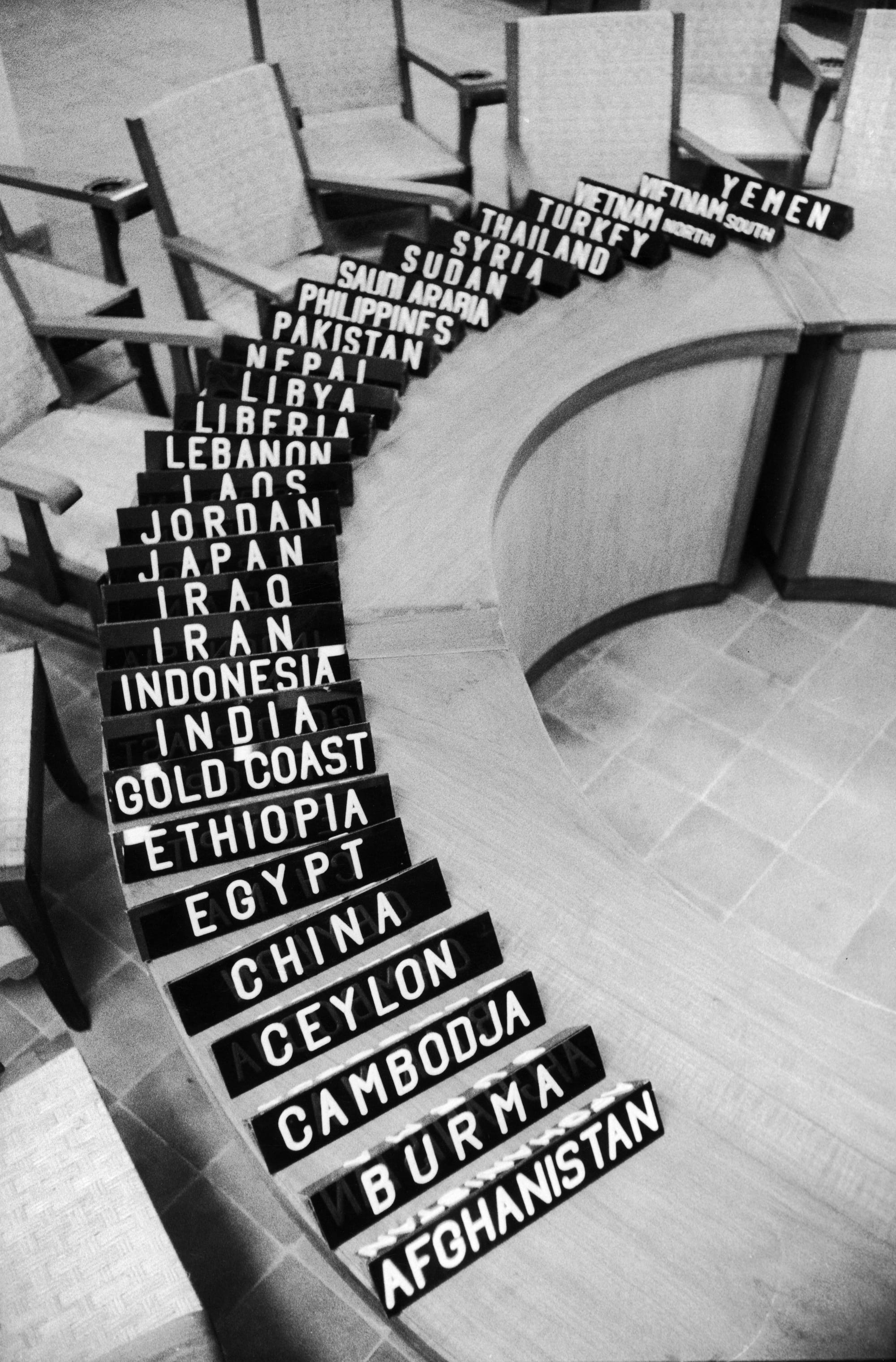
Left: Abanindranath Tagore, Khuddur Jatra (c. 1934–36), artist’s book, page 71 (photo Atreyee Gupta, 2024; Collection of Saranindranath and Mita Tagore, Kolkata); right: Place cards from the Asian-African Conference, Bandung, Indonesia, April 1955 (© Howard Sochurek/The LIFE Picture Collection/Shutterstock; photo Howard Sochurek/The LIFE Picture Collection)
Positioning the Non-Aligned Movement and the Bandung Conference as a lens for 20th-century Indian art is not without certain risks, especially when there is limited evidence of artists’ engagement with them. Swaminathan never explicitly referred to the Third World or Bandung, yet Gupta suggests that he must have been aware of these currents because his work aligns with their essence.
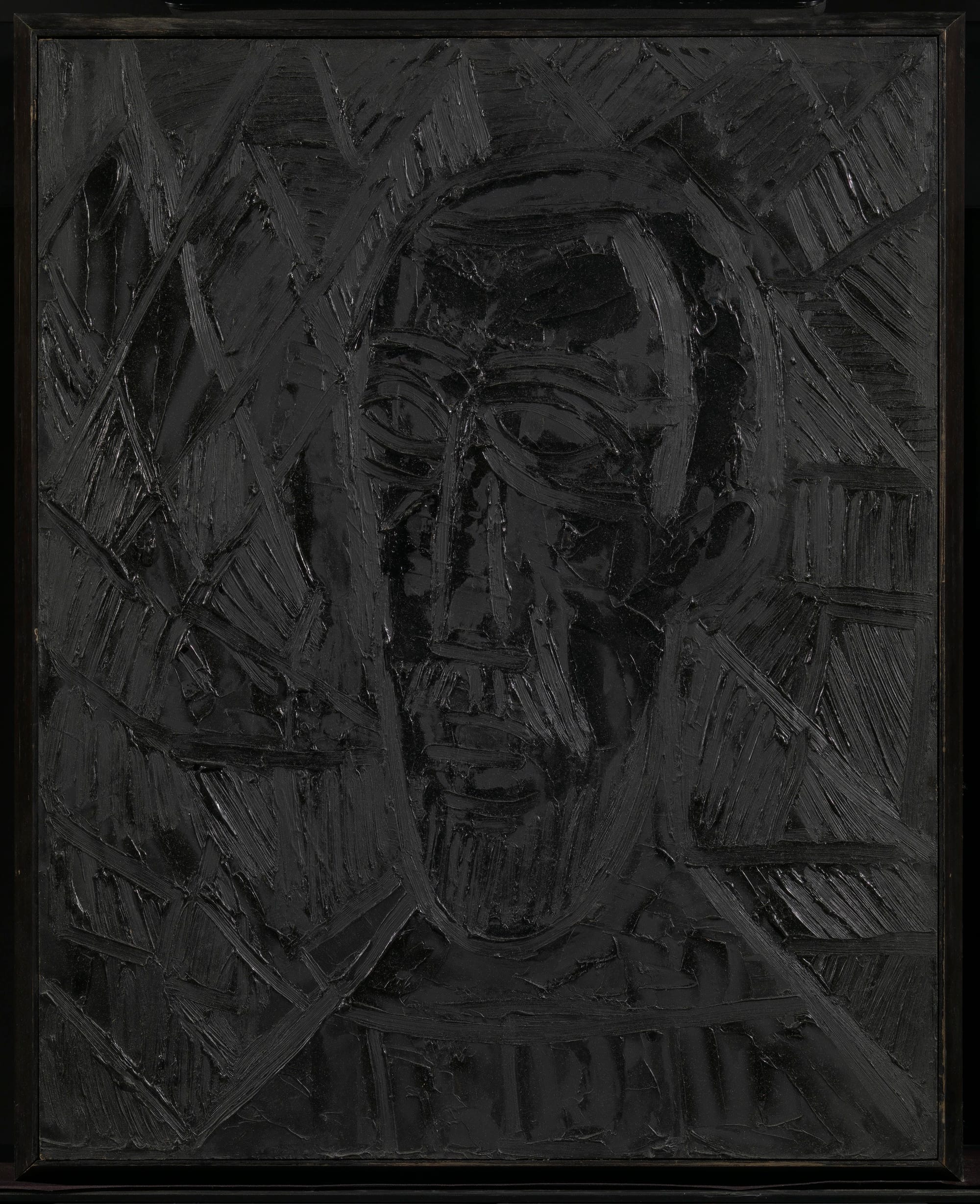
However, the book turns gaps like these into a productive space with queries and reasoning. One chapter examines the intersection of the color black with politics and modernist representation in Souza’s paintings, highlighting the “complex calisthenics” and “funambulist opticality” required to discern the imagery in his work. The author strongly posits that Souza “could not have known” about the Harlem Renaissance and Black American painters also exploring the politics of color, because he had no access to those works. Rather, as an Indian artist bearing a Portuguese passport, Souza developed an intense language in which black tied to experiences of subjugation and colonialism. Souza thus disrupted the Western associations of black as non-color in post-war modern art and its readings. Yet, even as Gupta makes a compelling case, we will never know the full extent of the artist’s awareness and experiences.
The book’s sharp scholarship is occasionally clouded by cluttered embellishment. With ornate formal analyses that hinder smooth reading (“there is something otherworldly about the chalky creature from whose occipital region a serpentine form emanates”), Non-Aligned makes us wish academics would prioritize simplicity over verbosity.
Still, Non-Aligned moves past the criticisms of terms like the Third World and Global South to offer richer and more nuanced ways of interpreting art history. As Gupta notes, Tagore invoked the South Asian theory of aesthetic emotion and aptly channeled the spirit of non-alignment three decades before its inception: “The tongue of the foreigner will not reach where the rasa of my language flows.”
Non-Aligned: Art, Decolonization and the Third World Project in India (2025) by Atreyee Gupta is published by Yale University Press and available online and through independent bookstores.