Going back on plans
Bentley, like so many other global automakers, pledged to go all-electric by 2035. This plan was primarily intended to meet the European Union (EU) emissions goals, which require automakers to reduce CO2 emissions from new vehicles by 2035 in an effort to reach climate neutrality by 2050. Now, the EU is reviewing its mandate, and Bentley “could extend” its full-EV lineup beyond 2035.
Bentley made its announcement at its headquarters in Crewe, England, where its assembly line for its first EV is located. CEO Dr. Frank-Steffan Walliser says Bentley is still committed to EVs, but has a “revised product cadence” that will extend the company’s all-electric ambitions. Further, the production of plug-in hybrids and ICE vehicles will also be extended.
Bentley
What Bentley is saying
This news effectively alters the automaker’s “Bentley100+” strategy for going all-electric. Its initial goal was to introduce a new PHEV or BEV model each year through 2035, with its first EV landing in 2026. This initial EV, a yet-unnamed “Luxury Urban SUV,” is still set to debut in 2026, though the company says it will now land “toward the end of 2026” with deliveries happening “during 2027.”
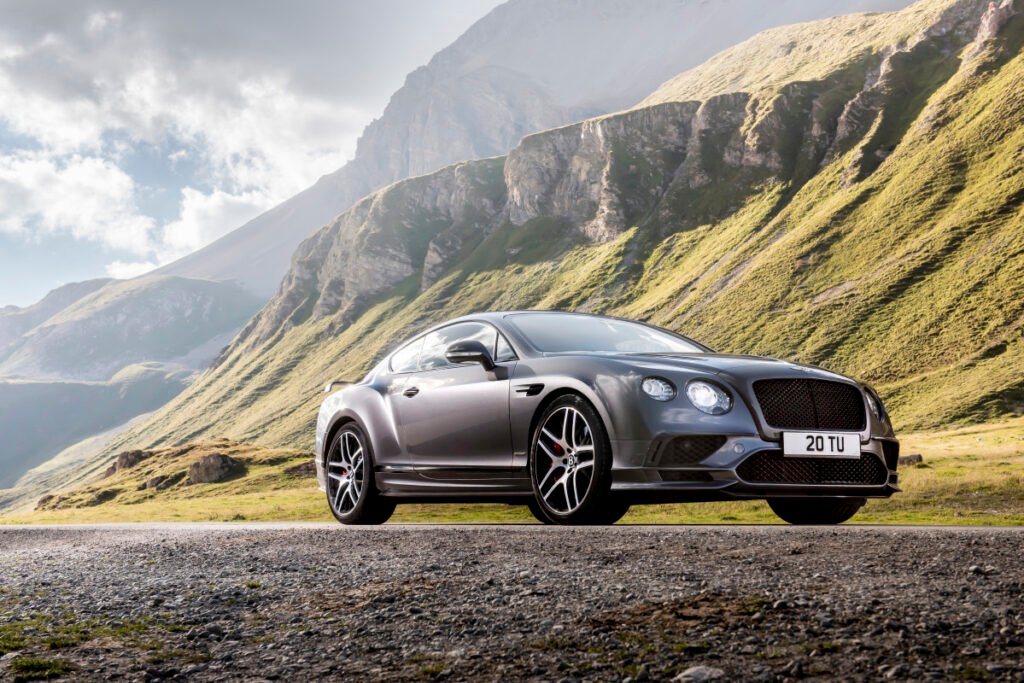
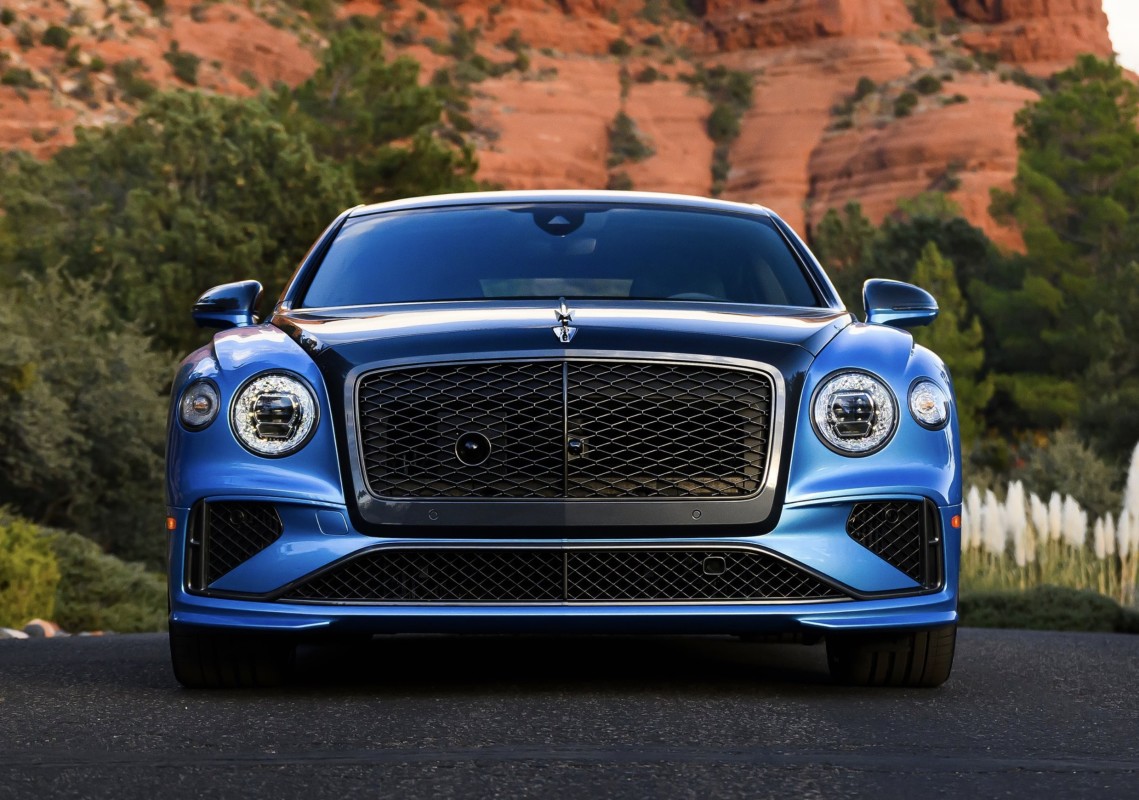
The Bentley Continental GT Coupe, Convertible, and Flying Spur will offer hybrid variants until “at least 2035,” delaying each model’s planned full-electric transition to around 2035. Bentley says it’s not ruling out that more hybrid or internal combustion vehicles will arrive “to maintain powertrain flexibility in line with customer demand across its global markets.”
“Today’s updates to our Beyond100+ strategy reaffirm Bentley’s commitment to progress — responsibly and sustainably,” said Dr. Walliser. “We are evolving our product cadence to reflect the realities of a changing world and a dynamic marketplace. By introducing new internal combustion-engined models and offering hybrid powertrains until at least 2035, we are ensuring that every Bentley customer can continue to experience the full breadth of our performance and craftsmanship.”
Brass tacks for Bentley
In 2023, the EU demanded that automakers be carbon-neutral by 2050 and that all emissions from cars, trucks, and SUVs sold to consumers be zero emissions by 2035. This was in a time when EVs seemed like the silver-bullet solution to emissions, and the world was eager to transition to an all-electric future. Unfortunately, the transition hasn’t gone as planned. EVs don’t have quite the market share the EU and others imagined. An S&P study from November 2024 revised its forecast for the EU EV market share to 21%, down from 27%.
After speaking with auto industry leaders in the wake of slower-than-anticipated EV sales, European Commission President Ursula von der Leyen said there is “a clear demand for more flexibility on CO2 targets.” The current EU rules would introduce billions of dollars in penalties for automakers, which may be seen as overly punitive. A slow economy is at loggerheads with EU regulations for automakers.
Bentley
Final thoughts
Bentley is the latest and most expensive fish in this pond. Ford, Honda, and many other automakers are also moving toward more flexible powertrain options for vehicle lineups. “Flexible” might be the key term here, as automakers who have transitioned in part to electrified powertrains are choosing to build them on the same assembly lines as hybrid or ICE vehicles. Perhaps the future of mobility is an EV powertrain option rather than singular all-electric models dotting dealership lots.