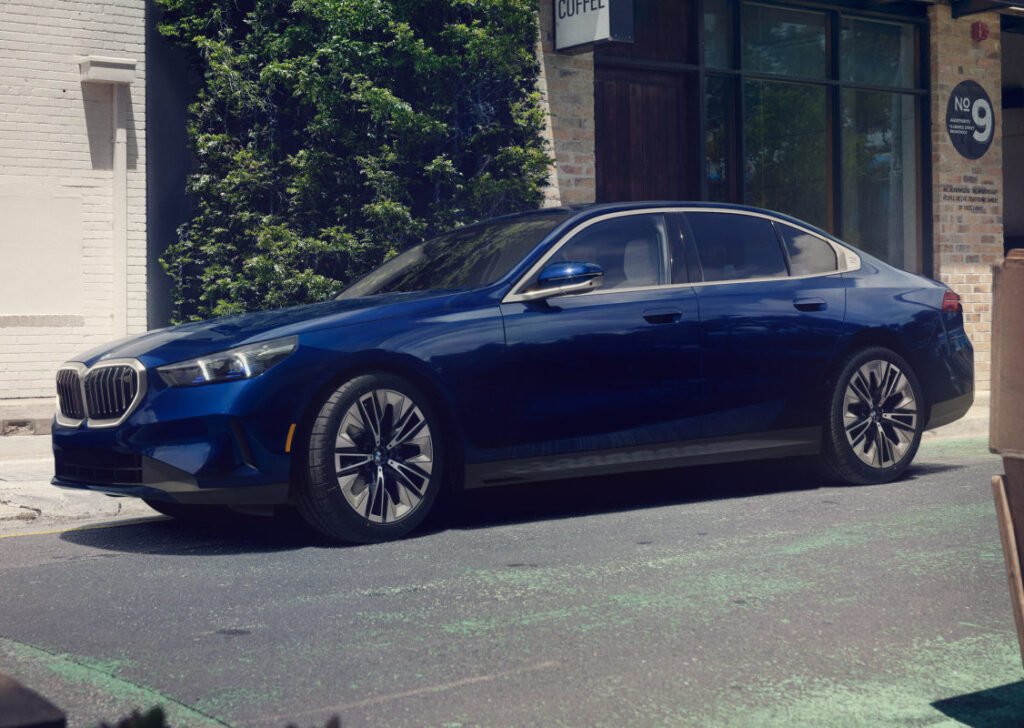
BMW Says No to Long-Wheelbase Cars in America
BMW is drawing a clear line in the sand when it comes to long-wheelbase (LWB) vehicles: they’re not coming to the United States. According to an interview with BMW Blog, the decision is rooted in hard data, not brand philosophy or engineering limitations. Internal research shows that American buyers simply aren’t interested in stretched-wheelbase sedans or SUVs, even as those same models thrive in other parts of the world.
BMW product chief Bernd Körber summed it up succinctly, noting that while some markets prioritize rear-seat comfort, U.S. customers are focused elsewhere. The added legroom and limousine-like experience that define LWB models don’t translate into meaningful value for American buyers. Instead, those features are seen as niche, with limited appeal outside of chauffeur-driven use cases that are far more common overseas.
Kolesa.ru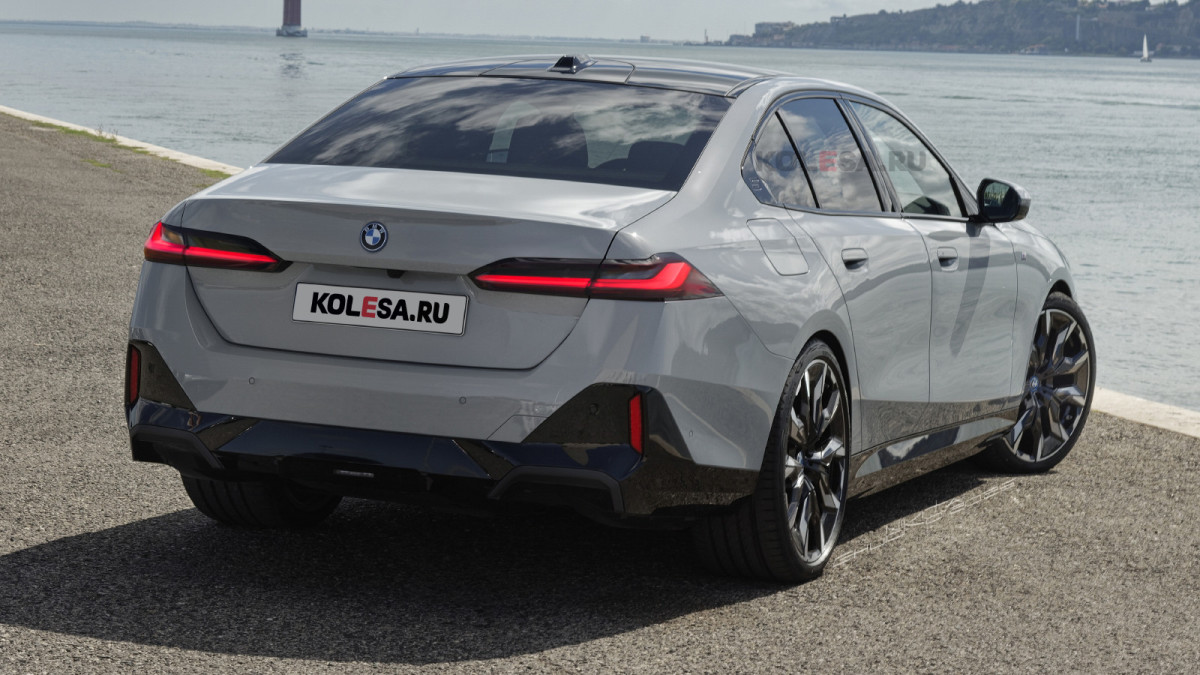
The U.S. Loves SUVs, But Not Long Wheelbases
The broader market context helps explain BMW’s stance. Over the past decade, American consumers have overwhelmingly shifted toward SUVs and crossovers, effectively sidelining traditional sedans. Buyers aren’t just looking for more space; they want it packaged as cargo capacity, flexibility, and a higher driving position, all of which SUVs deliver better than any stretched sedan could.
That creates an interesting contradiction. BMW already builds a wide range of long-wheelbase vehicles for markets like China, including extended versions of the 3 Series, 5 Series, and even electric models like the iX3. These vehicles are specifically engineered to enhance rear-seat comfort, catering to customers who are more likely to be driven than to drive themselves. But in the U.S., where owner-driving remains the norm, that extra rear legroom becomes largely irrelevant.
BMW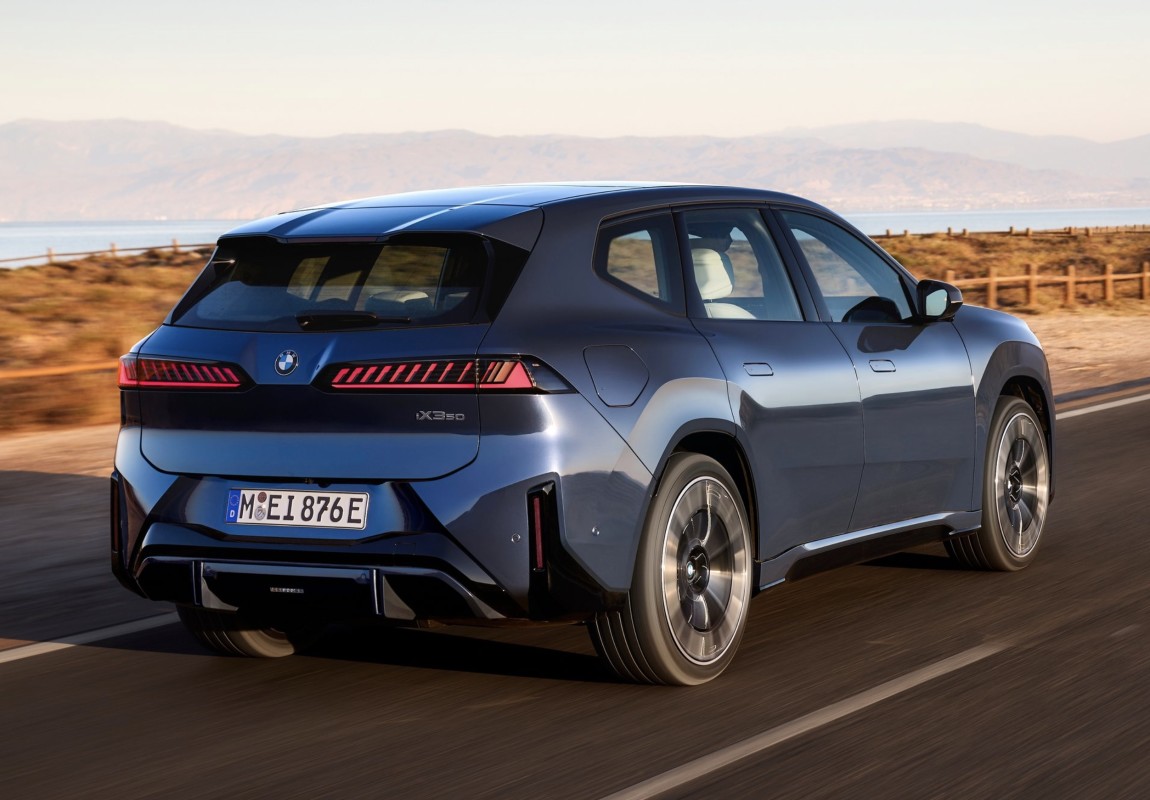
The Lowdown
BMW’s decision ultimately comes down to alignment between product and behavior. In markets where rear passengers matter most, long-wheelbase cars are a logical extension of the lineup. In the U.S., they risk overlapping with existing models and solving a problem that doesn’t really exist. Buyers who want more space typically just move up to a larger vehicle or, more often, switch to an SUV altogether.
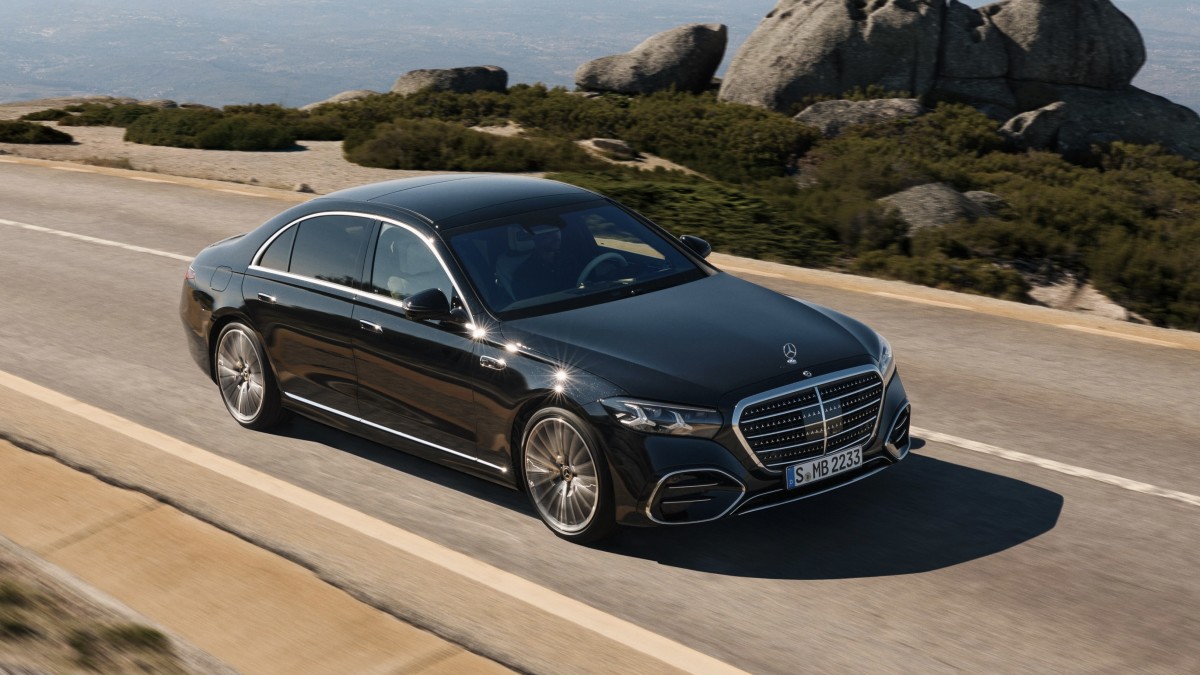
The contrast with rivals like Mercedes-Benz, which continues to offer long-wheelbase luxury sedans in America, underscores a deeper divide in strategy. BMW is betting that U.S. buyers will continue to prioritize driving dynamics and utility over rear-seat indulgence. For now, the data support that call, and until American preferences shift, long-wheelbase BMWs will remain a global play that stops short of U.S. shores.
Mercedes-Benz