- BYD is suing US officials over vehicle import tariffs.
- The lawsuit claims the US overstepped legal authority.
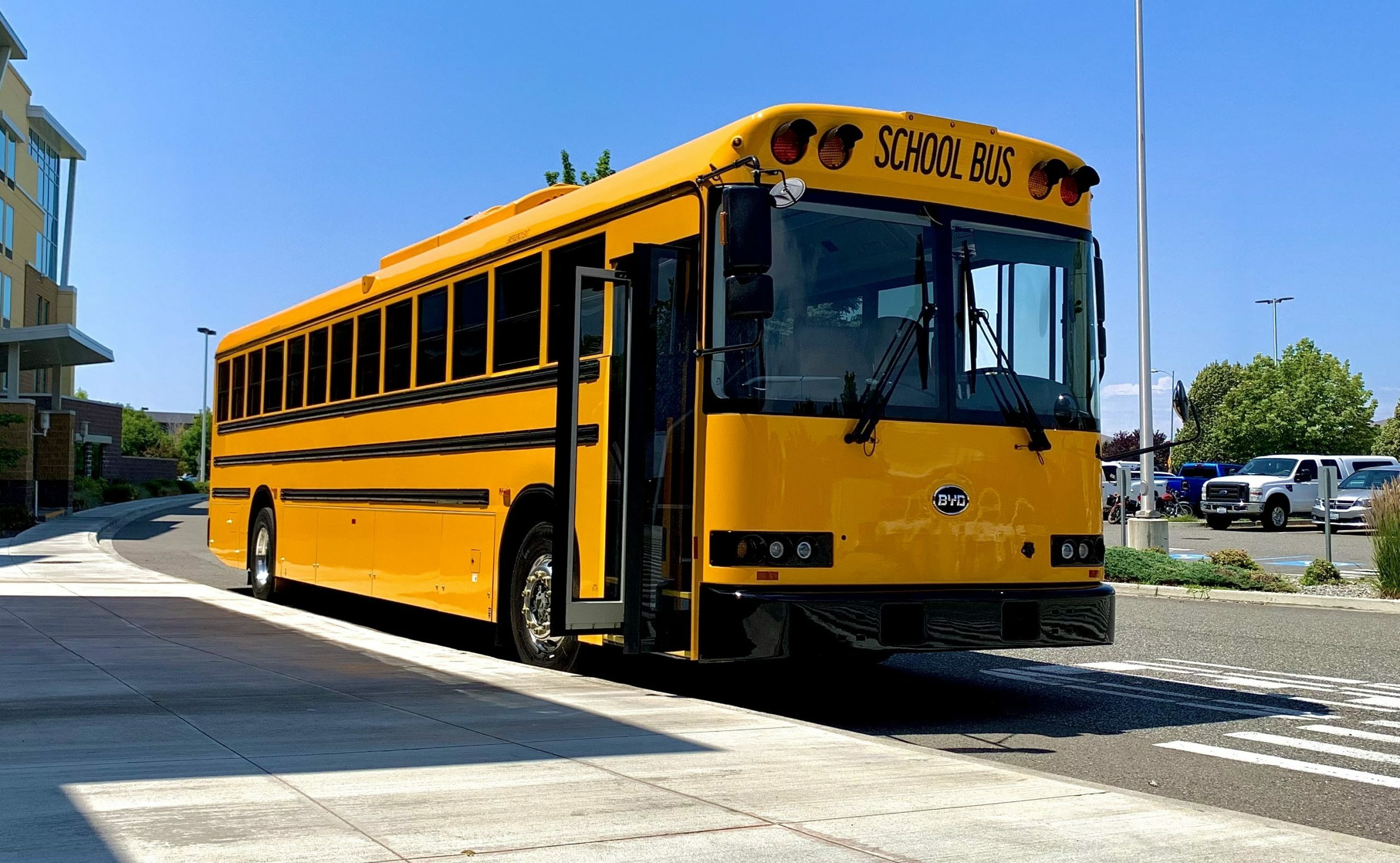
- Company already builds electric buses in California.
Chinese juggernaut BYD has expanded rapidly across global markets in a remarkably short time, positioning itself as one of the world’s largest car manufacturers. Yet despite its international reach, it has so far been unable to enter the world’s second-largest new car market: the United States. The main obstacle has been import tariffs, but BYD is now pushing back.
Eager to establish a foothold in the US market with its passenger vehicles, four BYD subsidiaries based in the United States have filed suit against the federal government.
Read: China’s EV Boom Is Cooling, And The Big Names Are Feeling It
The case, brought before the US Court of International Trade, challenges tariffs imposed under the International Emergency Economic Powers Act (IEEPA). The plaintiffs include BYD America LLC, BYD Coach & Bus LLC, BYD Energy LLC, and BYD Motors LLC.
The lawsuit names not only the federal government but also officials from the Department of Homeland Security, Customs and Border Protection, the Office of the US Trade Representative, and the Treasury Department.
It argues that these agencies exceeded the authority granted to them under the IEEPA statute and contends that the resulting tariff orders are legally invalid.
Tariffs Under Fire
In addition, the lawsuit specifically challenges nine executive orders and amendments issued since February 2025, including tariffs at the borders with Mexico and Canada, as well as tariffs targeting China and related to fentanyl.
The Chinese car manufacturer is seeking permanent injunctions against these measures and wants refunds for all IEEPA tariffs collected, in addition to interest and reasonable litigation costs.
While it may sound like a long shot for BYD to try and get these tariffs overthrown, its efforts aren’t without precedent. The lawsuit cites the case of New York-based wine importer V.O.S. Selections, which successfully sued the US government over tariffs, arguing that the US President lacks authority to impose them, even under the IEEPA framework.
Already On American Soil
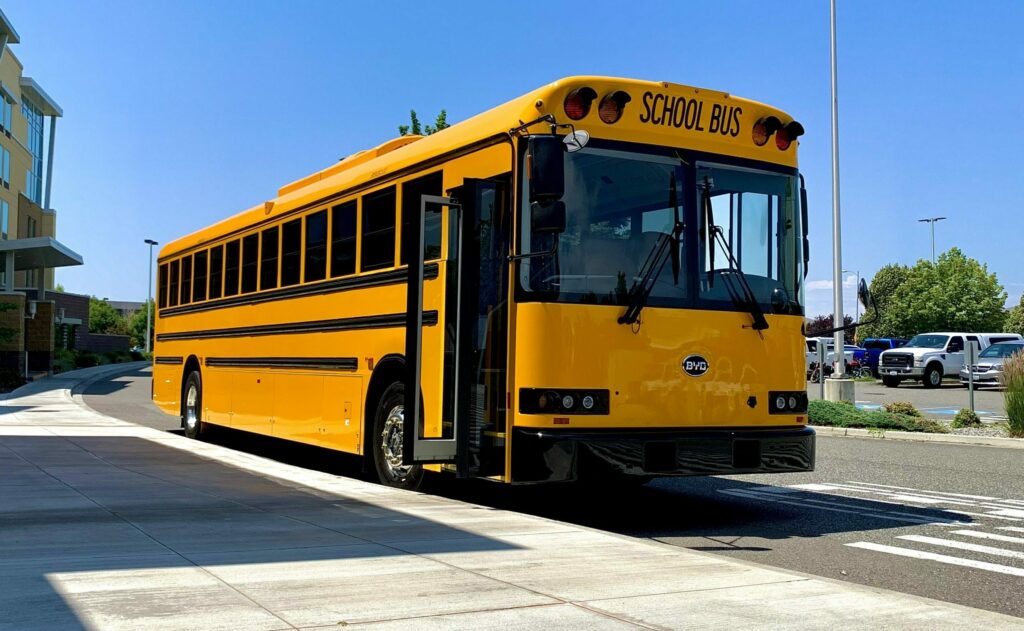
Though it may surprise many American consumers, BYD already maintains a manufacturing presence in the United States. Its 550,000 square-foot facility in Lancaster, California, produces hundreds of electric buses and employs roughly 500 workers.
Getting the tariffs thrown out wouldn’t just help this complex, but also open the door for BYD to sell cars in the United States, perhaps importing them from factories in Canada and Mexico.
Could This Open the Floodgates?
Sun Xiaohong, secretary-general of the automotive branch of the China Chamber of Commerce for Import and Export of Machinery and Electronic Products, told Global Times that “BYD’s move follows a growing trend of companies using legal channels to safeguard their legitimate rights and interests.”
While the case still faces legal hurdles, Sun told the outlet that it could set an important precedent for other Chinese companies looking to assert their rights through formal channels. He also argues that letting automakers like BYD in could benefit US buyers by adding more affordable EV options to a market that’s only getting more competitive.