The Battery Gap Widens
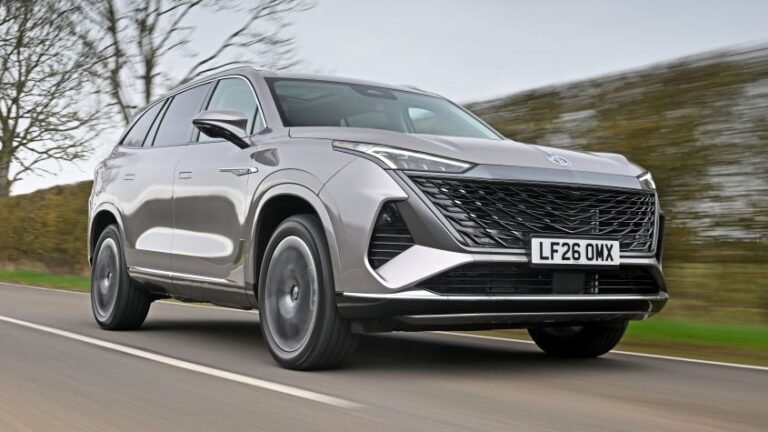
With little to no surprise, most electric vehicle batteries produced last year came from China. According to Nikkei Asia, Chinese EV battery makers accounted for around 70 percent of the global market in 2025 – a sharp increase from less than 50 percent in 2021.
China’s Contemporary Amperex Technology Co. Ltd. (CATL) – which has supplied batteries for Ford EVs like the Mustang Mach-E – remained the industry leader and reported a record net profit of 72.2 billion yuan (about $10.4 billion at current exchange rates) in 2025, up 42 percent from the previous year. Chinese firms also dominated the rankings, accounting for six of the world’s top 10 battery manufacturers by installed capacity last year.
Notably, Chinese battery makers have been less exposed to the EV slowdown in the U.S., largely due to their limited presence in that market, while South Korean firms like LG Energy Solution and SK On have been more significantly impacted.
Jacob Oliva/Autoblog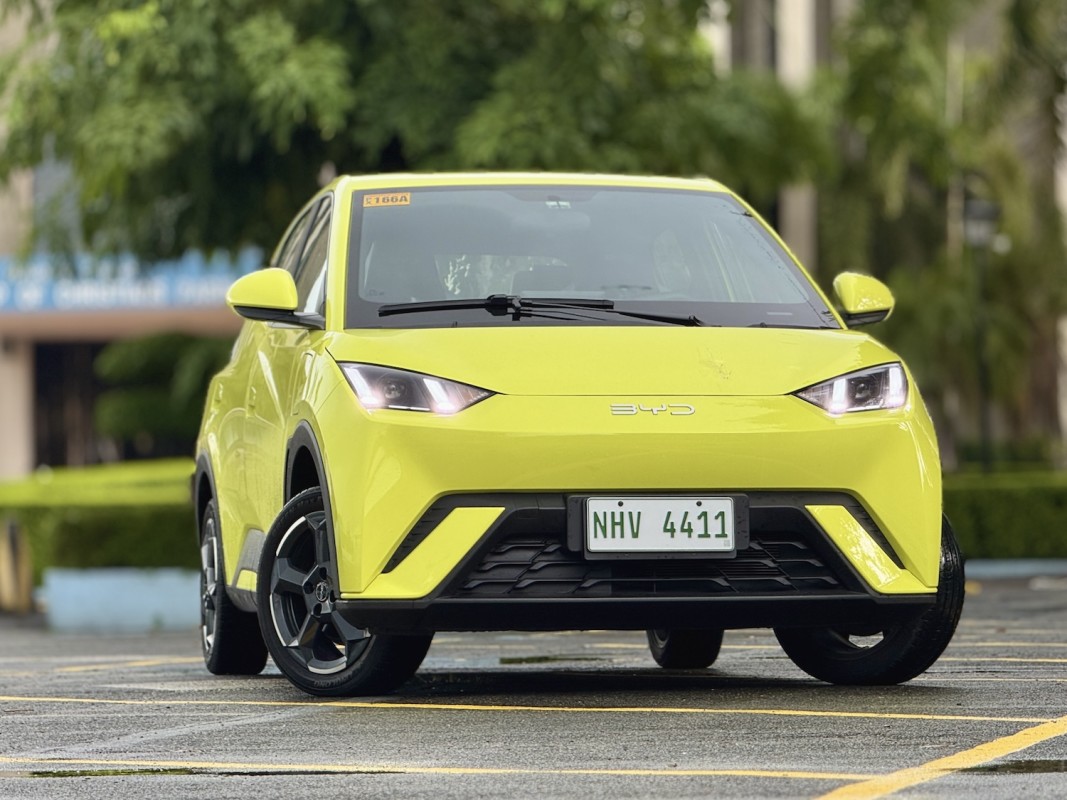
The Slowdown Ripple Effect
The slowdown has been tied to shifting policy support, forcing South Korean battery makers to adjust. SK On – a key supplier for Hyundai Motor Group EVs like the Ioniq 5 – has cut 958 jobs at its Georgia plant. LG Energy Solution, meanwhile, is also restructuring, with its Ohio joint venture with Honda Motor selling a factory building and related assets to Honda’s U.S. subsidiary.
On the other hand, Chinese battery makers continue to expand outside the U.S., including in Europe, where BYD is building out its manufacturing footprint in Hungary and Turkey. BYD, which ranked second to CATL in global share last year, continues to produce batteries in-house for its own vehicles while also increasing supply to other automakers, including Stellantis and Xiaomi.
Rachen Sageamsak/Xinhua via Getty Images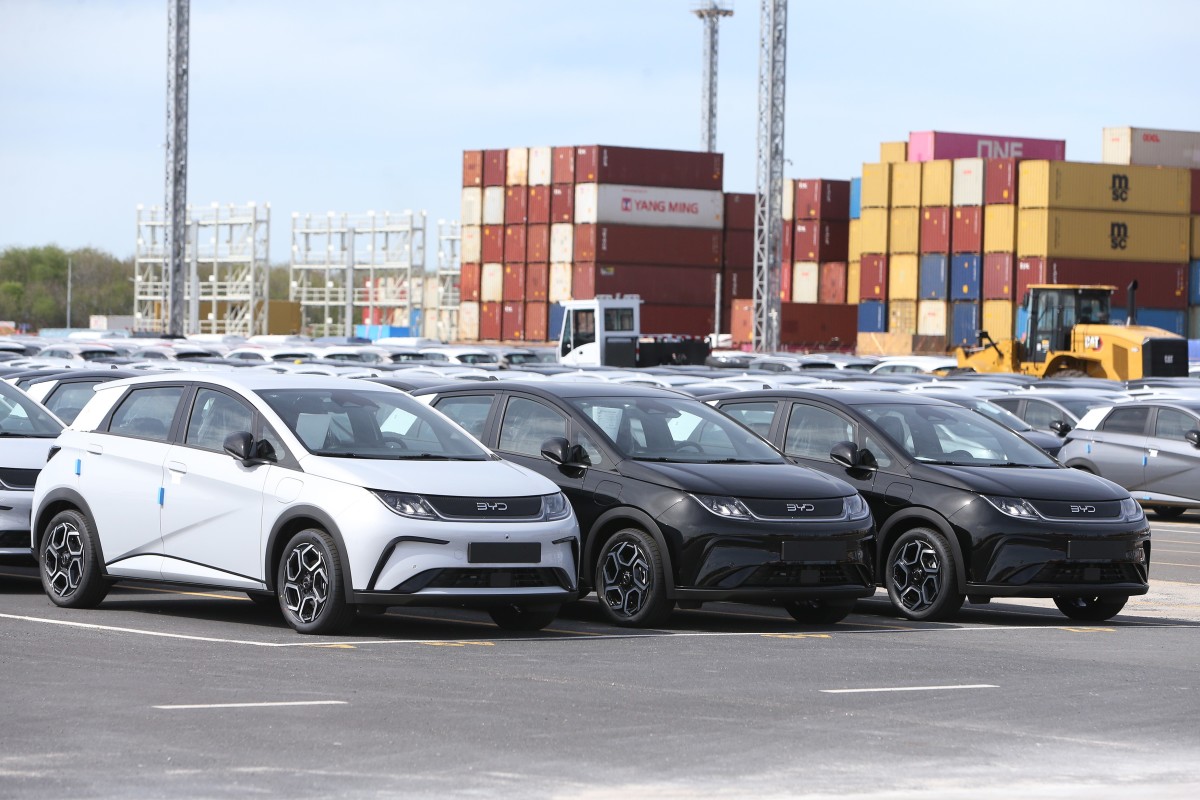
Survival of the Fittest
While Chinese companies posted strong results in 2025, the outlook this year appears more mixed. The report notes that new sales of electrified vehicles fell 28 percent year-on-year in the January–February 2026 period following adjustments to government subsidies. The shift could push out weaker players and favor more competitive, profitable companies, though it may also pose risks for Chinese suppliers.
If China keeps widening its lead, it could effectively set the global price floor for EV batteries. Unless American and allied automakers can scale up fast enough, they risk facing higher battery costs, which would make affordable EVs harder to build. That matters in the U.S., where budget-friendly choices are already scarce, with the Chevrolet Bolt EV and Nissan Leaf still among the few mainstream models hovering around the $30,000 range.