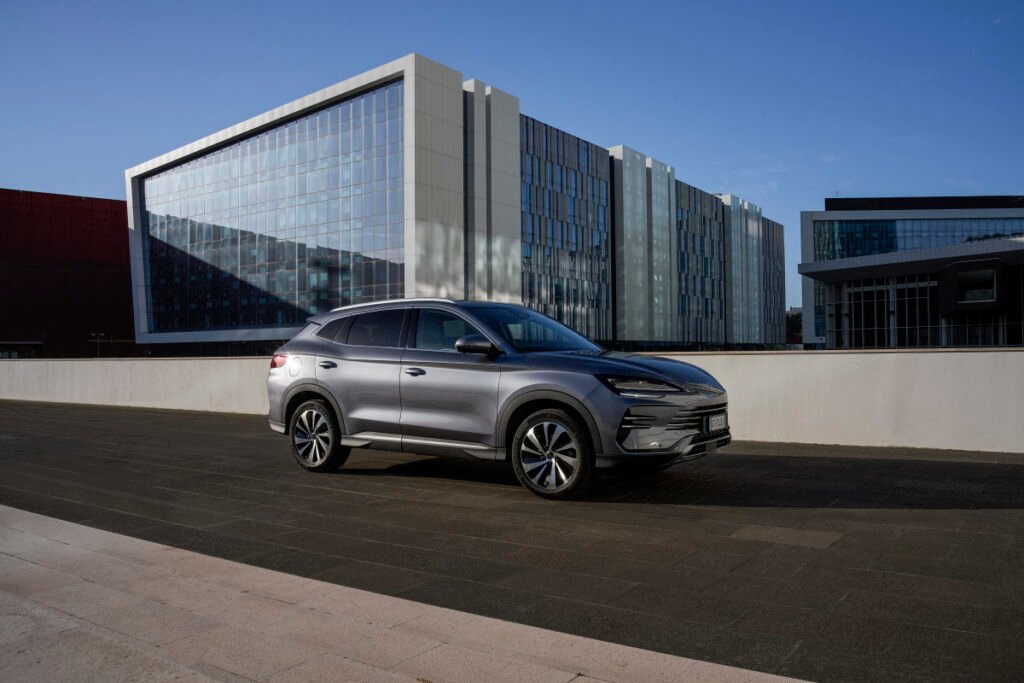
We have an abundance of many things in the United States, but new EVs aren’t among them. Automakers like Ford are pulling back from EV programs, instead opting to focus on building and selling hybrids to meet customer demand. But electrification isn’t going anywhere; other automakers like BMW have introduced new core vehicles with electric options, or as electric-only.
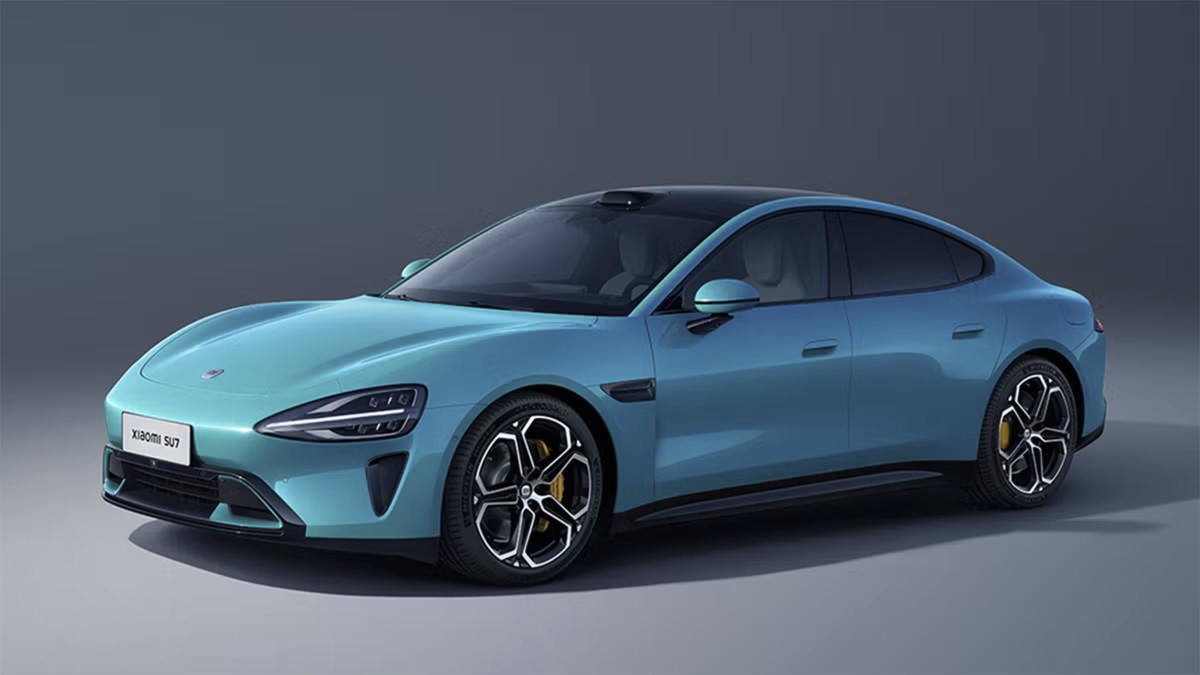
As we regress stateside, China is experiencing an expansion in electrification. New and existing companies are building EVs, and they’re selling in massive quantities. Xiaomi and BYD both report huge sales upticks, all driven by electrification. Those automakers are set to start branching out, and that’s great news for you – even if you never even see a Chinese EV in real life.
China’s global EV sales, by the numbers
Globally, Chinese EV exports are up 87% year-over-year. EV sales in China are positive as well; Xiaomi, a relatively new player in the auto realm, saw strong EV sales. It plans to expand its lineup and begin shipping overseas to Mexico and Europe soon. One million EVs were shipped in China, with another 800,000 heading to other markets.
In November, the last month for which we have full-month reporting, Chinese automakers shipped 200,000 EVs. Nearly 10 percent – 19,344 to be specific – were shipped to Mexico. That’s not a massive volume of EVs, but it’s also a 2,000% year-over-year growth in Chinese EVs in Mexico. In total, Chinese automakers sent about 100,000 EVs to Mexico last year.
Related: California Wants to Save EV Sales With a $200 Million Incentive
How EV sales in Mexico and Europe benefit you
Mexico and Europe are critical global markets for automakers. Chinese automakers may not be able or willing to ship to the United States, but there are different restrictions in other markets. Also, no tariffs. This makes for an advantageous market for the likes of BYD and Xiaomi.
It also means that other automakers with an existing presence in those countries will have to compete. Unless “traditional” automakers want these Chinese upstarts to eat their lunch, they will have to become more creative and dynamic. Think better range, improved interiors – all the things.
This, in turn, means better EVs – and possibly ICE and hybrid vehicles, too – domestically. Automakers don’t like to create bespoke models for different markets. Sure, each country has its own regulations, and there are obviously differences between vehicles in the US and those sold overseas, even if they carry the same nameplate. Still, by and large, they’re the same vehicle. Plainly put, China is aggressively trying to establish a foothold in the EV market, and automakers will have to meet that challenge.
BYD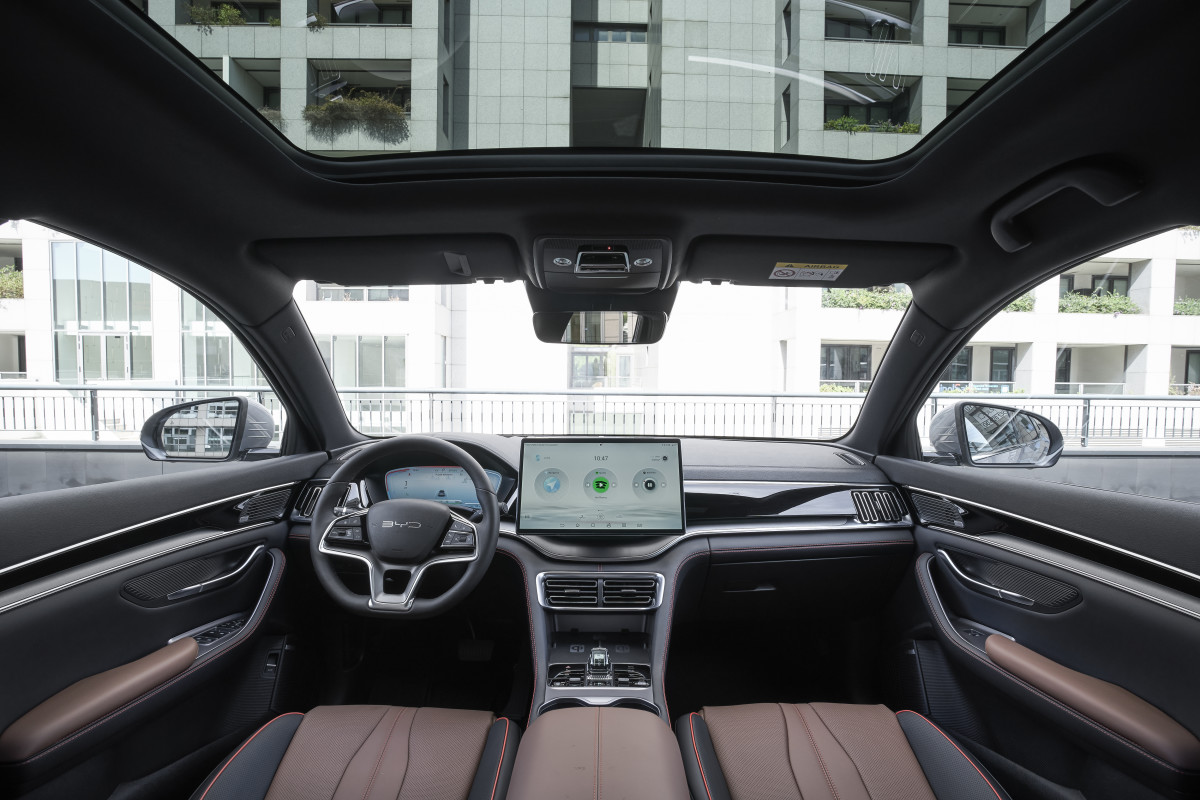
Final thoughts
For many automakers, it simply doesn’t make sense to cede market share in other countries, even if a vehicle’s sales in the US are dominant. They’ll adapt, and so will the Chinese automakers. We may never get to drive a Chinese EV, but global competition will have a residual effect in the US. We should start to expect better range, more features, and less ballooning of vehicle cost.
Related: All The EVs That Died In 2025