Color Is Creeping Back In
Needless to say, most cars today tend to come in grayscale shades such as gray/silver, white, and black, a sharp contrast to eras like the 1950s, when American models like the Chevrolet Bel Air often wore far more vibrant paint jobs. Now, however, a report from Car and Driver suggests that colorful exterior finishes may be regaining popularity.
Pantone Color Institute automotive expert Gloria Jover said the data show the color palette is “evolving rather than stagnating,” citing a two-percentage-point increase in recent years. She noted that buyers often choose colors like gray because they are seen as a “safe” choice for resale, with nearly 80% of American new-car buyers reportedly opting for such shades. That is a practical approach, though there appear to be other reasons these colors remain so popular.
Ford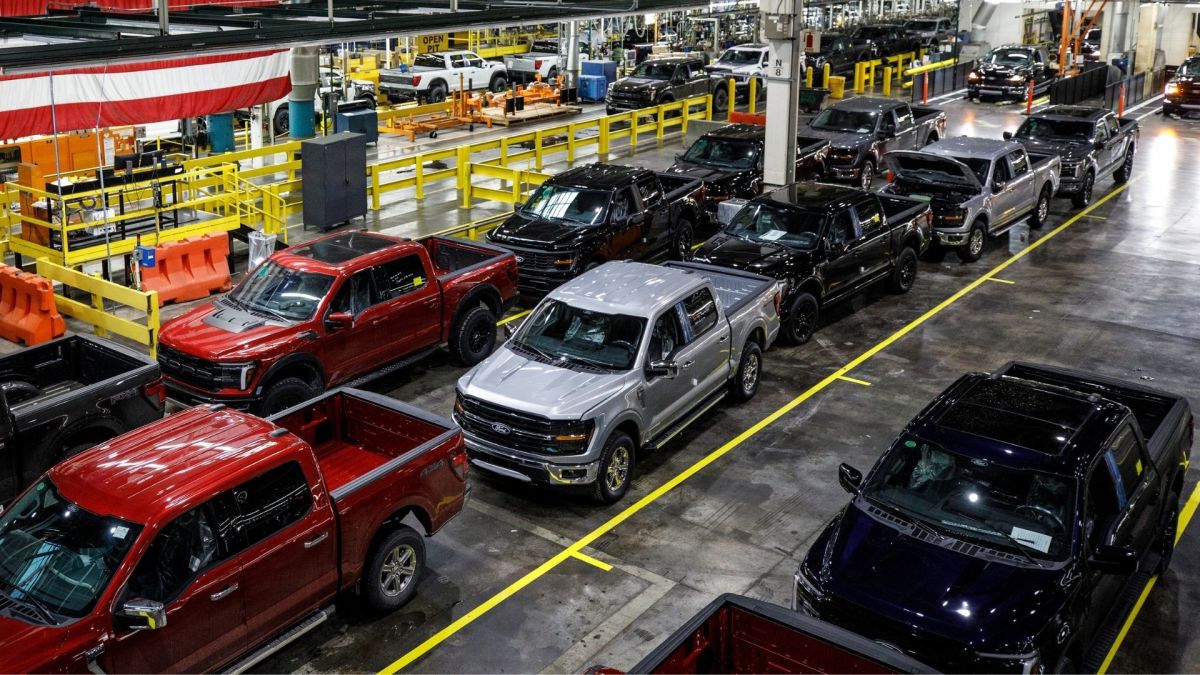
Demand Shapes the Palette
Most cars leave the factory in grayscale shades, which then dominate dealer inventories and can often result in quicker turnaround times to customers than brighter colors that see less demand. Another factor is the added cost of choosing a different paint finish. In the Ford F-150, for example, neutral tones such as Oxford White, Iconic Silver Metallic, Carbonized Gray Metallic, and Agate Black Metallic are typically offered at no extra cost, while options such as Ruby Red Metallic and Antimatter Blue Metallic can add hundreds of dollars.
While Jover suggested that colors like gray are often seen as a “safe” option, certain non-neutral finishes can also help some vehicles stand out and attract buyers. Last year, for instance, a 2014 Porsche Cayenne sold for a staggering $125,000, with its Jet Green Metallic finish standing out among its more distinctive features, alongside a manual gearbox. So it may ultimately depend on the model, though the idea of “safe” colors likely applies more to mainstream vehicles like the Toyota Camry.
Joseph Rey Au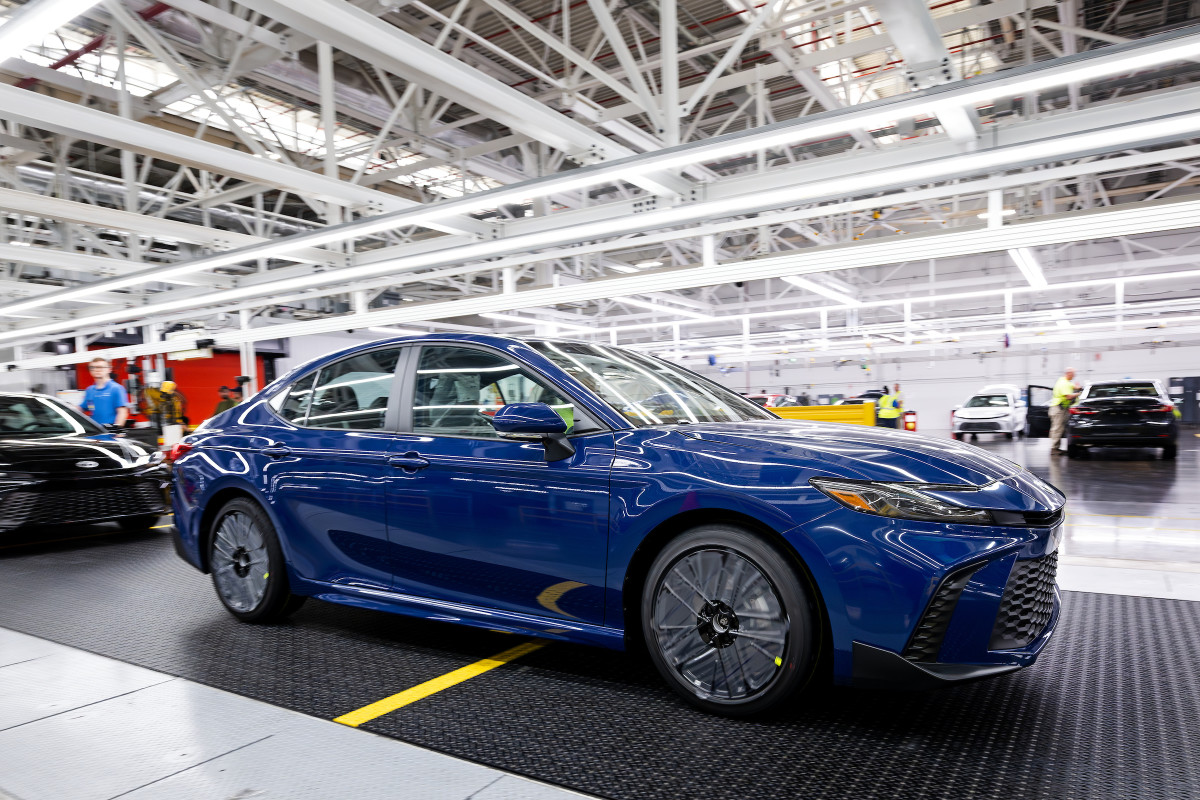
The Colors of Tomorrow
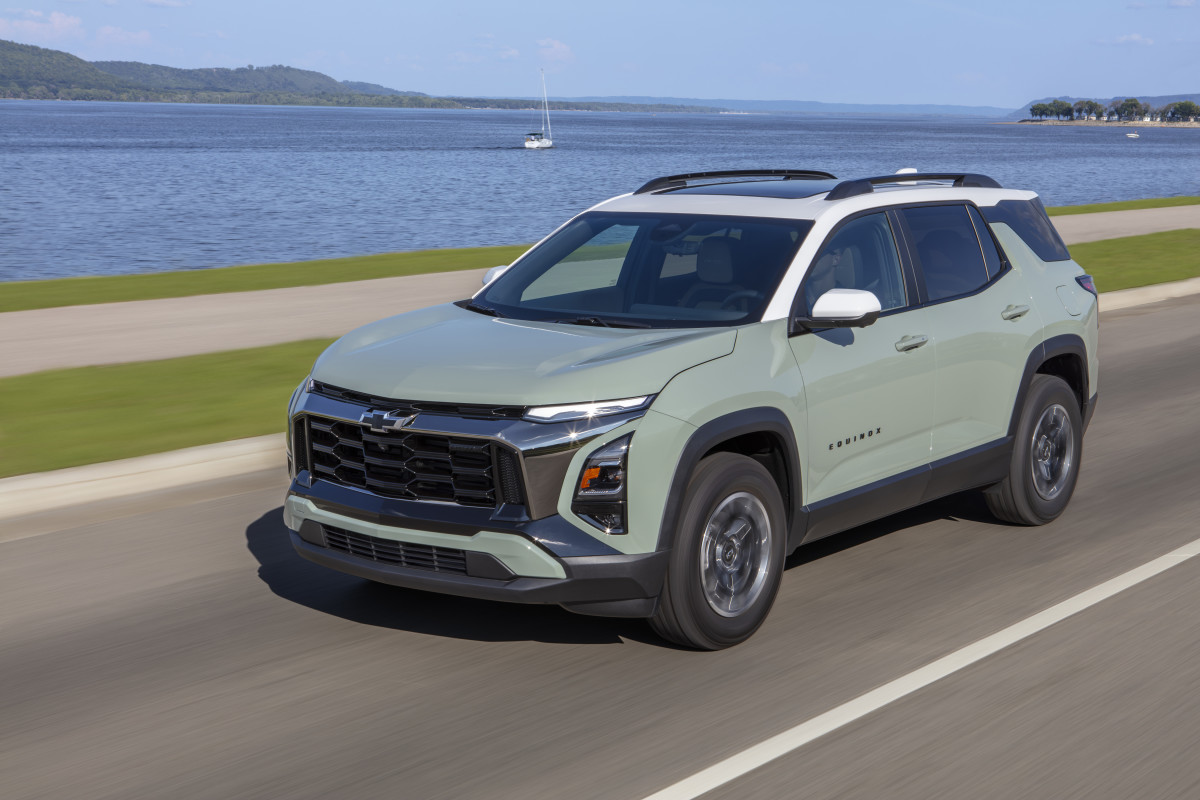
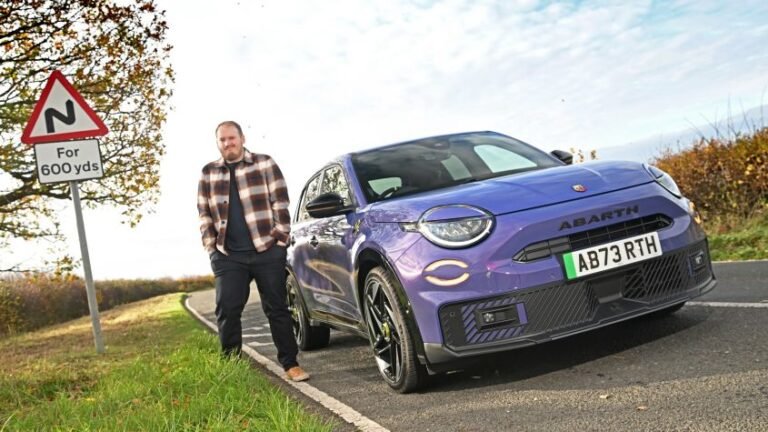
So which colors are gaining more traction? The report pointed to green, violet, and orange – shades that are loosely tied to nature and mood. Green is perhaps the clearest example, given its strong connection to the outdoors, while violet is said to evoke the feel of space exploration. Orange, meanwhile, is reportedly influenced by the appeal of golden-hour selfies, as well as rock formations and other outdoorsy imagery.
In addition, the report highlights the rise of pearl white finishes, particularly among electric vehicles, where they help create a minimalist aesthetic – an approach that suits models like the Tesla Model 3.
A two-percentage-point increase may seem modest, but if the trend continues, roads could gradually become more colorful, especially in an era where personal expression increasingly extends to everything from social media to vehicle choice.