A Climate Case With Big Targets
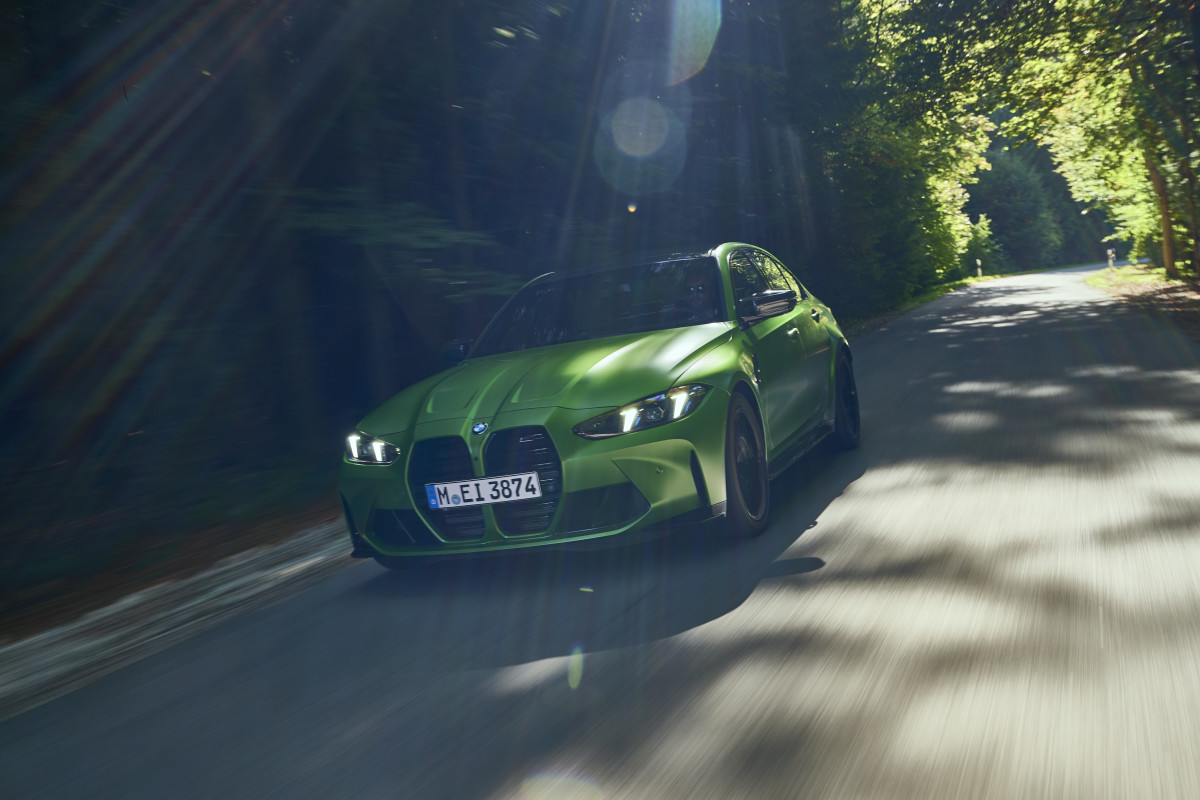
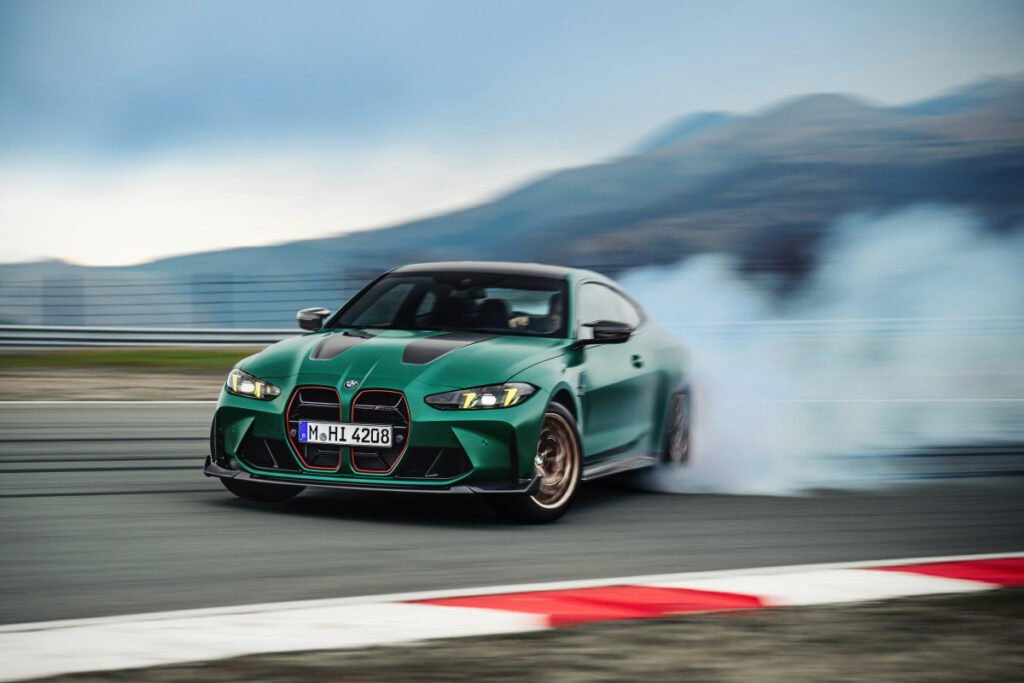
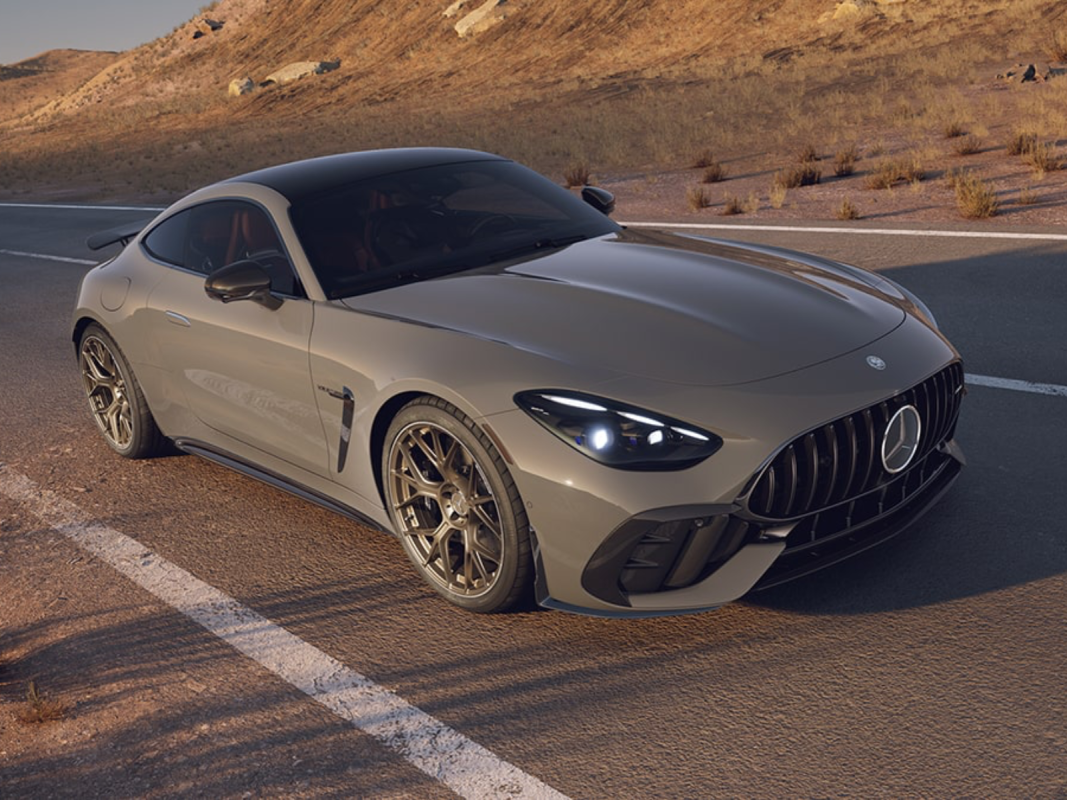
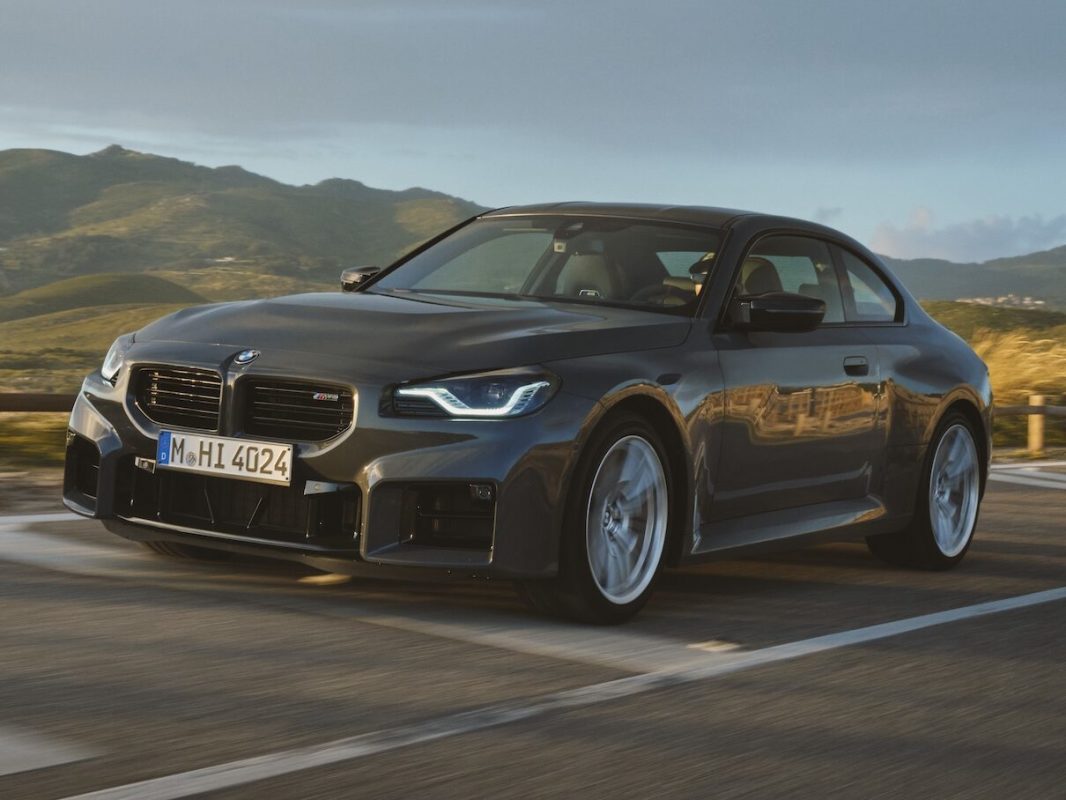
BMW and Mercedes-Benz are two of the industry’s biggest performance brands, so it was no surprise when environmental group Deutsche Umwelthilfe (DUH) sued the automakers for allegedly exceeding their “carbon budget.” However, Reuters reports that Germany’s Federal Court of Justice in Karlsruhe rejected the lawsuit, ruling that no such budget had been allocated to individual companies.
DUH – whose three managing directors stood as plaintiffs – sought to force BMW and Mercedes-Benz to stop selling new combustion-engine vehicles starting in November 2030. Although the case was filed in Germany, such a ruling could have had implications beyond that market. In the U.S., for instance, both automakers have local manufacturing operations but still rely on exports from Germany, including some BMW M and Mercedes-AMG models. A stop-sale order could have forced the companies to adjust their lineups accordingly.
But as the case suggested, any hard ban would likely need to come from government policy or legislation, rather than through lawsuits.
The Road to Lower Emissions
For their part, BMW and Mercedes-Benz are not solely focused on combustion vehicles, as both continue to expand their electrification efforts to reduce emissions. BMW, for instance, has introduced its Neue Klasse platform, which underpins its next generation of EVs, including the iX3, which is beginning its global rollout and is expected to reach the U.S. in the summer of 2026.
Meanwhile, Mercedes-Benz has also been expanding its electrification strategy through a diversified approach, as seen with models like the new GLB, now offered with mild-hybrid technology, alongside an all-electric counterpart. The marque also recently revealed the new CLA Shooting Brake, which adopts a similar multi-powertrain strategy.
A Shifting Regulatory Landscape
As such, both automakers welcomed the ruling while reaffirming their commitment to sustainability. DUH, meanwhile, grounded its lawsuit on a 2021 decision by Germany’s Constitutional Court, which emphasized the state’s duty to protect future generations from the effects of climate change. This could open the door for the group to pursue a different legal approach.
Pressure could mount on environmental groups after the EU moved to soften its 2035 phaseout of new combustion-engine car sales. The revision allows plug-in hybrids and other low-emission vehicles to coexist with fully electric models, a key shift as the industry faces slower-than-expected EV adoption and concerns over the broader impact of an outright ban.
BMW