Three snack makers have filed a third amended complaint in a high-profile antitrust lawsuit* alleging that David Protein has excluded competitors and created an artificial monopoly in an emerging segment of the protein bar market.
The dispute began last summer after David Protein acquired Epogee, which makes a patented ingredient called EPG that looks and functions like fat, but has a fraction of the calories (0.7cals/g).
Three Epogee customers—OWN Your Hunger, Lighten Up Foods, and Defiant Foods—claim that they built their business around EPG only to abruptly lose access. Collectively, they claim, they pumped $449k into R&D tied to EPG-based products that “cannot be repurposed,” lost $107k in confirmed sales due to an inability to fulfill customer orders, and wrote off $85k+ in specialized inventory such as packaging featuring EPG-based calorie claims that would be inaccurate if used with any other ingredient.
David Protein, however, says formulators can choose from an “abundance” of alternatives to EPG and says it is under no obligation to keep selling the ingredient to firms that have not signed long-term supply contracts. Plaintiffs say such contracts were never offered.
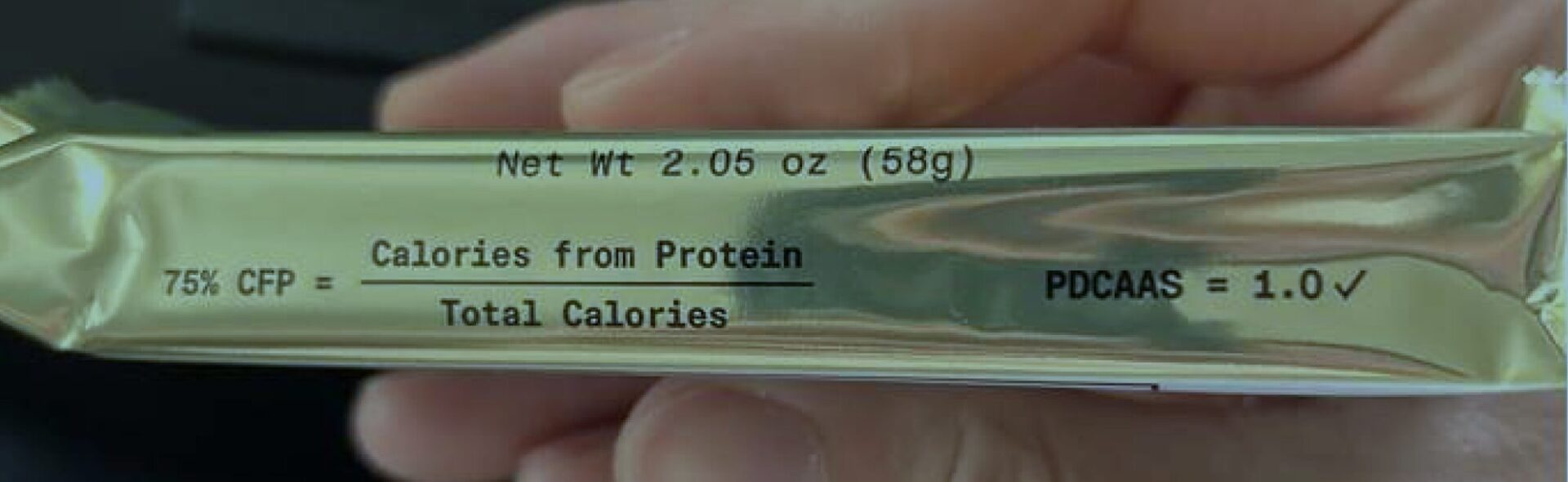
‘No competitor can replicate David’s product without EPG’
Thus far, US district judge Victor Marrero has repeatedly sided with David, but recently gave plaintiffs leave to file a third amended complaint to correct what he claimed were deficiencies in their case, particularly around how they defined the relevant market in which David competes.
According to the latest complaint, the relevant product market for antitrust purposes is high-calories from protein (CFP) protein bars, where roughly 50-75% of calories are from protein. Given EPG has just 0.7 calories per gram vs the standard 9 calories per gram for regular fat, most formulators struggle to achieve a CFP higher than 47% without encountering major problems, say plaintiffs.
“No protein bar using a quality protein source can enter this range without EPG. Defendants hold 100% of sales in this market.”
If David were competing with all protein bars, it could not sustain price premiums of 44-171% while holding less than 1% of the market, claim the plaintiffs, who say shoppers in the high-CFP protein bar market “track and rank protein bars by their protein-to-calorie ratio.”
Before the acquisition of Epogee, they claim, at least five firms besides David were preparing to bring competing high-CFP protein bars with EPG to market at prices significantly below David’s. “After the acquisition, only David sells a protein bar above that ceiling. No competitor can replicate David’s product without EPG.”
According to the plaintiffs, who seek damages and injunctive relief to restore competition, David “acquired control to eliminate every emerging competitor in the high-CFP protein bar market. Defendants’ monopoly power in the downstream market is not the product of a superior product, business acumen, or historic accident; it is the direct result of acquiring the sole supplier of EPG and refusing to sell the monopolized input to any downstream competitor.”
What is EPG?
- EPG (esterified propoxylated glycerol) is a fat that contains 0.7 calories per gram, compared with 9 calories for regular fat.
- It’s not Olestra: Unlike Olestra, which had a lower melting point (and messy side effects) or fat replacers made from sugars, gums, starches or fibers, EPG functions like fat because it’s made from fat, says Epogee.
- Low-calorie: As EPG is resistant to lipase, an enzyme that breaks down fat in the body, hardly any of its calories are released.
- Labeling: EPG can be listed on food labels as ‘EPG (modified plant-based oil)’
- How it’s made: Epogee splits plant-based oils such as canola into glycerin and fatty acids, inserts a food-grade link, and reconnects them.
*The case is OWN Your Hunger, Lighten Up Foods, and Defiant Foods vs Linus Technology (trade name: David Protein), Epogee, and Peter Rahal, filed in the Southern District of New York on June 2, 2025. Case: 1:25-cv-04544
Further reading:
More EPG customers share tales of woe in David Protein, Epogee litigation
Peter Rahal, David Protein, sued over ‘bait & switch’ scheme to monopolize Epogee’s fat replacer
The post David Protein lawsuit: Plaintiffs home in on calories from protein in final bid to make antitrust case appeared first on AgFunderNews.