A Plug-In Hybrid 911 Once Felt Inevitable
Back in 2017, reports pointed to a plug-in hybrid Porsche 911 being deep in development. The 992 platform had been described as “hybrid ready,” and some early comments from engineering bosses suggested there was room for a battery big enough to offer short electric-only trips.
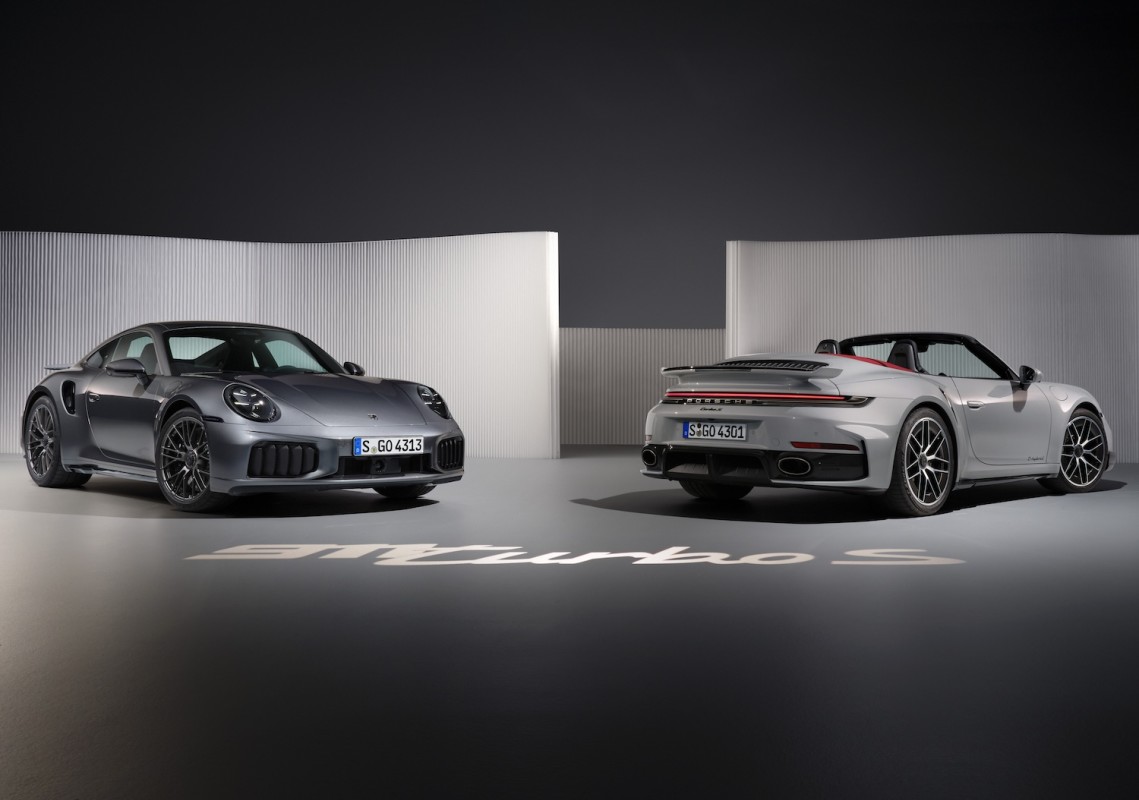
Fast forward to today, the 911 has been electrified in its own way, but not with a charging port. The new T-Hybrid setup in the updated 911 GTS and Turbo adds meaningful electric assistance without asking owners to plug anything in and offending Porsche-philes in the process. It’s a tolerable middle ground because the car still feels like a 911, and the system keeps the rear-engine layout intact.
Now, the lingering question about a plug-in 911 has been settled. The company isn’t going down that road, and not because the technology doesn’t exist.
According to Porsche’s vice president for two-door sports cars, Frank Moser, a plug-in hybrid isn’t happening – at least for now.
Porsche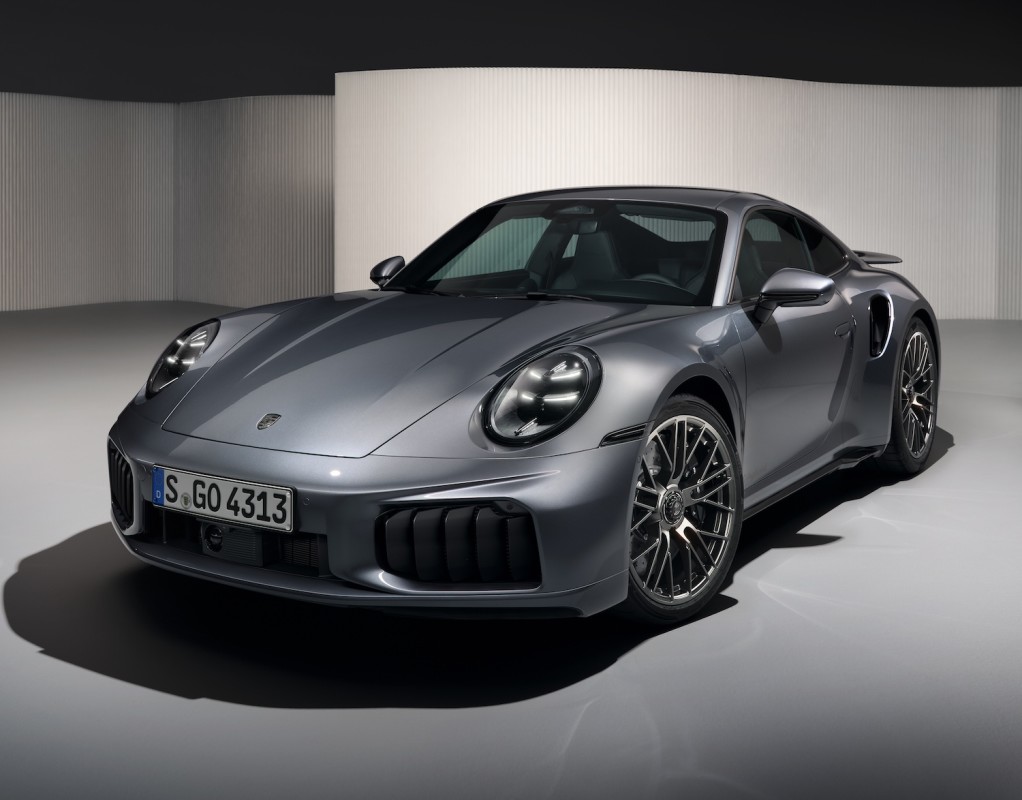
Here’s Why
In an interview with Australia’s Drive, Moser said that 911’s packaging and proportions simply don’t allow it without compromise.
“I do not like the idea of a plug-in hybrid for a 911,” Moser said, pointing out the car’s “complex package” and the ripple effect of adding a larger battery, motor, generator, and onboard charging hardware. Even offering just a few miles of electric-only range would require a battery too large to fit without changing the car’s fundamental shape.
Moser also told Drive that the current T-Hybrid system works because the 400-volt battery fits in the same space as the 12-volt unit it replaced. Any step toward plug-in territory would alter weight distribution and force dimensional changes, and the team isn’t willing to reshape the icon to that extent.
He didn’t completely close the door. If future solid-state batteries shrink dramatically, the conversation could reopen. But for now, the answer remains no.
Porsche
What Comes Next
Rather than forcing a plug-in hybrid version onto the 911, Porsche appears to be redirecting its electrification efforts to its entry-level 718 sports cars – and learning from rivals in the process. After test-driving the Ioniq 5 N, Moser admitted the experience was “eye-opening” and said “we learnt a lot from that.”
Even if a plug-in 911 remains off the table for now, Porsche’s EV roadmap appears far from sterile – it’s just chasing battery efficiency or raw power. The Cayenne EV has already been unveiled, as well as the Macan EV. Thankfully, Porsche is evidently aiming for what matters to drivers: a feeling. And in that sense, the lessons from Ioniq 5 N could shape a future electric Porsche that’s more than just fast in a straight line.
Porsche