My favorite time of year is springtime, when plants come alive and bloom after winter. One specific type of plant that reminds me of spring is fragrant lavender. Today, I want to discuss some easy Hidcode lavender care tips for beginners.

What is Hidcote Lavender?
Hidcote lavender is a cultivar of English lavender and is a compact perennial. The compact habit of the plant features purple flowers with deep violet-purple flower spikes. This hardy lavender grows 12-20 inches high and 20-24 inches wide.
Hidcote Lavender Care
Here are some Hidcote lavender care tips that are good to follow to keep this hardy plant healthy.
Sun
Hidcote lavender plants prefer full sun (6-8 hours) daily. Giving this type of lavender a sunny spot to grow in will encourage healthy lavender flowers.
Soil
This type of lavender plant prefers well-draining soil and slightly alkaline soil. Soggy soil can lead to root rot. Some dry soil is preferred between waterings.
You can also make your own soil if you want to experiment. Combine one part potting soil with one part perlite, grit, or coarse sand for soil that drains well.
Water
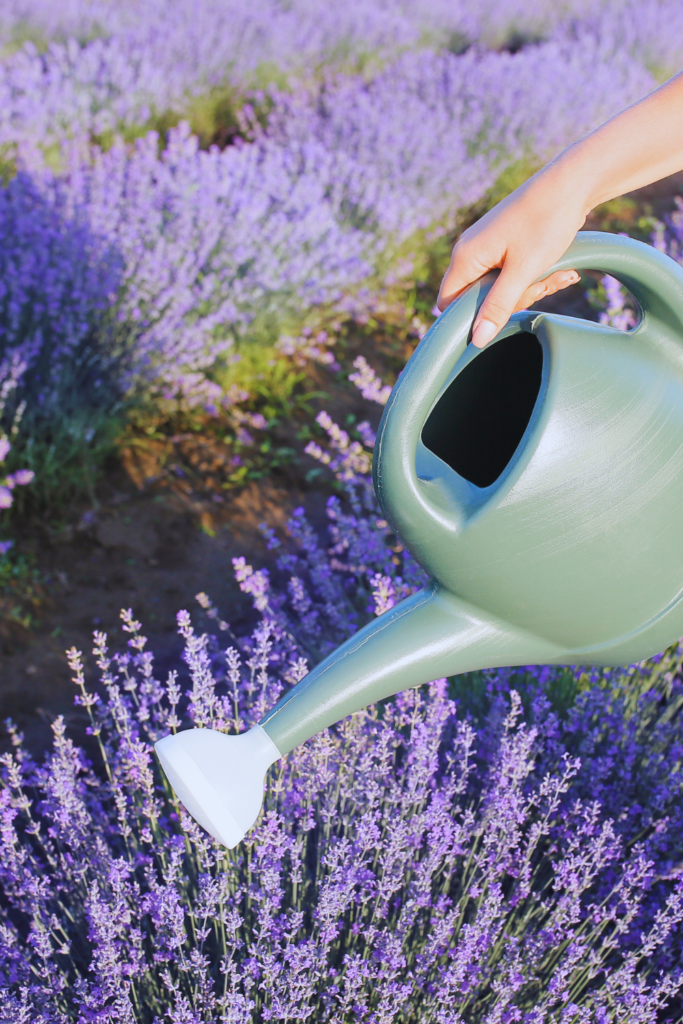
Regular watering will keep your hidcote lavender healthy. Too much water can cause root rot. Having good drainage can reduce the chances of root rot. The top layer of soil can be dry between waterings.
Hidcote Lavender Varieties
While Hidcote lavender is a hardy type of the popular herb, there are several varieties to consider when growing new plants.
Lavandula Angustifolia ‘Hidcote Superior
Lavandula Angustifolia ‘Hidcote Superior is an upgraded version of the Hidcote English lavender. The plant blooms with deep purple-blue flowers and grows 12-18 inches high.
Lavandula x intermedia ‘Hicote Giant’
Lavandula x intermedia ‘Hicote Giant’ is great for mass plantings for those who want a low-maintenance space in their garden. Lavandula x grows long lavender-blue flower spikes and attracts pollinators.
Hidcote Blue Lavender
Hidcote blue lavender grows and blooms in a dark purple flower color with gray-green evergreen foliage. This lavender makes great cutting flowers and sachets.
How to Plant Hidcote Lavender
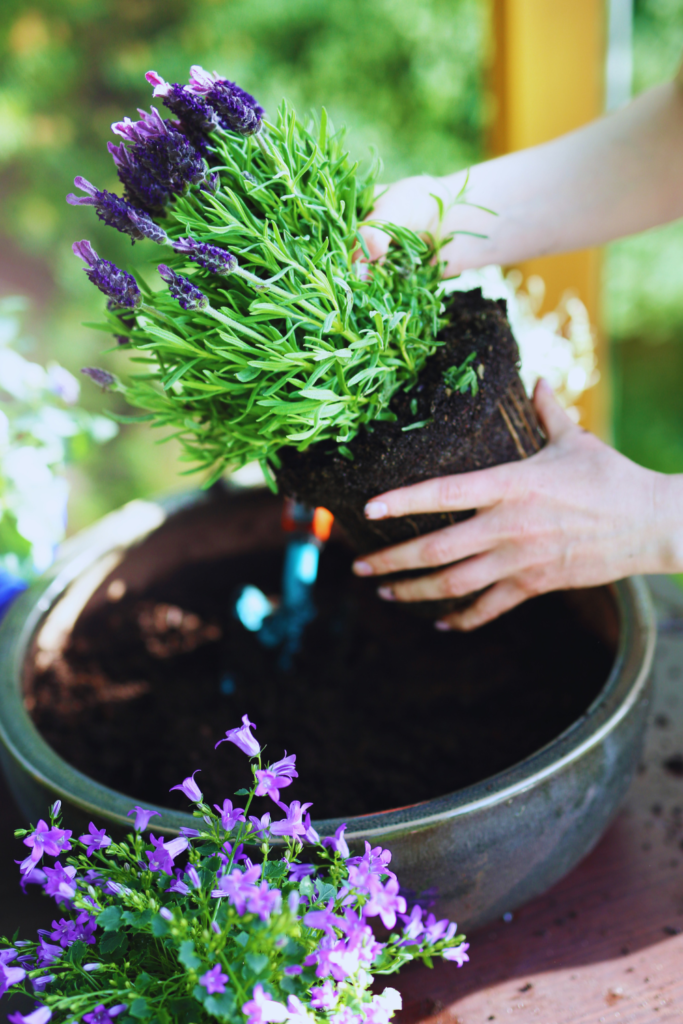
Pick a sunny location that has well-drained soil for your young plants. Space each plant one to three feet apart. Dig a hole twice as wide as the root ball. Make sure the plant is level with the ground, fill in with soil, and add some water.
Where to Grow Hidcote Lavender
Hidcote lavender grows best in USDA growing zones five through nine. Bring your lavender indoors during the cold, winter months. Good thing lavender grows well in containers!
What are common problems with Hidcote lavender?
One common problem with Hidcote lavender is root rot. If you choose to grow your lavender in containers, make sure the soil has good drainage and that there are holes at the bottom of the container so that excess water has a place to go. Water that sits at the bottom can cause root rot, killing your plant.
Designing a Garden with Hidcote Lavender
The Hidcote lavender can grow in various types of gardens. It can grow well in a herb garden with other herbs. Since lavender does well in hot climates, rock gardens are an excellent choice for this plant.
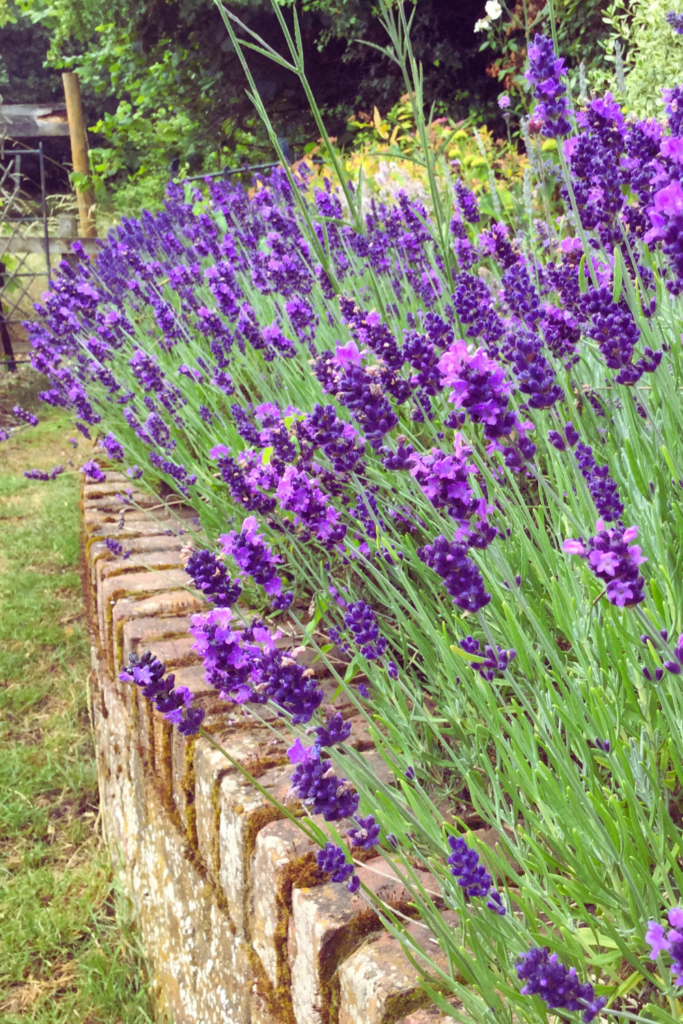
The Hidcote lavender can also thrive in a container garden for those with small outdoor spaces. Make sure the pot is large enough for the woody plants to grow into. If you need to, drill a hole at the bottom of the pot to ensure good drainage and to avoid root rot.
Companion Planting with Hidcote Lavender
This type of lavender grows best with other plants that have similar growing conditions. Plants that prefer full sun, are drought-tolerant, grow best in well-drained alkaline soil, and include coneflowers, ornamental grasses, rosemary, yarrow, and sedum.
Hidcote Lavender Uses
This diverse herb is rabbit resistant and deer resistant, so you don’t have to worry about these animals eating your well cared for plants. Hidcote lavender makes an excellent cut flower and smells great too!
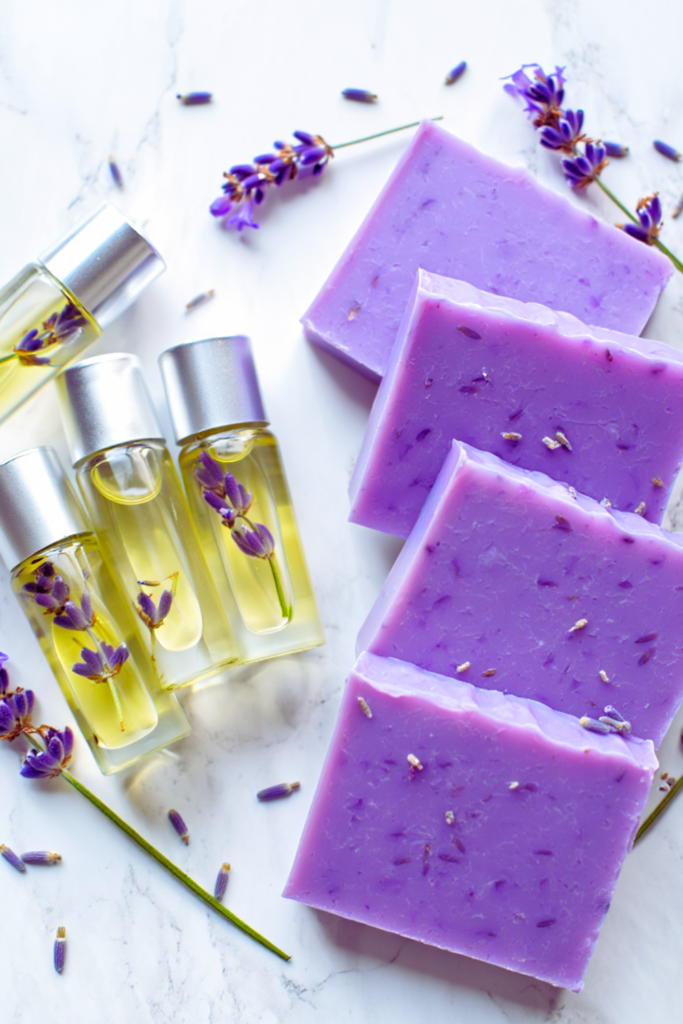
You can also combine lavender with other plants for beautiful and fragrant flower arrangements. The fragrant flowers are great to make into essential oils for soaps, perfumes, body sprays, or to mix with other essential oils.
There are also many culinary uses for hidcote lavender. The flowers can be used for baking cookies and scones, making lavender tea, and used with different meats for cooking and baking.
Hidcote Lavender Care FAQs
Below are some frequently asked questions concerning Hidcote lavender care.
What is the 8 8 8 rule for lavender?
The 8 8 8 rule for lavender consists of pruning lavender around August 8 to encourage regrowth, cutting back around 8 inches of growth to keep the rounded shape of this particular herb.
Is October too late to prune lavender?
October may be too late to prune lavender, but it depends on the climate you live in. You want to prune your lavender six weeks before the first frost. The exact time can vary based on where you live and the climate.
What should not be planted next to lavender?
You want to avoid plants that prefer shade, lots of water, and are heavy feeders. These plants include hostas, fuchsias, mint, impatiens, and ferns.
Hidcote Lavender Care Conclusion
Hidcote lavender care does not have to be difficult if you know what to do and what to expect. You can combine this lavender with other types, or grow it with a variety of plants that have similar growing requirements. No matter what you choose, enjoy growing your Hidcote lavender plants!