Promises vs Reality
Elon Musk has always pushed a vision of deep vertical integration between his companies. Tesla’s battery ambitions were central to that plan. Projects like Roadrunner and early gigafactory expansions in Fremont and beyond were positioned as breakthroughs in manufacturing. Musk repeatedly highlighted the dry electrode process as a key innovation. It was supposed to cut costs, simplify production, and unlock massive scale. The narrative was bold and compelling.
The outcome has been far less convincing. Tesla’s 4680 battery program has faced delays and technical hurdles. The dry electrode process proved difficult to stabilize at scale. Production targets have slipped, and output remains well below original expectations.
What was pitched as a rapid transformation has turned into a prolonged development cycle. This gap between promise and execution now shadows any new manufacturing claim Musk puts forward.
Inside Tesla and SpaceX’s Terafab Plan
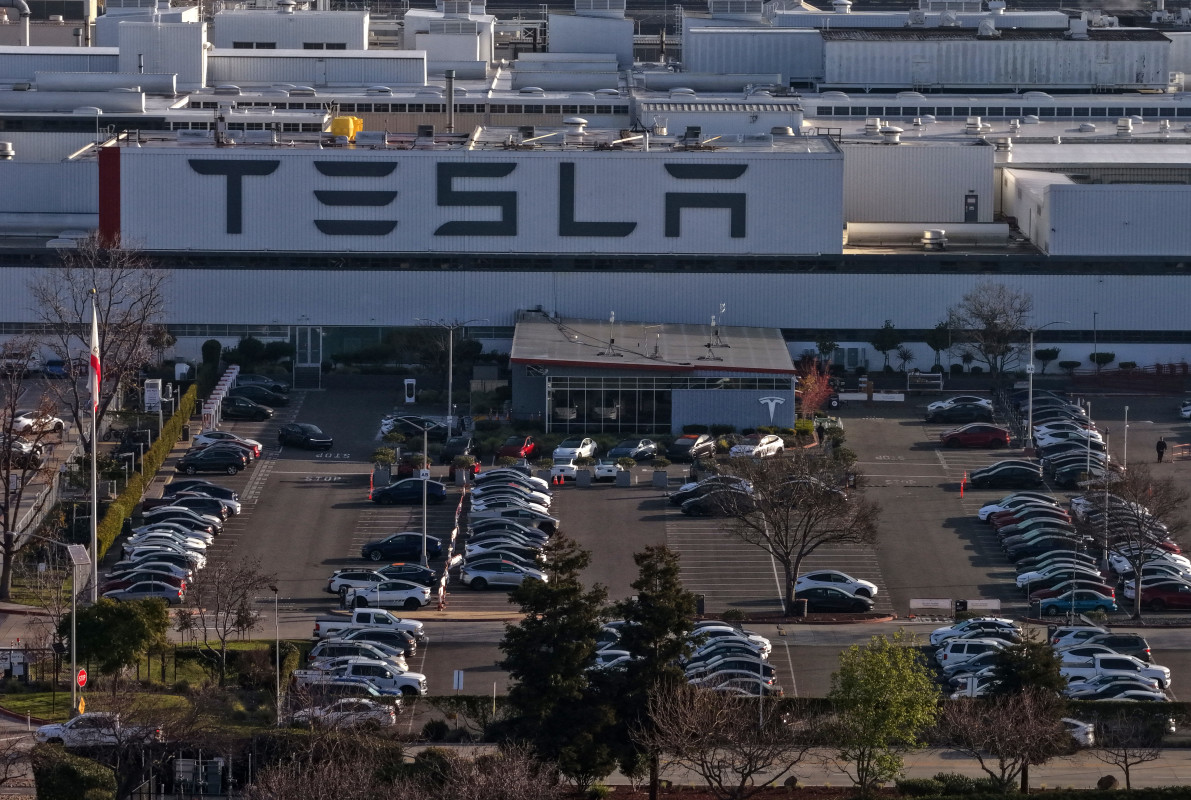
Musk is now extending that same playbook into semiconductors. According to a report from Reuters, Tesla, SpaceX, and xAI are collaborating on Terafab, a proposed $20 to $25 billion chip complex at the North Campus of Giga Texas in Austin. The facility is designed to handle the entire semiconductor pipeline in one place.
This includes chip design, lithography, fabrication, memory production, packaging, and testing. Tesla says it is targeting 2-nanometer process technology, which is at the leading edge of commercial production. For context, TSMC has only just begun ramping its own 2nm output after decades of investment.
The scale targets are aggressive. Terafab aims to start at 100,000 wafer starts per month and eventually reach 1 million. That would be close to 70 percent of TSMC’s current global output from a single site.
Musk claims the facility could produce 100 to 200 billion AI and memory chips annually. These would support Tesla’s Full Self-Driving systems, the Cybercab robotaxi program, and the Tesla Optimus humanoid robot. He also says Optimus robots will help build and operate the factory. Musk argues that suppliers like TSMC, Samsung Electronics, and Micron Technology cannot scale fast enough. He claims current global capacity would meet only about 2 percent of his future needs.
Photo by Christophe Gateau/picture alliance via Getty Images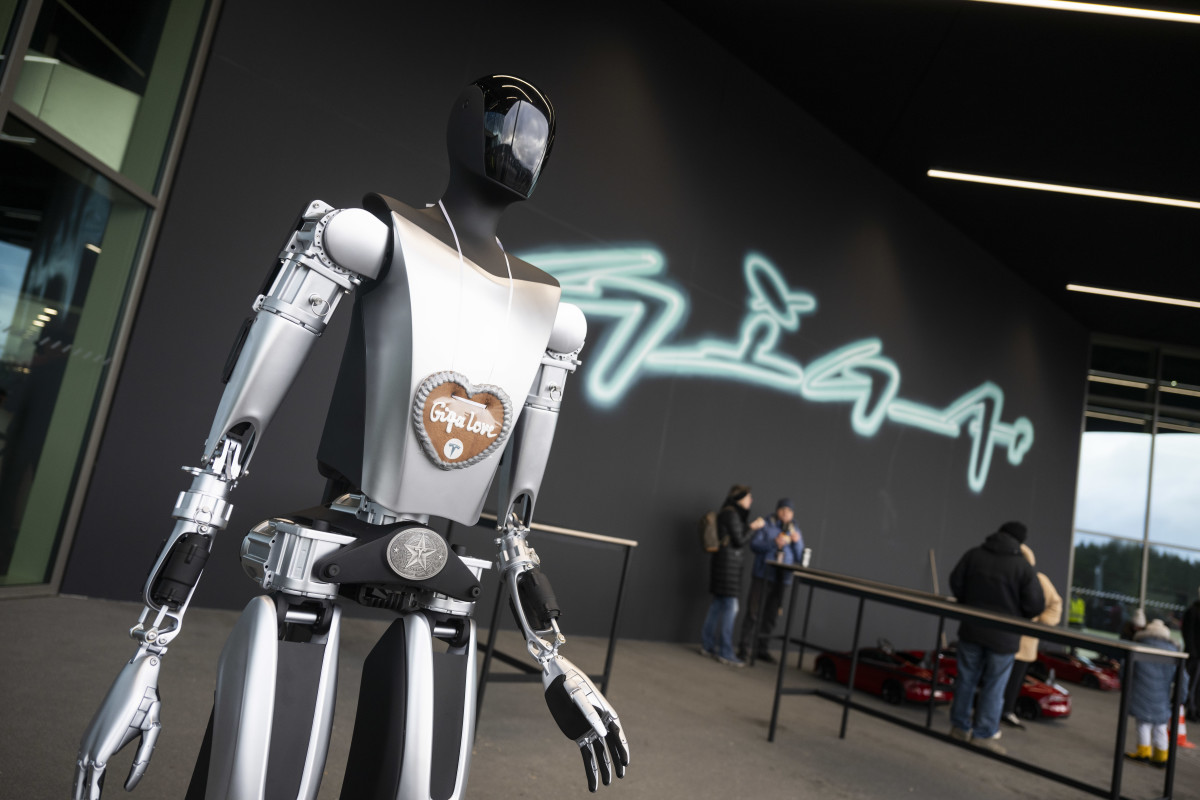
The Lowdown
There is a pattern here that is difficult to ignore. Musk consistently announces projects that promise industry-disrupting scale, like his moon project. Many of these ideas are technically sound in concept. The challenge lies in execution. The battery program is a clear example. It showed how difficult it is to translate ambition into consistent production. Terafab appears to follow the same trajectory, only with even higher stakes.
The timing also raises questions. Tesla is already facing delays in its next-generation AI chips. The company is spending heavily across multiple fronts. Musk is also betting heavily on space-based computing. He says 80 percent of Terafab output will go to orbital AI satellites, with only 20 percent used on Earth. He argues that stronger solar energy and easier heat dissipation in space will lower costs within a few years. He even claims this is the start of a “galactic civilization.”
At the same time, Tesla’s CFO admits the project cost is not yet included in its 2026 spending plan, which already exceeds $20 billion. This makes Terafab feel less like a calculated expansion and more like a defensive move to sustain equity momentum.
Justin Sullivan/Getty Images)