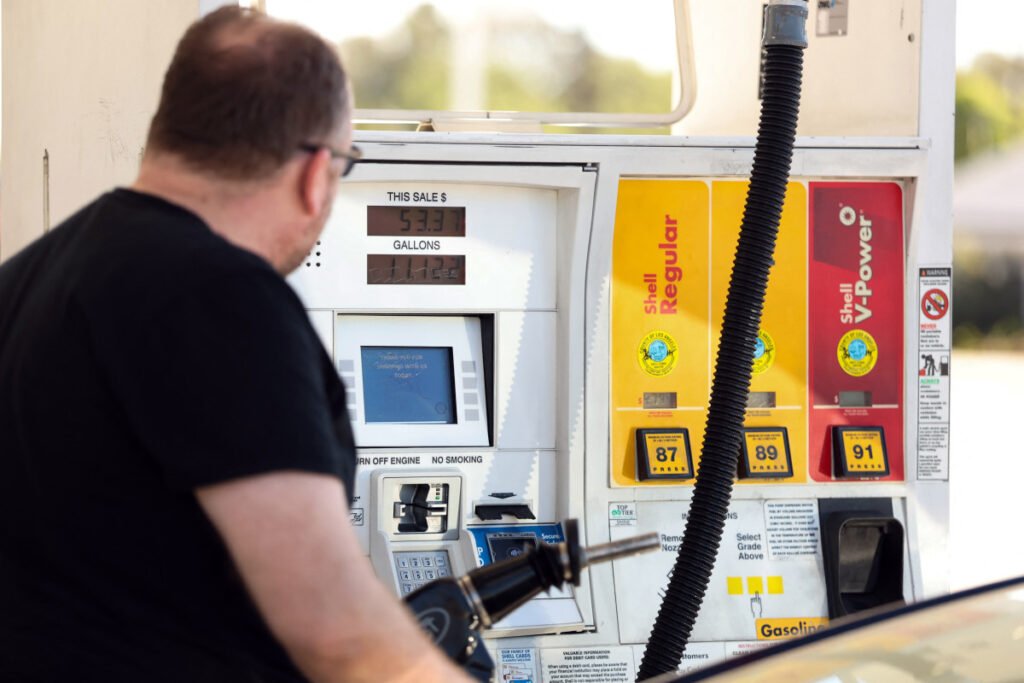
With gas prices squeezing household budgets across the country, the EPA has stepped in with what it’s pitching as a quick fix. Starting May 1, the agency is temporarily expanding the availability of E15 gasoline, a fuel blend containing 15 percent ethanol rather than the standard 10 percent. The logic is simple enough. Ethanol is cheaper to produce than petroleum, so blending more of it into the fuel supply should nudge prices at the pump downward, by 10-25 cents per gallon less than standard gas. For drivers already wincing every time they fill up, that sounds like good news. The EPA says E15 is safe for most 2001-and-newer vehicles; however, the bigger risks apply to older vehicles, small engines, and equipment that sits unused for long periods.
Getty Images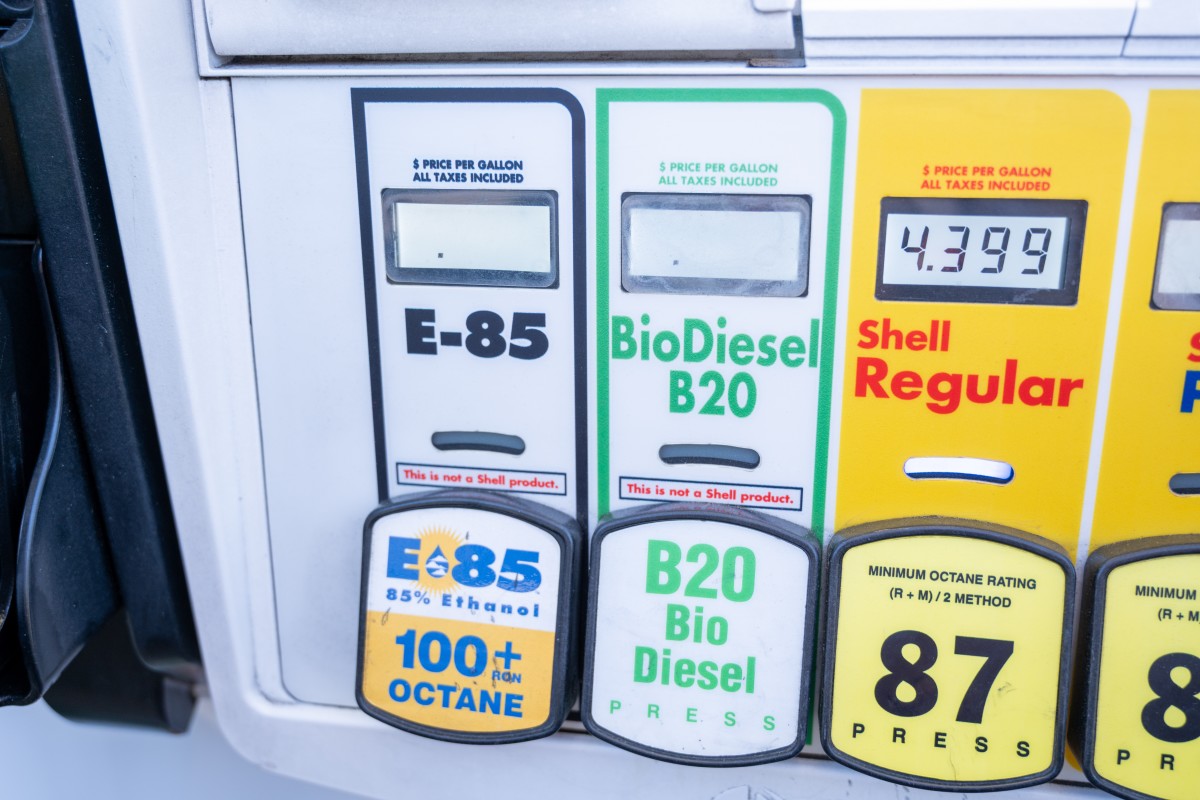
Your Engine Might Not Be Getting a Good Deal
Ethanol and gasoline do not behave the same way inside an engine, and that difference matters a great deal depending on what you’re driving. Ethanol contains less energy per litre than gasoline, which can slightly reduce fuel economy, meaning any savings at the pump can evaporate quickly on the road. The concern goes beyond efficiency, though. Ethanol can separate from the fuel over time, essentially breaking down into a sludge that damages carburetors and fuel systems. Older vehicles, small engine equipment like lawn mowers, some motorcycles, and cars not specifically built to handle higher ethanol concentrations are the most vulnerable. For drivers holding onto a car that is 20 years old or more, the risk is real.
The Long-Term Costs Hiding Behind Short-Term Savings
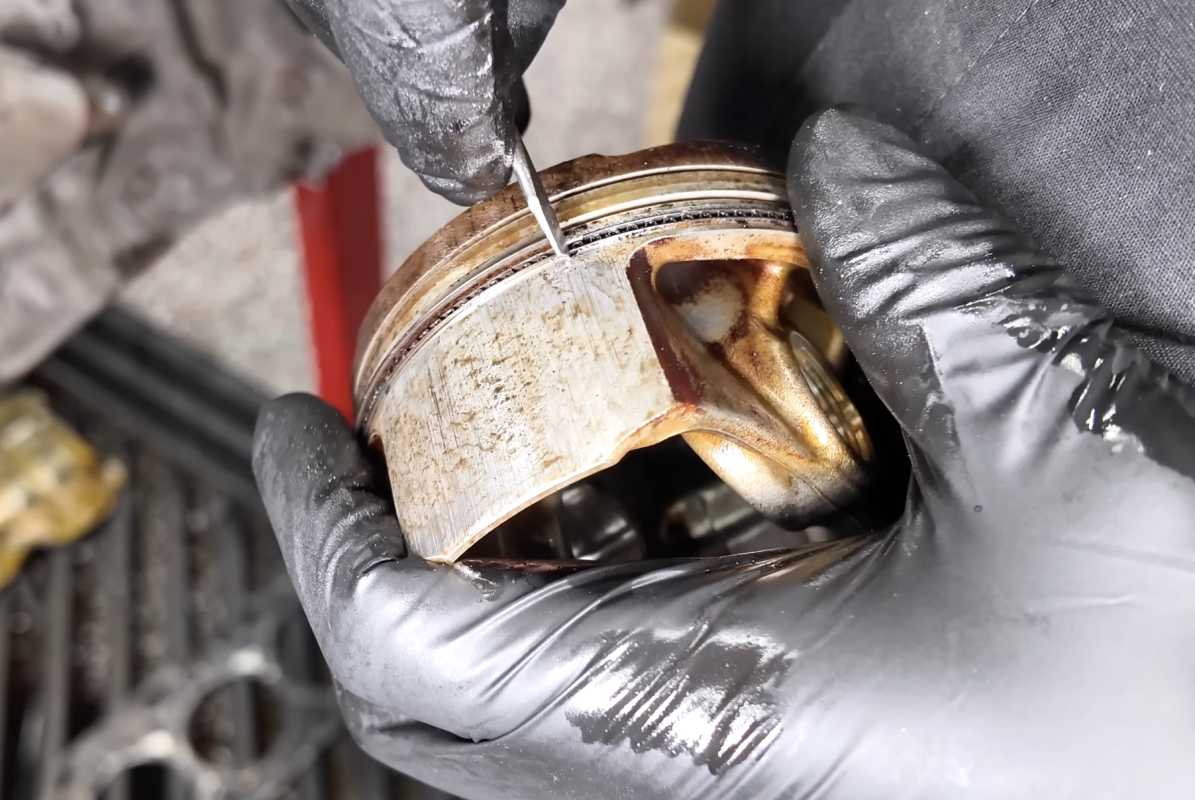
Fuel system damage from ethanol exposure tends to be insidious. Over months and years of use, seals and rubber components in older fuel systems can degrade, injectors can clog, and carburetors can corrode. Repairs to these systems can easily run into hundreds of dollars, effectively wiping out any money saved at the pump many times over. Drivers of non-flex fuel vehicles, which are not engineered to tolerate E15 regularly, face the steepest risk. The EPA’s plan may ease the pressure on wallets in the short run, but for drivers with older vehicles, the true price of E15 could turn out to be much higher than what shows up at the pump.