EV Market Momentum Begins to Cool in 2026
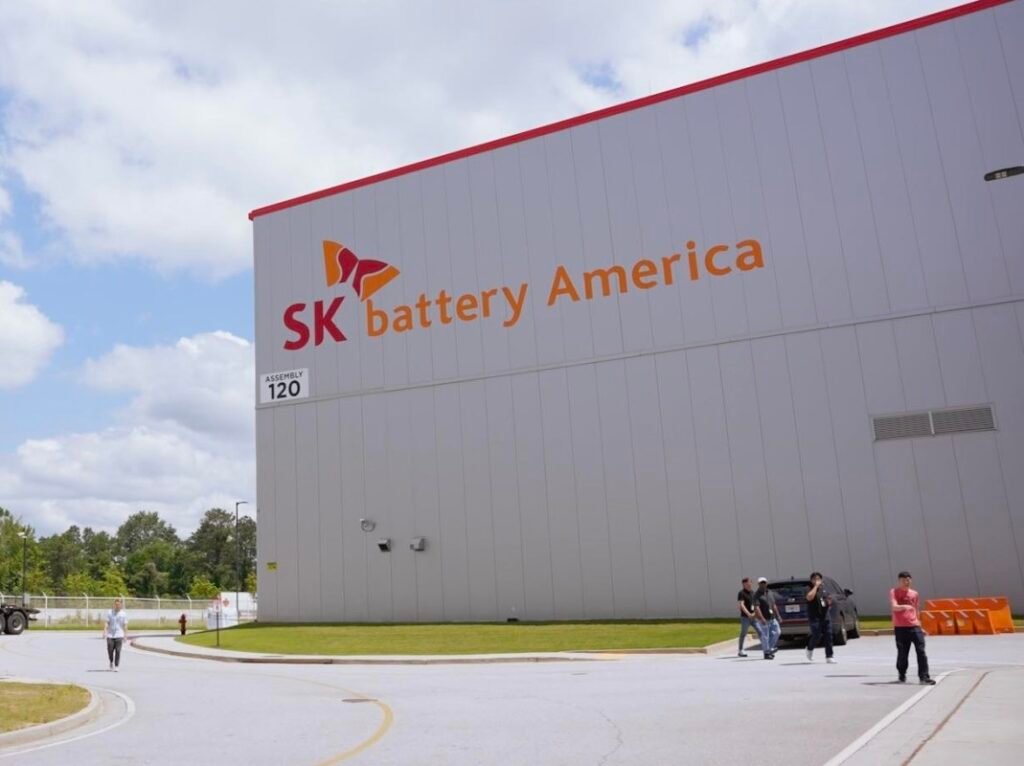
The electric vehicle industry continues to face a period of recalibration, and the latest sign comes from SK Battery America’s manufacturing facility in Commerce, Georgia. The South Korean battery supplier laid off 958 employees, that’s about 37% of its workforce at the $2.6 billion plant that opened in 2022. While the facility will continue operating with roughly 1,600 workers, the layoffs underscore the shifting dynamics of the EV market as automakers rethink their electrification timelines.
The plant was a key supplier for the Ford F-150 Lightning, but Ford’s decision to cancel the fully electric version of the pickup in favor of an extended-range alternative reflects a broader industry trend. Late last year, Ford CEO Jim Farley rang the alarm bells that something like this might happen if demand slows due to the removal of EV credits and other factors.
EV demand is still growing, but far more slowly than manufacturers once projected. Combined with changing federal policy and the removal of consumer EV incentives, the market environment has become far less predictable for battery makers and automakers alike.
Photograph by Erik Unger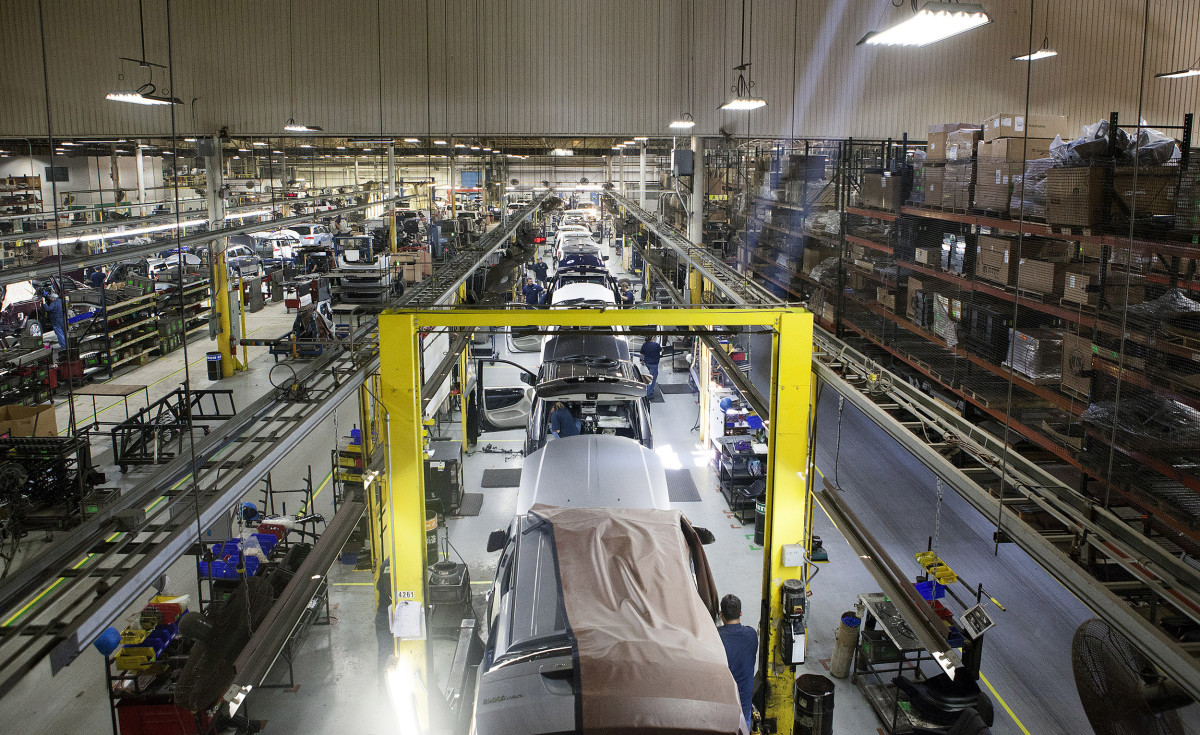
Demand for EVs Has Started to Wane in 2026
Recent industry research suggests consumer enthusiasm for EVs is softening compared with the aggressive expectations set earlier in the decade. A new study highlighted by Autoblog points to a significant shift in buyer sentiment, with more consumers reconsidering whether an EV fits their lifestyle.
Range anxiety, charging infrastructure limitations, and higher upfront costs remain key concerns. While early adopters drove rapid EV growth in the early 2020s, the next wave of buyers appears more cautious. This hesitation has created a plateau in market penetration, with EVs accounting for roughly 8% of U.S. new vehicle sales in 2025, essentially unchanged from the previous year.
For suppliers like SK Battery America, this slower demand directly affects production volumes. Battery plants were built to support aggressive EV rollouts that many automakers have now delayed, leaving parts of the supply chain temporarily oversized for current demand.
Automakers Are Scaling Back EV Investments
The cooling market has triggered a series of strategic pullbacks across the automotive industry. Some manufacturers have reduced their raw material commitments; Ford, for instance, recently scaled back a lithium supply agreement amid revised EV production plans.
Financial impacts are also becoming clearer. Several major automakers have collectively written off more than $55 billion after overestimating near-term EV demand. These write-downs reflect canceled projects, delayed factories, and investments that will take longer than expected to pay off.
In some cases, planned EV models have been scrapped entirely before reaching production. A number of upcoming electric vehicles, ranging from mainstream crossovers to luxury performance models, have quietly disappeared from product roadmaps as companies redirect resources toward hybrids and plug-in hybrids.
Ram 1500 BEV R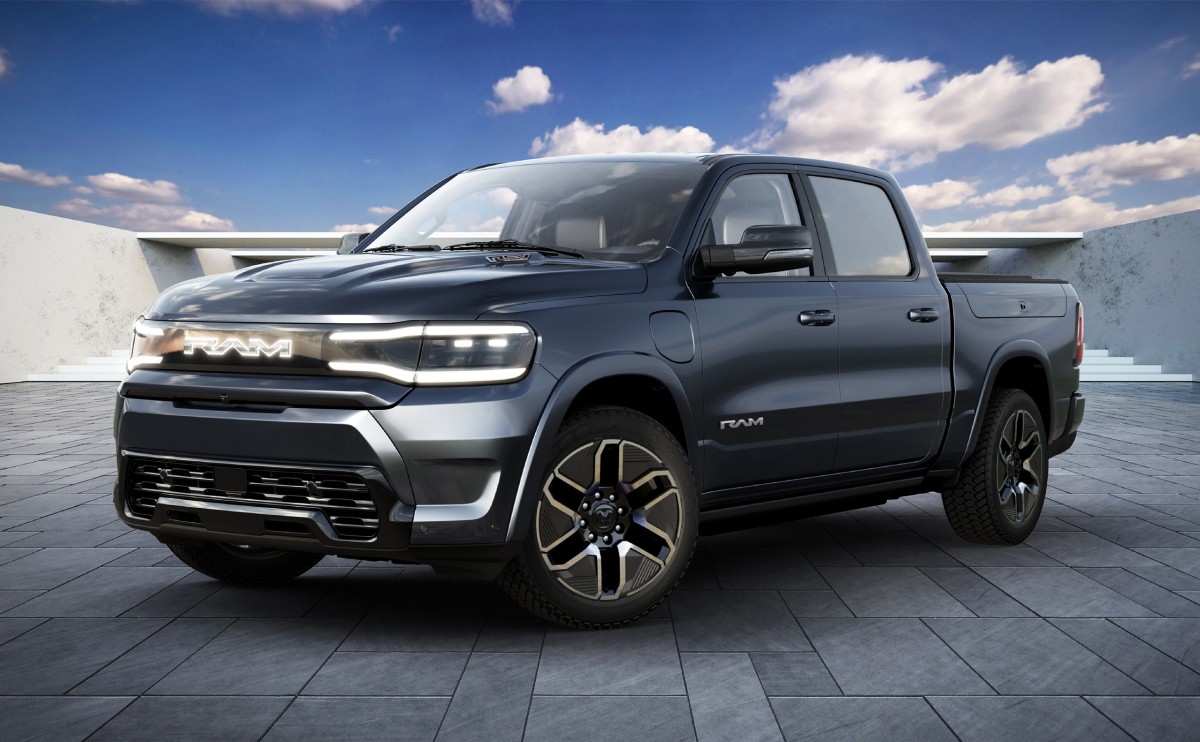
The Future of EVs Remains Uncertain
Despite the slowdown, the long-term outlook for electric vehicles remains widely debated. Some analysts argue the industry is simply transitioning into a more realistic growth phase after years of overly optimistic projections from automakers and policymakers. While EV adoption continues, the market is now adjusting to the realities of consumer hesitation, infrastructure limitations, and the financial challenges associated with scaling new technologies.
External factors could still shift the trajectory quickly. Rising geopolitical tensions and the possibility of disruptions to global oil supply have raised concerns about future fuel prices. If gasoline costs spike again, electric vehicles could regain momentum faster than expected. For now, layoffs such as those at SK Battery America highlight the growing pains of an industry still searching for the right balance between ambition, infrastructure readiness, and consumer demand.
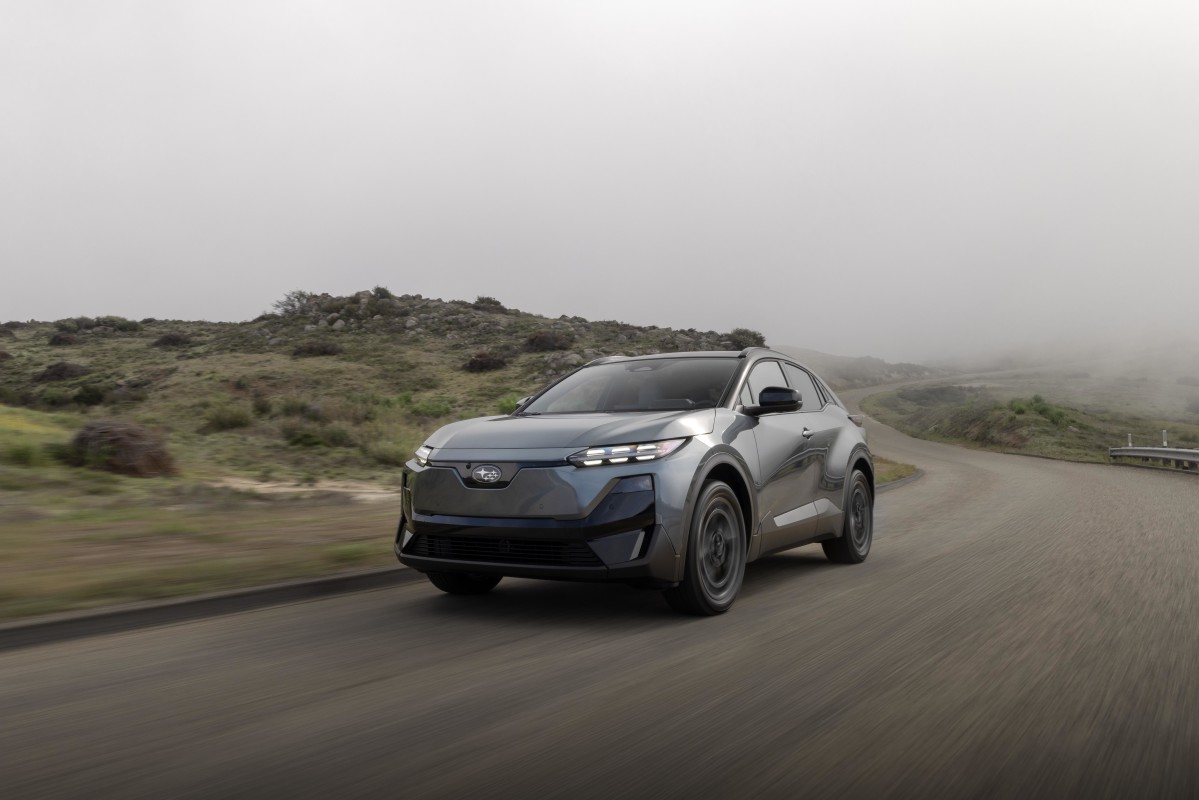
Subaru