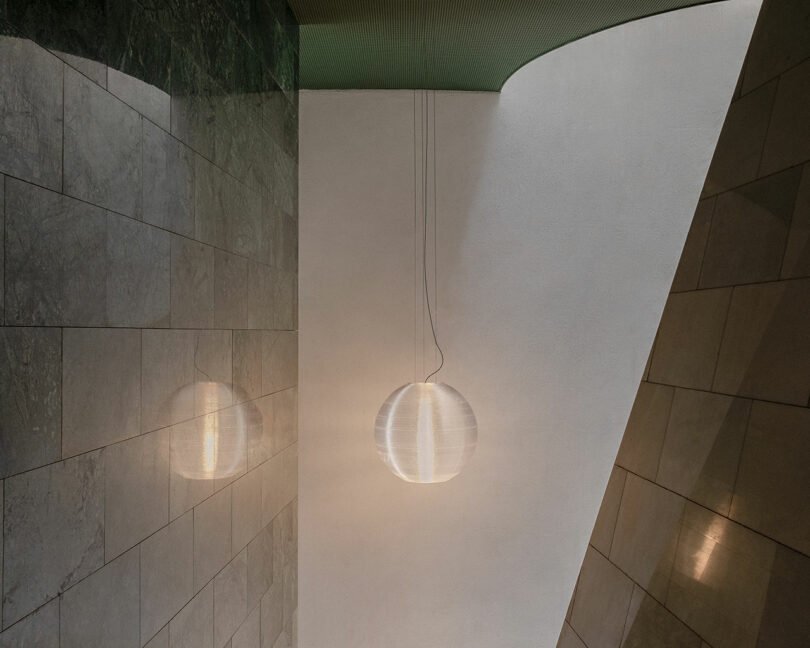
Nature is our oldest and most creative designer. Those in the business take structures, materiality, even morality from the organic rhythms of the earth, weaving their way through the mire and magic of creation. True sustainability requires that we understand and work within these parameters, using recycled and recyclable materials in tandem. In Tierra, Mar, y Aire, a new lighting collection from Héctor Serrano and presented by Faro Barcelona, the barriers between interior and exterior melt—a metabolization of materiality where form and substance are inseparable.
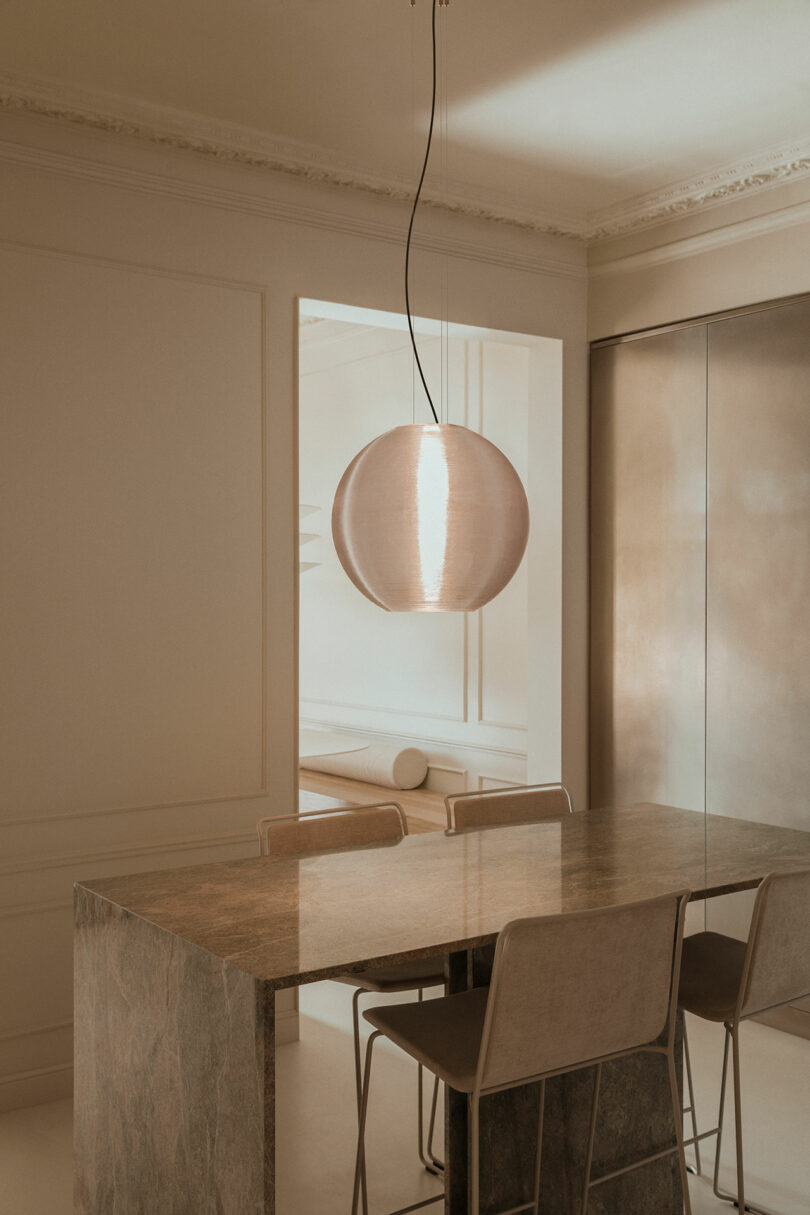
The project starts and ends with materiality at its core, mirroring the cycles of our natural world. Here, material is not a the genesis of each piece, intrinsically tied to the element it represents. For Tierra, a bioplastic formed from PLA and cellulose—a plant-based compound—was utilized, both biodegradable and compostable. Mar is composed of polypropylene derived from recycled fishing nets, while Aire takes shape in 100% recycled PETG, among the most widely reused plastics globally. In each case, the nature of the material informs the form itself in a deliberate pairing that allows the objects to embody the elements from which they draw.
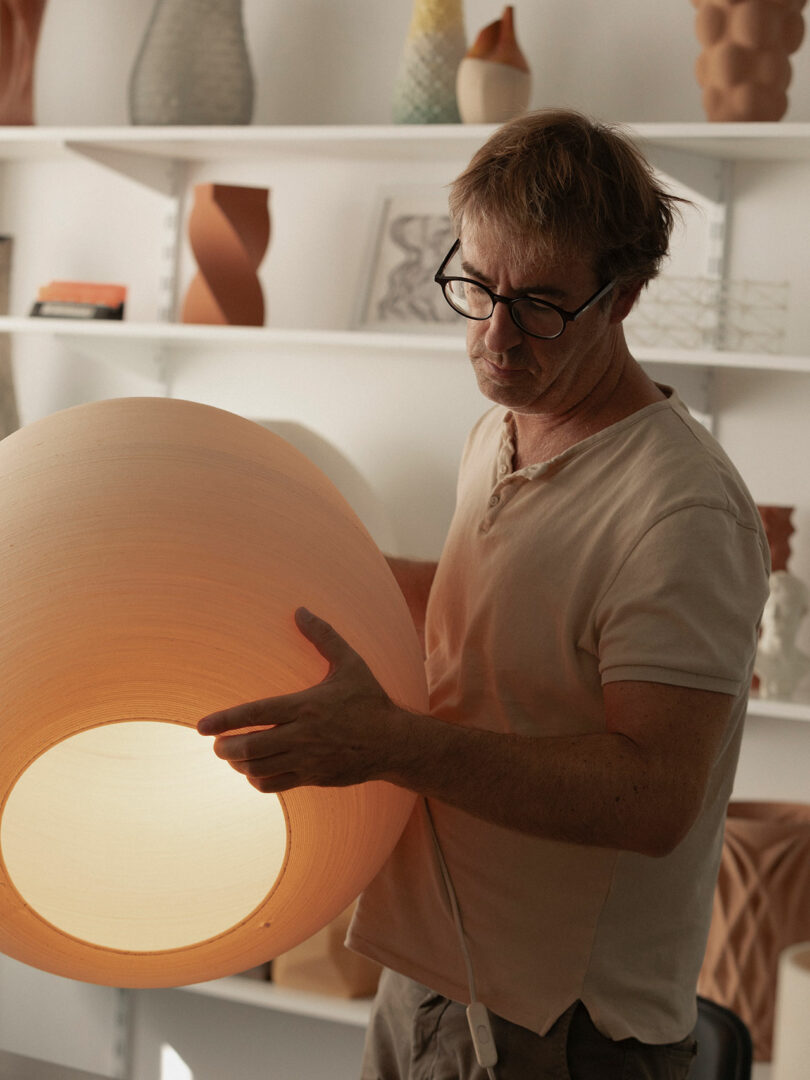
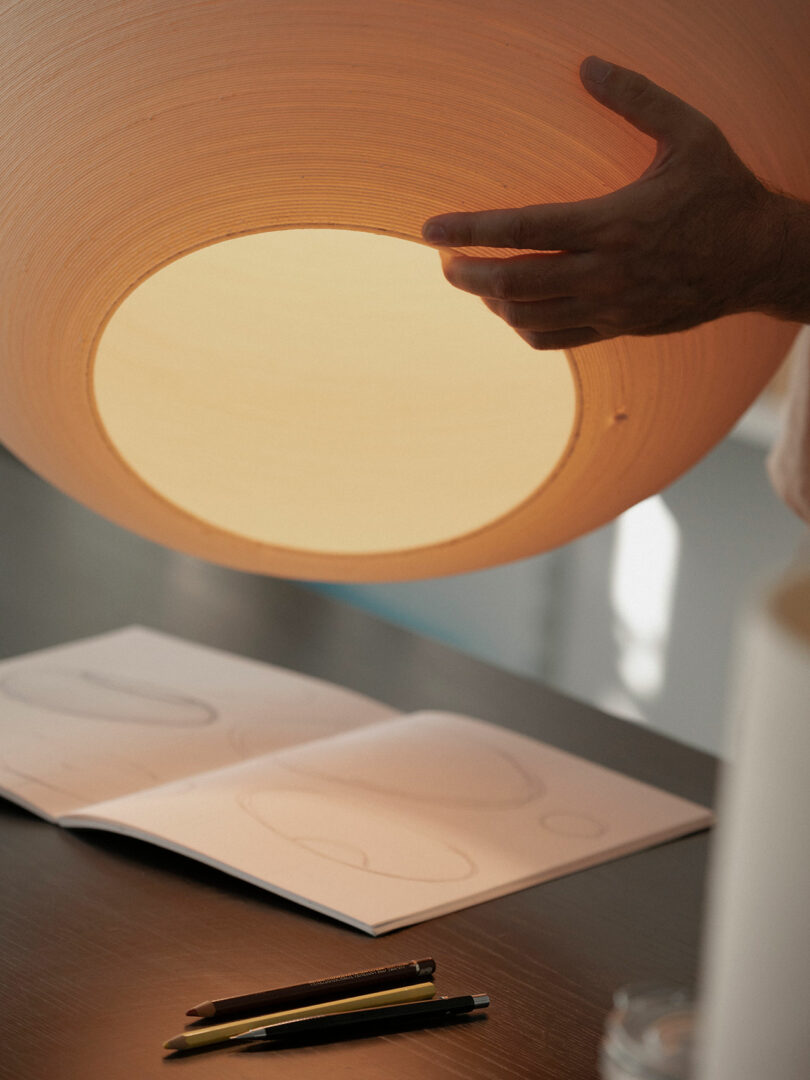
Serrano explains, “Circularity must be embedded throughout our entire consumption system; it is no use using sustainable materials if we then continue to live in a throwaway culture. We must rethink the way we produce, transport, consume and recycle our products, and this is where 3D printing offers an alternative, with on-demand, compact and automated production.”
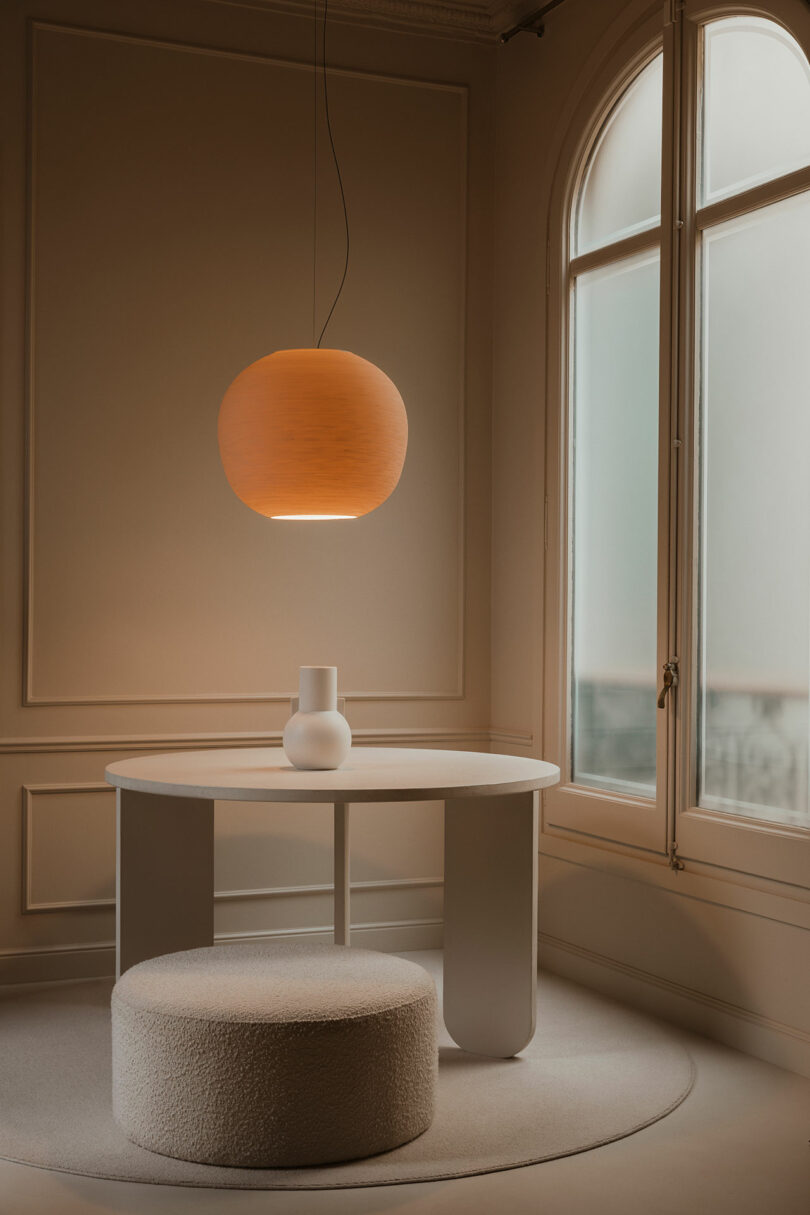
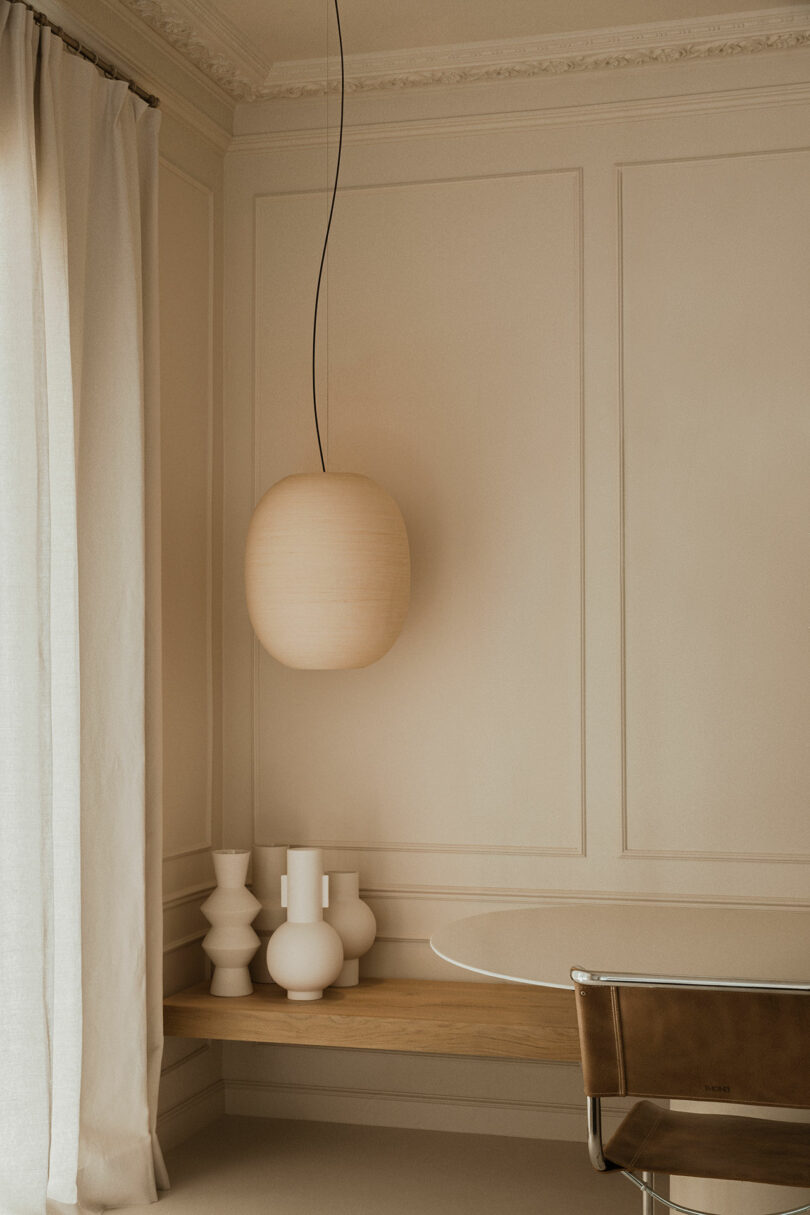
Here, additive manufacturing is a tool for making as much as it is the marker of a systemic shift—one that enables localized production, reduces reliance on molds, and minimizes both transport and surplus inventory. True circularity involves not just a change of system, but a change of heart. If we are to participate in sustainability that lasts, our relationships with convenience must adapt.
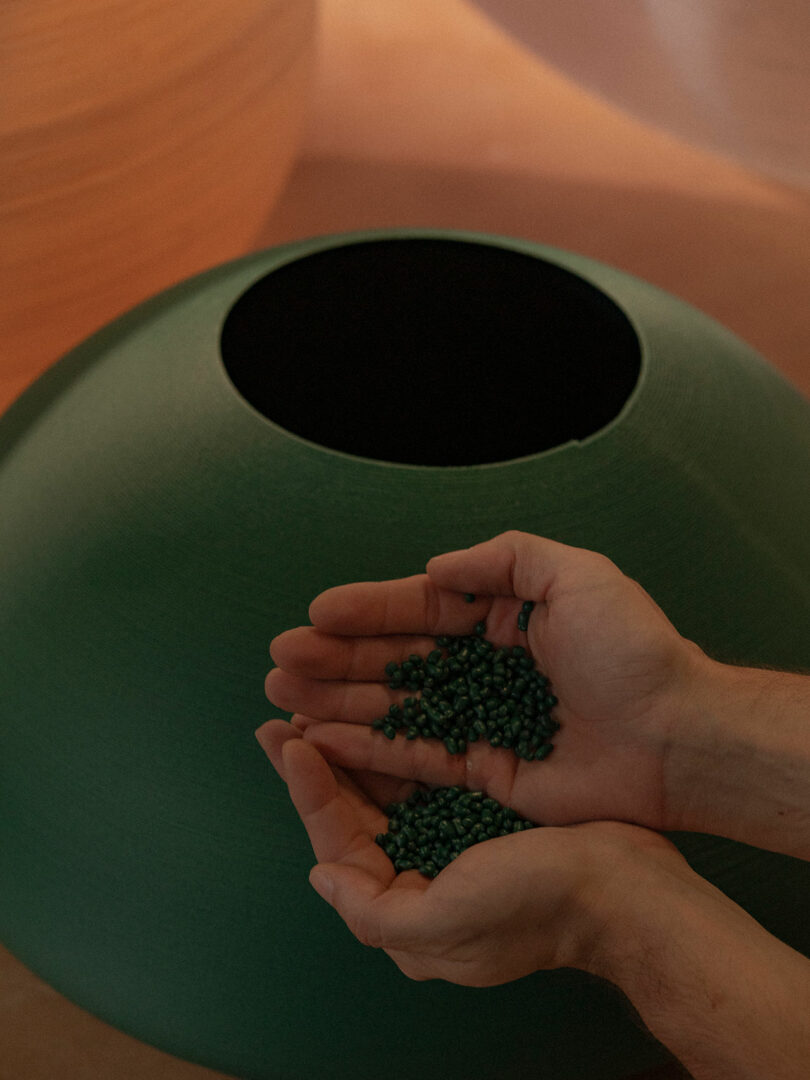
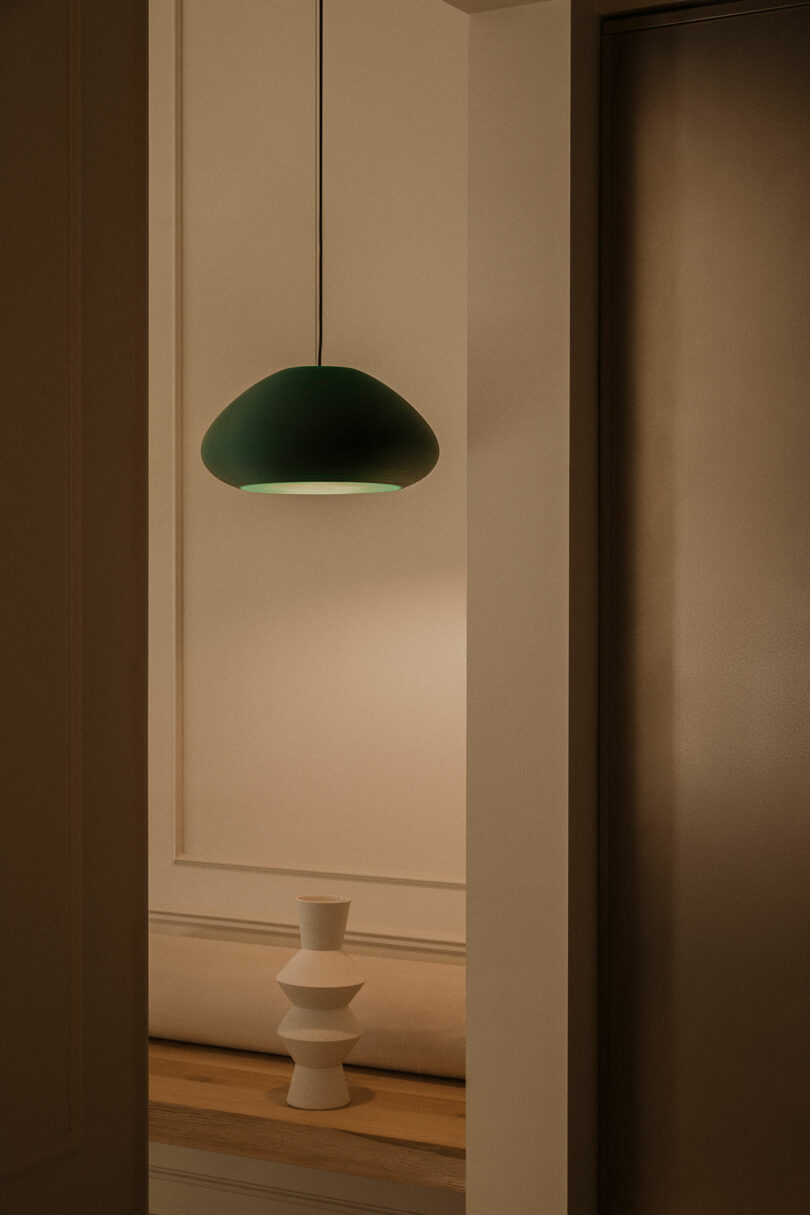
This concept of “digital craftsmanship” comes into view: wherein the power of manufacturing is returning to the individual. Perhaps not directly into their hands, but far more under their control. Where the Industrial Revolution centralized production into vast factories, 3D printing fractures that model into smaller, more agile networks of production that can exist closer to where objects are actually used. Even at a larger scale, as with Serrano’s use of robotic and large-format printers, the principle holds: fewer resources, smaller footprints, and a renewed proximity between maker and object.
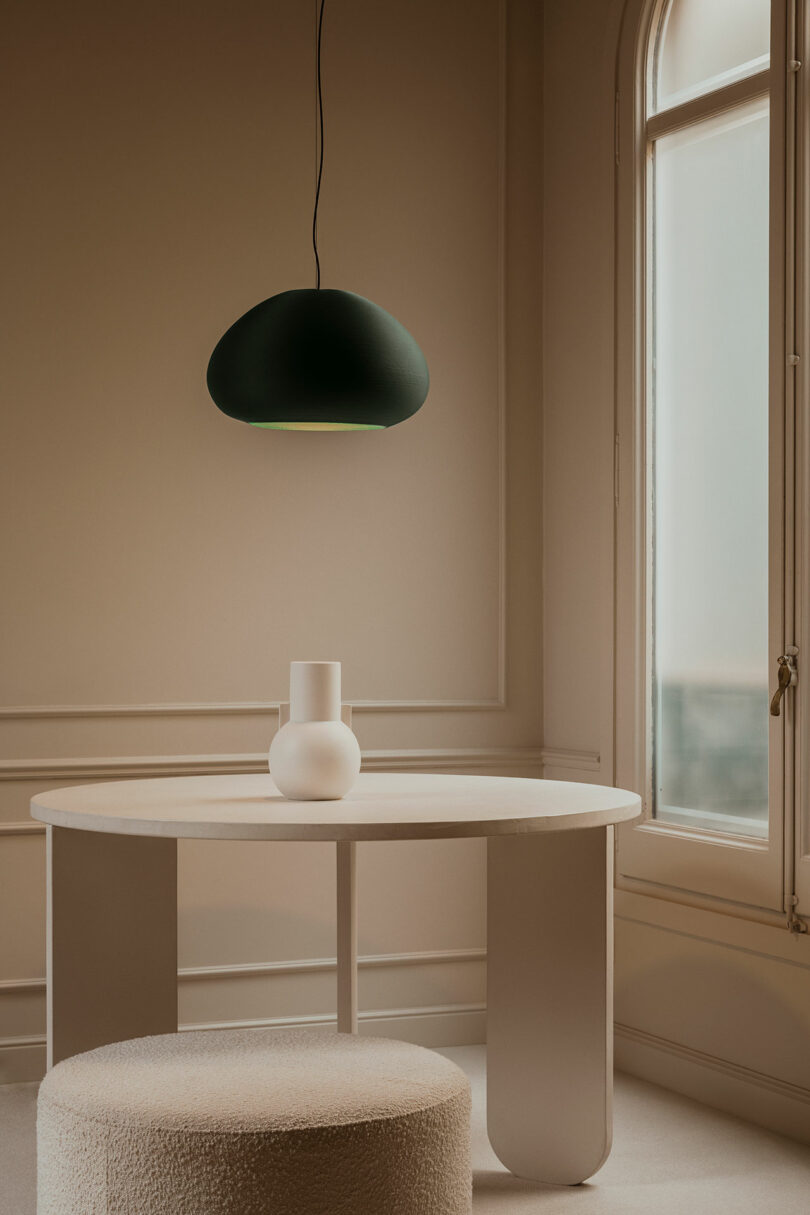
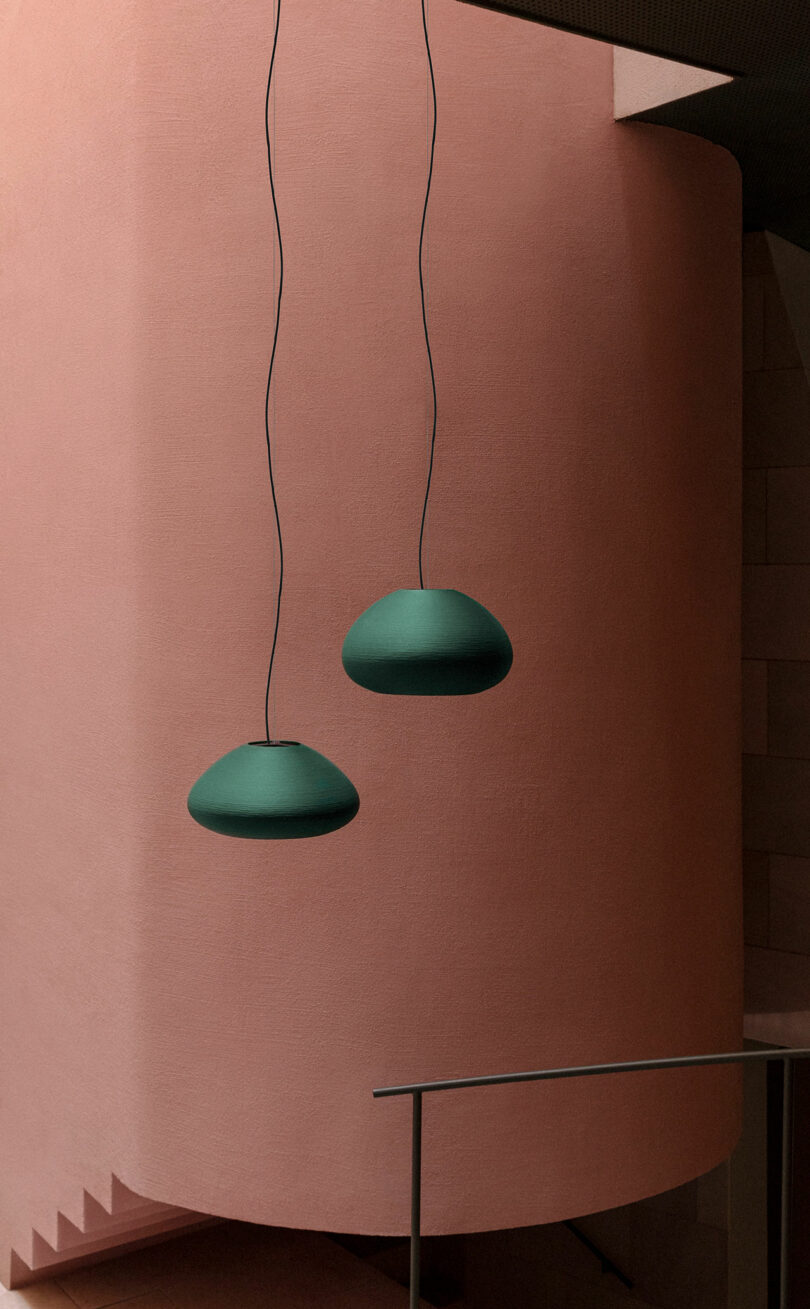
In a broader effort to democratize large-scale 3D printing, increased demand fuels accessibility, gradually lowering barriers as machines become more reliable, affordable, and user-friendly—though the supporting infrastructure for maintenance and repair remains a necessary next step.
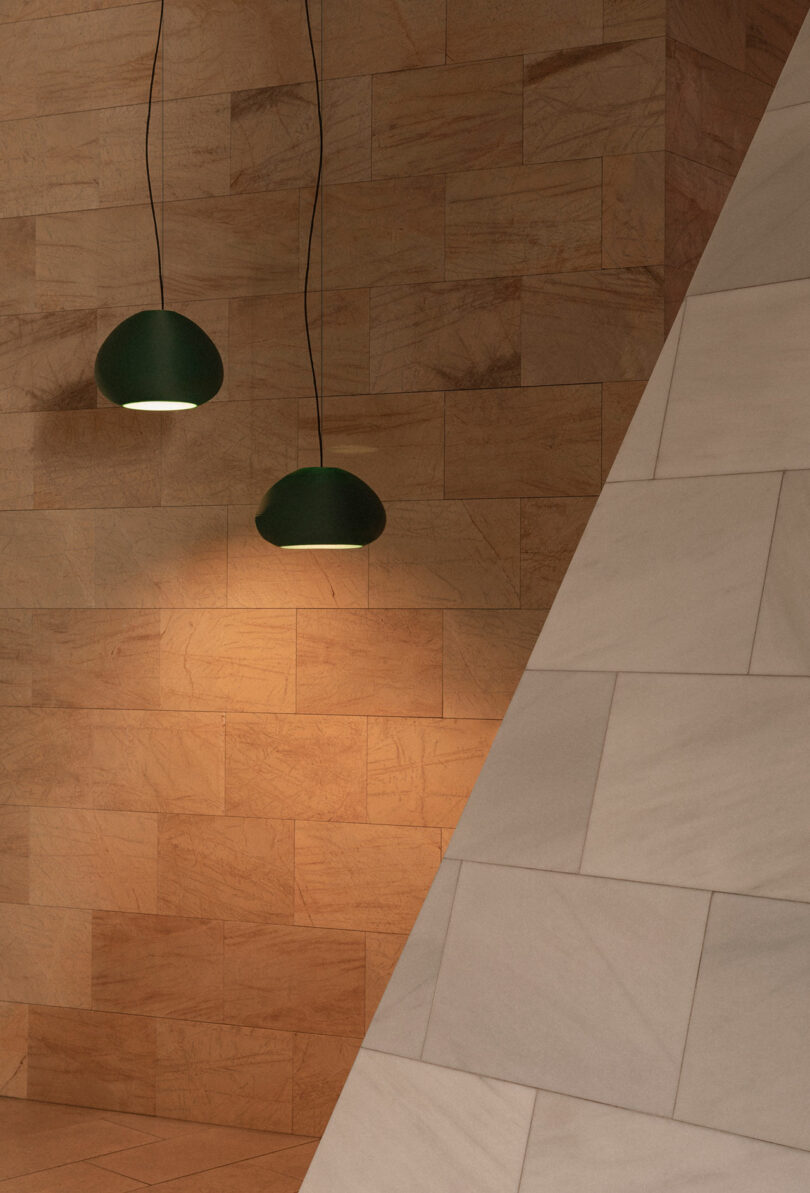
Not to be restrained by process, Tierra, Mar, y Aire reflects the structures we recognize in nature—hive formations, bubble-like volumes, and marine geometries––yet these are not exercises in spectacle. Instead, Serrano leans into restraint, prioritizing forms that feel archetypal and enduring rather than overtly expressive. The subtle striations of 3D printing remain visible, untouched by post-processing, allowing the material to speak in its own language. This formal honesty—grooves, irregularities, and the like—becomes an aesthetic and ethical stance, reinforcing both the integrity of the process and the circular logic underpinning it.
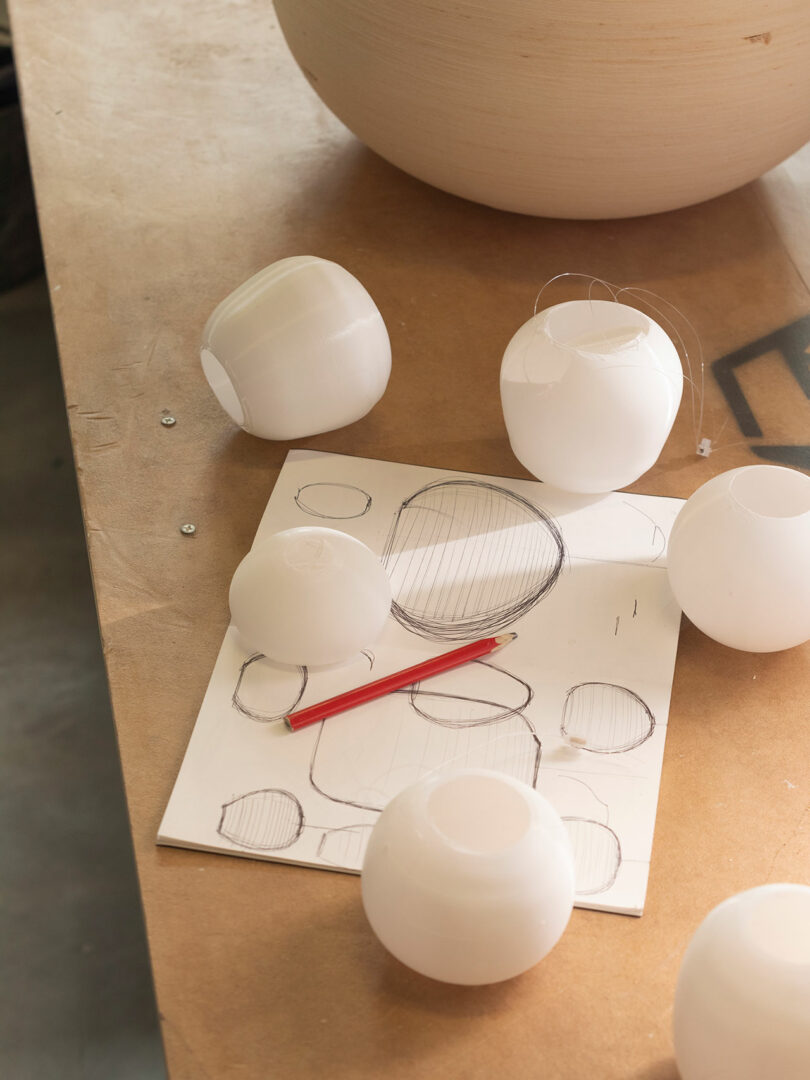
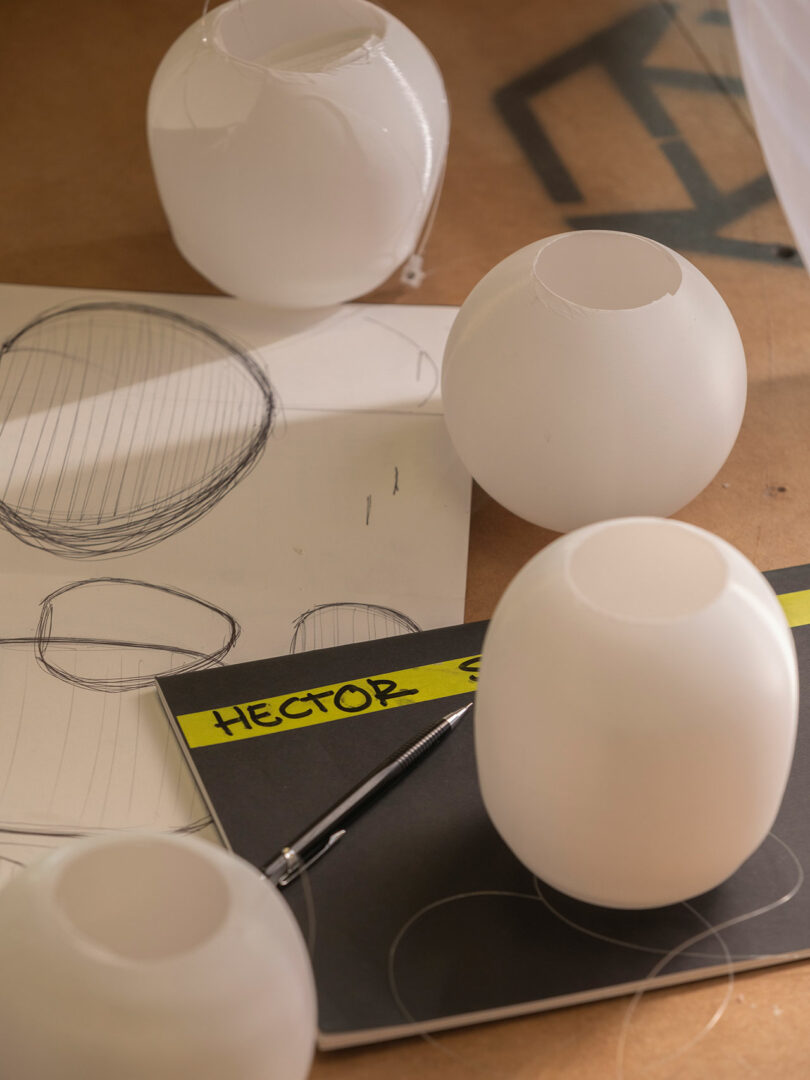
As we look to our natural world, there is no waste when flora and fauna find perfect balance. How can we embody these characteristics and make them real within the parameters of our minds? Serrano paints a new vision of the future where design is not only responsible, but resonant—ensuring harmony in both process and practice, and perhaps, eventually, proximity.
To learn more about Faro Barcelona’s Tierra, Mar, y Aire collection, visit hectorserrano.com.
Photography courtesy of Faro Barcelona.