The Future Of Mobility Meets Reality With A Bang
Two flying cars crashed into each other during a rehearsal for an airshow in northeastern China on Tuesday, injuring one pilot and forcing one vehicle to the ground, where it caught fire. The collision occurred in Changchun as the city prepared for its five-day airshow, with both eVTOL vehicles developed by Xpeng Aeroht performing high-difficulty stunts in close formation when “insufficient spacing” caused the mid-air collision.
The vehicles involved weren’t your typical aircraft. Xpeng Aeroht’s flying cars are priced around $126,000, while their more advanced Land Aircraft Carrier system commands around $280,000, with over 2,000 orders already placed. This modular flying car consists of a 6×6 all-wheel drive ground module that seats five passengers and carries batteries to recharge the air module multiple times.
Xpeng Aeroht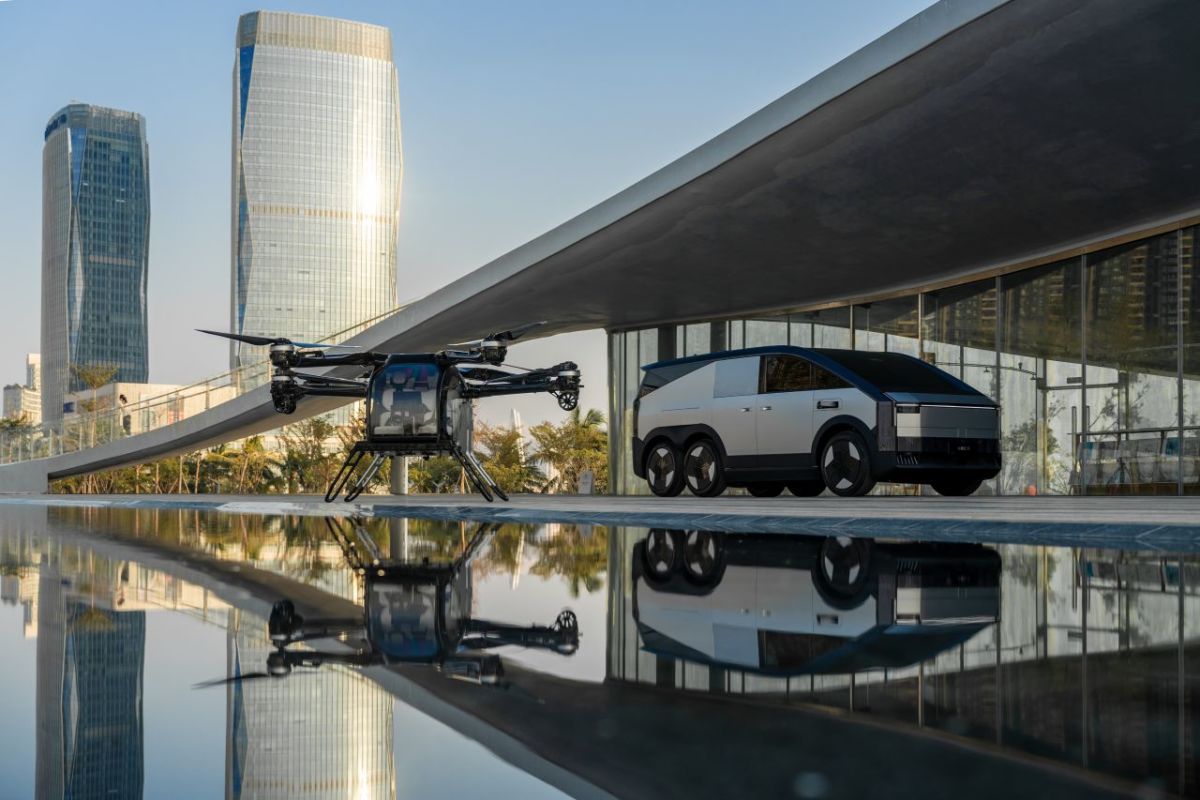
The Jetsons Dream Hits Turbulence
Flying cars have long captured our collective imagination as the ultimate symbol of futuristic transportation. From The Jetsons to Blade Runner, pop culture promised us a world where traffic jams would be solved by simply taking to the skies. China has embraced this vision wholeheartedly, forecasting the market could reach $482 billion by 2035.
But this flying car crash brings forth a sobering reality that engineers and regulators have been grappling with. If we thought managing road traffic was complicated, try organizing a three-dimensional airspace filled with cars.
Xpeng Aeroht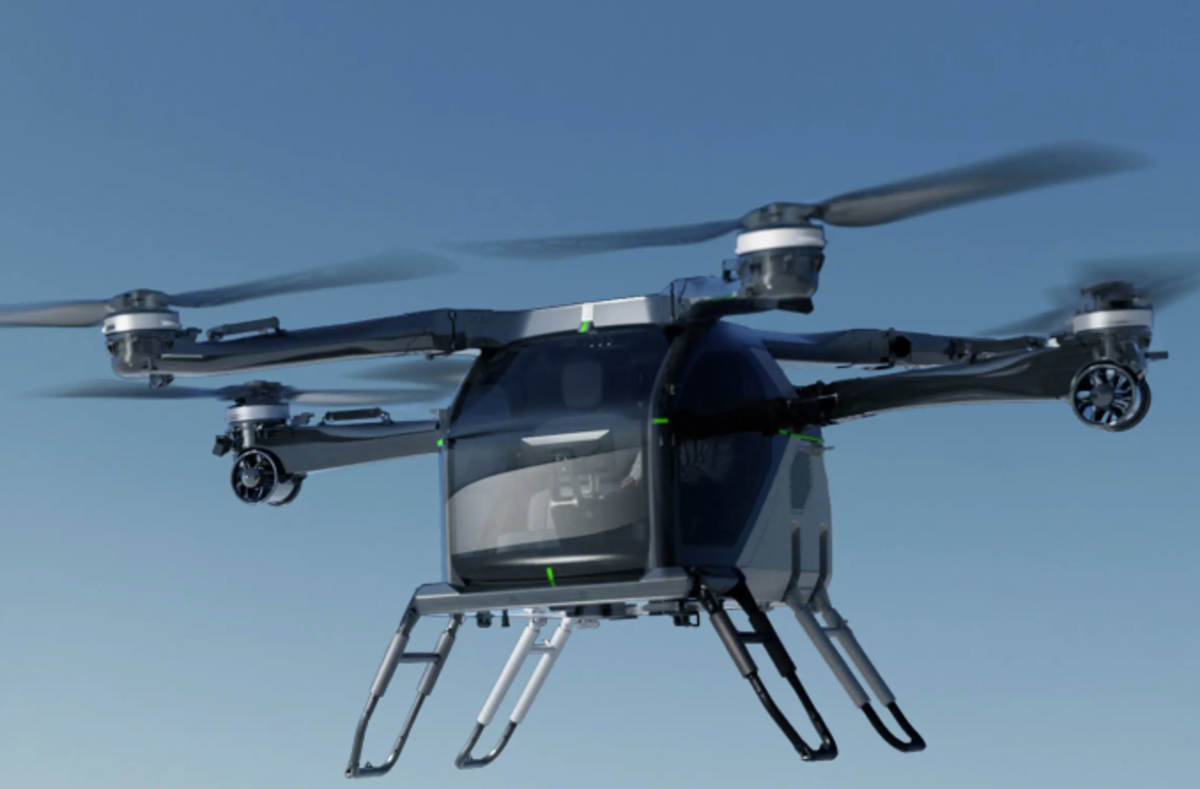
Air Traffic Control Nightmare
China already has over 2,000 drone manufacturers and 20,000 companies operating unmanned aerial vehicles. Add flying cars, delivery drones, and emergency services all operating in the same low-altitude space below 3,000 meters, and you’ve got a recipe for chaos that will make typical rush hour look like a leisurely Sunday drive.
The incident serves as an expensive reminder that before we can all commute like the Jetsons, we need to solve the considerably less glamorous challenge of keeping everyone from bumping into each other mid-flight. Until then, flying cars remain grounded by the same physics that govern regular ones: they sometimes crash.