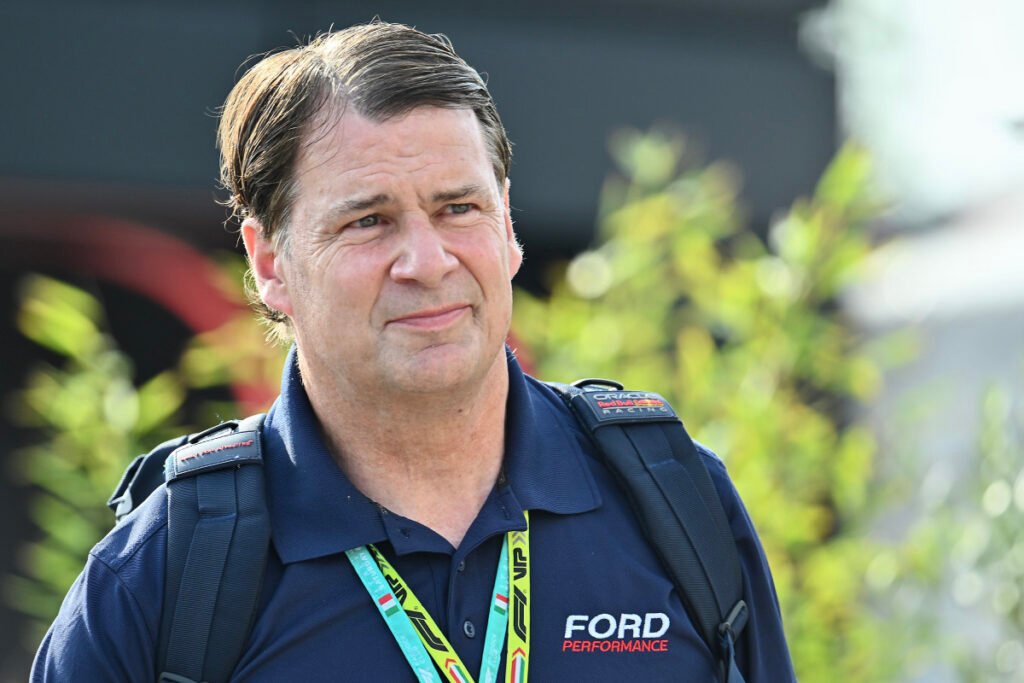
Ford CEO Jim Farley is warning that Europe could undermine its own carmakers if it keeps setting ambitious EV rules and then backing away from them when buyers do not follow. In a new opinion piece for the Financial Times, Farley argues that a mix of aggressive emissions targets, local-content demands and shifting combustion-engine bans is creating policy whiplash that makes it harder to invest in new vehicles and factories.
The concern is simple: while European regulators tighten and retune the rulebook, Chinese brands keep gaining share with cheaper electric cars.
Getty Images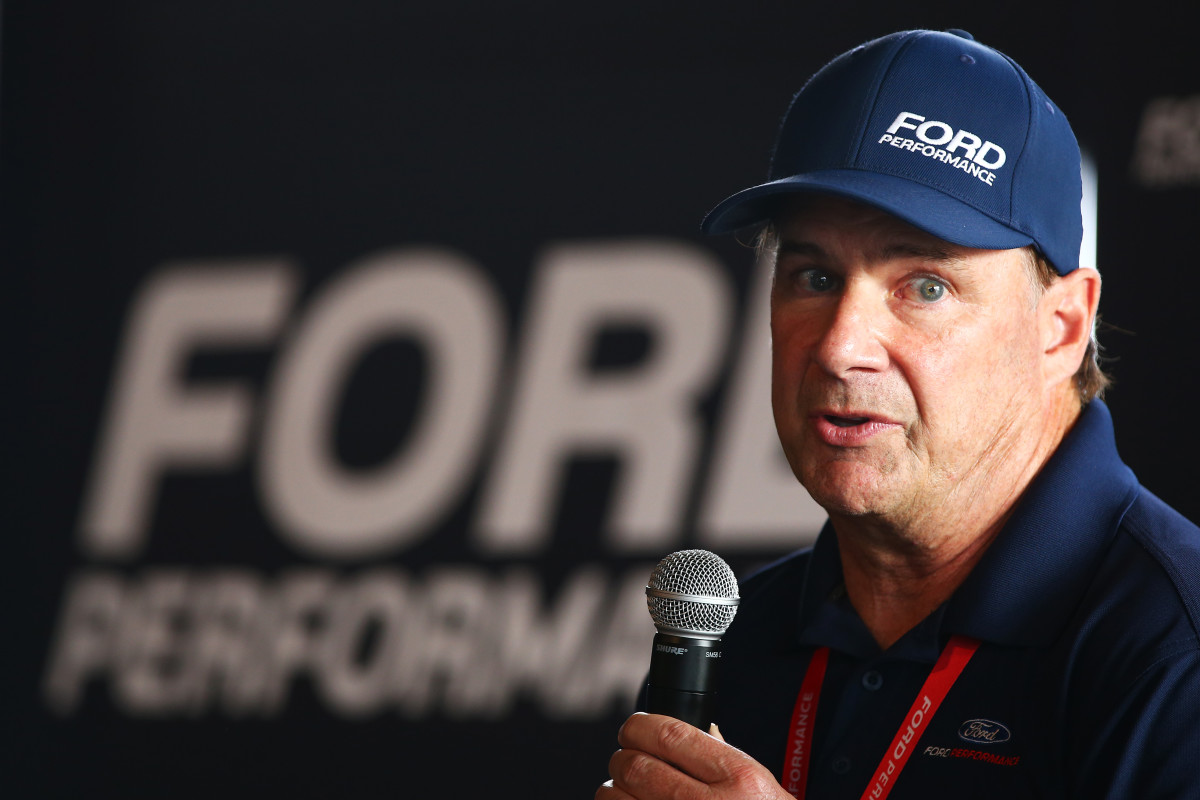
Farley’s problem with Europe’s EV rulebook
Farley’s core complaint is that Brussels and key EU governments are setting “unrealistic” EV regulations, only to soften or delay them when consumer demand falls short. “‘Mandate it and they will buy it’ has failed,” the Ford CEO writes.
That stop-start approach, he says, leaves automakers designing products and plants for targets that may not stick, all while dealing with tariffs, content rules and rising costs.
It also bumps up against what Ford is seeing in the real world, where there is huge demand for cheap base trims and price-sensitive buyers who are not ready to pay a premium for EVs. Farley’s warning is that if Europe makes it expensive and unpredictable to serve those customers, someone else will.
Ford Custom Garage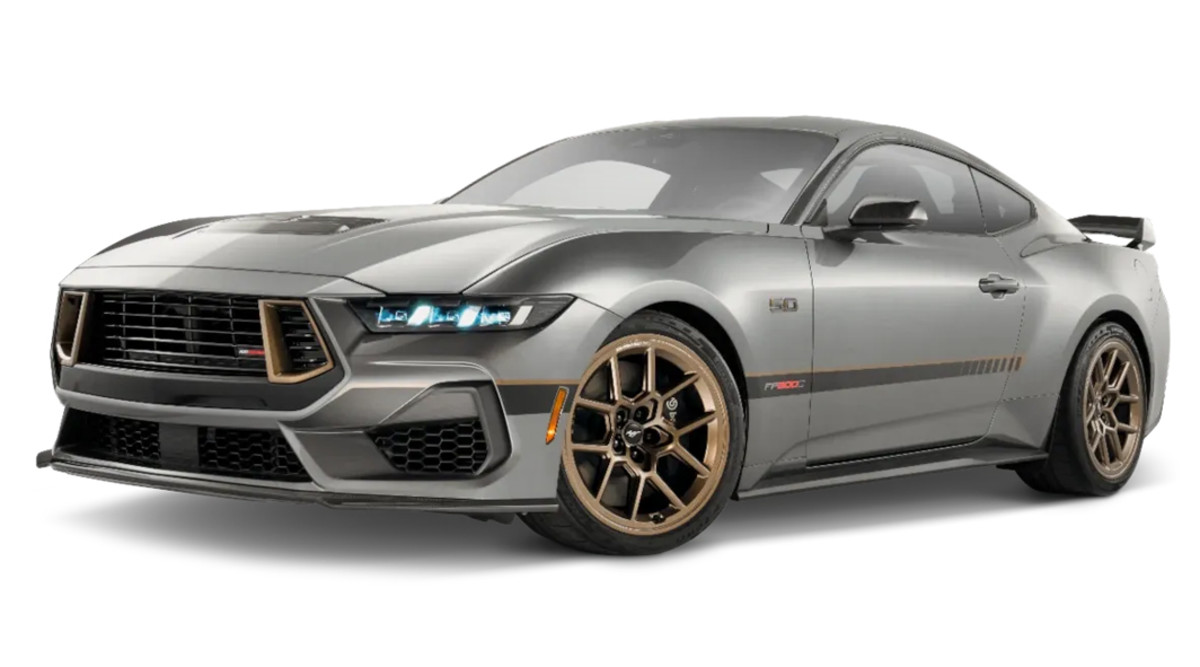
Chinese EVs and Ford’s two-track strategy
The backdrop to Farley’s op-ed is his repeated praise for Chinese EV makers’ low costs and fast development cycles, and his description of them as an existential threat to legacy brands. At the same time, Ford is still leaning on high-margin halo products in markets where it can, from core pickups and crossovers to headline-grabbing performance specials like the 800-horsepower supercharged Mustang package.
That split highlights the bind European regulators face, they want to push automakers toward affordable, mass-market EVs just as those automakers are relying on profitable, often gasoline-powered flagships to pay for the transition.
HSR/Patrick Tremblay
Why Farley says Europe is “risking the future”
Farley’s larger point is that Europe risks hollowing out its own auto industry if it piles on complex rules without a stable long-term path that keeps locally built cars competitive on price, saying that “Europe risks becoming a museum of 20th-century manufacturing.”
If EVs remain too expensive and mainstream buyers hesitate, Chinese brands and other imports can keep taking share, then build factories inside the EU and become permanent fixtures. Ford’s own product planning hints at how carefully it is now picking its battles, from Europe-only projects to decisions like launching an electrified Bronco overseas.
For European drivers, Farley’s message is that the right mix of realistic EV rules, predictable timelines and cost-focused policies will determine whether they are buying homegrown Fords and Volkswagens in a decade, or mostly imports built somewhere else.